Thanks to their location in the mountains, winters in Bend & Redmond can get quite cold. While the neighboring mountains can easily get 30 inches of snow in a storm, Bend and Redmond averages around 20 to 30 inches of snow during an entire winter. However, Bend received almost 60 inches of snow during the 2016-2017 winter, so high snowfall can happen as well.
Because of how cold the winter gets, it’s important to learn as much as you can about how to winterize air conditioner units. With the best AC winterization in Bend and Redmond, you can ensure your air conditioner is protected during the coldest months of the year.
Why Winterizing Your AC Is Essential in Bend
Your heating, ventilation, and air conditioning (HVAC) system is a finely tuned machine. It must be cared for throughout the year. Without proper maintenance, it will eventually break down and require costly repairs or replacements.
Deciding to winterize AC units in Bend & Redmond is particularly important because of how cold the area gets. Bend has a semiarid climate that receives an average of 21-23 inches annually of snow a year, and nighttime temperatures can drop as low as -10°F. By winterizing your AC, you can prevent ice, snow, and rain from causing rust and mold. The best seasonal AC maintenance can also help you keep pests out of your air conditioning unit.
Through proper maintenance, you can prevent dust, dirt, and debris from building up in your unit. By avoiding these issues, you decrease the likelihood of repairs and increase the longevity of your AC. Plus, proper care ensures your AC is ready to be switched back on when summer arrives.
Top Steps To Winterize Your Air Conditioner in Bend
At Central Oregon Heating, Cooling, Plumbing, & Electrical, we have helped countless residents choose the best AC type to install. We also provide routine maintenance and repairs, so your air conditioner will last for longer. Through the best AC maintenance in Bend & Redmond, you can keep your HVAC costs as low as possible.
Step 1: Clean and Clear the Area Around Your AC
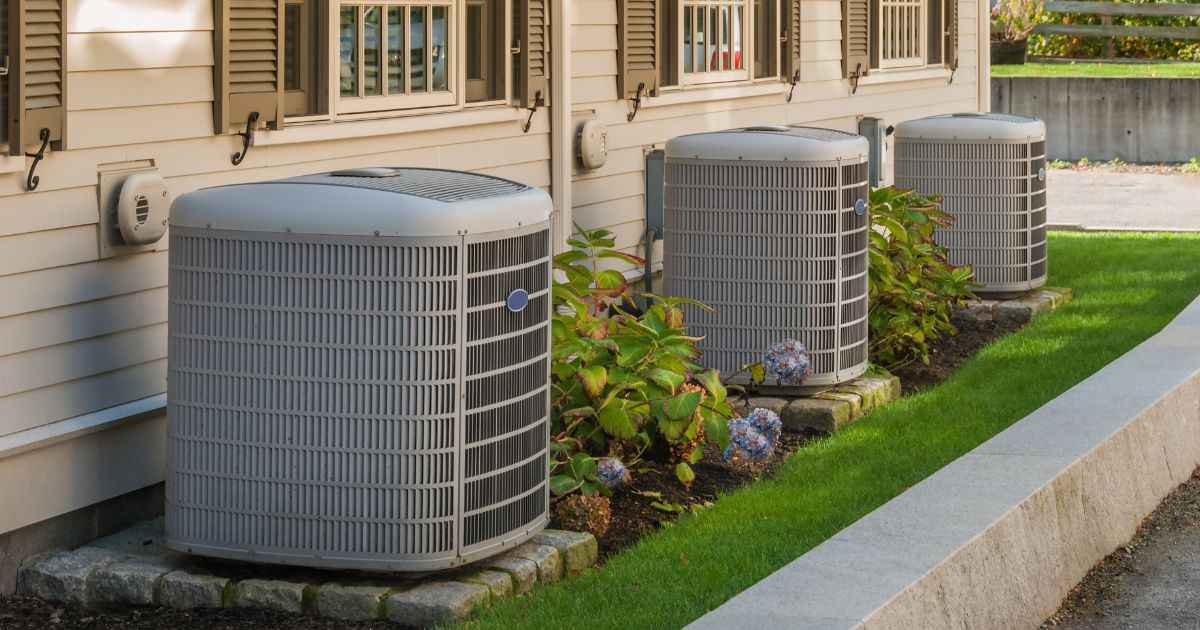
Before winter arrives, remove weeds, debris, and plant matter from around the AC. This prevents anything from clogging your unit. Additionally, you don’t want plant matter in your air conditioner because it can hold moisture and lead to rust or mold. Ideally, you should remove any plants or debris that are in a 2- to 3-foot radius of the unit.
Step 2: Protect Your Unit With the Right Cover
Another one of the top AC winter care tips is to cover the air conditioning unit. There are specific covers available that can help keep snow, rain, and falling leaves out of your unit. Additionally, installing a cover can keep rodents and insects out of it.
The cover must be specifically designed for an air conditioner, or it can end up locking moisture inside. Additionally, you should make sure to install the cover according to the instructions so that there is adequate airflow.
Step 3: Adjust and Test Your Thermostat for Winter
During unusually warm winter days, your air conditioner might turn on, causing moisture in the air to condense inside the unit. This can be problematic because, in winter, the cooler outdoor temperatures slow the evaporation of this condensation, potentially leading to freezing or moisture-related damage.
To prevent this issue, check your thermostat to ensure it is set to heating mode rather than cooling. This simple adjustment will keep your AC from operating unnecessarily. For added precaution, consider turning off the air conditioner at the electrical circuit breaker if you don’t anticipate needing it for an extended period. This step ensures the system remains inactive and protected during the colder months, helping maintain its efficiency and longevity.
Step 4: Complete Any Necessary Repairs Before Winter
One of the best air conditioner maintenance tips is to repair your AC before winter arrives. It’s always easier to fix problems in nicer weather. Additionally, you want to complete repairs early so that you can cover up your AC to keep snow out.
If you’ve noticed any of the following signs, you may need to arrange for AC repair services.
Odd noises or smells
Energy bills that are unusually high
Short cycling
Hot and cold spots throughout your home
Step 5: Insulate Your AC Pipes Against Freezing
Central air conditioners are set up with copper pipes that run from your air conditioner to your home. During the summer, these pipes are responsible for carrying refrigerant. Before winter sets in, the pipes must be insulated with pipe covers. To prevent these covers from falling off, you can use weatherproof zip ties to attach them.
Step 6: Replace Air Filters for Improved Efficiency
One of the most important things you can do to winterize an AC unit in Bend & Redmond is to replace your air filter. Normally, manufacturers suggest cleaning or changing your air filter every 30 to 90 days. You should check with your manufacturer or ask one of our HVAC technicians about how often your AC filter should be changed.
AC filters are responsible for keeping dirt and dust out of your HVAC system. If you don’t change them often enough, your AC may need more frequent repairs.
Keep in mind that some homes need more filter replacements than average. If an air conditioner is used more frequently or heavily than normal, the filter will need to be cleaned or replaced more often.
Step 7: Schedule a Winterization Maintenance Inspection
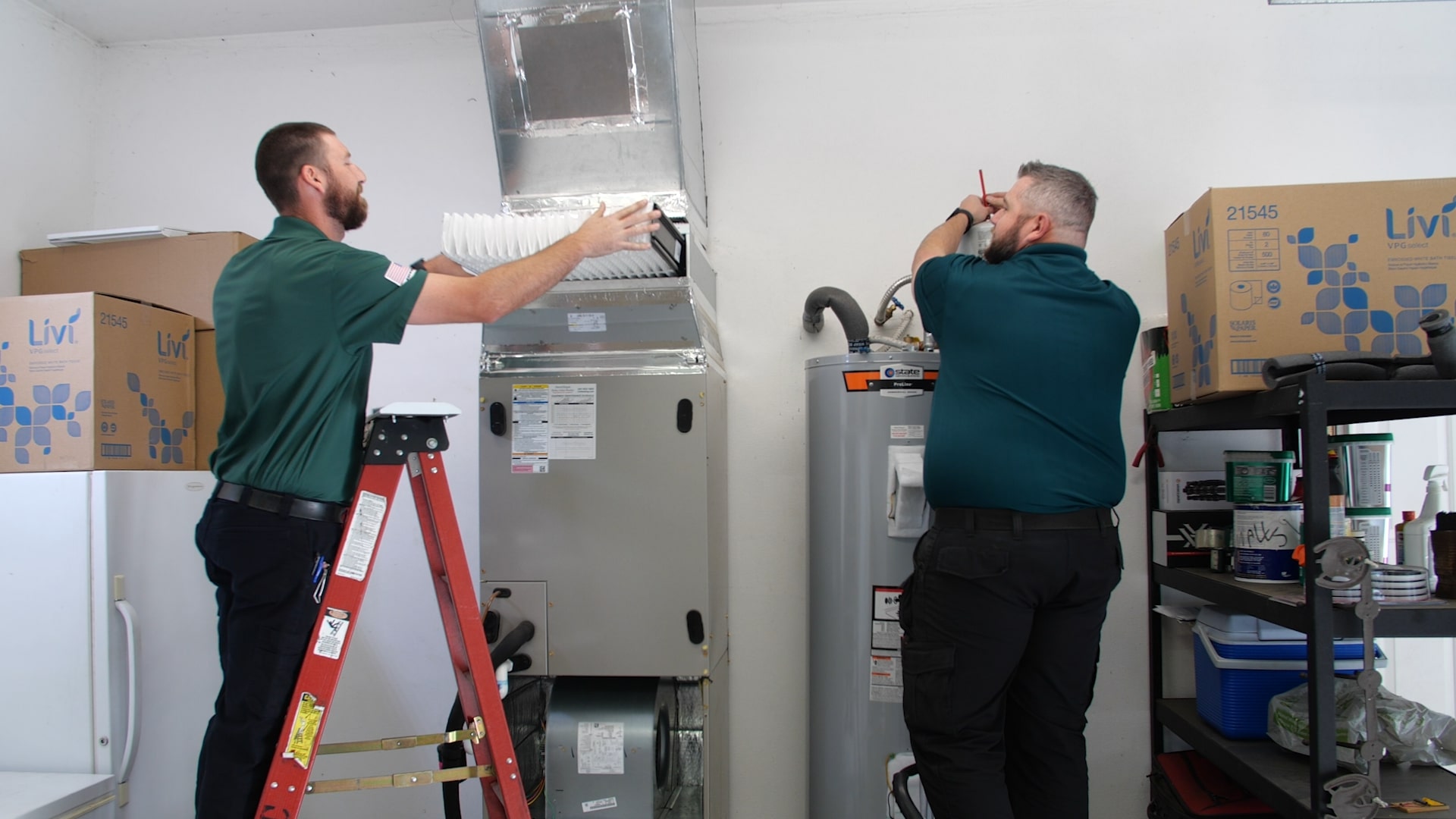
Before winter arrives, schedule a maintenance inspection with Central Oregon Heating, Cooling, Plumbing & Electrical. During the appointment, one of our technicians will check your HVAC system for faulty components and wear. We will clean and lubricate the parts. If there are any repairs required, we will discuss our recommendations with you and then get started on them right away.
Routine maintenance can prevent the majority of repairs. Additionally, regular maintenance can improve your air conditioner’s energy efficiency and save a significant amount on your power bills. Through our membership plan, you can simplify your HVAC care and ensure your AC is fully ready for cold weather to arrive.
When Should You Get Your AC Ready for Winter?
As you learn how to winterize air conditioner units, it’s important to remember that timing matters. The best time to winterize AC units in Bend or Redmond is in the fall before the weather gets cold. This gives you a chance to double-check your ducts, vents, and other HVAC components to ensure they’re sealed and fully functional before you use them for wintertime heating.
Choosing a Membership Plan for Cold Season
As a part of winter AC checkup, you should look into getting a membership plan. At Central Oregon Heating, Cooling, Plumbing & Electrical, we offer the Greenshield Membership Plan. This plan provides you with year-round comfort and protection. If something goes wrong with your HVAC system, one of our technicians will give you VIP priority treatment.
A membership plan makes scheduling your maintenance activities easier. Our team will let you know when you need to schedule your next seasonal AC maintenance visit. Through our membership plan, you can enjoy the following benefits.
Certified technicians
State-of-the-art equipment
HVAC Expertise
24/7 emergency maintenance
100% satisfaction guarantee for maintenance and repairs
10% discount on repairs
No overtime fees
Exclusive promotions throughout the year
With our maintenance membership, you get two seasonal visits. During the fall, we’ll carry out your heating precision maintenance. Then, we’ll return in springtime to handle your AC precision maintenance.
At each visit, we’ll review your HVAC system and make recommendations about repairs. If you have an older HVAC system, we may recommend doing more frequent maintenance visits. We can also show you how to winterize air conditioner components.
By working with Central Oregon Heating, Cooling, Plumbing & Electrical, you can ensure your AC is prepared for cooler temperatures. We’ll take care of your HVAC system, so you can relax and enjoy a beautiful winter.
How Does Bend’s Winter Impact Your AC’s Maintenance Needs?
Your air conditioner winter preparation is largely impacted by Bend’s local climate. Typically, Bend experiences lows of 23°F and highs of 39°F during the coldest month of the year. Although Bend doesn’t get nearly as much snowfall as the nearby mountains, its frigid temperatures mean you’ll need to take extra care with your AC winterization in Bend.
Prepare for Snow
Outdoor units are designed to handle the elements, but they still need protection from extreme weather conditions. When snow starts to fall in the Cascades, it’s a good idea to get your air conditioner ready. You should make sure there isn’t any debris or plant matter around the unit.
Before winter arrives, you should also clean the gutters around your home. Clogged gutters can prevent snow and water from draining off your roof. When this occurs, the snow can melt onto the top of your unit. If temperatures drop before the water dries out, it can cause ice to form on your AC unit.
Protect Against Debris
While Bend doesn’t have extreme winds, it’s still important to protect your AC from falling debris. A cover can keep dust, dirt, plants, and other debris out of your air conditioning unit. However, it’s important to get a breathable cover that is designed for your specific unit so that it doesn’t end up trapping moisture inside.
Why You Should Sign Up for an AC Maintenance Plan
When it’s time to winterize AC units in Bend or Redmond, your AC maintenance plan is incredibly important. No matter how cold it gets, your AC will be safe. The right maintenance plan and AC winter care tips can ensure your AC lasts as long as possible.
Have a Longer-Lasting AC
A typical central air conditioner will last for around 15 to 20 years. However, even the best air conditioner won’t last for long if it isn’t properly taken care of. Consistent AC maintenance means you’ll be able to save money and avoid getting new AC installations.
Enjoy a Hassle-Free Maintenance Plan
By signing up for a maintenance plan, you don’t have to deal with remembering and scheduling your appointments. When it’s time for a winter AC checkup, we’ll let you know. Afterward, we’ll send you a reminder right before our appointment. All you have to do is relax and let us handle all of your maintenance needs.
Avoid Breakdowns
Breakdowns normally happen during peak use, making them especially inconvenient. Fortunately, AC maintenance can prevent the majority of repairs from becoming necessary. With our air conditioner winter preparation, you can ensure your AC is cared for properly.
Enhance Your Performance and Efficiency
The average annual electricity bill in the United States is $1,642. More than half of home energy consumption typically goes to heating and cooling needs.
Luckily, AC maintenance can help you instantly reduce your energy consumption. For example, a 30% drop in refrigerant charge causes a 30% drop in system capacity. Similarly, changing a clogged air filter can improve your energy efficiency by 5% to 15%.
By getting an AC maintenance plan, you can quickly improve your HVAC system’s performance and energy efficiency. In turn, this can save you a significant amount of money on your power bill.
Why You Should Hire a Certified Technician for AC Service
To get the top AC winterization in Bend or Redmond, you need to hire a certified HVAC technician. Your home’s air conditioner is essential for your family’s comfort. Like any other part of your home, it has to be well-maintained in order to perform at its best. Through the assistance of a certified technician, you can ensure your AC is as efficient and long-lasting as possible.
When you work with a certified HVAC technician, you can enjoy the following advantages.
Craftsmanship: With a certified technician, you can be confident in the quality of the work. We understand a wide variety of brands and repair issues, so we know exactly what to do to keep your AC working its best.
Warranties: Your HVAC system’s warranty likely requires you to get HVAC repairs and maintenance tasks performed by a professional. More importantly, we offer a warranty on our parts and services. If something goes wrong, we’re only a phone call away.
State-of-the-Art Equipment and Technology: Our certified technicians work with all of the latest equipment and technology. We know about the latest developments, so you can enjoy having the most energy-efficient, cutting-edge HVAC components.
Reliability: By partnering with our certified technicians, you can be confident that your maintenance and repairs will happen right on schedule. Our technicians are noted for their reliability and punctuality.
Fast Results: Your time is important. You don’t want to spend days waiting for your repairs to be done. A certified technician knows how to do the job, so they don’t have to waste any time. Instead, they can complete the repairs as quickly and effectively as possible.
Expertise: From regional climate variations to differences between HVAC brands, a certified technician has experience you can count on.
Peace of Mind: One of the most important reasons why you need a certified technician is for better peace of mind. When you hire a professional, you can be confident in the quality of your services.
What To Do When Your Air Conditioner Breaks Down
By getting the best AC maintenance in Bend & Redmond, you can prevent many repairs. However, air conditioners may still break down from time to time. When this happens, there are a few things you can do to troubleshoot the problem. If these tips don’t work, you’ll need to reach out to an HVAC professional.
Replace Your Filter
Your AC filter needs to be cleaned or changed every 30 to 90 days. If it isn’t changed often enough, it will become clogged and reduce airflow in your AC. Because this causes your air conditioner to work harder, it can lead to additional wear and premature breakdowns. By replacing your air filter, you can quickly improve airflow in your HVAC unit.
Check for Tripped Breakers
Sometimes, a change in the electrical flow can cause a tripped breaker. You can solve this problem by flipping the switch. However, you should only do this once. If it immediately trips again, it means something else is wrong and you need professional help.
Look at Your Thermostat Settings
Often, multiple people will have access to your thermostat settings. Because of this, you should check your settings to make sure it is in the correct mode. You can also double-check your thermostat’s functionality by changing the temperature. If the HVAC unit doesn’t turn on right away, there may be an issue with the thermostat.
Get Professional Help
If trying basic troubleshooting doesn’t work, it’s time to get professional help. Many repairs, like charging refrigerant and repairing electrical wires, are potentially dangerous to perform on your own.
As a result, you should reach out to a professional if you notice that your AC is having issues. Note any unusual sounds or smells because these may indicate what the underlying problem is.As you wait for the HVAC technician to arrive, you can stay cool by closing your curtains or blinds. You can also turn on fans to help cool off your home.
Once the technician arrives, they’ll quickly get to work on repairing your AC. We’ll diagnose the underlying problem, make the necessary repairs, and schedule your next maintenance visit.
What Is Included in Our Air Conditioner Maintenance?
With the top winter AC checkup, you can get your air conditioner inspected, lubricated, and cleaned. When one of our technicians arrives to handle your AC maintenance, they’ll carry out the following tasks.
Adjust Refrigerant Levels: If your refrigerant levels are low, you legally need a certified HVAC technician to adjust them. During our maintenance visit, we’ll check out your refrigerant levels and recharge them as needed.
Change Air Filters: As a part of our maintenance visit, we’ll check out your air filters. If they’re dirty, we will clean or replace them.
Check Your Thermostat: Then, we will look at your thermostat to make sure it’s calibrated properly. If the thermostat isn’t signaling your HVAC system correctly, we can reset, repair, or replace it.
Lubricate Parts: Over time, moving components can wear down because of friction. By lubricating your AC components, we can prevent this from happening.
Clean the Condenser Coils and Air Handler: To ensure your condenser coils and air handler are working their best, we will carefully clean them during our maintenance check.
Tighten Components: Over several months of usage, the electrical components can get loose. We’ll make sure to tighten all of these components during our air conditioner winter preparation.
Test the AC: The only way to know if your air conditioner is functioning properly is to test it. After we’ve finished the rest of our maintenance process, we will test the AC to ensure it’s working correctly.
By partnering with a professional HVAC company, you can get the best air conditioner maintenance tips. Our team provides local residents and business owners with better peace of mind. Thanks to our exceptional services, you can enjoy having better AC longevity, lower energy costs, and fewer repairs.
Get Expert Help Winterizing Your AC in Bend and Redmond, Oregon
The right air conditioner winter preparation can help extend the lifespan of your air conditioning unit and prevent repairs. At Central Oregon Heating, Cooling, Plumbing & Electrical, you can learn how to winterize air conditioner units and get ready for cooler weather.
Discover the best ways to winterize your Bend home by filling out our online form today.

At the heart of your comfort this winter is your trusty heater, ready to keep you warm in the coldest months. But beyond providing warmth, your heating system plays a crucial role in your home’s safety, air quality, and long-term value.
Let’s take a look at why seasonal maintenance is not just a good idea, but an essential practice for every homeowner.
Protecting Your Investment: The Warranty Factor
Your heating system came with a valuable promise from the manufacturer – a warranty. Now this warranty is your safety net, offering protection against defects and premature failure. But there’s a crucial detail that most homeowners overlook: regular maintenance is often required to keep that warranty valid.
Now you’re probably asking yourself, “Why do manufacturers require maintenance to keep the warranty valid?”
They aren’t being difficult, they just understand that a well-maintained heater is less likely to fail prematurely. By insisting on regular check-ups, they are actually looking out for you. Here’s why:
Preventing Avoidable Damage: Many heating issues start small but can escalate quickly if not addressed. Regular maintenance catches these issues early, preventing damage that could void your warranty.
Ensuring Proper Operation: Your heater is designed to operate within specific parameters. Regular maintenance ensures it continues to function as intended, which is crucial for warranty compliance.
Documenting Care: Those maintenance records serve as proof that you’ve held up your end of the warranty agreement. In the event you need to make a claim, these records can be invaluable.
Whatever you do, don’t let this happen to you: It’s the dead of winter, and your heating system suddenly fails. You call for service, confident that your warranty will cover the repair. But then comes the shocking news – your warranty is void due to lack of maintenance. Suddenly, you’re facing a hefty repair bill or even the cost of a full replacement.
This isn’t just a hypothetical situation. Many homeowners have found themselves in this exact predicament. The cost of regular maintenance pales in comparison to the potential expense of a voided warranty.
Maintaining Safety: Protecting What Matters Most
Your heating system doesn’t just provide comfort; it’s a potential safety hazard if it isn’t properly maintained. Regular maintenance is crucial for ensuring your heater operates safely, protecting your home and your loved ones from potential hazards. Neglected heaters can produce hidden dangers such as:
Carbon Monoxide Risks: Perhaps the most serious safety concern is the risk of carbon monoxide leaks. This odorless, colorless gas can be deadly. Regular maintenance includes checking for cracks in the heat exchanger and ensuring proper venting, significantly reducing this risk.
Fire Hazards: Dust buildup, frayed wires, or malfunctioning components can all pose fire risks. A thorough cleaning and inspection during maintenance addresses these potential hazards.
Electrical Safety: Your heater’s electrical connections and components need regular checking to ensure they’re secure and functioning properly, preventing electrical fires or shocks.
Gas Leak Prevention: For gas heating systems, regular checks of gas lines and connections are crucial for preventing dangerous leaks.
When you schedule regular maintenance, you’re not just ticking a box on your home care checklist. You’re investing in your family’s safety. Knowing that a trained professional has thoroughly inspected and serviced your heating system brings peace of mind for everyone.
Improving Air Quality: Breathing Easier at Home
We often think of air pollution as an outdoor problem, but the quality of the air inside our homes is just as important – if not more so. Your heating system plays a significant role in your home’s air quality, and regular maintenance is key to ensuring it contributes positively to your indoor environment.
Poor indoor air quality isn’t just unpleasant – it can have real health implications. From aggravating allergies and asthma to causing headaches and fatigue, the air you breathe at home matters. Dirty heaters can circulate dust, debris, and even mold throughout the house.
Keep the air clean inside your home and protect the health of your loved ones this winter by getting your heater inspected and cleaned.
Investing in Comfort, Safety, and Peace of Mind
Imagine facing each winter with confidence, knowing your heater is not just ready to provide warmth, but is operating safely, efficiently, and in compliance with your warranty. Picture breathing easier, both literally and figuratively, as you enjoy the clean, comfortable air in your well-maintained home.
This peace of mind is priceless. It allows you to focus on enjoying the relaxing moments of winter – gathering with family, enjoying a hot cup of fresh coffee, and creating lasting memories with friends – without the worry of heating issues looming over you.
So as the cold weather approaches, take the important step by scheduling your seasonal heating maintenance today. It’s more than just a check-up – it’s a commitment to your home’s health, your family’s safety, and your peace of mind.
Today, let’s explore how a well-cared-for heating system can bring you peace of mind and ensure your comfort, no matter what winter throws your way.
The Comfort Guarantee: No Surprises, Just Warmth
It’s easy to take your heater for granted. It works silently in the background all winter long to keep your home warm and welcoming. Let it have a sudden breakdown on a cold night, and each winter you’ll be reminded of the inconvenience, frustration, and cost of getting it repaired.
Imagine never having to worry about your heater breaking down on a frigid night. You’d sleep easier right? Regular maintenance makes this dream a reality. Here’s how:
Proactive Care Prevents Problems – Your heating system works tirelessly to keep you warm. By giving it regular check-ups each fall, you’re able to catch potential issues before they become real problems. It’s like visiting the doctor for a wellness check – you’re taking care of your heater’s health before it gets “sick”.
Reliable Performance When You Need It Most – A well-maintained heater is a reliable heater. You can count on it to warm your home efficiently, even on the coldest days. A neglected heater has to work overtime to heat your home, and the increased strain leads to sudden breakdowns. After performing seasonal maintenance, there’s no more crossing fingers and hoping it works – you’ll have confidence in your system’s performance.
Consistent Comfort Throughout Your Home – Ever noticed certain parts of your home are colder than others? Regular maintenance ensures your heating system distributes warmth evenly, creating a consistently comfortable environment in every room.
Calling a professional to perform seasonal maintenance on your heating system is the best option to ensure your home is warm this winter season. Don’t wait for the cold to hit, have your heater inspected before its warmth is needed.
The Joy of Prompt, Worry-Free Repairs
Here’s the thing, even with the best care, occasional repairs might be needed. But here’s the good news – with regular maintenance, these repairs are typically:
Quick: Issues are often caught early, making repairs simpler and faster.
Less Disruptive: Minor repairs can often be done during routine maintenance visits, minimizing inconvenience.
More Affordable: Addressing small problems prevents them from growing into costly major repairs.
Keep repair costs and downtime to a minimum with preventive maintenance. With seasonal maintenance, repairs occur according to your schedule, not in sudden, inconvenient moments.
The Peace of Mind Factor: Priceless Benefits of Regular Maintenance
While the goal is to keep you warm all winter long, seasonal maintenance has many other great benefits:
Safety First – A well-maintained heating system isn’t just efficient – it’s safe. Regular inspections ensure there are no gas leaks, carbon monoxide risks, or fire hazards. You can rest easy knowing your home and family are protected.
Energy Efficiency that Makes You Smile – Watch your energy bills with satisfaction as your well-maintained heating system operates at peak performance. It’s not just good for your wallet – it’s great for the environment too!
Extended Lifespan, Extended Value – Your heater is an investment, and regular maintenance helps protect that investment. By keeping it in top shape, you’re extending its lifespan and getting the most value out of your system.
Breathe Easy with Better Air Quality – A clean, well-maintained heating system contributes to better indoor air quality. Say hello to fresher, cleaner air and goodbye to dust and allergens.
Looking Ahead: A Future of Warm Winters
As you look forward to the coming winter months, imagine the possibilities:
Hosting holiday gatherings in your comfortably warm home
Enjoying movie nights without piling on extra blankets
Waking up to consistent warmth, even on the coldest mornings
Feeling confident and prepared for whatever weather comes your way
All of this is possible with a well-maintained heating system. It’s not just about avoiding problems – it’s about creating a home environment that supports and enhances your lifestyle.
Your well-maintained heater is the heart of a happy, comfortable home. By prioritizing regular care, you’re not just preventing problems; you’re creating a space that supports your well-being and daily life. Face this winter with confidence, knowing your home will be a warm, welcoming haven no matter how cold it gets outside.
That’s the power of regular heating maintenance – not just solving problems, but preventing them entirely and ensuring your comfort year after year.
This is part 3 of our series Maintenance Matters, where we’re diving into how to keep your home comfortable while providing you peace of mind all winter long. If you missed the first couple of posts, check them out here: Maintenance Matters: A Breakdown Free Season and Maintenance Matters: Extending Your Heater’s Lifespan. Thanks for stopping in, now let’s talk about boosting performance and cutting energy costs.
The Hidden Potential of Your Heating System
Your heater is the silent workhorse, working behind the scenes in your home to ensure you stay warm. But like any hardworking machine, it can lose its edge over time. Dust accumulates, parts wear down, and before you know it, your once-efficient heater is working overtime just to maintain the same level of comfort.
This is where the magic of regular heating maintenance comes in.
The Efficiency Boost: How Maintenance Makes a Difference
So, how exactly does maintenance improve your heater’s efficiency? Let’s break it down:
Clean and Clear: A heater free of dust and debris breathes easier. During maintenance, technicians clean crucial components like the blower and heat exchanger. This allows for better airflow and heat transfer, meaning your heater doesn’t have to work as hard to warm your home.
Lubrication is Key: Moving parts in your heating system need proper lubrication to function smoothly. Well-lubricated parts reduce friction, which in turn reduces energy consumption. It’s like oiling the squeaky wheel – suddenly, everything moves more easily and efficiently.
Filter Refresh: One of the simplest yet most impactful maintenance tasks is replacing the air filter. A clean filter allows for better airflow, reducing the strain on your heater and improving its efficiency. It’s a small change that can make a big difference in your energy consumption.
The Cost-Saving Potential
Now, let’s talk about everyone’s favorite topic – saving money. A more efficiently running heating system translates into short and long-term cost savings. Here’s how:
Reduced Energy Consumption: An efficient heating system uses less energy to produce the same amount of heat. This means lower energy bills month after month. While the savings might seem small at first, they add up significantly over the heating season.
Consistent Performance: A well-maintained heater performs consistently, avoiding energy-wasting peaks and valleys in its operation. This steady performance keeps your home comfortable while using energy more efficiently.
Longer Lifespan: Efficient operation puts less strain on your heating system, potentially extending its lifespan. This means you can delay the significant cost of replacement, saving you money in the long run.
Fewer Repairs: Regular maintenance can catch small issues before they become big, expensive problems. By avoiding major repairs, you’re not just saving on repair costs but also preventing the energy inefficiency that comes with a malfunctioning system.
The savings aren’t just in money, but also in time, stress, and comfort. No one wants to walk into a cold home or have to change their plans to work around repair times. Keeping your heating system working efficiently is the best way to avoid breakdowns and keep your home comfortable all winter long.
Taking Action: 5 Ways to Boost Efficiency
So what can you do to help your heater be at its best? Here are 5 ways to get your heater into shape today:
Schedule Annual Maintenance: If you still need to, contact us to schedule a maintenance check-up for your heater. Fall is an ideal time for this before the heating season kicks into full gear.
Change Filters Regularly: Mark your calendar to check and replace your filter every 1-3 months, depending on your system and home environment. This simple task can significantly improve your heater’s efficiency.
Pay Attention to Performance: Between professional check-ups, keep an ear out for unusual noises and an eye on your energy bills. If you notice any changes, don’t hesitate to call us to inspect for any problems.
Consider a Programmable Thermostat: While not strictly maintenance, upgrading to a programmable or smart thermostat can complement your maintenance efforts, improving your system’s efficiency.
Keep Vents Clear: Ensure your vents aren’t blocked by furniture or curtains. Good airflow is crucial for an efficient heating system.
A Comfortable, Cost-Effective Winter
As we continue on our journey through “Maintenance Matters”, let’s take a moment to envision the winter ahead. Picture a home that’s consistently warm and inviting, with energy bills that don’t make you wince. This isn’t just a dream – it’s the reality that regular heating maintenance can help create.
With regular heating maintenance, you’re not just improving your heater’s efficiency; you’re investing in your home’s comfort, your financial well-being, and even the environment. Each maintenance check-up is a step towards a comfortable and more cost-effective home.
Schedule your heating maintenance today. It’s more than a check-up – it’s your ticket to a winter filled with warmth, efficiency, and the satisfaction of knowing you’re making a smart choice for your home and your wallet.
See you next time as we look at how you can maintain your peace of mind throughout the whole season!
Welcome back to our Maintenance Matters series on how to keep your house warm all winter long. If you missed the first post about avoiding breakdowns, then click here.
With cooler weather approaching, your heating system plays the lead role in maintaining your comfort. It’s the unsung hero that keeps you warm during chilly nights and creates an atmosphere for family moments. Beyond its daily comfort-providing duties, your heating system is one of the biggest investments in your home. Just like your car, it requires care and attention to truly shine and endure.
Let’s look at how regular maintenance not only keeps your heater running smoothly but significantly extends its lifespan, protecting your investment for years to come.
Understanding the Investment in Your Heating System
When we think about home investments, our minds often jump to kitchen remodels or installing a pool outside. However, your heating system, though often out of sight and out of mind, stands as one of the most crucial and costly parts of your home.
First, let’s look at the costs and the long-term value that your heater brings…
The Cost of a New Heating System
Installing a new heater is no small expense. Depending on the size of your home, the type of heating system, and its efficiency rating, you could be looking at investing from $6,000 to $9,000. High-efficiency models or those designed for larger homes can even exceed $12,000. This means that your heater is one of the most significant single investments in your home.
Long-Term Value
Here’s the key – your heater isn’t just a one-time purchase. It’s a long-term investment in your home’s comfort, energy efficiency, and overall value. A well-maintained heater can last 15 years, providing reliable warmth and comfort throughout its lifespan. Neglecting your heating system can shorten that lifespan significantly while driving up energy bills each winter season.
Impact of Maintenance on Heater Longevity
Now that we know that your heater is a significant investment for your home, let’s dive into how regular maintenance can dramatically extend its lifespan, ensuring you get the most out of your investment.
Regular Care Extends Lifespan
Think of your heater like a car. Just as regular oil changes and tune-ups can keep a vehicle running smoothly for hundreds of thousands of miles, consistent maintenance can add years to your heating system. An annual inspection is the cornerstone of increasing your heater’s lifespan. Routine check-ups allow technicians to spot and address minor issues before they grow into major problems.
Prevention of Wear and Tear
Every time your heating system cycles on and off, its components experience some degree of wear. While this is normal, neglect can accelerate this wear and tear, leading to premature failure. Part of our annual maintenance inspection includes lubricating these moving parts, ensuring that they continue to move freely and efficiently. A heater that moves freely and efficiently is a heater that will keep working for a long time.
Optimal Performance Over Time
Increasing the longevity of your heating system isn’t just making sure it continues to create warm air. It’s about making sure that it performs better throughout its entire lifespan. Adding years of use to your heater without maintaining the performance just means higher energy bills for your home. Clean, lubricated, and properly maintained components work together more efficiently, reducing strain on the system. Less strain equals better performance and a longer, more efficient lifespan.
The Financial Benefits – Avoid Replacements and Costly Repairs
Investing in regular maintenance doesn’t just extend your heater’s life – it provides significant financial benefits too!
Avoiding Early Replacement Costs
We have to say it again, but the most obvious financial benefit is delaying the need for a costly heating system replacement. By extending your heater’s lifespan, you’re potentially saving thousands of dollars in replacement costs. Just think, with regular maintenance, your heater could last two or three times longer than the ones that have been neglected. That could save you $12,000 to $20,000+ in replacement costs during the time you live in your home.
Saving on Repairs
While maintenance itself has a cost, it’s significantly less than the expense of major repairs or emergency services. By keeping your heating system in top condition, you’re less likely to face unexpected breakdowns or costly component failures. The small, regular investment in maintenance can save you from large, unexpected repair bills down the line.
Energy Efficiency Savings
A well-maintained heater operates more efficiently throughout its lifespan. This efficiency translates directly into lower energy bills. Throughout your heater’s extended life, these savings can add up to hundreds or even thousands of dollars. It’s like your heater paying you back for taking good care of it!
Protecting Your Investment for the Long Haul
Your heater is more than just an appliance—it’s a significant investment in your home’s comfort and value. By viewing it through this lens, the importance of regular maintenance becomes clear. Each tune-up, filter change, and inspection is not just a maintenance task – it’s an investment in the longevity and efficiency of one of your home’s most valuable systems.
As we wrap up, consider this: your heating system works tirelessly to keep your home comfortable. By giving it the care and attention it deserves, you’re ensuring it can continue to perform this vital role for years to come. You’re not just maintaining an appliance; you’re protecting your investment, ensuring your comfort, and making a smart financial decision.
So, as the seasons change and another heating season approaches, take a moment to schedule that maintenance appointment. It’s more than just a check-up—it’s a commitment to the long-term health of your home and your comfort. Here’s to many more years of warmth, efficiency, and peace of mind, courtesy of your well-maintained heating system!
As the leaves start to change colors, we all know that cooler weather is quickly approaching. Thoughts of sitting inside with a warm fire while enjoying time with family and friends come to mind.
And at the heart of that experience? Your trusty heater, ready to keep you and your family warm all season long.
But here’s the thing – Just like any hard-working hero, your heater needs a little TLC to run its best. That’s where seasonal heating maintenance comes in. Think of it as the recipe for a home filled with warmth, efficiency, and complete peace of mind.
Why does heating maintenance matter so much? We’ll show you…
The Importance of a Reliable Heating System
Picture this: It’s the dead of winter, the winds are howling, and the snow is starting to fall. But inside your home? Pure comfort. How? That, our friends, is the magic of a well-maintained heater.
It’s about more than just keeping you warm – it’s about creating an inviting atmosphere that you can rely on. But here’s the key: Regular maintenance is the secret ingredient that keeps this scenario a reality, year after year.
Without it, you run the real risk of unexpected breakdowns, cold nights, and expensive repair costs. Who wants to deal with that during the most beautiful time of year?
First, let’s dive into why heating systems fail in the first place.
Why Heating Systems Break Down
Understanding why heaters fail is the first step in preventing breakdowns. Think of your heater as the unsung hero of your home. Day and night, it works tirelessly to keep you comfortable. But like any hardworking machine, it faces challenges:
Dust and Debris Buildup: Over time, dust and debris can accumulate in your heater, clogging filters and reducing efficiency. It’s like trying to breathe through a stuffy nose – not impossible, but certainly not comfortable or efficient.
Worn-Out Parts: Just as your car’s parts wear down over time, so do your heater’s components. Cracks begin, motors strain and ignition systems can falter.
System Strain: When parts aren’t working efficiently, your heater has to work harder to produce the same amount of heat. This extra strain can lead to premature breakdowns.
Neglect: Perhaps the biggest culprit in heating system breakdowns is simple neglect. When we forget about our heater until something goes wrong, we miss the opportunity to catch small issues before they become big problems.
The good news? Most of these issues are preventable with regular maintenance. It’s like giving your heater a chance to refresh, recharge, and prepare for the work ahead.
The Magic of Seasonal Tune-Ups
So, what exactly does seasonal heating maintenance entail? Think of it as a health check-up for your heating system. Let’s break it down:
Early Detection of Issues – Imagine if you could spot a health problem before it became serious. That’s exactly what yearly heating inspections do. Our trained technicians can identify worn parts, loose connections, or poor operations before they lead to a full system breakdown, potentially saving thousands of dollars in repairs or replacement.
Reducing System Strain – When all the components of your heating system are clean, lubricated, and functioning at their best, the entire system runs like a well-oiled machine. Less strain means less wear and tear, and a lower chance of unexpected failures.
How We Prevent Breakdowns
Let’s take a look at some of the tasks we perform to prevent breakdowns:
Cleaning and Lubricating – Your heater’s moving parts need proper care to function smoothly. Cleaning and lubricating these components reduces friction and wear, preventing overheating and failure. It keeps your heater ready for action.
Inspecting Electrical Connections – Loose or corroded electrical connections can lead to system failure or even pose safety risks. Regular inspections ensure all connections are secure and functioning properly. It’s a simple check that can prevent major headaches down the road.
Checking the Heat Exchanger – The heat exchanger is the heart of your heating system, responsible for heating the air that circulates through your home. Cracks or leaks in this component can lead to system shutdowns or, more seriously, carbon monoxide leaks. Regular inspections can catch these issues early, ensuring your heater stays both efficient and safe.
Your Peace of Mind is Waiting…
Let’s take a moment to think about the cold weather that’s ahead. Imagine evenings by the fire, the warmth of your home welcoming you after a day in the cold, and the peace of mind that comes from knowing your heater is in top condition.
This isn’t just a dream – it’s a reality that’s within your reach. By embracing regular seasonal maintenance, you’re not just preventing breakdowns; you’re investing in your home’s comfort, efficiency, and safety. You’re choosing peace of mind over worry, proactive care over reactive repairs.
Remember, your heating system works hard to keep you comfortable. By giving it the care it deserves, you’re ensuring it can continue to be the silent guardian of your comfort for years to come.
So, as the leaves fall and the air grows crisp, take that important step. Call us at Central Oregon Heating to schedule your heating maintenance today.
It’s more than just a check-up – it’s your ticket to a winter filled with warmth, efficiency, and worry-free comfort.
Discover why a seasonal check-up is the secret to a comfortable, worry-free winter
As we start to feel that familiar nip in the air, it’s time to talk about making sure your home is ready to stay warm and relaxing. Do you know what makes that possible? A well-maintained heater!
Designed for People Who Want Reliability, Comfort, and Value
Our seasonal heating maintenance is designed for the person who enjoys the comforts of a warm, inviting home with the peace of mind that they’re ready for whatever nature throws at them. It’s for people who don’t want problems with their heat during the coldest time of year.
It’s for a person who cares about how welcoming their home is. Whether that includes warm nights reading a book or hosting parties with friends and family, ensure your comfort by scheduling your heating maintenance.
It’s for the person looking to maintain value in their homes and save money – both in the short-term with lower energy bills and in the long-term with increased lifespan and fewer breakdowns.
Seasonal heating maintenance is designed for the person who wants to take care of their largest investment and enjoy the comforts of their home.
Why Maintenance Matters
Now, we know what you might be thinking: “My heater worked fine last year, why bother?” Well, let me tell you, giving your trusty heating system a little TLC before the cold sets in can make all the difference. Here’s why:
1. Fewer Breakdowns, More Reliability
Heating systems never decide to take a day off on a slightly cool day. No, it always happens on the coldest day when you have plans and no time to deal with them. Regular maintenance catches those small issues before they become big, chilly problems. It’s like taking your car for a tune-up – a little preparation goes a long way!
Our technicians are trained to spot the early warning signs of wear and tear. They’ll check everything from the thermostat to the heat exchanger, ensuring every part is working correctly.
Your heater is like a good friend – treat it right, and it’ll stick around longer. Regular check-ups can add years to its life, saving you from the cost (and hassle) of early replacement.
A new heating system can cost thousands of dollars. Wouldn’t you rather spend a fraction of that on maintenance and keep your current system running smoothly for years to come?
3. Improved Efficiency, Lower Bills
Who doesn’t like saving money? A well-maintained heater runs more efficiently, which means it uses less energy to keep you warm. That’s good for your wallet and Mother Nature.
During our heating maintenance, we’ll inspect filters, lubricate moving parts, and make sure everything is aligned correctly. This can lead to energy savings for your home every year! Just think what you can do with that extra cash!
4. Peace of Mind (Priceless!)
There’s nothing quite like the peace of mind that comes from knowing your home will stay warm all winter long. No more worrying about unexpected breakdowns or chilly nights.
Plus, with our membership plan, you’ll be a priority customer. If you ever do need emergency service, you’ll be at the top of our list.
5. Safety First & Breathe Better Air
Your family’s safety comes first. Regular heating maintenance ensures that there are no gas leaks or carbon monoxide risks and improves the air quality inside your home. Plus, it keeps your warranty valid!
Our technicians are trained to detect even the slightest issues that could compromise your safety. We take this responsibility seriously.
What to Expect During Your Heating Maintenance
What do we do during a heating check-up? Here’s a quick look:
We inspect your air filter(s)
We check your heat exchanger
We test the thermostat calibration
We tighten electrical connections
We lubricate moving parts
We check and clean the blower fan
We check for visual leaks
And we’ll do so much more for your comfort and safety!
Ready to Give Your Heater the Attention It Deserves?
If you’re someone who doesn’t want to deal with a potential breakdown in the middle of winter and the risk of thousands of dollars in repairs, then our team of friendly experts is just a phone call away. We’ll make sure your home stays warm and welcoming all winter long.
Don’t wait for the last cold snap to catch you off guard. Book your seasonal maintenance today!
Now, if you’re someone who wants to ensure their home is comfortable and safe all year long, then our affordable monthly membership program called the Greenshield Membership Plan is the answer for you. Made for those who want to experience the benefits of year-round comfort and the peace of mind that their entire home is in good hands. The Greenshield Membership Plan is more than just maintenance, it’s a commitment to your home and family. Let us keep your home safe and comfortable all year long. As a member you receive:
If you live in Central Oregon, you need the right air conditioner installation to keep your home cool and comfortable during the summertime. Each structure is different, so it’s important to take the time to find an air conditioner that is right for your home. From central air conditioners to ductless mini-splits, there are a number of AC replacement options you can get.
What Are the Basic Types of Air Conditioners?
While there are a handful of major types of air conditioners, there are many subtypes to choose from. There are different brands, features, and add-ons available, so take your time to research which option works best for your family. At Central Oregon Cooling, we can walk you through the different types so that you can find a new AC installation for your home.
Central Air Conditioners
When most people think about air conditioning, they generally think about central air conditioners. These air conditioners consist of an indoor unit, an outdoor unit, and a network of ductwork. With the help of refrigerant, heat is transferred from inside your home to the outside air.
Central air conditioners are quite efficient, but they can be difficult to install in a home that doesn’t have existing ductwork. They also have a higher upfront cost than a basic window unit. However, they are excellent at keeping the interior of your home as cool and comfortable as possible.
Pros of Central Air Conditioners
Ensures consistent, even temperatures
Provides filtered air
Works well with smart thermostats
Operates quietly
Offers an unobtrusive design
Cons of Central Air Conditioners
Costs more for electricity if you wouldn’t normally be cooling every room of your house
Requires ductwork
Offers limited control of different zones
Higher upfront installation costs
Ductless Mini-Splits
If you’re considering different AC types, you can also talk to one of our AC installation contractors about getting ductless mini-splits. This type of air conditioner is extremely popular in buildings that don’t have existing ductwork. Instead of outfitting an entire home, you can also choose to install ductless mini-splits in individual rooms.
While these are a great choice if you want zoned control without needing any ductwork, central air conditioning may be a better choice if you have existing ductwork. To install ductless mini-splits, the HVAC technician just needs to make a three-inch hole in the wall, which makes this a comparatively easy installation process.
Plus, ductless mini-splits don’t have to be installed right next to the outdoor unit. The indoor evaporator can be located up to 50 feet away.
Pros of Ductless Mini-Splits
Provides flexibility
Has a small size
Offers zonal control of individual rooms
Doesn’t have to be placed in every room
More energy efficient than window units
Provides ideal coverage for studios and small spaces
Cons of Ductless Mini-Splits
Offers less performance than central AC in extreme weather
Visible in each room
Costs more than central air conditioning for the same cooling capacity
Requires a place to drain the condensate water
Portable Air Conditioners
A portable air conditioner is an individual unit that you can easily move from room to room. It does not have the same cooling capacity as central air conditioning units or ductless mini-splits. In most cases, a portable air conditioner will be able to cool a small- to normal-sized room. If you try to cool a larger area than that, it won’t work effectively.
However, the small size and portable nature are ideal if you live in an apartment. If you know that you’ll be moving to a different house in the future, it may be better to buy a portable unit that you can bring with you.
Pros of Portable Air Conditioners
Costs less upfront
Can be installed on your own
Rolls easily to different rooms
Can be moved from one rental to another
Cons of Portable Air Conditioners
Uses energy less efficiently than other types of ACs
May need to have water drained frequently, depending on the settings and location
Can’t handle large spaces
May not be powerful enough to keep up with extremely hot days
Must be near a window to vent heat outdoors
Creates a lot more noise than ductless mini-splits or central air conditioners
Window Units
As you consider your AC maintenance and installation needs, you may also want to look into getting window units. While these units are similar to portable ACs, there is a key difference. Instead of being placed on the floor of a room, window units are installed in the window itself.
Like portable ACs, window units create heat that has to be vented into the outside air. The location makes this venting process easier. However, your homeowners’ association or landlord may have specific rules about window units. Because they are installed in your window, they can’t be moved to a new home as easily as portable air conditioners.
Pros of Window Units
Works well for small spaces
Costs less to install
Can be transported if you move to a new apartment
Cons of Window Units
Cools ineffectively in large spaces
Produces a louder noise than central air conditioners
Can’t be used in multiple rooms
May not be allowed in certain apartment buildings or homeowners’ associations
How to Decide Which Type of AC Is Right for You?
When deciding which type of AC unit you should get, you should look at a number of factors. For example, you may want to look at how air conditioning repair costs change for different AC types. New AC installation costs and space requirements will also vary.
If you’re not sure what you’re looking for in your next AC, you can always talk to an AC installation contractor at Central Oregon Cooling. We can help you understand the different types of ACs and the benefits of each model.
Consider the BTU Range
One of the most important factors when looking at an AC is the British Thermal Units (BTUs). Basically, this figure can tell you what the cooling capacity of your air conditioning system is.
In general, the number of BTUs you need is 20 times the square footage of the area you want to cool. However, this figure can vary based on where you’re located, your home’s insulation, personal preferences, and other factors.
To give you an idea of the BTUs required for your home, here are the BTUs needed for different home sizes.
1,000-square-foot homes: 20,000 BTUs
1,500-square-foot homes: 30,000 BTUs
2,000-square-foot homes: 40,000 BTUs
Additionally, each type of air conditioner has a standard BTU range. While this can vary from brand to brand, you’ll generally find the following ranges:
Central air conditioners: 18,000 to 60,000 BTUs
Ductless mini-splits: 9,000 to 36,000 BTUs
Portable ACs: 7,000 to 14,000 BTUs
Window units: 5,000 to 25,000 BTUs
Look at Your Cooling Needs
Next, you should consider your personal cooling needs. Do you need around-the-clock air conditioning? Or, are you just looking for a little cooling on the hottest days of the year?
You should also think about your family’s needs. Often, people feel comfortable at different temperature levels. If two of your family members prefer drastically different temperatures, you may want to consider getting ductless mini-splits.
Review the Installation Requirements
Before you get an air conditioner, you should check out the AC tune up, maintenance, repair, and installation requirements for each unit you’re considering. When it comes to air conditioner installation costs, the price can vary significantly.
Many homeowners can install portable ACs and window units in their homes. In comparison, ductless mini-splits and central air conditioners generally require a professional technician to do the installation work.
If you already have ducts, central air conditioners are quick to install. The price and time commitment are much higher if you don’t have ductwork installed already.
Check Out the Maintenance Needs
Next, you should also consider the AC maintenance needs of different systems. All units should get an AC tune-up at least once a year. You should also be changing or cleaning the filter every 30 to 90 days, depending on the manufacturer’s specifications. However, some units may have specific maintenance requirements.
Research the Cost
Whether you’re looking at 24-hour AC repair or ductwork installation expenses, getting an air conditioner is an investment. A good central air conditioner can last 15 to 20 years if it is taken care of well.
While the upfront cost is a necessary consideration, you should look at the average cost of maintaining it, how frequently you’ll have to replace the unit, and the amount you’ll spend on electricity. A more energy-efficient unit will often have a higher price upfront, but you’ll save money in the long run on your utility bills.
Additionally, you can always talk to your AC installation contractor about current promotions and financing options. There are many different ways to make the overall cost more reasonable so that you can afford a unit that meets your comfort needs, home size, and energy-efficiency goals.
Analyze the Brand and Features
Finally, you should consider the features associated with each unit and the various brands. For example, some air conditioners come with smart thermostats that allow you to program your cooling preferences for each time of the day. You may also want dehumidifiers, humidifiers, or air purifiers incorporated into your system.
How to Research Different Types of AC Units
Figuring out the best air conditioner installation for your home doesn’t have to be daunting. There are a few key ways you can figure out which AC is right for your needs.
Ask a Friend or Family Member
Many of your friends and family members have experience shopping for air conditioning units. You can ask them what their experience was like and which unit they eventually chose. Additionally, you can see what the long-term air conditioning repair costs will be like for each kind of AC and if they have any regrets.
Talk to an HVAC Technician
A professional HVAC technician has experience working with many different kinds of air conditioners. If you are concerned about which type of AC is right for your family, you can ask them for advice about their favorite models.
Look at Professional Reviews
Some review providers do a good job of comparing air conditioning units. Architectural Digest and Consumer Reports are both known for providing in-depth reviews of air conditioners and other HVAC equipment.
Read Customer Testimonials
You can also check customer testimonials to see what other customers thought of different air conditioner types. For example, Central Oregon Cooling has many reviews on Google, our social media pages, and our website that you can check out for information about different products and services.
Determine Your Needs
The most important factor in determining which AC you should get is your family’s needs. Start by calculating the BTUs needed to cool your home. Then, figure out your budget and whether you have existing ductwork. If you need help figuring out which air conditioners will work, you can always reach out to an AC installation contractor for extra help.
Discover the Best Type of Air Conditioner for Your Home
Whether you simply want to cool a studio apartment or need central air conditioning for an entire ranch, there are different air conditioner installation options available for your needs. Modern air conditioners are incredibly energy efficient, so updating your current AC can save you money on your energy costs. Plus, new ACs are less likely to break down than older models, so investing in an AC replacement can lower the amount you have to spend on repairs.
On a hot day, nothing inspires panic like an AC that doesn’t blow cold air. Even with the best maintenance, there are times when you may need air conditioning repair services. With the right AC maintenance and repairs, you can prevent the underlying problem from becoming worse and enjoy a cooler, more comfortable home.
10 Common Reasons Why Your AC Might Not Blow Cold Air
If your home feels unusually warm, check the vents for cool air. When ACs stop blowing cold air, the following AC repair issues may be at fault.
1. Low Refrigerant Levels
When your refrigerant level is low, you may notice the following symptoms:
A frozen AC
Ice around the lines and coils
Warm air coming from your vents
Hissing or bubbling noises
If you have low refrigerant levels, you need professional AC repair services in your area. The Environmental Protection Agency (EPA) requires technicians to get a Section 608 certification to recharge refrigerant. Because refrigerants impact the environment and human health, you don’t want to leave this problem untreated.
2. Clogged Drain Pipes
Air conditioners are designed to pull moisture from the air. Then, the excess water is supposed to drain out of your machine using the condensate drain pipe. If this drain gets clogged by dirt and debris, water will stop draining, causing the AC to shut down as a fail-safe measure.
Luckily, this is one of the easiest air conditioner maintenance tasks to perform. You can clean out the drain pipe on your own or call a 24-hour air conditioning repair company to remove the clogs for you.
3. Dirty Filters
Your AC may have more than one filter. You’ll most likely have one filter in your return vent and another in your air handler. If your filters become clogged, it limits airflow and stops your filter from working properly, causing the air conditioner to not blow cold air but run.
How often you need to change or clean the air filters depends on the manufacturer. While 30 days is a common frequency, some air filters don’t need to be changed for 60 or 90 days.
It’s important to use clean air filters because dirty filters put added strain on your AC. Eventually, this strain can cause your AC to break down prematurely.
4. Power Issues
If there are any power issues, it could prevent your AC from working correctly. For example, broken wires could prevent the air conditioner from getting enough electricity.
When you’re dealing with electrical issues, it’s a good idea to shut off your AC until you can get emergency air conditioner repairs. Damaged wires and other electrical problems can be dangerous, so it’s important to leave these tasks to professional HVAC repair services.
5. Blocked Returns
Your air conditioner doesn’t just have vents to release cool air into your home. It also has vents that bring in air, which are known as returns. Normally, returns are placed in a central location in your house so that they can circulate air.
However, you’ll sometimes see multiple vents in a single room. One of these vents may be a return. If the return vent isn’t blowing cold air, it’s because it isn’t supposed to. Returns are designed to bring air in, not out.
Sometimes, returns can get blocked by furniture, plants, or other items. When this happens, it prevents them from working properly. From time to time, check to see if your returns are blocked in any way. You should also clean the return and the filter inside it regularly.
6. Tripped Circuit Breaker
Don’t be hasty about scheduling a new air conditioner installation. The issue with your AC could be as simple as a tripped circuit breaker, which is easy to fix.
Typically, air conditioners use an inside and outside breaker. If the outside breaker trips, the vents will still work but will blow warm air. In many cases, fixing a tripped circuit breaker is as easy as flipping a switch.
However, it’s important to pay attention to how often your AC trips the breaker. If this is a frequent problem, there may be an underlying cause. Faulty compressors, dirty air filters, broken coil fans, and refrigerant leaks can all trip the breaker. In some cases, you may even need to get an air conditioner replacement.
7. Damaged or Clogged Ducts
As you troubleshoot your AC repair needs, check the vents in each room. If some of the vents are able to blow cold air, your air conditioning unit is likely working fine. Instead, you may be dealing with a duct-related issue.
When your ducts become dirty or clogged, it prevents cold air from getting where it needs to go. Instead of reaching your rooms, the air could be spilling out into your attic or a different space.
Sometimes, duct-related problems are caused by a lack of pressure. If there’s not enough pressure in the ducts, they won’t be able to move air to your rooms. Issues with your blower fan can also prevent air from reaching distant rooms.
Other than inspecting ducts for clogs, you can troubleshoot duct issues by checking vents to see if air is reaching every one of your rooms. To prevent air leaks and improve your AC efficiency, make sure your ducts are adequately sealed.
8. Dirty Compressor or Evaporator Coils
Your compressor and evaporator coils are integral parts of your AC. Occasionally, you may need to call for air conditioning repair services to fix the coils. Sometimes, the problem is as simple as removing excess dirt, dust, or debris from the coils.
Cleaning Your Compressor Coils
Unlike the evaporator coils, your compressor is located outside your house. The compressor coils are intended to help your AC cool the air. However, the outdoor location means compressor coils can easily become dirty or clogged with plant matter.
Luckily, you can easily inspect your compressor coils by looking at them. You should never touch them without gloves on because the coil fins are quite sharp.
If the compressor coils are dirty, you can clean them by turning off the AC’s power. Then, use the water hose to remove dirt, dust, and weeds. An HVAC technician can do a more thorough cleaning during your routine AC maintenance.
Fixing Dirty Evaporator Coils
Anything that makes it past your air filter can end up clogging your evaporator coils. Before opening any panels to check on them, it’s important to turn off your AC at the breaker box. It’s generally better to leave evaporator coil inspections to the professionals because these coils are situated behind a service panel.
There are often lines in front of the evaporator coils, and these lines must be dealt with carefully. The fins are especially sharp, so you should wear gloves when working around them. A vacuum cleaner with a soft brush attachment can be used to remove debris and dirt that are near the surface of the coils. For an even cleaner result, an HVAC technician can use a special spray cleaner and brush.
9. Broken Capacitor
The capacitor is normally responsible for sending a surge of electricity into your air conditioner to start it. These metal cylinders are located under the service panel in your outdoor AC unit. You should never deal with a faulty capacitor on your own. It stores a large amount of electricity, so you’ll get a horrible shock if you touch it. The capacitor must always be discharged before it can be handled in any way.
If you notice any leaks, ruptures, or bulges, your capacitor may need to be replaced. You can normally tell if there is a broken capacitor because you’ll stop receiving cold air. Additionally, you might hear a humming noise or smell something burning.
When the capacitor is broken, it’s important to call an HVAC company to replace the AC and provide repair services. A broken capacitor is capable of melting plastic and causing damage to other parts, so you need to get it fixed right away.
10. Thermostat Problems
Before you start looking for the best air conditioning installation in your area, it’s important to troubleshoot other issues, like thermostat problems. Your thermostat is responsible for turning your system on and off. If it isn’t working properly, it may stop signaling your AC to turn on when the indoor temperature rises.
Depending on the thermostat type, you may be able to reset the thermostat or replace its batteries. Then, see if your AC starts blowing cold air again. If it doesn’t, you may need to get your thermostat replaced.
What Should You Do If Your AC Stops Blowing Cold Air?
Evaluate the AC: Look for pooling water on the ground or a lack of air. Pay attention to any sounds or smells that are out of the ordinary.
Check the Filters: Inspect the filters for dirt. If necessary, clean or change the filter.
Look at the Breaker: You can turn a tripped breaker on again. If something keeps tripping a breaker, call for help because there may be an underlying electrical problem.
Clean the Coils: Dirty evaporator or condenser coils can make your system work overtime to cool your home. Cleaning these coils can help your AC cool your home more efficiently.
Unblock Registers: Sometimes, people place furniture or houseplants over a register. Check your home’s vents and registers to make sure they’re open.
Seal Leaks: If you have leaky ductwork, cold air could be escaping before it gets to each room. Inspect the ducts and seal any leaks you find.
When To Call a Professional
So, why is your AC not blowing cold air? If DIY troubleshooting hasn’t helped you figure out why your air conditioner’s not blowing cold air but is running, it may be time to get professional help. Homeowners can safely handle filter changes, vent cleaning, drain cleaning, and thermostat checks.
If your AC stopped blowing cold air for any other reason, you need to reach out to our HVAC professionals right away. Our team has the experience and tools necessary for fixing refrigerant leaks, compressor issues, and wiring problems. By using a professional for your services, you can protect your warranty and ensure the repairs are handled safely. Before the problem gets worse, call one of our HVAC technicians for help.
Preventive AC Maintenance Tips
Once you’ve successfully fixed your AC, it’s important to prevent the same cooling problem from happening again. The last thing you want is to require an emergency air conditioner repair on a sweltering hot day. With the following tips, you can keep your air conditioner blowing cool air.
Seal Air Leaks
To get the most out of your AC, you need to seal any leaks in your ductwork. You should also inspect your home for potential leaks. Windows and doors are common spots where cold air can escape. When this happens, your AC has to work extra hard to keep the air cold.
Insulate Properly
You can reduce your electricity bill by improving the insulation in your home. Good insulation prevents cold air from leaving. Other than reducing your power bill, insulation can prevent repairs because your air conditioner won’t have to work as hard to keep your home cold.
Get Routine Maintenance
Your air conditioner is supposed to get routine maintenance at least once a year. Ideally, this should happen before the summer. During this visit, an HVAC technician will inspect your AC for wear and tear. They’ll clean the AC’s parts, diagnose issues, and recharge the refrigerant. With proper maintenance, you can prevent future breakdowns.
Change Your Air Filter
If your air conditioner’s not blowing cold air but is running, it may be time to change your air filter and perform routine maintenance. Your air filter should be changed every one to three months to protect your AC.
Clean Evaporator and Condenser Coils
You can protect your AC from wear by cleaning the evaporator and condenser coils. The condenser coils can be cleaned with a hose after the AC has been switched off. Be careful not to bend the delicate fins. While your outdoor coils can be cleaned on your own, the indoor coils should be left to the professionals.
Schedule Your Thermostat
If you don’t have a smart thermostat, it may be time to invest in one. By scheduling your smart thermostat, you can save energy and reduce the amount of wear on your AC.
Perform Seasonal Checks
To keep your AC functioning at its best, make sure to clean and test your cooling system in the spring before it is used all the time. In the summer, you should monitor its performance and continue completing your routine maintenance tasks. When winter rolls around, prepare your HVAC system for your wintertime heating requirements. As winter begins, make sure your AC’s outdoor unit is protected from the elements.
Homeowner Checklist for Seasonal HVAC Maintenance
Change the air filter every one to three months.
Clean the condenser coils.
Remove debris from around your outdoor unit.
Clean the vents.
Monitor energy bills for signs of sudden jumps in energy consumption.
Schedule HVAC tune-ups for spring and fall.
FAQs
Why is my AC running but not cooling the house?
If you have an AC that is not blowing cold air, a few issues may be going on. You could have a dirty filter, frozen evaporator coils, a faulty thermostat, low refrigerant levels, or blocked condenser coils. You can troubleshoot by resetting your thermostat, changing the air filter, and cleaning the condenser coils. However, if this problem keeps recurring, you should get professional help.
How often should I replace filters?
Ideally, air filters should be replaced every one to three months. You should check with your manufacturer’s directions to see if they have any specifications. Additionally, you should change the filter more frequently if you have a particularly dusty home or are using your AC more frequently.
Can I add refrigerant myself?
No, you can’t. The United States has specific laws about who can handle refrigerants. HVAC technicians are required to be federally certified, so this isn’t something that can be done by a homeowner.
Why does my AC freeze up?
Anything that decreases the airflow or reduces refrigerant levels can cause your AC to freeze. Before troubleshooting, you should let the evaporator coils thaw completely. Then, change your air filter and make sure all of the vents are open. If your AC continues to freeze, you may have a faulty blower motor, dirty evaporator coils, or a similar problem that requires professional AC repair services.
Why is my AC blowing warm air only in one room?
If you have an AC that is not cooling but blowing warm air in one room, it may be related to ductwork issues or closed vents. However, it could also be related to how your system is set up. If the thermostat sensors are in an especially cold area or the room is the farthest from the AC, it may not be getting as cold as the rest of the system. A complete HVAC inspection can help you figure out what’s going on.
How much does AC repair cost on average?
The cost of AC repairs depends on what is wrong with it. While the overall cost range is between $130 and $2,000, different parts have different repair and replacement costs. For example, a circuit board costs between $100 and $600. A compressor can cost between $800 and $3,000.
What’s cheaper long term: repair or replace?
It depends on the type of problems you’re experiencing and the age of your system. If repair costs are less than half the cost of a replacement or the AC is less than 10 years old, it likely makes more sense to simply repair it.
Why does my AC leak water inside?
If your AC is leaking water on the inside, a few things could be going on. There are three essential reasons why this may happen. If low refrigerant levels or a dirty filter cause your evaporator coils to freeze, you may notice water leaking. Clogged condensate drain lines and damaged drain pans can also lead to leaking water.
Can poor insulation cause my AC to seem weak?
Poor home insulation forces your AC to work harder to reach and maintain the same temperature. While it doesn’t actually weaken your AC, it can eventually lead to increased wear and tear. To avoid more frequent repairs and high energy bills, it’s a good idea to improve your home’s insulation.
How do I know my AC is the wrong size for my home?
There are a few signs your AC’s capacity may be too high or too low.
Short cycling or unusually long cycles
High humidity
Inexplicably high energy bills
Uneven cooling
Performance issues
Fix Your AC Repair Issues Today
If your AC unit is not blowing cold air anymore, start by performing DIY checks. You need to call for professional air conditioning repairs if you still have an AC that is not cooling. When it comes to HVAC systems, prevention is always cheaper than emergency repairs.
At Central Oregon Heating, Cooling, Plumbing & Electrical, we can help with all your AC replacement and repair needs. If you’re still facing issues, schedule an inspection with your local HVAC experts today.
How to Optimize Your AC Performance during the Hottest Summer Months
From the moment you turn your air conditioner on, it should provide reliable, efficient performance throughout the summer. The AC is designed to provide balanced cooling in each room of the house to keep your family safe and comfortable, regardless of Oregon’s climate.
To maintain the desired indoor temperature, consider these three steps:
Invest in the right equipment.
Maintain the equipment according to manufacturer specifications.
Address problems as they arise without delay.
Following these steps ensures your system performs optimally at minimal cost.
Below, we outline a thorough AC guide for summer in Central Oregon. First, we’ll look at Oregon’s unique summer climate to lay the groundwork for the type of system you should purchase for your home.
Next, we provide consumer tips for choosing the right cooling equipment. We’ll also give you some pointers on caring for your system and addressing AC repairs as they happen.
Finally, we’ll help you figure out what to look for in an HVAC company in Central Oregon. At Central Oregon Cooling, we can install and service your system. Our team of HVAC Professionals can walk you through the best AC features and what to look for in a new system.
Quick Summary
Optimizing AC Performance: Ensure reliable and efficient cooling in Oregon’s climate by investing in suitable equipment, maintaining it properly, and promptly addressing issues.
Understanding Oregon’s Climate: Central Oregon’s warm, dry summers with moderate winds require AC systems tailored to its higher altitude, dry air, limited precipitation, and sunny conditions.
Choosing the Right AC: Consider factors like SEER ratings, heat pump functionality, square footage, floor plan, and efficiency levels to select the most suitable AC for your Central Oregon home.
Discover Central Oregon’s Unique Climate
In Central Oregon, the weather is usually warm and sunny with clear blue skies. Temperatures can get hot during the day, often reaching into the mid-80s. At night, it can drop into the 40s or 50s.
Central Oregon is in a high desert area. So, it doesn’t retain heat once the sun goes down. Compared to other regions of the US, summers in Central Oregon are relatively mild, making it a great environment for outdoor activities like hiking, camping, and swimming.
Higher Altitude
The region sits at a higher elevation compared to coastal areas. At around 3,000 to 4,000 feet above sea level, Central Oregon experiences cooler temperatures. During the summer, warm temperatures drop significantly at night.
Dry Air
The Central Oregon climate has dry air during the summer months. With low humidity levels, the air feels crisp and dry, which is different from coastal areas where humidity is higher.
Limited Precipitation
Central Oregon receives 11.36 inches of precipitation annually. However, this is mostly due to snow in the winter. During summer, Central Oregon experiences limited precipitation compared to other times of the year. Rainfall is rare. So, there are mostly dry conditions throughout the season.
A Sunny Summer
Central Oregon has many cities that exceed 300 days of sunshine per year, including towns such as Bend, Klamath Falls, and Redmond. The sun’s rays fuel the region’s warm daytime temperatures.
Moderate Winds
Central Oregon experiences occasional windy conditions, particularly in certain areas like the high desert plains and mountain passes. During summer, the winds provide relief from the heat and keep temperatures comfortable.
What Should I Consider When Buying an AC?
Let’s look at what you need to consider when buying an air conditioner for this area. Keep in mind that not all air conditioners are alike. Some systems work better in climate than others. Here is an AC buying checklist to help you compare AC brands and models:
1. The SEER Energy Rating
What does SEER mean? It’s an acronym for Seasonal Energy Efficiency Ratio.
According to the Department of Energy, the SEER Rating measures how efficient your air conditioner is throughout the entire summer. Agencies like the Energy Information Administration (EIA) and ENERGY STAR calculate the rating by dividing your air conditioner’s total cooling output (in BTUs — keep reading below) by the total watts hours the AC uses during the season.
If we were to write it in an equation, here’s how it would look:
SEER = Total Output of Cool Air (in BTUs) / Total Electric Energy Input (in watt-hours)
What is the best SEER rating for AC? When buying a cooling system, your goal should be to get a unit with the highest SEER rating possible. Why? Because if the SEER rating is high, your AC will be more efficient. Depending on the year the unit was manufactured and the type of AC, Oregon’s recommendation for a minimum SEER rating is 14 to 15 for heat pumps and central air conditioners.
Note: Oregon regulations allow for a minimum SEER rating of 14 (as per SEER2 rating), but this can vary based on the manufacturing date and AC type.
2. Heat Pumps
When choosing the right cooling system, you want equipment that works best for Central Oregon. Since the summers are relatively mild with little temperature fluctuations, it’s a good idea to consider a heat pump vs air conditioning.
A heat pump transfers heat from one location to another using refrigerant cycles. It cools and heats by extracting heat from the air or ground outside and transferring it indoors during colder months. In the warmer months, it transfers heat in the opposite direction.
During the summer, a heat pump works like an air conditioner by absorbing heat from inside your home and channeling it outside. It does this by circulating refrigerant through coils to absorb heat indoors. It then releases it outdoors, resulting in cooler air inside your home.
Is a heat pump more expensive than an AC? While a heat pump normally has higher installation costs, it is often cheaper to run than an AC. Since a heat pump provides both cool and warm air, you don’t have to buy a separate unit for the winter.
One drawback of buying a heat pump is that older models may not be as efficient in extremely cold climates, as they rely on extracting heat from outdoor air. Newer models have better technology and are quite effective in cold climates. If you choose to install a heat pump, you may be required to replace the whole HVAC if you switch to a variable-capacity unit.
Our HVAC company in Central Oregon can help you determine which system is best for your home. To learn more, call one of our HVAC professionals for a free consultation about your home’s cooling needs.
3. The Total Square Footage of Your Home
How big does my AC unit need to be? The more square footage your home has, the more space you need to cool. Therefore, you’ll need a more powerful system. To measure how much power you need, you can use British Thermal Units (BTUs).
BTUs measure how much power a unit requires to remove heat from the air, so there is a direct relationship between BTUs and room size. The bigger the livable area is in your home, the more BTUs the system needs. This is especially true as the summer gets hotter in Central Oregon and temperatures climb into the 80s and 90s.
How many AC BTUs per square foot does your home require? For a general idea, look at the table below:
Home Square Footage
Required AC BTUs
100 – 150 sq. ft.
2,000 – 3,000
300 – 350 sq. ft.
6,000 – 7,000
700 – 1,000 sq. ft.
14,000 – 20,000
1,000 – 1,200 sq. ft.
20,000 – 24,000
1,400 – 1,500 sq. ft.
28,000 – 30,000
2,000 – 2,500 sq. ft.
40,000 – 50,000
4. Your Home’s Overall Floor Plan
How your home is designed can impact your air conditioner’s performance. Before buying a new unit, think about these factors:
The number of stories in your home
Whether you will cool the basement
The type of floor plan in your home
The number of actual livable or inhabited rooms
The type of home construction material
After answering these questions, you will better understand the type of system to purchase and the power required. If you’re still uncertain, it’s a good idea to speak with a Central Oregon HVAC company or reach out to your local energy provider for additional guidance. At Central Oregon Cooling, you can get same-day service, maintenance plans, and new air conditioning installations for your home. We can help with all of your HVAC questions.
5. High-Efficiency Air Conditioners
Earlier we talked about the SEER rating and its importance. This is something you will need to consider because not all products have the same rating.
Since the year 2023, the EIA requires a minimal SEER rating of 14 for all air conditioners, regardless of the type of system. However, your goal should be to get an AC with the highest SEER rating possible for maximum efficiency.
Consider this chart below:
Category
SEER Rating
High-Efficiency
18+
Mid-Efficiency
15 – 17
Low-Efficiency
14 – 15
High-efficiency air conditioners are different from standard AC. They have a higher-than-average SEER rating. Look at these characteristics of a high-efficiency AC product:
Variable-capacity or variable-speed functionality.
If you put together all these characteristics, you can find a model that provides optimal performance at a lower cost.
6. Other Considerations
Here are other things that can help you refine your product comparison.
Smart features, like Wi-Fi connectivity and app control
Thermostat functionalities
Air quality enhancements
Noise and performance levels
Requirements for installing and maintaining the equipment
Warranty and cost
Consumer ratings and reviews
Personal preferences and lifestyle considerations
Three Types of Home Air Conditioners in Central Oregon
When looking for an air conditioner in Central Oregon, there are three primary types of air conditioner systems you can choose from:
Central Air Conditioner
Overview: What is a central air conditioning system? This type of system cools your home by drying and circulating air through a network of ducts. It consists of two main parts: the condenser and compressor on the outside, while the blower and coil are inside of your home.
Operation: The system uses a refrigerant to absorb indoor heat, which then evaporates to a gas that the compressor moves to the outdoor unit, releasing heat outside. The cooled refrigerant cycles back indoors and continues the process, while the blower distributes the chilled air.
Ideal use: If your home has pre-existing ductwork and multiple rooms need cooling, a central AC is effective. It’s also quiet and can be installed in smaller spaces.
Heat Pump
Overview: Unlike a central air conditioner, a heat pump cools and heats your home, utilizing the outside air or ground as a source.
Operation: In cooling mode, it removes the heat from your home and expels it outside, which cools and dehumidifies your indoor air.
Ideal use: It works best for moderate climates like Central Oregon. It’s cost-effective since you don’t need separate systems for heating and cooling. Consider this if you’re in an area with mild winters.
Ductless Mini-Split AC
Overview: What is a ductless mini-split AC?When comparing ductless vs central air, it’s important to remember that this type doesn’t require ductwork. It has an outdoor compressor/condenser and indoor air handling units.
Operation: The compressor cools the refrigerant and sends it to the units inside via a conduit, allowing individual room temperature control.
Ideal use: This option is great for houses that don’t have ductwork or for supplementing existing air conditioning, offering targeted cooling without extensive installation requirements.
Each system primarily functions to remove heat, making your home cooler. Let’s examine each type more closely to determine which suits your needs best in Central Oregon, especially during the hotter months of July and August.
Which AC Works Best for My Home Environment?
Below is a comprehensive chart that compares the three main Air Conditioners that homeowners use in Central Oregon:
System Type
Central Air
Heat Pump
Mini-Split AC
Primary Function
Cooling
Heating and Cooling
Heating and Cooling
Energy Efficiency
Moderate (varies by SEER rating)
High (especially in mild climates)
Very high (high SEER ratings)
Installation Requirements
High (needs ductwork)
Moderate to high (requires ductwork for traditional systems)
Low (no ductwork needed)
Maintenance Needs
Filter changes
Similar to central air, plus seasonal mode switching
Less frequent; no ducts, but regular filter cleaning needed
Space Requirements
Significant (indoor and outdoor units)
Similar to central air (space for indoor and outdoor units)
Inherent (each indoor unit controlled independently)
Lifespan
15-20 years
15-20 years (can vary with climate)
20+ years (depends on maintenance)
Climate Suitability
Best in hot summers
Efficient in moderate winters
Excellent for both hot and cold climates; ideal for targeted heating/cooling
Modern, Convenient AC Features for Your Home
Modern air conditioners are designed to save energy, which, in turn, lowers your cooling costs. Advanced features also enhance your lifestyle and make it easier to achieve optimal temperature control. Whether you’re building a new home or getting rid of your outdated system, check out these advanced AC features.
Programmable Thermostats
When you install a programmable thermostat, you can control the temperature of your home and schedule when the cooling system turns on and off. Instead of manually adjusting the thermostat every time you want to change the temperature, you can program it to automatically adjust at different times. If you’re at work or asleep, the thermostat changes the temperature to your specifications.
Smart Thermostat
With a smart thermostat, you have control of your AC from a connected device. It’s termed “smart” because it learns your behavior and preferences, changing the temperature without manual control for comfort and energy efficiency.
Smart thermostats also provide notifications and maintenance reminders, such as when to replace the air filter or if your HVAC system encounters issues. They offer a convenient and energy-saving method to regulate your home’s climate.
Zoned Temperature Control
Zoned temperature control segments your home into distinct areas or zones, each equipped with its own thermostat and temperature settings. This system allows individualized climate control in different parts of the house, enhancing comfort and efficiency.
Instead of having one thermostat controlling the temperature for the entire house, zoned control lets you adjust the temperature separately for each zone.
You can have different temperatures in different rooms, which can be more comfortable and energy-efficient, especially if some rooms are used more than others. Zoned temperature control helps you customize your home’s climate to fit your needs and preferences.
Built-In Indoor Air Quality
While the state of Oregon reports that all regions must meet federal air quality standards and the outdoor air is safe, the air inside your home might tell a different story. Built-in indoor air quality solutions are designed to enhance the air you breathe indoors.
These systems often feature air filters, UV lights, and humidity controls that collaborate to eliminate pollutants, allergens, and unnecessary moisture. This setup allows you to maintain a healthier and more comfortable indoor atmosphere, irrespective of external air conditions.
Ensuring Your AC Performs Reliably Throughout the Summer
The installation of a new air conditioner marks the beginning of a continual effort to maintain optimal function over the life of the system. Even the sturdiest and most reliable units will eventually require repairs. To ensure your AC operates efficiently year after year, regular tune-ups and summer air conditioning maintenance are essential.
At Central Oregon Cooling, we can help with all of your maintenance and AC repair needs. Through our maintenance plan, you can get your system inspected and maintained properly. We’ll track when your system needs to go through our summer tune-up checklist, so you don’t have to lift a finger.
By committing to professional AC maintenance in Central Oregon, you can save significant amounts of money on energy costs and avoid costly repairs down the line. Consider the following statistics:
Maintaining your ductwork can improve the efficiency of cooling and heating systems by as much as 20%.
Even high-end maintenance costs generally do not exceed $500. In contrast, repairs can run as high as $4,200, and replacing your system might cost over $5,000.
Ultimately, investing in regular maintenance for your air conditioner is financially advantageous, saving you considerable money in the long run.
Quick Summary
Central Oregon Summer Climate: Warm, sunny days with significant temperature fluctuations characterize Central Oregon summers, emphasizing the need for efficient AC maintenance.
Key Maintenance Components: Professional AC maintenance involves thorough inspections, servicing, cleaning, and air filter maintenance to ensure optimal performance.
Benefits of Maintenance Plans: Maintenance plans offered by HVAC companies in Central Oregon provide cost savings, priority service, and scheduled visits, reducing overall cooling expenses and ensuring smooth operation.
The Effect of Central Oregon Summers on AC Maintenance
Summertime in Central Oregon typically brings warm, sunny days with clear skies, with daytime temperatures often reaching the mid-80s before cooling off significantly at night. As a high desert region, Central Oregon does not retain heat well after sunset.
Throughout the summer months, temperatures can vary from the 70s to the mid-80s, with an average of 59.4° from May through September. Here’s a month-by-month breakdown:
June
Average high: 72ºF
Average low: 44ºF
Average rain: 09”
July
Average high: 81ºF
Average low: 50ºF
Average rain: 0.4”
August
Average high: 81ºF
Average low: 50ºF
Average rainfall: 0/3”
Understanding Air Conditioner Maintenance and Its Components
What maintenance does an air conditioner need? The most effective way to get your AC working efficiently is through professional HVAC services in Central Oregon. Central Oregon Cooling can help you figure out the right AC maintenance schedule for your system. Then, we can schedule your annual maintenance and tune-up appointments.
During these sessions, a technician will conduct a seasonal tune-up and comprehensive evaluation of your air conditioning unit. The air conditioner preventive maintenance checklist typically includes four key activities:
AC Inspection: The technician will inspect all internal and external components of your system, test its functionality and identify any performance issues.
AC Servicing: Minor adjustments and repairs are made during this step to address small problems before they escalate into larger ones.
AC Cleaning: This involves removing dirt and buildup from the unit, which helps reduce friction in moving parts and ensures unobstructed airflow and condensation drainage.
Air Filter Maintenance: The technician will clean or replace your air filter based on the type you use. It’s important to replace the filter as recommended by the manufacturer.
It’s important to note that each HVAC service provider in Central Oregon might offer varying maintenance services, sometimes as part of comprehensive maintenance plans that include additional services and benefits. At Central Oregon Cooling, we offer a maintenance plan that helps our clients save money on repairs and AC replacement.
Below are typical tasks included in our AC maintenance program:
AC Maintenance Task
Task Description
Filter Replacement
Replace or clean air filters to maintain efficient airflow and enhance air quality.
Coil Cleaning
Remove dirt from evaporator and condenser coils to maintain cooling efficiency.
Coil Fin Straightening
Straighten any bent coil fins to improve airflow and enhance system efficiency.
Drain Cleaning
Clean the condensate drain to avoid water damage and manage humidity.
Refrigerant Check
Verify and adjust refrigerant levels as needed for optimal cooling performance.
Thermostat Calibration
Adjust the thermostat for precise temperature settings and energy savings.
Electrical Connections Check
Examine and secure electrical connections for safety and system reliability.
Lubrication of Moving Parts
Apply lubricant to motors and bearings to minimize friction and prevent wear.
Blower Components Adjustment
Modify blower components for correct airflow and balanced system performance.
System Controls Check
Evaluate system controls to ensure they properly initiate, operate, and shut down.
Ductwork Inspection
Check ducts for leaks, blockages, and insulation effectiveness to optimize air distribution.
Condensate Pump Inspection
Ensure the condensate pump operates efficiently and correctly.
Airflow Measurement
Measure airflow at the evaporator coil to confirm it aligns with design specifications.
Safety Devices Check
Test safety mechanisms to confirm they are operational and protecting the system.
Air Leakage Check
Investigate potential air leaks in the AC unit and ductwork to prevent energy waste.
Performance Evaluation
Perform a thorough assessment of the system to verify efficient and effective operation.
What Are the Benefits of an AC Maintenance Plan?
Cooling your home during the summers in Central Oregon can be expensive, with significant expenditures on AC repairs and energy bills. Many of these expenses are due to the neglect of regular system maintenance. That’s why learning how to maintain an air conditioner is crucial.
However, the cost of maintenance itself can stretch your budget. To help manage these costs, our HVAC company in Central Oregon offers AC maintenance plans in Bend and Redmond that can save you money on maintenance, repairs, and energy expenses.
We’ve designed our plan to offer all of the tune-ups, discounts, and visits our customers need to keep their Air Conditioners working as smoothly as possible. Here’s what our maintenance plans include:
Service Discounts: Reduced rates for certain services.
Exclusive Specials: Access to offers not available to the general public.
Priority Service: Guarantee of immediate attention even during peak times.
Scheduled Visits: Automatic arrangement of annual or seasonal maintenance.
Timely Notifications: Alerts for upcoming service appointments.
Note: Investing in an AC maintenance plan reduces your cooling expenses, ensures your air conditioner operates smoothly, and provides benefits not typically available with standard service. If you are interested in learning more about how an AC maintenance plan can help your AC system, reach out to Central Oregon Cooling today.
Tips for Caring for Your AC This Summer
While most AC maintenance and repairs are best handled by professionals, there are several simple steps you can take to help maintain your air conditioner this summer. These tasks require minimal effort and only a basic understanding of air conditioning systems.
1. Consult Your Owner’s Manual
Your owner’s manual is a valuable resource for understanding your Air Conditioning unit. It covers everything you might need to know, including:
How to operate the unit
Maintenance recommendations
Troubleshooting advice
Safety guidelines
Warranty details
Technical specifications
If you don’t have a physical copy of the manual, you can usually find a downloadable PDF version on the manufacturer’s website tailored to your specific model.
2. Change or Clean the AC Air Filter
Remember that not every air filter is meant to be thrown away. If your AC has a washable filter, clean it as specified in the manufacturer’s instructions.
For disposable filters, consult your AC owner’s manual to find out the recommended frequency for replacements. Alternatively, you can use the following chart as a general guideline for when to change your home’s air filter:
Filter Type
Change Frequency
Fiberglass Disposable Filters
Every 30-60 days
Pleated Media Filters
Every 90 days
Electrostatic Filters
Every 30 days
HEPA Filters
Annually or as recommended
UV Filters
Check the manufacturer’s guidance
Activated Carbon Filters
Every 3 months
3. Maintain Cleanliness Around the External AC Unit
Keep the area around your outdoor AC unit free from leaves, dirt, grass, and debris to ensure proper airflow and efficient operation. Use a rake or broom to clear any debris and trim any bushes or plants that grow too close to the unit. A clean surrounding helps the AC unit operate more effectively and last longer.
4. Inspect the Condensate Drain Line
Air conditioners produce condensation during operation. There is typically a drain pan under the coil to collect water, which can become clogged with dirt over time. Check if the drain pan is full and clear the line if needed to allow water to drain properly.
5. Ensure Proper Airflow Through Vents
To check for adequate airflow, turn on the AC and hold your hand over a vent for at least 30 seconds. You should feel consistent airflow and cool air. If the airflow is uneven, there might be blockages or leaks in the ductwork.
6. Check the Thermostat
It is important to make sure your thermostat is working properly. Verify that all features work correctly, especially if you have a programmable or smart thermostat, and check for any issues like short cycling, which may indicate a thermostat problem.
7. Winterize the Outdoor AC Unit
With the harsh winters in Central Oregon, it’s crucial to protect your outdoor AC unit. Clean the area around it and cover the unit with a heavy-duty, weatherproof tarp. Alternatively, consider a ventilated hardcover. Ensure proper drainage around the unit to avoid water accumulation.
8. Address AC Issues Promptly
Never ignore AC problems as they can escalate quickly. Addressing issues immediately can prevent a minor repair from turning into a costly one. You can contact our local HVAC service provider in Central Oregon to inspect and repair any problems as soon as they arise.
9. Insulate Your Home
Proper insulation keeps cool air inside during summer. Ensure your walls, attic, and crawl space are well insulated. Check windows and doors for drafts or air leaks, which are common places for energy loss.
10. Keep All Doors and Vents Open
It may seem intuitive to close off unused rooms, but this can actually strain your Air Conditioning system. Your HVAC is designed to distribute air evenly across all rooms. Keeping all doors and vents open ensures optimal airflow and prevents undue stress on your AC system, prolonging its life and enhancing performance
Quick Summary
Common AC Problems: AC issues like refrigerant leaks, frozen evaporator coils, and faulty thermostats can disrupt cooling and are often caused by wear and tear, low airflow, or electrical faults. Recognizing these signs early can prevent larger repairs.
Key Troubleshooting Steps: If your AC system stops working, turn it off to avoid further damage, keep windows and doors closed to maintain cool air, and contact a certified HVAC technician in Central Oregon for professional assistance.
Potential Hazards to Watch For: Pay attention to unpleasant smells, such as burning rubber, rotten eggs, or natural gas, as they may indicate serious AC issues or safety hazards requiring immediate attention from an HVAC professional.
Troubleshooting Common AC Problems
While it’s best to have a certified HVAC contractor in Central Oregon handle AC repair near you, being able to recognize signs your AC needs repair can prevent bigger problems later. Here’s a guide to some typical AC troubleshooting, how to spot them, and the steps you should take when they occur.
Identifying and Addressing Common AC Issues
1. Refrigerant Leaks
Issue: Refrigerant escaping due to system leaks.
Cause: Corrosion, poor connections, or defects in manufacturing.
Signs: Reduced cooling efficiency, hissing sounds, and ice on refrigerant lines.
2. Frozen Evaporator Coils
Issue: Frost or ice accumulation on the coils.
Cause: Low airflow, insufficient refrigerant, or faulty components.
Signs: Warm air from vents, diminished airflow, and water leaks.
3. Dirty or Clogged Air Filters
Issue: Build-up of dust and debris in air filters.
Cause: Neglected maintenance or high indoor pollutant levels.
Signs: Lower airflow, decreased cooling, and higher energy costs.
4. Faulty Thermostat
Issue: Incorrect temperature readings or HVAC control failure.
Cause: Electrical problems, issues with calibration, or aging.
Signs: Inconsistent room temperatures and HVAC not activating properly.
5. Electrical Issues
Issue: Faults in the electrical connections, wiring, or components.
Cause: Normal wear and tear, substandard installation, or power fluctuations.
Signs: Circuit breaker trips, flickering lights, and burning smells.
6. Capacitor Problems
Issue: Start or run capacitor malfunction.
Cause: Aging, electrical faults, or overheating.
Signs: AC not starting, humming sounds, and frequent on/off cycling.
Cause: Overheating, refrigerant problems, or mechanical wear.
Signs: Hot air from vents, loud operational noises, and tripping breakers.
8. Fan Motor Issues
Issue: Failure of the blower or condenser fan motor.
Cause: Insufficient lubrication, electrical troubles, or wear and tear.
Signs: Reduced airflow, strange noises, and system overheating.
9. Drainage Problems
Issue: Condensate drain line blockage or damage.
Cause: Debris build-up, algae, or poor installation.
Signs: Water leaks, mold or mildew presence, and musty smells.
10. Improper Sizing or Installation
Issue: HVAC system mismatched to home size or ductwork.
Cause: Inaccurate assessment, installation shortcuts, or DIY installation mistakes.
Signs: Ineffective cooling/heating, frequent system cycling, and uneven temperatures.Recognizing these problems early can help you address them before they escalate, saving time and money on repairs.
What to Do If Your AC Stops Working
When your air conditioner stops functioning properly, it’s important to act swiftly to prevent further issues. Follow this simple guide to handle a non-working AC efficiently.
Step 1: Turn Off the System
If you notice loud noises, unpleasant smells, or a lack of cool air, turn off the AC. Continuing to operate a malfunctioning system can cause additional damage. Simply switch the thermostat to the off position. Avoid unplugging the AC or switching off the fuse box.
Step 2: Keep Windows and Doors Closed
Especially during the summer, keep your doors and windows shut to maintain the cool air inside and keep warm air out. Additionally, avoid using heat-generating appliances such as stoves, hair dryers, and clothes dryers. Turn off any unnecessary lights as well.
Step 3: Contact a Local HVAC Professional
Rather than attempting DIY repairs, reach out to one of our certified HVAC technicians in Central Oregon. There are numerous advantages to using professional services from Central Oregon Cooling. While waiting for the technician, clear any clutter around the AC unit to facilitate a quicker repair process.Harmful smells may include:
Rotten eggs or sulfur
Natural gas
Chemicals
Musty odors
Burning rubber
Burning smell
Licensing and Certification for HVAC Technicians in Oregon
While you don’t need to be a certified HVAC technician to recognize the difference between a skilled professional and a novice, understanding licensing and certification requirements is crucial to safeguard your investment and avert potential issues.
Below is a brief overview of the necessary licenses and certifications for anyone providing HVAC services in Oregon.
License for Contractors
In Oregon, HVAC technicians must hold a formal license to service HVAC equipment. This license is issued by the Oregon Construction Contractors Board (CCB), which also regulates HVAC work in the state.
Certification Details
The Oregon Construction Contractors Board (CCB) provides various endorsements under each category of certification for HVAC professionals. After successfully obtaining certification, Oregon recognizes three types of licenses for HVAC technicians and contractors: Class A and Class B Limited Energy Technician licenses, and the Limited Maintenance Specialty Contractor HVAC-R license.
Quick Summary
Qualities of a reputable HVAC company include proper licensing, prompt service, fair pricing, quality work, clear communication, and positive customer references.
When selecting an HVAC contractor, verify their credentials promptly, check their visibility both offline and online, and ensure they offer 24/7 emergency services.
Hiring a certified HVAC technician in Central Oregon prevents further issues, protects warranties and insurance, and ensures reliable, lasting results compared to DIY approaches.
Finding a Reputable HVAC Professional in Central Oregon
In order to find the right HVAC professional in Central Oregon, you need to know how to identify a reputable contractor. Here are the essential qualities to look for in an HVAC company:
Holds proper licensing, certification, and insurance
Offers prompt and efficient service
Provides fair pricing
Delivers high-quality work on the first attempt with lasting results
Maintains punctuality, friendliness, and respect for your property
Communicates clearly and transparently about all aspects of the job
Avoids unnecessary upselling
Can produce references from recently satisfied customers
No HVAC company is flawless, but a reputable one will meet most, if not all, of these criteria. Experienced contractors value the importance of quality work and excellent customer service, making it possible to find a dependable technician in Central Oregon with some research.
At Central Oregon Cooling, we strive to leave each client completely satisfied. Our team is committed to delivering high-quality work that lasts. When you work with our HVAC technicians, you can enjoy receiving clear communication, punctual services, and fair pricing.
Here’s a checklist of what you can look for when shopping for a Central Oregon HVAC company:
1. Verifies Credentials Promptly
While many homeowners may not initially request credentials, a reputable technician should readily present their certification or licensing documents when asked.
If a technician hesitates or refuses to show their credentials, it’s wise to seek another provider, as hiring someone unqualified could jeopardize your AC system. At our HVAC company, our technicians are happy to show you their credentials and expertise.
2. Visible Both Offline and Online
A well-established company often enjoys high visibility in the Central Oregon community, with its name appearing on billboards, TV and radio ads, brochures, and even park benches.
Their online presence should be equally robust, featuring a user-friendly website and active social media pages enriched with customer reviews and ratings. When you work with our HVAC company, you can easily see all of our presence online and in our local community.
3. Provides 24/7 Emergency Services
A reliable HVAC company in Oregon will have sufficient staffing to offer prompt emergency services. This is crucial for immediate assistance outside of regular business hours, including nights, weekends, and holidays.
With Central Oregon Cooling’s membership plan, you can even get priority access to emergency services. We’re ready 24/7 because we know emergencies don’t happen on a 9-to-5 schedule.
4. Maintains a Professional Image
A professional appearance is key; reputable companies will have marked vehicles and uniformed technicians.
Opt for a company that exemplifies top-tier customer service and demonstrates professionalism at all levels, reflecting its commitment to excellence in every interaction. At our HVAC company, we are committed to providing the best level of customer service and professionalism.
5. High Customer Ratings and Reviews
In the digital age, customer feedback is invaluable and easily accessible through reviews on the company’s website, Google, or other social platforms.
This feedback provides a transparent view of the company’s service quality and customer care, minus the promotional gloss. When you go to Central Oregon Cooling’s website, Google Reviews, and social media pages, you can easily see our strong track record of satisfied customers.
6. Clear Communication
A straightforward technician will clearly explain the problem, the proposed solution, and the associated costs. If a technician is evasive or unclear about these critical details, it’s advisable to look elsewhere.
Effective communication is essential to ensure you are well informed and confident in your decisions regarding HVAC services. That’s why technicians at Central Oregon Cooling will always clearly communicate the problem, estimated repair costs, and what we can do to fix the issue.
Why It’s Wise to Hire a Certified Oregon Technician for AC Service
Many homeowners are tempted to handle HVAC maintenance or repairs themselves to save money. However, the initial savings often lead to frustration and additional complications. Here’s why you should consider hiring a professional HVAC technician in Central Oregon instead:
Experience and Expertise Matter
Experienced technicians, who work with HVAC systems daily, can identify and solve problems from multiple perspectives. Their deep understanding helps prevent future issues and ensures that every task is approached with expert knowledge, something that an inexperienced homeowner simply cannot match.
Prevent Further Issues with Certification
Certified technicians are trained to avoid common pitfalls, such as code violations, disputes, and warranty issues, that could potentially lead to significant legal and financial problems. The risk of encountering such problems far outweighs the small savings from DIY approaches.
Protect Your Warranties and Insurance
Many homeowners are unaware that DIY repairs can void warranties provided by AC manufacturers and home builders, which typically require professional servicing. Additionally, insurance claims might be denied if it’s discovered that unauthorized work led to any damage.
Achieve Reliable, Lasting Results
Professional HVAC technicians possess the necessary training, skills, and tools to effectively address a wide range of issues across various brands and models, ensuring that repairs are thorough and durable. DIY fixes might seem sufficient in the short term but can lead to recurring problems.
In summary, while the allure of saving money through DIY HVAC work is tempting, the potential downsides make it risky. Hiring a certified technician not only ensures that your system functions efficiently but also safeguards against future complications.
If you’re searching for HVAC maintenance, repair, and installation services in Central Oregon, you’ve come to the right place. Our HVAC company offers same-day services and high-quality results for local homeowners. To learn more, reach out to one of Central Oregon Cooling’s HVAC professionals today.