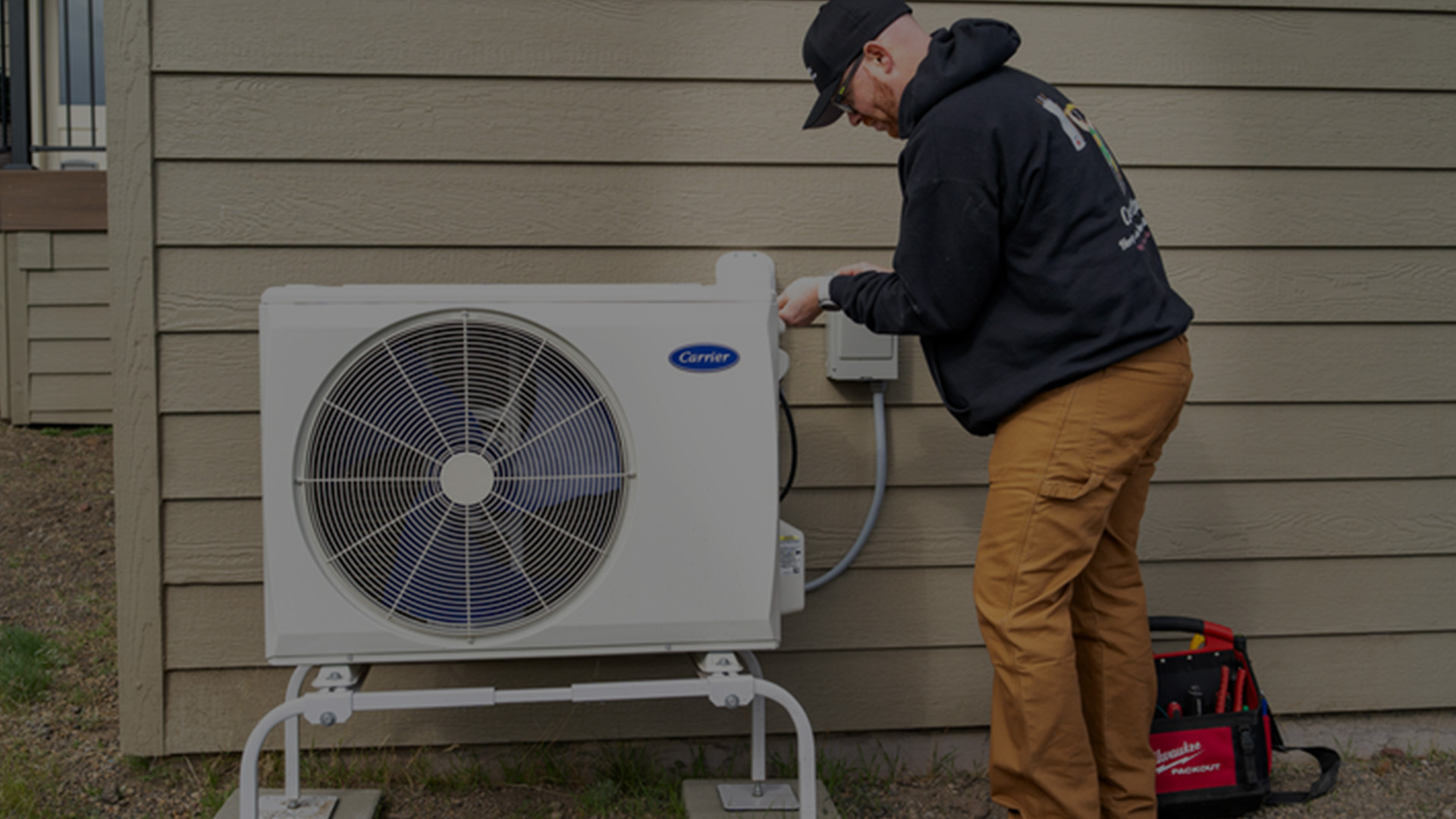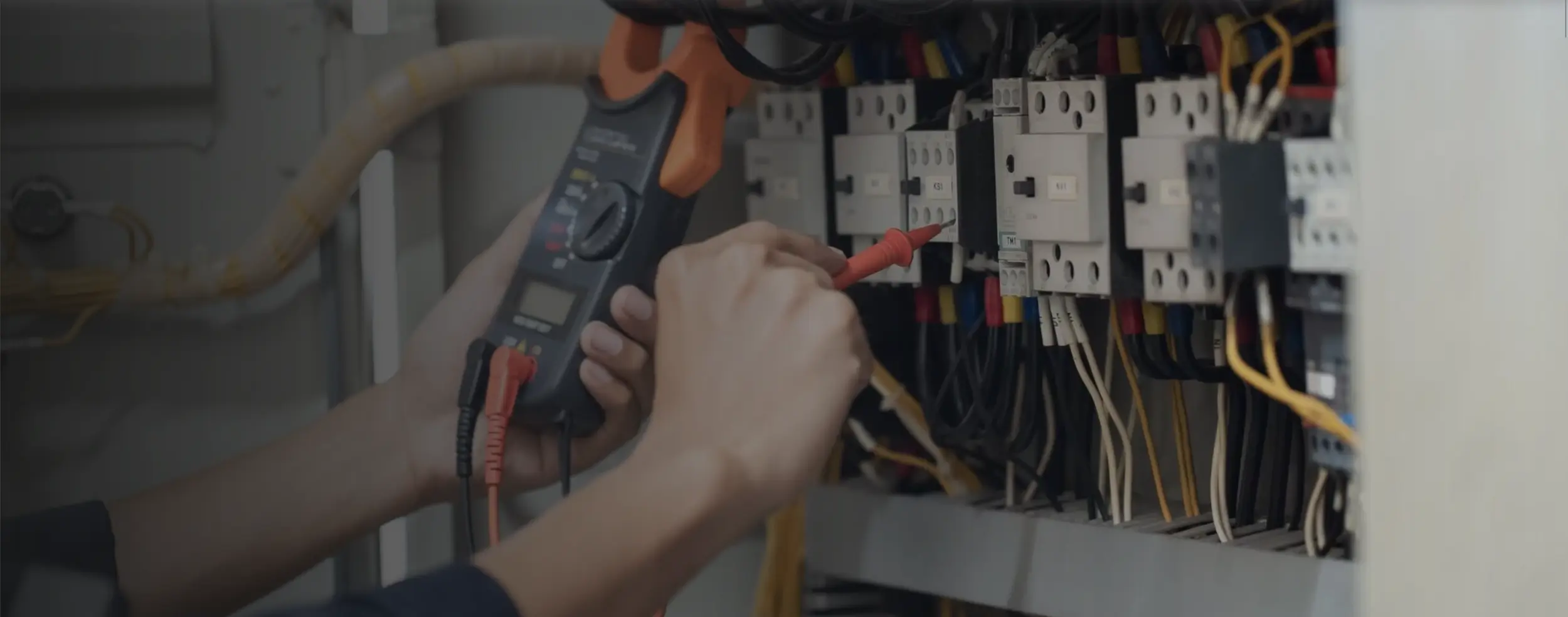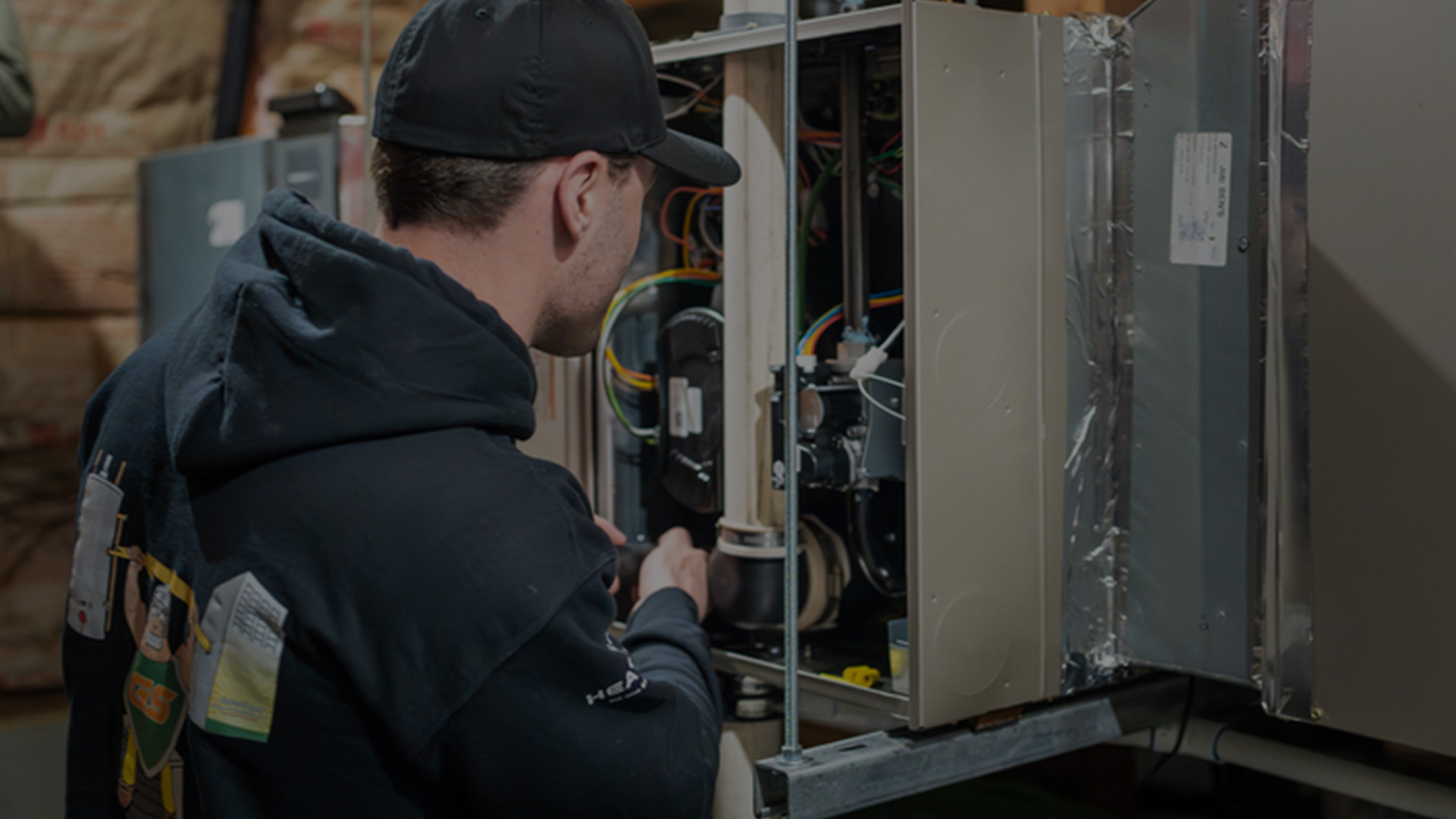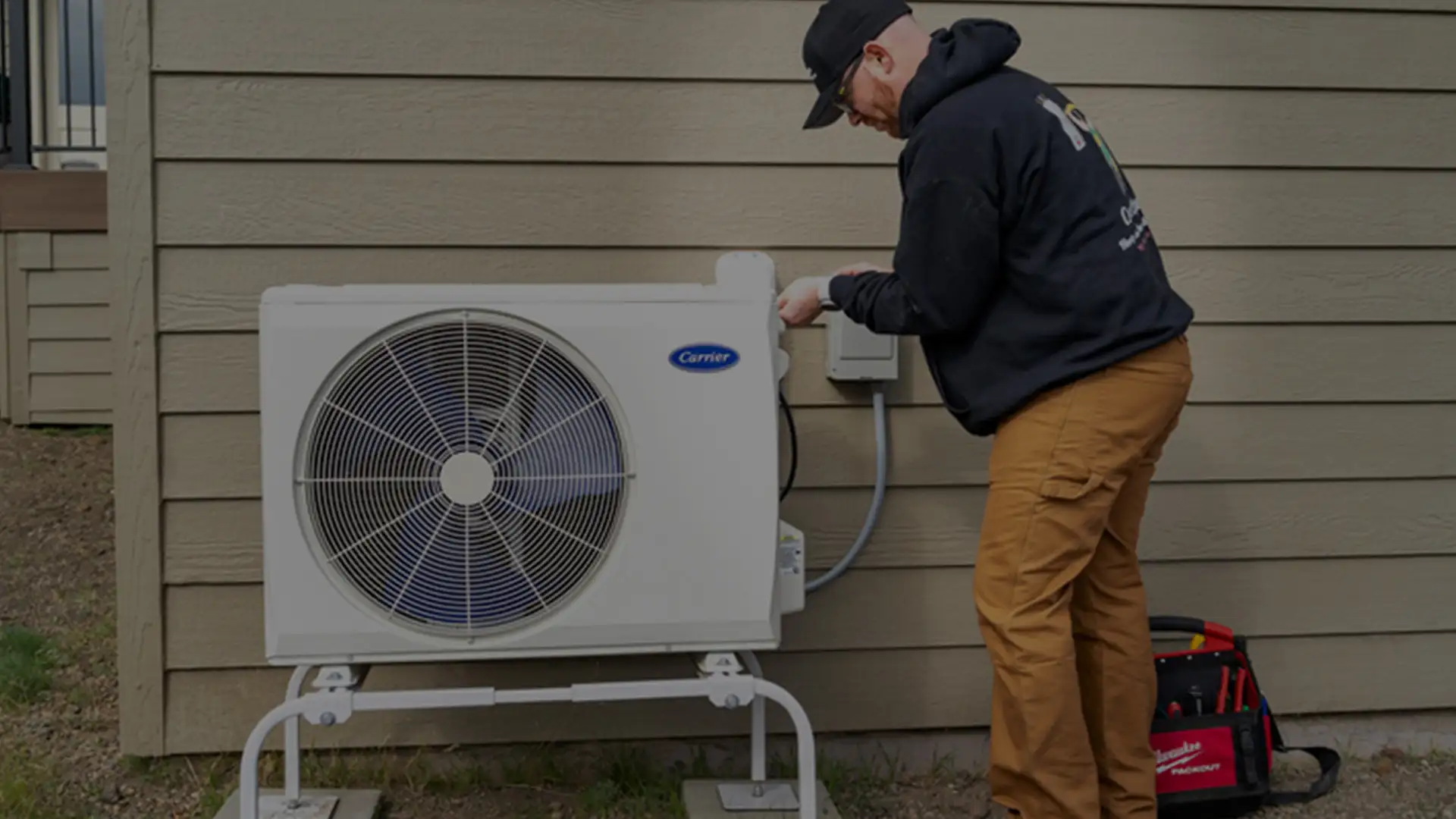
7 Signs You Need Professional Heat Pump Maintenance

You’re feeling chilly, so you switch the thermostat to a warmer temperature. While you can hear the heat pump kick on, something doesn’t feel right.

Most HVAC failures don’t just happen unexpectedly. Instead, you’ll typically notice noises, smells, and performance issues before the heat pump actually stops working. By tackling these problems while they are small, you can prevent them from causing a no-heat or no-cool situation.

To help you troubleshoot your heat pump issues, we’ll go through the main warning signs, what you can do to check for problems, and when you need to call one of our professional heating, ventilation, and air conditioning (HVAC) technicians for help.

Why Heat Pump Maintenance Matters

In Central Oregon’s cold winters and dry, sunny summers, you don’t want to be left without a functioning heating and cooling system. Because of their versatile design, heat pumps are able to function all year long. Unfortunately, this year-round functionality also means they operate longer and wear down faster than HVAC systems that only run seasonally.

By investing in routine maintenance, you can enjoy the following benefits.

  • Better energy efficiency
  • Lower utility bills
  • Consistent comfort levels
  • Increased system longevity
  • Fewer emergency repairs

Through maintenance, you can do more than just keep your unit limping along. You can ensure it is running as smoothly as possible, ensuring your family’s year-round comfort.

The 7 Signs You Need Professional Heat Pump Maintenance

If you notice any of the following seven symptoms, it is time to schedule services from professional heat pump contractors near you.

Your System Is Running Nonstop or Short Cycling

While heat pumps may run for long periods of time in extreme weather, nonstop operation is a sign of concern if it barely changes your indoor temperature. Similarly, you should call for help if your unit repeatedly turns on and off.

This symptom can occur if there are airflow issues, dirty coils, or problems with your thermostat. In addition, you may encounter these problems if your system’s performance has dropped for some reason.

To troubleshoot these issues, start by checking your air filter and making sure your supply vents are open. If these tips don’t impact your unit’s short cycling or nonstop cycles, schedule an inspection.

Your Energy Bill Jumps Without a Clear Reason

When your energy bill skyrockets for no obvious reason, your HVAC equipment may be malfunctioning. Dirt buildup, worn components, and airflow issues can make your heat pump work harder to reach the same temperature level.

To troubleshoot, try clearing debris away from your outdoor unit. If you haven’t replaced the filter for a while, this is a good time to change it out. Afterward, you can monitor your energy bills and schedule repairs if your bills remain high for multiple cycles.

Weak Airflow or Uneven Temperatures From Room to Room

Unusual hot spots in different rooms and weak airflow may be due to multiple causes. Other than dirty air filters, this can happen because of blower problems, dirty coils, duct leaks, and poorly balanced dampers.

To remedy the weak airflow and uneven temperatures, check for blocked vents and move furniture away from the vents. Then, make sure your filter is accurately sized and installed properly. If these solutions don’t fix the problem, book an appointment with Central Oregon Heating, Cooling, Plumbing & Electrical.

Strange Noises You Didn’t Hear Before

Buzzing, grinding, clicking, rattling, humming, and squealing noises can be due to a range of malfunctions.

  • Loose parts
  • Airflow-related problems
  • Worn bearings
  • Electrical malfunctions

You can try to fix the problem by removing any ice chunks or sticks that are around the outdoor unit. If the noise continues or becomes louder, schedule repairs. Additionally, you should get help if you notice performance problems at the same time.

Odd Smells When the Heat Pump Turns On

Sometimes, you may notice a sharp electrical odor, damp smells, or musty scents when you switch on your unit. These can be due to electrical issues, moisture accumulation, bacteria growth, or a clogged condensate drain line.

You can try to resolve this problem by replacing the air filter. However, if the smell persists, returns daily, or smells like something is burning, you should call for help right away.

It’s also worth noting that a dusty smell is normal if you are just turning on your heat pump on the first day of the season. After you initially switch it on, the smell should fade and not return.

Ice Buildup on the Outdoor Unit or Frequent Defrost Problems

If your heat pump requires professional maintenance and repairs, you may notice thick ice on the outdoor unit or frost that persists despite repeated attempts to remove it. During cold snaps, your heat pump may struggle to function at its best.

This may mean that something is wrong with your system’s defrost cycle, or there could be drainage problems. Additionally, poor airflow could cause this issue. At the very least, ice buildup and inadequate defrost cycles are a sign that your system needs an intensive inspection.

You can try to boost airflow by cleaning around your outdoor unit. However, you should never try to use tools to chip the ice off. If your unit is encased or the ice keeps returning, reach out for professional help right away. Similarly, you should immediately call for help if your heating performance level drops.

Water Pooling, Dripping, or Moisture Where It Shouldn’t Be

If there is water or moisture where it shouldn’t be, you may notice water stains, puddles, or damp odors. There may also be water dripping from your condensate drain line.

Excess moisture often occurs if the condensate drain line is clogged and water is backing up. Additionally, dirty coils may lead to moisture if they cause the coils to freeze. Any time there are drainage complications, it can cause water damage.

To troubleshoot, look for obvious blockages in your condensate drain line. However, you should not take any of your heat pump panels apart. If you can’t resolve the issue and there’s active leaking, water damage, or repeated pooling, schedule an HVAC appointment.

Quick DIY Checks That Are Safe (and Actually Helpful)

While some heat malfunctions should be left to the experts, you can perform certain repair and maintenance tasks on your own. If your heat pump isn’t functioning at its best, troubleshoot using the following steps.

  • Replace Air Filter: Air filters should generally be cleaned or replaced every 30 to 90 days. Make sure that your unit is using the right size.
  • Clear Debris: To give the outdoor unit breathing room, clear away any debris that has built up around the unit.
  • Open Vents: For proper airflow, your vents need to be open and unobstructed.
  • Adjust Thermostats: Make sure your thermostat mode, schedule, and temperature are set properly.
  • Reset Breakers: If your breaker trips once, you can reset it. However, you should never repeatedly reset the same breaker because it means that there is an underlying electrical problem that needs to be addressed.

When It’s Not “Maintenance” Anymore

Call for help immediately if you notice the following signs. These are indications that you need emergency repairs.

  • Fire Hazards: Burning smells, smoke, and visible sparks are a major fire risk.
  • Repeatedly Tripped Breaker: If your breaker keeps tripping when your heat pump starts up, it represents an electrical hazard.
  • Loud Noises: A loud grinding noise or metal-on-metal sound is a sign you should turn off your heat pump and call for help.
  • No Heat or No Cooling: If we’re experiencing freezing temperatures or sweltering heat waves, you should call immediately if you don’t have heating or cooling options available.
  • Serious Water Leaks: If you have water leaking out fast or water damage, immediately reach out to our team.

What Professional Heat Pump Maintenance Typically Includes

During our routine maintenance, we’ll perform the following tasks. Whenever possible, we prioritize repairing malfunctions over replacements.

  • Comprehensive inspection to maximize your safety and performance
  • Full cleaning for optimized airflow and efficiency
  • Electrical checks and tightening connections
  • Heating and cooling tests to ensure smooth operation
  • Refrigerant tests to verify refrigerant levels
  • Drain and moisture management checks

How Often Should You Schedule Heat Pump Maintenance?

In general, most heat pumps function well if they have at least one maintenance check per year. If you have allergies, pets, or an old system, you may need to schedule two inspections per year. We generally recommend timing your cooling inspection in the spring before the first heat wave arrives. Then, the second inspection can occur in the fall before the main heating season begins.

FAQs

To help with your heat pump maintenance, we’ve compiled a list of the most common heat pump maintenance questions that we hear.

Is it normal for my heat pump to run all the time?

Yes, it is often normal for heat pumps to run almost constantly in the extreme cold. Because they don’t heat the air to the same high temperature that furnaces do, they run for longer to achieve the same temperature level.

However, there are instances where this could indicate a problem. If your heat pump is genuinely running nonstop, it may be time to schedule a heat pump maintenance appointment. Similarly, call for help if your heat pump is running all the time and is still unable to maintain your indoor temperature.

Why is my heat pump blowing cool air in heating mode?

There are a few common reasons why your heat pump might blow cold air while it is in heat mode. If it is cold enough out, the heat pump may switch to defrost mode to melt ice that is on the outdoor unit. Alternatively, a clogged air filter, bad wiring, or a stuck reversing valve could be causing this issue.

You can troubleshoot by replacing the filter. Then, check the thermostat to see if it is set to the right mode and temperature. If these troubleshooting tips don’t work, you need to reach out for professional HVAC maintenance.

Can a dirty filter really cause bigger problems?

Absolutely. It can immediately lead to indoor air quality issues and poor energy efficiency. Over the long run, a dirty air filter increases wear on your unit and leads to more frequent breakdowns. For instance, it can cause faulty blower motors and frozen evaporator coils.

What causes ice buildup on a heat pump?

It depends on where the ice buildup occurs. If it is on your evaporator coils, it may be due to low refrigerant, dirty evaporator coils, or other issues that are causing your unit to transfer heat inefficiently. In extreme weather, outdoor units can experience ice buildup. This is especially common if the defrost cycle is malfunctioning and can’t melt the accumulated ice. Finally, airflow-related issues, like debris, blocked vents, and blower motor issues, can increase the likelihood that your unit freezes.

How do I know if it’s a thermostat issue or the heat pump itself?

Troubleshoot by checking to see if the thermostat is in the correct mode, changing the thermostat batteries, and changing the temperature. If these steps don’t work and you have other unusual HVAC symptoms, there is likely an issue with the heat pump.

Is professional maintenance different from a repair call?

Yes, it is. When we show up for a maintenance appointment, we clean and inspect the unit. We also lubricate moving parts and test the heat pump’s performance. During a heat pump repair call, we’re primarily focused on diagnosing and solving the reason you called. Additionally, heat pump maintenance is a preventative tool that is far more convenient and affordable than performing emergency repairs.

Will maintenance lower my energy bill?

Performing routine maintenance can improve your unit’s energy efficiency and reduce your energy bill. Because it decreases the strain on your system, maintenance can also lower your repair and replacement costs as well.

What should I do if my breaker trips when the heat pump turns on?

You should immediately turn off your heat pump and call an HVAC technician right away. Breakers trip to protect your home’s electrical wiring and appliances from damage, so you need a professional to determine the underlying cause.

Schedule Your Next Maintenance Appointment

Minor heat pump symptoms of a problem are early warnings. By being proactive about addressing these issues, you can prevent major repairs from becoming necessary.

As soon as you notice a minor problem, it’s time to schedule your next heat pump maintenance before temperatures swing again. Give us a call at 541-227-6258.

Electrician testing a newly upgraded electrical panel in Bend home.

Panel Health Check Before Heater Season

When temperatures start to fall in Central Oregon, you need the heat to kick on right away. Heat pumps, furnaces, and electric heaters all rely on consistent power in order to function. If your heater short-cycles, shuts off, trips breakers, or isn’t functioning optimally, it may be time to inspect the health of your panel.

To help you get started, we’ve compiled the most important red flags you should watch out for and essential DIY safety checks.

What “Panel Health” Means and Why It Matters for Heater Season

An electrical panel is where all of your home’s circuits are protected and controlled. Each one has a circuit breaker that flips if the circuit is overloaded.

In the winter, your panel’s health is especially important because heaters run longer and draw additional power. You may also be using holiday lights, humidifiers, space heaters, and other electrical devices. If the breaker is weak or there is a loose connection, it can lead to problems.

By making sure your system functions at its best, you can avoid unexpected heater failures and save money on your energy costs. Pre-season checks can help you prevent unexpected breakdowns and improve the efficiency of your electrical systems.

Quick Warning Signs Your Electrical Panel May Not Be Ready

If you notice any of the following warning signs, your electrical panel may need maintenance and repairs before the coldest months of winter arrive.

  • Your breaker trips whenever you switch the heater on.
  • The electrical panel is warm to the touch.
  • Your lights dim or flicker when HVAC equipment turns on.
  • Often, you use extension cords or power strips to run seasonal devices, like space heaters.
  • You hear a buzzing or crackling noise near the panel.
  • You noticed rust, water stains, or moisture around the panel.

Important Safety Note: Any buzzing noises, burning smells, repeated breaker trips, or heat are signs that something dangerous could be going on. Immediately stop what you are doing and call a professional for a full inspection.

DIY Panel Health Check

As a homeowner, there are a few DIY steps you can take to protect your panel’s health.

Step 1: Make Sure the Panel Area Is Safe and Accessible

First, clear storage items and clutter away from your panel to ensure easy access. The area should be kept dry and well-lit.

Step 2: Look, Listen, and Smell Only

Look for obvious indications of moisture or corrosion. Pay attention to any burning odors. You should also be alert for buzzing or humming noises.

Step 3: Check for Tripped Breakers and Reset the Right Way

If there is a tripped breaker, make sure it is flipped completely off. Then, you can turn it back on. Hopefully, it will function like normal. If it immediately trips again, it means that there is an underlying electrical problem that needs to be dealt with by a professional electrician.

Step 4: Label the Panel

In the future, you’ll appreciate having a fully labeled panel if there is an emergency in the middle of a cold night. If you know which circuits connect to your thermostat, air handler, heater, and heat pump, label them now.

Step 5: Do a “First Heat” Test Run Before You Need the Heat

Before you need to use the heat each day, conduct a 10- to 15-minute test run. Pay attention to any flickering, unusual noises, or tripped breakers.

Important Safety Note: For homes that have electric heaters, the same fuse blowing or breaker tripping is a sign to call for electrical repairs right away.

What Not to Do

If your electrical panel malfunctions, don’t panic. You don’t want to unintentionally turn a small issue into a major disaster.

When your panel isn’t working properly, remember the following tips.

  • Do not remove the panel cover.
  • Do not ignore frequently tripped breakers or blown fuses.
  • Do not “oversize” the breaker. This stops the breaker’s safety feature. Rather than trip, it will let electricity continue flowing and melt the wires.
  • Do not keep resetting the breaker if it continues to trip.

Remember: Breaker trips are a safety feature, not an annoyance. Tripped breakers happen to protect against electrical overloads and short circuits.

Common Heater-Season Electrical Problems and What They Can Mean

A few common issues can lead to panel malfunctions.

  • Breaker Trips After the Heater Starts: This can be due to loose connections, short circuits, a faulty motor, a strained system, or a failing capacitor.
  • Breaker Trips After the Heater Runs for a While: This can occur due to the motor pulling too much power or an overheating component. It can also happen if there is a wiring issue.
  • The Thermostat Is Working, but the System Won’t Start: You may experience this issue if there is a control issue, a faulty component, or a tripped breaker.

What a Professional Panel Health Check Includes

A professional health check involves a full inspection of the following components.

  • Connection points
  • Breaker condition
  • Breaker and circuit sizing
  • Grounding and bonding
  • Accurate load size
  • Adjustments for newly installed appliances

With a preseason tune-up, you can get electrical connections examined before they lead to a system failure.

When a Panel Repair or Upgrade Makes Sense Before Winter

If you’re adding a new heat pump, furnace, or electrical appliance, you should consider upgrading your electrical panel. You’ll also need an upgrade if you’re out of breaker spaces, experience frequent breaker trips, or need to install a standby generator.

Don’t Forget the Rest of Your Heater-Season Safety Checklist

As a homeowner in Bend and Redmond, you can support your whole-home comfort through a few safety and maintenance tips.

  • Change your HVAC filter every 30 to 90 days.
  • Test your thermostat regularly.
  • Check to see if your vents are open and unobstructed.
  • Test your carbon monoxide detector.

FAQs

Why does my breaker trip when the heater turns on?

There may be an overloaded circuit, a short circuit, loose wiring, or similar issues causing the tripped breaker.

Is it safe to keep resetting a tripped breaker?

No, it isn’t. Repeatedly tripped breakers are signs of an underlying electrical problem that must be addressed to ensure the safety of your home, family, and electrical systems.

Can my electrical panel affect furnace or heat pump performance?

Absolutely. Especially in older homes, an older panel may limit your heat pump or furnace’s ability to draw enough power to function safely and efficiently.

How early should I schedule a panel inspection before winter?

We recommend scheduling it in the late summer or early fall so that it is complete before wintertime begins.

Do I need a panel upgrade for a heat pump or electric heating?

If you are installing a newer or larger heating system, you may need to get a panel upgrade. One of our electricians can inspect your existing panel to determine if you’ll need a larger load capacity.

What are the signs of an electrical emergency?

Buzzing noises, burning smells, flickering lights, smoke, electrical shocks, and repeatedly tripped breakers are a sign that something major is wrong with your electrical systems.

Should I get a heater tune-up and panel check at the same time?

You don’t have to get them done at the same time, but it is often easier to do these appointments together. This appointment is also a good chance to talk to the technician about any concerns or future upgrades.

Schedule Your Next Panel Inspection

A panel health check is a simple way to ensure your home is warm and safe all winter. By doing your safe DIY checks now, you can ensure you’re ready before the first freezing stretch hits.

Schedule your next service in Bend and Redmond.

Technician servicing a furnace in Bend home.

Gas Furnace vs. Electric Furnace: Which Is Right for Your Central Oregon Home?

As cold weather starts to creep into Central Oregon, it’s essential to make sure your home is prepared. In our local climate, gas and electric are both effective furnace options. With the help of the experienced heating, ventilation, and air conditioning (HVAC) technicians at Central Oregon Heating, Cooling, Plumbing & Electrical, you can decide between gas furnaces vs. electric furnaces and make sure your home is ready for freezing temperatures.

Choosing Between a Gas and Electric Furnace for Your Central Oregon Home?

Before we dive into whether you should get a gas vs. electric furnace in Bend, let’s look at the area’s unique climate and a heating system comparison.

Understanding the Central Oregon Heating Needs

In Central Oregon, we have a semi-arid, high desert climate. Winters can get cold and involve several feet of snow. Before and after wintertime, we have shoulder seasons that are fairly moderate.

Because it gets so cold in the winter, it’s vital to have efficient, reliable heating options. Besides improving your comfort, choosing the right furnace installation in Redmond and Bend will determine how much your family spends on monthly energy costs.

Overview of Gas and Electric Furnaces

First, let’s take a closer look at gas furnaces vs. electric furnaces.

How a Gas Furnace Works

Gas furnaces can run on natural gas or propane. In off-grid areas, propane is a popular option. With both fuel sources, a network of burners and heat exchangers helps to warm up the air. Then, a blower motor propels the air through ductwork and into your home.

Pros

With a gas furnace installation in Redmond and Bend, homeowners can enjoy a powerful source of heat. Gas furnaces warm up faster, so you don’t have to wait long for your home to warm up. Additionally, this option has lower long-term energy costs.

Cons

However, it’s important to remember that all gas furnaces require the installation of a gas line. Because of this, they tend to have a higher upfront cost. In addition, these furnaces involve the burning of gas, which leads to higher carbon emissions.

How an Electric Furnace Works

Electric furnaces run on electricity and use electrical resistance to warm heating elements. Then, a blower motor distributes this air throughout your home.

Pros

Unlike gas furnaces, electric furnaces have a lower upfront cost because they don’t require any gas lines. For the typical home, this means that they are easier to install. They are also cleaner to operate.

Cons

While there are many benefits to an electric furnace replacement in Redmond and Bend, there are also some important drawbacks to consider. Electricity costs are higher than gas costs, so your monthly utility bills may be higher as well. Electric furnaces also heat homes more slowly, so they aren’t the best solution for large homes.

Comparing Gas vs. Electric Furnaces: Which Performs Better?

To help you decide on the best furnace for Oregon homes, we’ve gathered a few of the key differences between a gas furnace vs. electric furnace.

Feature

Gas Furnace

Electric Furnace

Upfront Cost

Higher

Lower

Operating Cost (Oregon)

Lower (gas is generally cheaper than electricity)

Higher

Maintenance Needs

Annual safety checks

Minimal maintenance

Energy Efficiency

80% or higher AFUE

95 to 100% efficient (but higher cost per kWh)

Lifespan

15 to 20 years

20 to 30 years

Environmental Impact

Emits carbon monoxide

Cleaner, but the eco-friendly level depends on how the grid produces electricity.

Best For

Larger homes, cold winters

Smaller homes, mild use, or no gas access

Factors To Consider Before Choosing a Furnace

From finding the most energy-efficient furnaces to the lower upfront costs, consider the following factors as you decide between different types of furnace installations in Bend and Redmond.

  • Home Size and Insulation: Larger homes or homes with poor insulation may require a gas furnace’s added performance and power.
  • Energy Costs in Central Oregon: In Oregon, the average annual natural gas cost is $787. Meanwhile, electricity costs an average of $1,290.
  • Installation Requirements: Gas furnaces require gas line access, which can increase the upfront costs. It’s also important to note that both furnace types require ductwork.
  • Environmental Goals: If you are concerned about carbon emissions, electricity may be a better option. However, you should also see how the electricity is generated in your area. Coal and gas plants release carbon emissions, so an electric furnace isn’t always as eco-friendly as it appears.
  • Upfront vs. Long-Term Costs: Typically, gas furnaces cost more upfront, but they have lower long-term costs.

Our experienced HVAC technicians can evaluate your home and help you decide on the best furnace for your comfort and budget. Schedule a consultation today.

Professional Furnace Installation and Replacement in Central Oregon

At Central Oregon Heating, Cooling, Plumbing & Electrical, we have more than 30 years of experience in the industry. Our licensed technicians are trusted experts who understand the needs of the Bend and Redmond area.

Once you’ve found the best furnace for Oregon homes, we can help you keep it in working order through our convenient maintenance program and emergency repair options. When a disaster strikes unexpectedly, our financing options can help you fit repairs and replacements into your budget.

Get a free furnace estimate today.

FAQs About Gas and Electric Furnaces

Over the years, we’ve fielded a few common questions about gas vs. electric furnaces in Redmond and Bend.

Which type of furnace is more energy-efficient?

Gas furnaces tend to produce more heat with less fuel.

Electric furnaces offer outstanding heating efficiency by converting electricity directly into heat, providing reliable performance, consistent comfort, and reduced energy waste. No matter what furnace type you use, the most effective approach is to look for an ENERGY STAR logo.

Do electric furnaces work well in cold climates like Bend & Redmond?

Absolutely. While gas furnaces are loved for their warmth and high performance, electric furnaces are also capable of excellent performance in cold weather. To ensure the best results, you need to make sure your furnace is properly sized for your home. With the help of our HVAC contractors in Bend, you can learn more about the best options for your family.

How long does a gas furnace last?

When calculating a gas furnace’s cost, it’s important to consider repairs, operating expenses, and replacement costs. A typical gas furnace will last between 15 and 20 years. To achieve the best longevity possible, make sure to schedule annual maintenance inspections.

Is switching from electric to gas worth it?

It all depends on your goals. In a cold climate, a gas furnace provides a high level of performance and a low operating cost. However, switching to gas involves the installation of new wiring and gas lines. To decide if a gas furnace replacement in Bend is worth the cost for your family, reach out for a professional evaluation today.

Making the Right Choice for Your Home

If you’re struggling to decide on the best furnace for Oregon homes, we can help. We can review energy-efficient furnaces, cost comparisons, benefits, and potential drawbacks. Ultimately, the right choice depends on your home, budget, and personal priorities.

Contact us today to get a personal recommendation about gas furnaces vs. electric furnaces in Redmond, Bend, and beyond.

Technician servicing a heat pump in Central Oregon home.

How a Heat Pump Works and Why It’s a Smart Choice for Oregon Winters and Summers

Tired of high energy bills? Upgrade to a heat pump for an all-in-one heating and cooling solution that can help lower your monthly energy costs while keeping your home comfortable year-round.

In Oregon’s mild climate, a heat pump’s heating and cooling are especially effective. To see if you’re ready to make the switch, learn more about how a heat pump works, the benefits, and installation requirements.

How a Heat Pump Works

Unlike a furnace, a heat pump doesn’t create heat. How a heat pump works is by moving heat from one area to another. It relies on refrigerant lines, like an air conditioner, to absorb and transfer heat. In essence, it’s like a two-way air conditioner. Heat pumps can transfer heat indoors in the winter and outdoors during the summer, ensuring a high level of year-round performance and comfort.

Why Heat Pumps Are Perfect for Oregon

Oregon is known for having a fairly moderate climate. This makes it ideal for heat pumps. While modern, cold-rated heat pumps can operate in extremely frigid temperatures, they are more energy efficient in moderate climates. During Oregon’s cold winters and mild summers, your heat pump can help you stay comfortable.

When you get a heat pump service in Bend, you can choose to have zoned or ductless heat pumps. This type of heat pump technology, known as a ductless mini-split, is ideal for homes without existing ductwork. For maximum savings, you can also pair heat pumps and ductless mini-splits with solar power.

Key Benefits of Installing a Heat Pump

As a homeowner, there are a few heat pump benefits you can take advantage of. From energy-efficient home heating to quiet operation, the following are some of the most popular advantages of getting a heat pump installed.

  • Energy Efficiency: Heat pumps are incredibly energy efficient, so you can reduce the amount you spend on your energy bills throughout the year.
  • Eco-Friendly: Because they use less energy, heat pumps are also known for being incredibly environmentally friendly. 
  • Dual Functionality: With a heat pump, you only need to have one heating, ventilation, and air conditioning (HVAC) unit installed in your home.
  • Quiet Operation and Comfort Control: For quiet comfort, heat pumps are one of the best HVAC options available.
  • Rebates and Incentives: Investing in a heat pump can also help you save money. Oregon offers incentives for energy-efficient heat pumps. There is also a federal tax credit available as well.

Common Heat Pump Misconceptions 

When it comes to heat pump efficiency, installation, and benefits, there are a few common misconceptions that we often hear. We’ll address some of the most common ones below.

Myth: “They don’t work in cold weather.” 

Thirty years ago, heat pumps may have struggled in extremely cold temperatures. Today, that’s simply no longer the case. Modern heat pumps are designed to work in extremely cold conditions, so they easily match the performance needs of Oregon homeowners.

Myth: “They’re expensive to install.” 

While a heat pump installation in Oregon may cost a little more upfront, you can quickly recuperate those costs. The federal government, Oregon, municipalities, and utility providers often provide rebates for installing heat pumps. Additionally, these units save you a significant amount of money on energy costs over the long run.

Myth: “They’re only for mild climates.”

Thanks to modern advances in technology, heat pumps are effective in cold climates as well. Many heat pumps work just as well at 5°F as they do at 47°F.

While it seems counterintuitive, there is actually a lot of heat in the air at low temperatures. Any time the temperature is above absolute zero (-459.67 °F), it is because there is some amount of heat present. While the temperature at 5°F may feel cold to your skin, there is still heat present. Because of this, a heat pump’s heating and cooling systems can still work effectively at a broad range of temperatures.

When To Consider a Heat Pump Upgrade 

Are you looking for licensed heat pump contractors near you in Redmond or Bend? When it comes to an HVAC upgrade in Oregon, a heat pump is an excellent option in the following situations.

  • Your existing HVAC system is already 10 years old or older.
  • You want to switch from electric or propane heat to something else.
  • You want better energy efficiency and lower energy costs.

With heat pump heating and cooling, you can enjoy a long-lasting HVAC unit and a better level of energy efficiency. Whether you’re considering electric heat vs. a heat pump or just need an upgrade, our team of experienced HVAC technicians can help you determine the best option for your family’s needs.

Why Choose Central Oregon Heating, Cooling, Plumbing & Electrical

At Central Oregon Heating, Cooling, Plumbing & Electrical, we have worked in the local region since 1993. Thanks to our extensive experience, we understand the type of heat pump service Bend and Redmond residents need. Local residents turn to us for a few important reasons.

  • Certified Technicians: It has taken 30 years to build our reputation in the industry. Because of this, we don’t just hire anyone. We carefully vet each of our certified heat pump installers and repair technicians, so you can be confident about the quality of our services.
  • Local Expertise: We are a local company, so we understand Oregon’s unique climate. As a result, we can deliver exceptional results with every repair and installation project.
  • 24/7 Services: At Central Oregon Heating, Cooling, Plumbing & Electrical, we understand that HVAC equipment doesn’t break down on a convenient 9-to-5 schedule. That’s why we offer 24/7 emergency services. When a heating system breaks down at midnight, we’re here to help.
  • Convenient Financing: Most people don’t have a line item in their budget for unexpected HVAC repairs and installations. To make budgeting for a new heat pump as easy as possible, we offer multiple financing options.
  • Free Estimates: Our goal is to make sure homeowners understand each part of the installation process. As a part of that mission, we provide a free estimate that covers all of the services that will be performed. 

Schedule Your Heat Pump Installation in Oregon

Once you know how a heat pump works and the many heat pump benefits, the next step is deciding if this HVAC unit is right for your home. Our technicians can evaluate your existing setup to determine the best system for your needs. We can walk you through the installation process, discuss a heat pump’s efficiency benefits, and review available rebates. 

Schedule your heat pump consultation by giving us a call today!

HVAC technician servicing a heating system in Central Oregon.

Complete Home Heating Guide for Central Oregon: What to Know Before You Buy or Service Your System

In Bend’s dry, cold climate, wintertime lows can regularly hit 20°F. When frigid temperatures arrive, you can’t afford to be left shivering in the cold. With the right heating services in Bend, you can determine the best heating system for your needs. At Central Oregon Heating, Cooling, Plumbing & Electrical, we can help with all types of ductless heating, furnace, and heat pump installations in Redmond and Bend.

To help you prepare for the coldest months of the year, we’ve compiled a full guide to the local climate, top heating options, and convenient heating services. For more information about our top-rated heating, ventilation, and air conditioning (HVAC) services, give our team a call today!

Why Heating Matters in Central Oregon’s Climate

Thanks to the area’s unique climate, it’s essential to invest in a reliable, energy-efficient heating system.

Cold, Dry Winters

Bend gets around 33 inches of snow per year, making it a popular destination for skiers. However, the total annual precipitation is generally less than 12 inches, which is quite common in Central Oregon’s semi-arid climate. In neighboring Redmond, residents have an average of 300 days of sunshine per year.

While the rest of Oregon tends to have fairly mild winters, Central Oregon has a high desert climate. Because of the low temperatures, many homeowners enjoy having powerful furnaces to stay warm during the coldest nights of the year. Modern, cold-rated heat pumps are also able to function at incredibly cold temperatures, combining energy efficiency and performance. Some homeowners opt for hybrid systems that combine the powerful performance of furnaces with the energy efficiency of heat pumps.

Sudden Temperature Drops

While daytime temperatures are higher, nighttime temperatures can drop significantly. When the weather turns cold, it’s essential to have a well-maintained heat pump or furnace installation in Redmond and Bend.

Maintenance and Performance Needs in Central Oregon

No matter what the weather is like, it’s essential to pick the right system sizing and energy efficiency for your home. An undersized system can quickly wear out because it has to stay on longer to deliver the same level of heat. Meanwhile, overly large home heating systems in Bend can experience short cycling because they reach the appropriate temperature too quickly.

Our HVAC technicians can evaluate your existing furnace installation or heat pump installation in Bend. Then, we can recommend the best size and energy efficiency for your home so that you can enjoy the maximum performance level possible.

After your new installation is complete, we recommend scheduling heat pump maintenance and furnace maintenance at least once a year. Through routine heating tune-ups, you can ensure the best level of energy efficiency and avoid inconvenient breakdowns during the coldest days of the year.

Types of Home Heating Systems: Which One Is Right for You

Whether you want a furnace replacement or need a new furnace installation in Redmond, our team of HVAC technicians can help. We’ll review the different types of energy-efficient heating options and when each type makes the most sense. Then, we will also check out some of the benefits and drawbacks of each heating system.

Furnaces: The Most Common Heating Option

If you’re considering a furnace replacement, we can help. Our team can assist with all types of gas and electric furnaces.

A gas furnace is designed to burn gas to heat the air. Gas furnaces boast low operational costs and a powerful source of heat. Because of the installation costs involved, they are generally a better option for homes that already have existing gas lines.

Meanwhile, electric furnaces don’t require any gas lines. Besides being easy to install, they also involve low maintenance and repair requirements.

Both types of furnaces will generally need to be replaced after they reach 15 years old. If you start noticing more costly repairs, inexplicably high electricity costs, odd noises, and uneven performance, it may be time for a furnace replacement.

Learn more about our furnace services today.

Heat Pumps: Efficient Year-Round Comfort

A heat pump is one of the best home heating systems in Bend. Thanks to Oregon’s moderate climate, heat pumps are able to provide a high level of energy efficiency and exceptional cost savings. Because they require less energy, they are also known for being an eco-friendly heating option.

A heat pump uses refrigerant to absorb and transfer heat. In the winter, they bring outdoor heat inside your home. Then, they reverse the heat transfer process to ensure a cool, comfortable home all summer.

Typically, you can expect your heat pump to last at least 10 to 15 years. With consistent heat pump repairs and maintenance, you can ensure your heat pump lasts as long as possible.

Explore your heat pump installation options.

Ductless Mini-Splits: Flexible Heating for Any Space

With ductless heating systems in Oregon, you can enjoy having personalized heating options for each zone in your home. These units use heat pump technology to deliver heat to your home all winter. Thanks to this technology, ductless mini-splits are known for being incredibly energy efficient as well.

A ductless system is ideal for homes that don’t have any existing ductwork. They’re also an effective option if you need to heat an addition, such as a home office or mother-in-law suite.

Because they don’t require any ductwork, these systems are incredibly easy to install. The zoned design is also effective if each family member has different heating preferences. Whether you need a residential installation or commercial heating options, ductless heating systems in Oregon are a convenient, energy-efficient choice.

Discover ductless options today.

Professional Heating Services We Offer in Central Oregon

Whether you need help with furnace repair in Bend or heating system maintenance, our team of dedicated HVAC professionals is here to help. We have served the Central Oregon area since 1993 with leading heating tune-ups, repairs, installations, and replacements.

Heating System Installation

For the best results, you need the right home heating systems in Bend. When you reach out to our technicians, we’ll quickly schedule an initial consultation. During this visit, we will evaluate your existing setup to determine the most effective replacement options. Whether you want a fireplace installation, a state-of-the-art heat pump, or a furnace replacement, we can help.

When investing in a new furnace or heat pump system in Oregon, it pays to work with a professional contractor. A proper installation ensures your new system works as efficiently and effectively as possible. Besides preventing potential repairs, getting a professional installation also protects the warranty on your unit.

Getting a new furnace or heat pump installation in Redmond is rarely something families budget for. When your existing heating system suddenly fails, our team offers convenient financing options so that your family isn’t left freezing.

Heating Repair Services

Whether you need an emergency heat pump repair or furnace repair in Bend, our technicians are only a phone call away. As soon as you notice any of the following issues, reach out to an HVAC contractor in Bend, OR, right away.

  • Unusual sounds
  • High energy bills
  • Weird odors
  • Excessive dust
  • Poor performance
  • Hot and cold spots in different areas
  • Frequent cycling
  • Poor airflow

At Central Oregon Heating, Cooling, Plumbing & Electrical, we offer 24/7 emergency services. When temperatures start to fall, you can’t afford to wait hours or days for heating services in Redmond and Bend. Through fast, timely services, you can avoid total HVAC failure and prevent more costly repairs in the future. More importantly, you can ensure the warmth and comfort of your loved ones.

Heating System Replacement

Whether you need help with geothermal services, an electric wall heater, or a heat pump replacement, our team can help. If your unit is over 10 years old or requires frequent repairs, it may be time for a replacement. Additionally, unusually high energy bills are often the first sign that a heating system is starting to fail.

By upgrading to a more modern heating system, you can reduce the amount you spend on your utility bills each month. Besides offering a better level of performance and comfort, new home heating systems in Bend can also be less noisy.

Schedule your heating replacement consultation today.

Heating Maintenance & Tune-Ups

By scheduling your annual maintenance check, you can spot minor issues before they lead to major performance and safety problems. We recommend scheduling your heating maintenance tune-up each fall before the weather starts to cool. You can support the health and longevity of your unit through consistent filter changes. If you notice potential signs of a problem, you can contact one of our HVAC contractors in Bend, OR, right away to get the problem diagnosed.

Book your seasonal heating maintenance in Bend or Redmond.

How To Choose the Right Heating Contractor Near You

If you’re reviewing home heating systems in Bend, there are a few things you should look for. We recommend asking a potential HVAC company the following questions before you hire them for any services.

  • Licensing: Manufacturer warranties require installations and repairs to be performed by a licensed HVAC contractor. Besides voiding the warranty, using a non-licensed technician increases the likelihood of shoddy craftsmanship, costly repairs, and safety risks.
  • BBB Accreditation: BBB accreditation demonstrates the company’s track record and professionalism. If they aren’t accredited or have numerous negative reviews, you should find someone else to work with.
  • Experience: A good company has years of experience in the local area. Central Oregon has a unique climate. The best companies understand the type of heating services and repair work needed in our specific region.
  • Local Reviews: To see what type of experience you can expect, read through the company’s reviews and testimonials. A top-rated, skilled provider will have plenty of reviews to back up the quality of their work.

At Central Oregon Heating, Cooling, Plumbing & Electrical, we strive to deliver the best quality of heating services in Redmond, Bend, and the surrounding areas. Our team has more than 30 years of experience in the local area. Thanks to our local expertise and certified technicians, we’re able to deliver high-quality results with every project. We’re so confident you’ll be happy with the quality of our results that we offer a satisfaction guarantee.

You can’t schedule emergency breakdowns, and HVAC failures rarely happen on a convenient 9-to-5 schedule. To ensure you have the heating solutions you need, we offer same-day services and 24/7 emergency repairs. When a disaster strikes, our experienced HVAC technicians are only a phone call away.

Contact our trusted heating experts today at 541-227-6258!

Heating System FAQs

To help you decide on the right heating services in Redmond and Bend, we’ve compiled some of the most important questions our customers often ask.

How often should I service my furnace?

When it comes to furnace repairs and maintenance, it pays to be proactive. We recommend getting your furnace serviced each fall before the weather turns cold. Through routine heating system maintenance, you can avoid emergency furnace breakdowns and more costly repairs. Additionally, consistent maintenance can boost the energy efficiency of your furnace, reducing the amount you have to spend on energy bills each month.

What’s the average lifespan of a heat pump?

In most cases, heat pumps will last at least 10 to 15 years before you need a new one. However, performing routine maintenance and repairs can greatly extend the lifespan of your unit. A high-quality, well-maintained model can last up to 20 to 25 years before a heat pump replacement is needed.

Can ductless systems heat an entire home?

Absolutely. It all depends on how they are designed. An individual ductless unit is intended to heat a specific zone in your home, such as your bedroom or office. If you want to heat a larger area, you’ll generally need to install multiple ductless units in your home. To find out how many zones you need to heat and plan your installation, reach out to our team today.

What’s the most energy-efficient heating option for Central Oregon?

Heat pumps are generally the most energy-efficient heating option in Central Oregon, and cold-rated units can keep you warm on the coldest nights of the year. For the best balance of performance and energy efficiency, you may also want to consider a hybrid unit. These models combine the impressive performance of a furnace with the energy efficiency of a heat pump.

Are there ways to reduce the cost of my heating installation?

When you get a heat pump installation in Bend and the neighboring areas, you can often find rebates and incentives that reduce the cost. These are typically provided by the local city, the state of Oregon, or your utility provider in exchange for getting an energy-efficient unit. Additionally, the Energy Efficient Home Improvement Credit can also help to defray your costs.

Schedule Your Heating Service With Central Oregon Heating, Cooling, Plumbing & Electrical Today

As the weather starts to grow cold, it’s important to plan ahead. A new heat pump or furnace installation in Bend can help your family stay warm during the snowiest days of the year. By being proactive, you can avoid unexpected repairs and HVAC failures.

At Central Oregon Heating, Cooling, Plumbing & Electrical, we can help with furnaces, heat pumps, and everything in between. Thanks to our Central Oregon location, we’re able to help clients throughout Bend, Redmond, and the surrounding areas. We offer a convenient membership plan, so you can enjoy complimentary tune-ups and exclusive discounts on your services.

When disaster strikes, our team is ready to help. We provide 24/7 emergency services, so your family doesn’t have to shiver in the cold. Our fully stocked trucks and highly trained technicians are immediately available as soon as a problem appears.

Learn more about our top-rated heating services in Redmond and Bend by giving us a call at 541-227-6258 today.

Plumber doing a maintenance in Central Oregon home.

How Often Should I Schedule Plumbing Maintenance for a Home in Central Oregon’s Climate?

From freezing mornings to irrigation needs, Central Oregon experiences a unique array of plumbing challenges that can strain residential systems. Additionally, the area’s older homes often have corroded pipes, failing sewer lines, leaks, and other problems. For local homeowners, the right plumbing maintenance in Redmond and Bend plays a pivotal role in preventing expensive repair and replacement costs.

To learn more about the right maintenance frequency and top plumbing tips, read on.

Why Central Oregon’s Climate & Home Types Matter for Plumbing Maintenance

We live in a high desert climate. Our cold winters increase the risk of frozen and burst pipes. Meanwhile, the region’s mineral deposits can cause buildup in pipes, water heaters, and other plumbing devices.

From older houses with original plumbing to properties with irrigation systems, local homeowners have specific plumbing needs. Our area’s unique conditions mean that maintenance must occur more frequently than it does in milder climates. Because of these conditions, arranging for a plumbing maintenance service in Central Oregon helps homeowners avoid costly repairs.

Recommended Maintenance Frequency for Homes in Central Oregon

When it comes to Bend and Redmond plumbing maintenance, we recommend getting an inspection performed twice per year. From preventing freezing pipes in the fall to blowing out irrigation pipes after summer ends, there are key tasks that need to be performed at specific points throughout the year to prevent future plumbing problems.

What Should Be Included in Each Maintenance Check

To help you keep your system working its best, we’ve compiled a homeowner’s plumbing checklist for the High Desert in Oregon.

Spring

During the spring, check your outdoor hose bibs to make sure they’ve survived the winter undamaged. You should also check your exposed pipes, irrigation systems, and outdoor plumbing components for freeze damage.

Summer

In summertime, check for irrigation leaks and problems with your outdoor fixtures. Also, pay attention to any signs of sewer line issues, such as foul odors or lush spots in your yard.

Fall

As fall rolls around, you should check to make sure your exposed pipes are insulated. Flush your water heater. Then, drain and disconnect your outdoor hoses. Before any flooding can potentially occur, you should make sure your sump pump is in working order.

Winter

In the winter, pipe insulation and heat will help prevent your pipes from freezing. Just in case there is an issue, you should ensure that the shut-off valve is accessible and everyone knows where it is.

Twice-Yearly Professional Inspections

When our team performs plumbing maintenance in Bend, we’ll test your water pressure and inspect your sewer line. Our experienced plumbers will thoroughly inspect your irrigation system and outdoor plumbing. As needed, we can flush your water heater as well. To prevent future problems, we’ll check your plumbing system for indications of corrosion or leaks.

How To Know If You Should Increase Your Maintenance Frequency

If you are uncertain about the right plumbing inspection frequency in Oregon, we can help. We recommend scheduling maintenance three to four times a year if the following circumstances exist.

  • Homes that are 50+ years old
  • Water pressure fluctuations
  • Previous issues with burst or leaky pipes
  • Visible corrosion
  • Heavy irrigation usage
  • Hard water

Costs, Benefits & Risks of Scheduled Maintenance vs. Reactive Repairs

Proper maintenance is always cheaper than emergency repairs. A sewer line replacement costs between $1,388 and $5,323. If a pipe bursts, the bill can add up to between $200 and $3,000. In comparison, an annual maintenance appointment is a complimentary part of our membership plan.

Maintenance visits aren’t just a cheaper alternative to costly repairs. Proper maintenance can help you lower utility bills, prevent leaks, and increase your plumbing lifespan. Plus, it can prevent burst pipes, structural damage, mold growth, insurance problems, and emergency malfunctions.

How To Choose a Local Plumber: What To Ask

To find the best plumber, remember to ask the following questions.

  • Are you licensed?
  • Do you have experience with cold-weather plumbing?
  • Can you provide references in Central Oregon?
  • Do you inspect freeze-susceptible pipes?
  • What is included in your maintenance visit?
  • Do you serve the Cascades?

Homeowner Checklist & Recommended Timeline for Central Oregon

The right plumbing maintenance in Bend can improve your performance and increase the longevity of your system. We recommend using the following homeowner checklist to keep your plumbing system functioning at its best. Remember to log each maintenance task you do so that you can easily track what has been completed.

  • January and February: Check insulation. Let faucets drip in cold temperatures.
  • March: Inspect outdoor faucets.
  • April: Clean your gutters.
  • May: Conduct an irrigation start-up check.
  • June: Monitor your water consumption for signs of a leak.
  • July: Check your washing machine hose for signs of wear.
  • August: Clean clogs out of your sprinkler system.
  • September: Flush your water heater. Verify that your sump pump works.
  • October: Disconnect and store hoses. Cover outdoor fixtures.
  • November: Disconnect your hoses and winterize.
  • December: Check insulation. Make sure your main shut-off valve works.

FAQs

Over the years, we’ve found that Bend and Redmond homeowners often ask the following questions.

How often should I flush my water heater in Central Oregon?

In most places, water heaters should be flushed once per year. Because of the hard water in Central Oregon, it’s a good idea to flush your water heater every six months. By doing this, you can prevent sediment from building up and causing additional damage.

Do I need to winterize my plumbing every year?

Because Central Oregon experiences freezing temperatures, it is important to winterize your plumbing each year. Insulating exposed pipes, disconnecting or shutting off outdoor pipes, blowing water out of your sprinkler system, and covering outdoor faucets can help you avoid frozen plumbing fixtures and burst pipes.

Does a small constant drip count as needing a maintenance visit?

If a pipe is constantly dripping, it’s time to reach out for a plumbing maintenance service in Central Oregon. A minor drip can add up to hundreds of gallons of wasted water. Depending on where the water ends up, it can also lead to water damage. More importantly, the small leak will likely become worse over time.

What temperature should I keep my house at to avoid frozen pipes?

When winter arrives, it’s a good idea to keep your home at 55℉ or higher to prevent your pipes from freezing. If we are experiencing a cold snap, you should open up your cabinets so that warm air circulates around the pipes. Additionally, leave your faucet dripping so that the water keeps moving and doesn’t freeze.

What are the most common plumbing problems in Central Oregon?

We often see problems that are caused by mineral buildup, clogged drains, and frozen pipes. Fortunately, seasonal plumbing maintenance in Central Oregon can prevent major problems from happening. Through flushing your tank, scheduling twice-yearly inspections, and performing other maintenance tips, you can avoid inconvenient plumbing emergencies and expensive repairs in the future.

Support Your Year-Round Performance in Central Oregon

If you need plumbing maintenance in Bend or Redmond, we can help. Through twice-yearly inspections, you can be proactive about your plumbing care and avoid expensive repairs.

Homeowners can get help scheduling a plumbing maintenance service in Central Oregon by giving us a call today.

Electrician after EV charging installation in a Bend, Oregon home.

EV Charger Installation at Home: What You Need to Know

Once you get an electric vehicle, the most convenient way to charge it is at home. However, your Level 1 charger might not be fast enough to charge it fully while you sleep. By getting an EV charger installation, you can avoid the inconvenience of public charging stations and charge from home. 

Learn more about EV chargers by reaching out to Central Oregon Heating, Cooling, Plumbing & Electrical today.

Why Install a Home EV Charger?

As a homeowner, there are a few important reasons why you should invest in a home EV charger installation.

  • Convenience: Electric vehicles are much easier to charge at home. You don’t have to wait for other vehicles to finish charging in order to charge your car. More importantly, you don’t have to waste your day looking for different public chargers when your usual public charger is broken for the second time in a month. 
  • Cost Savings: While public chargers are still cheaper than filling your tank with gas, they are much more expensive than just using electricity from your utility provider.
  • Faster Charging: When you first get your EV, you can normally charge from your standard outlet using a Level 1 charger. Level 1 chargers are significantly slower than Level 2 charging. With a quick upgrade, you can reduce your charging time significantly.

Types of EV Chargers for Your Home

Before you install an EV charging station at home, the first step is knowing which type of EV charger you need. While there are Level 3 chargers available at public charging stations, the most cost-effective options for homeowners are Level 1, Level 2, and smart chargers.

Level 1 Chargers 

A Level 1 charger is essentially your home’s standard electrical outlets. They typically provide 2 to 5 miles of driving range for every hour of charging. While this might be fine if you drive less than 40 miles per day, it may be too slow for anyone who has a longer commute to work.

Level 2 Chargers 

With a Level 2 charger, you get a 240V outlet and significantly faster charging speeds. These chargers can typically charge 10 to 20 miles per hour. Assuming your car is plugged in for around 10 hours a night, this means you can charge between 100 and 200 miles while you’re at home. 

Unsurprisingly, Level 2 chargers tend to be the most common EV charging installation for Bend homeowners. They are much faster than Level 1 and are more convenient.

Smart Chargers 

With smart chargers, you can reduce the amount of energy your home uses and enjoy more convenient features. Smart chargers are wi-fi enabled, so you can easily monitor the progress of your vehicle’s charging process. They are also equipped with advanced scheduling features, so charging can occur during off-peak hours when electricity is at its cheapest.

What You Need Before Installing an EV Charger

If you are looking for an EV charging electrician in Bend, OR, our team can walk you through the entire process. Before you can install an EV home charging setup, you first need to make sure you have everything in order.

  • Electrical Panels: Because your home’s electrical systems will be using more power, you’ll likely need to upgrade your existing electrical panel to safely accommodate the increased demand.
  • Dedicated 240V Circuit: A Level 2 charger uses a 240V circuit, so you’ll need to get a new circuit installed. To ensure the safety of your family and home, the only thing that should be on the circuit is your EV charger.
  • Permits: Depending on where you live, you may need to have your new setup permitted. Our team understands local electrical codes, so we can make sure you are in compliance.
  • Garage and Outdoor Installation Considerations: When setting up an outdoor or garage installation, you’ll want to consider how close it is to the breaker panel and where your car will be. Additionally, you need to make sure there is still space to move without tripping over the charging cable. If the cable is outdoors, you’ll need to weatherproof it to protect it from the elements.

How Much Does EV Charger Installation Cost?

Installing an EV charger typically involves several factors that can influence the overall project cost, including equipment selection, electrical requirements, and installation complexity. The following are some of the key factors that can impact your Level 2 EV charger installation cost.

  • Wiring: The electrical wiring requirements, installation distance, and materials needed for the project can affect the overall cost and installation process.
  • Charger Type: The EV charger model, features, and manufacturer can influence pricing. Choosing between different charging options, including Level 1 or Level 2 chargers, will play an important role in determining your overall investment.
  • Outdoor Installations: Outdoor EV charger installations may require additional weatherproofing, protective equipment, and specialized installation methods to ensure safe and reliable performance.
  • Panel Upgrades: Some homes may require electrical panel upgrades to support an EV charging station. These improvements can increase installation costs while ensuring your electrical system can handle the added demand.

If cost is holding you back, it’s important to remember that there are specific EV charger rebates and incentives in Oregon available to lower the cost.

Why Hire a Licensed Electrician

If you are looking for an EV charging electrician in Bend, OR, you’ve come to the right place. Whether you are a homeowner or business owner, hiring a licensed electrician is important for a few key reasons. 

  • Safety & Code Compliance: Each city and county has its own building codes. To ensure your work is fully up to code, you need a licensed electrician.
  • Load Calculation and Panel Inspection: To protect your family’s safety, you need an electrician to calculate the load you need. They can also inspect your circuit breaker panel to make sure it can handle the increased electrical load.
  • Permitting and Inspections: Many areas require permits if you want to set up any new electrical systems or wiring. Our team understands the permitting and inspection requirements in each area, so you don’t have to deal with the hassle of dealing with permit applications.
  • Risk Prevention: By working with a skilled electrician, you can avoid the many risks associated with DIY repairs and installations

EV Charger Installation in Bend & Redmond, OR

At Central Oregon Heating, Cooling, Plumbing & Electrical, we’ve been the area’s leading provider of home services since 1993. Over the years, we’ve built a reputation for our local expertise and high-quality results. As a part of our EV charger installation, we provide upfront pricing, a money-back guarantee, and flexible financing options. We go the extra mile to ensure local homeowners have safe, compliant electrical services.

Learn more by scheduling your EV charger installation today.

working outdoor faucet after winter plumbing services in Bend home

Outdoor Plumbing Winter Checklist for Central Oregon Homes

In Central Oregon, freezing temperatures can arrive without warning. Don’t let a simple winterization oversight turn into a plumbing disaster.

During Central Oregon’s frigid winters, your outdoor plumbing is at risk. Frozen water expands in volume, so a frozen pipe can end up bursting or cracking. When this occurs, the water damage can quickly add up. Rather than risk your plumbing system’s integrity, it’s essential to be proactive. A little early preparation before winter begins can save you thousands of dollars in repair costs.

Why Outdoor Plumbing Is Especially Vulnerable

While all pipes can potentially burst, outdoor plumbing systems are particularly vulnerable. Outdoor spigots, garden hoses, irrigation lines, and exposed pipes aren’t protected by indoor insulation. Additionally, there is no heat source to warm them. As a result, overnight freezes can cause these unprotected pipes to burst.

Although any outdoor faucet or pipe can freeze, there are a few common scenarios that our plumbers see. Outdoor wall leaks, garage flooding, and broken sprinkler lines are all fairly common occurrences in Central Oregon. To avoid costly repairs and prevent frozen pipes, you need to use the best winter plumbing checklist.

Signs Your Outdoor Plumbing Needs Winterizing

During our plumbing maintenance checks, we can discuss the type of plumbing winterization tips your home needs.

  • Leaky Outdoor Faucets: If you notice a leaky outdoor faucet, it means the seal or other components have already been stressed. As a result, the faucet is more susceptible to freezing.
  • Exposed Piping With No Insulation: Insulation helps to keep any residual heat within the pipe. If there isn’t any insulation, freezing is more likely. 
  • No Shutoff Valve Access: A shutoff valve allows you to turn off water if there is an emergency. You can also use the shutoff valve to turn off the water flow to your outdoor plumbing. If you can’t find your shutoff valve or it isn’t accessible, call one of our plumbers for help.
  • Hoses Left Connected Into Late Fall: Even if your hose is empty, water can remain trapped in the pipe and faucet. When the weather turns unseasonably cold, this can cause the frozen water to expand and damage the pipes.
  • No Frost-Proof Bibs Installed: By investing in frost-proof bibs, you can reduce the risk of frozen pipes. If you don’t have frost-proof bibs, it’s time to reach out to one of our plumbers for fixture replacement services so that you can avoid frozen pipes and fixtures this year.

Step-by-Step: How To Winterize Your Outdoor Plumbing

If you’re worried about how to avoid frozen pipes, we can help. From investing in an outdoor spigot cover to garden hose winter prep, there are a few things you can do to winterize outdoor plumbing before freezing temperatures arrive.

Disconnect Garden Hoses

Before winter weather freezes your outdoor faucets and pipes, disconnect your garden hose. This protects the hose as well as the pipe and fixture that it is attached to. Once the hose has been removed and drained completely, you can store it safely indoors until springtime.

Shut Off Water to Outdoor Faucets

Next, you need to locate your interior shutoff valves. Typically, you can find this by going to the interior of the wall where the outdoor pipe is located. You’ll see a gate valve or a ball valve. If you have a gate valve, turn the wheel clockwise until the water is completely shut off. For ball valves, you must turn the lever clockwise until it is perpendicular to the pipe. To achieve the best results, you should shut off the water flow before temperatures drop.

Drain Exterior Pipes and Spigots

Once you’ve shut off the water to your outdoor faucets, open up the outdoor faucets so that any trapped water is released. Removing this trapped water helps to prevent it from expanding and bursting your pipes in the winter.

Install Outdoor Faucet Covers

As an added layer of outdoor faucet freeze protection, it’s a good idea to invest in outdoor faucet covers. These cheap devices take just a few seconds to install. Once installed, they prevent cold air exposure and provide an added layer of insulation.

Add Pipe Insulation to Exposed Lines

Take a walk around your property to check for exposed lines. You can use foam sleeves or heat tape for extra insulation. This approach is especially useful in garages and crawl spaces.

Winterize Sprinkler Systems 

The final step in your burst pipe prevention is to winterize your sprinkler system. You need to blow out any of the water that remains in the system so that there isn’t any water left to freeze. 

Common Plumbing Mistakes To Avoid

As you prepare your outdoor plumbing for winter weather, there are a few common mistakes you should avoid.

  • Forgetting to Remove Hoses: If the hoses are attached, water may still be in the fixture.
  • Skipping the Drain Step: Don’t forget to drain water after you shut off the water supply.
  • Relying Only on Faucet Covers: While faucet covers are effective insulation, they aren’t enough to keep your pipes from freezing. You also need to shut off and drain your water as well. 
  • Using Space Heaters To Thaw Frozen Pipes: Thawing your frozen pipes with a space heater or other heat source can damage your pipes. It is also a fire hazard, especially if you’re using a heat source in a concealed space.

When To Call a Professional

If you experience any of the following situations, you should call one of our licensed plumbers for help with your outdoor plumbing systems

  • You don’t have any shutoff valves.
  • Some of your piping is inaccessible.
  • Your home is already experiencing partial freezes. 
  • You want to upgrade your home to frost-proof outdoor faucets. 
  • You need to install a heat cable or permanent insulation. 

Central Oregon Heating, Cooling & Plumbing offers winterization services to protect your home before the freeze hits.

What To Do If a Pipe Freezes or Bursts

Even with the best burst pipe prevention, you may still have a pipe freeze or burst. When this happens, protect your home and family by using the following steps.

  • Immediately turn off the water supply. 
  • Never use an open flame to thaw your pipes.
  • Call our expert plumbers immediately for 24/7 emergency plumbing repairs.

Prepare Your Plumbing Systems for Winter 

Central Oregon Heating, Cooling, Plumbing & Electrical helps homeowners in Bend, Redmond, and throughout Central Oregon prepare their plumbing for winter. By being proactive with early winter plumbing prep, you can save money on repairs and prevent frozen pipes.

Get your outdoor plumbing ready for winter by scheduling your plumbing winterization service today.

Clogged drain for cleaning by a plumber in Central Oregon

Common Drain Mistakes and How to Avoid Them

If your sink or toilet is backing up, a clog may be responsible. While clogged or slow drains are incredibly normal plumbing problems, you shouldn’t have to put up with them forever. Often, these issues stem from common drain mistakes that can be avoided. By learning how to avoid these mistakes, you can improve your drain health and avoid costly repairs.

Mistake #1: Using Chemical Drain Cleaners Too Often

One of the most frequent drain cleaning mistakes is using chemical drain cleaners too frequently. These chemicals can corrode your pipes over time. Worse still, this is merely a short-term fix that doesn’t remedy the underlying problem. 

Instead of harsh chemical drain cleaners, switch to enzyme-based cleaners or manually clean out your drains. If these solutions don’t help, it’s time to schedule a professional plumbing inspection for your kitchen or bathroom fixtures.

Mistake #2: Flushing the Wrong Things Down the Drain

Besides DIY drain cleaning errors, you also need to avoid flushing or pouring the wrong things down your drains. The following list includes what not to put in drains.

Kitchens

  • Grease
  • Oils
  • Fats
  • Eggshells
  • Coffee grounds
  • Anything solid

Bathrooms

  • Flushable wipes
  • Cotton swabs
  • Dental floss
  • Hair

Laundry and Utility Rooms

  • Paint
  • Dirt
  • Detergent buildup
  • Debris of any sort

Mistake #3: Ignoring Early Signs of a Clog

The best way to remedy clogged drain causes is by spotting the clog early and getting it fixed. If your drain is clogged, you may notice foul odors, slow drainage, or gurgling noises. As soon as you notice these issues, schedule a professional inspection right away. Delayed repairs can lead to backed sewer lines and pipe damage, so it’s essential to be proactive.

Mistake #4: Poor DIY Techniques

When it comes to home drain care, it’s important to avoid common DIY errors. For example, you should never use coat hangers or foreign tools to try to remove a clog from your pipes. Unless you have experience, you should also avoid overusing drain snakes. Additionally, you should always make sure to disassemble and reassemble traps properly. 

Simple drain clogs, basic fixture replacements, and minor leaks can be fixed on your own. In any of the following circumstances, you should reach out to a professional plumber for help.

  • Sewer line issues
  • Burst pipes
  • Recurring problems
  • Major leaks
  • Gas line malfunctions
  • Problems with under-slab plumbing systems
  • Low water pressure
  • Any problem involving an unusual odor or noise

Mistake #5: Skipping Regular Maintenance

When it comes to common drain mistakes, one of the most frequent problems is forgetting routine drain maintenance. Like the rest of your home’s systems, your plumbing pipes and fixtures must be properly maintained in order to function at their best. 

Don’t forget the following plumbing maintenance tips when caring for your home.

  • Prevent clogs by using drain strainers or filters.
  • Use hot water to flush your pipes and clean away dirt buildup.
  • Check drains regularly for signs of problems. Clean them as needed.
  • Schedule professional plumbing maintenance to extend the lifespan of your pipes.

How To Prevent Future Drain Problems

The cost of basic plumbing repairs often ranges between $150 and $500. On the low end, a garbage disposal repair may cost as little as $150 to $300. Meanwhile, repairing burst pipes can easily set you back between $1,000 and $4,000.

If you want to avoid these expensive repairs, performing regular maintenance and learning how to prevent clogged drains is vital. To prevent future plumbing problems from happening, remember to use the following tips. 

  • Monthly Enzyme Treatments: Through monthly enzyme treatments, you can break down the accumulation of fat, oil, and grease in your pipes. 
  • Flush With Boiling Water: Depending on your pipe material, you should flush your pipes with boiling or hot water to melt the buildup. However, talk to one of our plumbers first to make sure your system can safely withstand high temperatures.
  • Avoid Excessive Soap: To keep excessive soap and detergent from building up, use drain traps and avoid using too much detergent. Additionally, consider switching from bar soap to liquid soap.
  • Use Strainers: A strainer can prevent debris, dirt, and other items from going down your drains. To ensure they’re working their best, make sure to clean them regularly.
  • Schedule Annual Plumbing Inspections: By scheduling an annual inspection, you can get minor problems diagnosed and repaired before they spiral out of control.

Need help keeping your drains in top shape? Contact Central Oregon Heating, Cooling, Plumbing & Electrical for expert drain maintenance today.

When To Call a Professional Plumber Near You

At Central Oregon Heating, Cooling, Plumbing & Electrical, our licensed plumbers are on hand to help with all of your plumbing-related emergencies. While there are problems that can be handled on your own, complex, serious issues should be dealt with by a professional. If you notice any of the following problems, give us a call right away.

  • Repeated Clogs: If the same drain has recurring clogs, there is an underlying problem that needs to be addressed and repaired.
  • Backups in Multiple Fixtures: When multiple fixtures back up at the same time, there is likely a sewer line clog that is causing it. To remove the underlying cause, you need to reach out for professional drain cleaning services.
  • Sewer Odors: The smell of sewage means something is backing up in your system, so you need a professional diagnosis.
  • Water Backing Up: Whenever water backs up in your sinks, toilets, or tubs, it’s essential to reach out for expert assistance.

Get Help Preventing Drain Clog Issues in Your Home

From not using a strainer to overusing chemical cleaners, we understand the most common drain mistakes and how to repair them. Ultimately, the best way to deal with drain issues is by preventing them from happening in the first place. Routine plumbing maintenance, consistent inspections, and timely repairs can help you avoid more complicated, expensive repairs in the future. Whether you’re struggling with a sewage line backing up or a slow drain, our team of experienced plumbing professionals is available to help.

If you’re in the Bend, Madras, or Redmond area and are dealing with recurring drain issues, contact Central Oregon Heating, Cooling, Plumbing & Electrical today for a thorough inspection.

Electrician rewiring a whole house in Bend, Oregon.

Is Home Rewiring Worth the Cost? Benefits & Signs You Need It

With whole-home rewiring, you can protect the safety of your home and occupants. While this solution isn’t right for everyone, it can be a good option for homes that have outdated or faulty wiring. At Central Oregon Heating, Cooling, Plumbing & Electrical, we can evaluate your existing electrical needs and help you determine if rewiring is necessary.

Why Rewiring Matters

Even with the best maintenance and high-quality installations, electrical systems can eventually start to wear down. Additionally, some homes have outdated wiring that wasn’t designed for today’s electrical needs. If your home’s wiring is under capacity, you’ll experience more frequent breaker tripping and overheating. Undercapacity wiring can cause melted wiring, a higher incidence of electrical arcing, and fires, so it needs to be dealt with promptly.

Signs Your Home Needs Rewiring

As a homeowner, it can be hard to tell when to rewire a house. Electrical systems operate in the background when they’re working properly, so it may not be obvious when they need to be updated. The following symptoms are signs that you need electrical rewiring or repairs.

Frequent Breaker Trips or Blown Fuses

Breaker panels and fuse boxes are designed to protect your home from sudden spikes in electricity. However, recurring tripped breakers and blown fuses are a sign that there is an underlying problem with your electrical system. A professional electrician can help you diagnose the cause and determine if rewiring is the solution you need.

Flickering or Dimming Lights

When you turn on a large appliance, your lights shouldn’t dim or flicker. Any dimming or flickering is an indication that your system is pulling more electricity than it’s made to handle. To avoid a fire or electrocution, it’s essential to update your electrical wiring and panels.

Burning Smell or Scorched Outlets

If you smell something burning, it is likely a sign that your electrical wiring is overheated. Similarly, scorched outlets or outlets that are warm to the touch may indicate that your electrical system is malfunctioning or past its capacity level.

Aluminum Wiring in Older Homes

Aluminum wiring poses a substantial risk of injury for homeowners. A home that has aluminum wiring is 55 times more likely to have one or more outlets reach fire hazard connections. Basically, aluminum expands and contracts more than copper does under load temperature changes. Over time, these wires can become loose or exposed. When this happens, the wires can corrode and overheat.

If you have aluminum wiring, you may notice electric sparks or a hot outlet. You may also notice charred materials. Because of the major fire risk involved, it’s essential to rewire homes that have aluminum wiring.

Home Is 40+ Years Old

If your home is already 40 years old, it may be time to consider whole-home rewiring. Even the best electrical systems can eventually develop issues. Additionally, older homes were made for the appliances of yesteryear. They simply don’t have the capacity for today’s smartphones, gaming systems, and high-tech appliances.

Benefits of Rewiring Your Home

As a homeowner, there are a few important benefits to getting an electrical wiring replacement.

  • Improved Safety and Fire Prevention: Faulty, old, or under-capacity wiring poses a significant fire risk for your family. Rewiring your home ensures that your electrical systems don’t overheat or cause sparks.
  • Support for Modern Appliances: EV chargers and modern appliances need more electricity, so it’s essential to create a wiring system that matches this demand. Power surges and overheating can also damage your appliances, so upgraded wiring can prevent or delay appliance replacements.
  • Increased Home Value: If your wiring is falling apart, it can impact your home’s value. Prospective buyers want to feel safe in their new home.
  • Better Peace of Mind: By preventing fire hazards, you and your loved ones can enjoy better peace of mind.

How Much Does Home Rewiring Cost?

In the United States, the average cost of rewiring ranges between $603 and $2,592. However, it can easily cost up to $6,100 to fully rewire an older home. There are a few factors that can impact how much your project ends up costing.

  • Panel Upgrades: If there are additional appliances and you need an increased capacity, you’ll likely need a panel upgrade. This can increase the overall cost of your project.
  • Permitting: Your electrician will need to apply for a permit and pay permit fees. This expense can vary between different municipalities.
  • Home Size: If you need to rewire a huge mansion, it will end up costing more than rewiring a small cabin.
  • Age of Home: An older home is more likely to need full rewiring to replace aluminum wires or to meet today’s electrical demand.

While rewiring a home is a major investment, it is significantly cheaper than rebuilding your home after an electrical fire. Even if a fire never occurs, the damage to your appliances and electric devices can add up over time. As a result, rewiring is typically the cheapest, safest option for Redmond and Bend homeowners.

Is Rewiring Worth the Investment?

Is rewiring a house worth it? It all depends on the situation. You have to carefully look at the potential safety benefits and the increase in your home’s long-term value. If you have an older home, undercapacity electrical systems, or aluminum wiring, the added safety and cost savings will make rewiring a worthwhile investment.

Additionally, you should also consider the insurance implications. Many insurers offer discounts for improving your home’s safety. It can also directly affect the premium you pay each month and the extent of your coverage. For example, insurers may limit coverage for electrical-related disasters if you have old knob-and-tube wiring.

Why Hire a Licensed Electrician

If you are considering a wiring update, it’s essential to reach out to a professional electrician for rewiring in Bend, OR. Rewiring is complex and potentially dangerous, so it should be left to the experts.

  • Code Compliance: Important electrical upgrades must be permitted before the work can be done. The city or county will also need to inspect the completed work, so it must be fully compliant.
  • Long-Term Safety: DIY repairs increase the possibility of safety issues and pose a danger to your loved ones. 
  • Peace of Mind: For all these reasons, getting professional repairs can help you and your family enjoy better peace of mind.

Professional Rewiring in Bend & Redmond, OR

At Central Oregon Heating, Cooling, Plumbing & Electrical, we are trusted experts at rewiring older homes in Redmond and Bend. We know the common electrical problems faced by residents and the best methods for helping. We do everything from same-day services to take the stress out of updating your home’s electrical systems.

Schedule your whole-home rewiring today!