Furnace Gas Valve Troubleshooting: Common Problems and Fixes
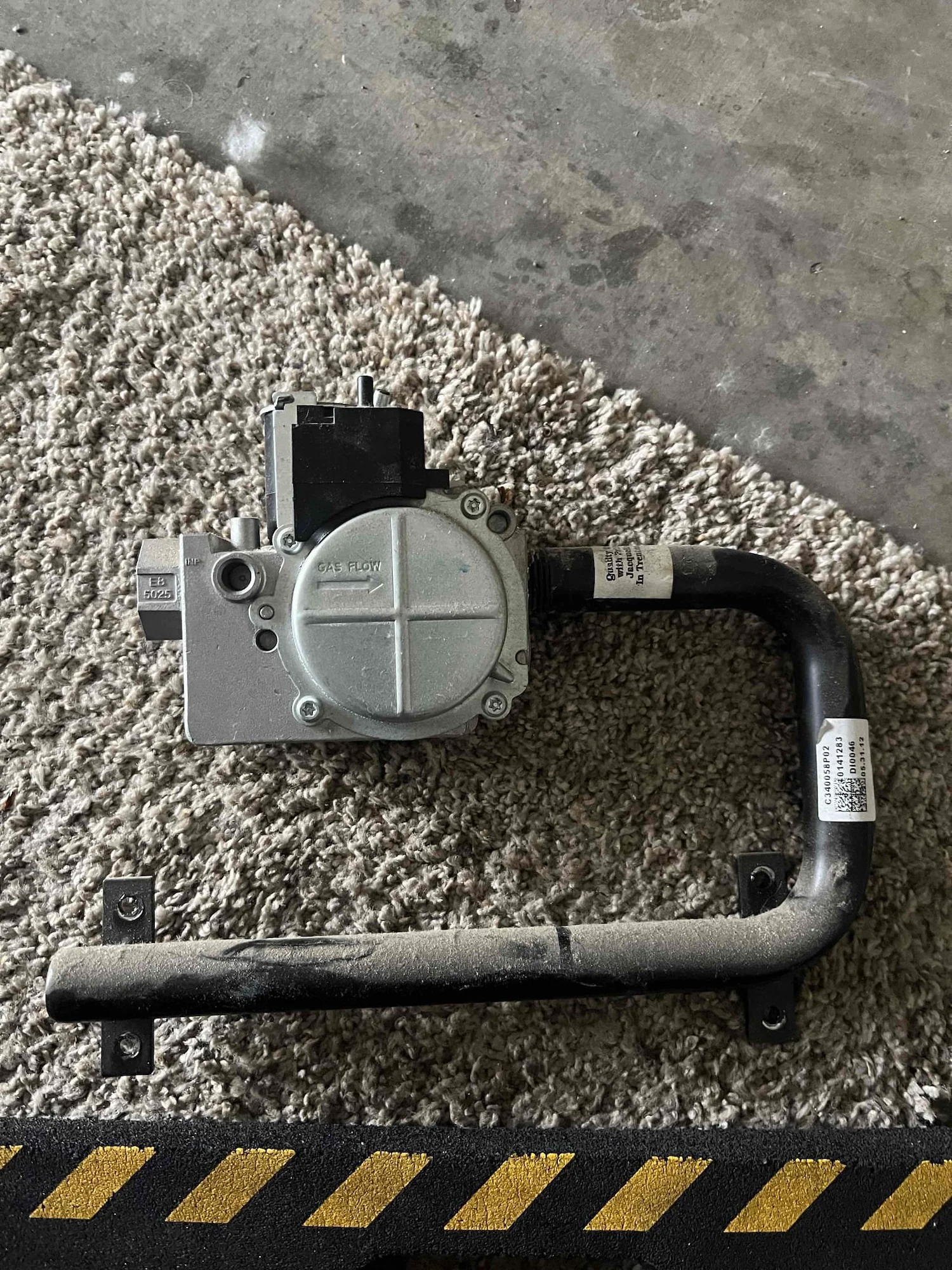
The furnace gas valve regulates the flow of gas to the burners by opening or closing at the right point in the ignition process. After the furnace calls for heat, the control board triggers the igniter to warm up. When the automatic gas valve opens, gas is released and ignited. If the ignition process fails, the furnace’s safety controls prevent or stop gas flow through the automatic gas valve. The manual gas shutoff allows the gas supply to be turned off when necessary.
Gas Valve Furnace Troubleshooting: Why Is My Furnace Gas Valve Not Working?
Ignition failure doesn’t necessarily mean that the gas valve is faulty. As part of your furnace gas valve troubleshooting, our team will test for the following issues. While homeowners can troubleshoot basic furnace operations, more serious issues should be left to the professionals.
- Gas supply interruptions
- Furnace gas valve failure
- Incorrect gas supply pressure
- Safety switch activation preventing ignition
- Control board issues
- Missing electrical control signals
Common Signs of a Bad Furnace Gas Valve
Common signs of furnace gas valve problems include:
- The furnace attempts ignition and then shuts down.
- While the hot surface igniter glows, the burners do not ignite.
- The furnace doesn’t ignite when the thermostat calls for heat.
- You notice a gas odor near the furnace.
- There is an unusual buzzing or clicking noise during startup.
- Your furnace experiences repeated ignition failures.
- There is no burner flame produced during the ignition sequence.
- The furnace enters ignition lockout.
- You notice ignition-related error codes.
- No heat is produced from the furnace.
Although these symptoms are common when the gas valve fails, they are not exclusive to this issue. Clicking during operation may occur with a normal valve, and igniters can glow without a flame due to multiple issues. Additionally, it’s essential to note that gas odors are an immediate issue. If you notice a sulfur-like smell, evacuate your home and call 911 or your gas utility provider as soon as you are in a safe location.
Common Causes of Furnace Gas Valve Problems
The following are some of the most common reasons why gas valve issues occur.
Faulty or Worn Gas Valve
A gas valve may fail to open or close properly if it deteriorates over time or has developed a mechanical issue. If the valve is faulty, a replacement is often recommended over furnace gas valve repairs.
Electrical and Control Board Problems
A missing control signal can stop the furnace from starting up. This can occur due to loose or damaged wiring, faulty ignition control circuits, or incorrect electrical supply to the valve. Because multiple issues can cause these problems, it’s essential to schedule professional diagnostics.
Gas Supply and Pressure Problems
Upstream gas service or regulator issues can cause uneven pressure, triggering the furnace to shut down. If the natural gas or propane supply is interrupted, the furnace may not receive enough gas to start. Because of the safety issues involved, gas supply and pressure issues should only be tested by a technician.
Furnace Safety Control Problems
Pressure switch faults and high-temperature limit switch issues can stop the gas valve from opening. Furnace safety controls can prevent ignition or interrupt burner operation when unsafe conditions are detected. Depending on the furnace design, venting restrictions, overheating, or condensate drainage problems may trigger protective shutdowns.
Furnace Gas Valve Problems vs. Other Ignition Problems
Symptoms of a furnace gas valve not working and furnace ignition problems often overlap. While the following table shows how different symptoms and causes connect, only professional testing can confirm whether your gas valve has failed.
<
| Furnace Symptom | Possible Causes |
|---|---|
| Furnace runs but produces no heat | Malfunctioning gas valve, control board, or igniter |
| Burners ignite but do not remain on | Dirty or faulty flame sensor |
| Igniter glows, but burners do not ignite | Gas supply, gas valve, or control board malfunctions |
| Clicking noise without ignition | Faulty gas valve, igniter, or ignition control |
| Furnace keeps starting and stopping | Malfunctioning limit switch, faulty flame sensor, restricted airflow, or control board issue |
| Furnace never starts the ignition sequence | Problem with the pressure switch, thermostat, control board, or safety switch |
| Ignition-related error code appears | Faulty igniter, gas valve, or flame sensor |
Why Is My Furnace Gas Valve Not Opening?
If the gas valve doesn’t receive a control signal, it will not open. It may also fail to open if the gas valve components are faulty or the wiring and connections are too damaged to send the 24V signal. Furnace safety lockouts can prevent the gas valve from opening, while gas supply interruptions may prevent the burners from igniting even when the valve operates correctly. A gas valve can remain closed because it is defective or because the furnace hasn’t successfully authorized ignition, which is why a professional diagnosis is necessary.
Why Does My Furnace Igniter Glow but the Burners Won’t Light?
When your furnace igniter glows, but no flame is produced, it may be due to gas supply interruptions, incorrect ignition timing, or gas valve control issues. Normally, the inducer motor starts to vent exhaust fumes. Once the pressure switch confirms proper venting, the hot surface igniter heats up. Then, the gas valve opens to send fuel to the burners. This causes the flame to ignite and warm the heat exchanger. A problem with any of these components can stop the burners from lighting.
Safe Furnace Gas Valve Troubleshooting Steps Homeowners Can Try
Before you reach out for a gas furnace repair in Bend, Redmond, and Madras, OR, there are a few simple steps you can take to troubleshoot first.
- Verify the thermostat settings and heating mode.
- See if the furnace has electrical power.
- Check the breaker and reset it once if it has tripped.
- Check and remove obstructions from accessible supply and return vents.
- Note any error codes displayed.
- Without opening any compartments, see if the furnace attempts to start.
- Pay attention to any unusual startup noises.
- Know when you should stop troubleshooting and reach out for help.
Important Safety Note: Do not reset a furnace that fails to ignite. Never bypass safety switches, disconnect gas piping, or attempt electrical repairs yourself. If you smell gas, immediately leave the building and call emergency services or the gas utility from a safe location.
How Do HVAC Technicians Diagnose and Fix Furnace Gas Valve Problems?
When you reach out to Central Oregon for professional help, our team will perform a few diagnostic tests to determine the cause of your problem.
Gas Valve and Ignition System Inspection
We will check the furnace ignition sequence and valve operation to identify ignition- and valve-related faults.
Electrical and Control Board Diagnostics
A technician will test the control signals, inspect your wiring, check connections, and verify that the control board is functioning properly.
Gas Supply and Safety Control Evaluation
Our team will evaluate your gas pressure, gas supply conditions, venting, combustion, and safety switches.
Gas Valve Replacement and Performance Testing
We will test the performance of your gas valve, look for leaks, and verify your ignition and burner operation. Through our tests, we can determine when a replacement is necessary.
When to Call an HVAC Professional
While some troubleshooting steps can be handled on your own, we recommend reaching out for professional repairs if you experience any of the following situations.
- The furnace keeps failing to ignite.
- You think the gas valve may be at fault.
- The igniter glows, but the burners won’t light.
- The furnace makes unusual startup sounds.
- You notice ignition-related error codes.
- The furnace’s circuit breaker keeps tripping.
- There is a burning or electrical odor.
- Our furnace repeatedly enters ignition lockout.
- There is a gas odor or combustion safety risk involved.
Again, any suspected gas leak necessitates an immediate evacuation and a call to 911 or the utility provider from outside the building.
Furnace Gas Valve Repair vs. Replacement: What Makes Sense?
When wiring or control board issues are involved, we may be able to repair the affected components to fix the problem. However, gas valves are not a component that can be easily repaired internally. If the gas valve is the issue, we will need to replace it.
Repeated ignition problems or frequent, costly repairs may indicate that your furnace is approaching the end of its useful lifespan. In these cases, our team can help you determine whether repairs or furnace replacement makes more sense.
How to Prevent Furnace Gas Valve and Ignition Problems
Regular furnace maintenance can help identify developing ignition and gas valve problems.
In addition to the following maintenance steps, we recommend scheduling a professional heating tune-up before the heating season arrives each year. Although maintenance cannot guarantee that mechanical and electrical gas valves will not fail, it can identify problems before they escalate.
- Replace your HVAC filter according to the recommended schedule.
- Do not repeatedly reset your furnace.
- Deal with ignition issues promptly.
- Pay attention to any heating interruptions or odd startup sounds.
- Keep obstructions away from your vent openings.
- Have a professional inspect your gas connections and controls.
- Schedule an annual tune-up each fall.
Furnace Gas Valve Problems in Bend, Redmond & Madras Homes
If you live in Bend, Redmond, Madras, or surrounding Central Oregon communities, scheduling a furnace inspection before colder weather arrives can help identify developing heating problems. Frequent furnace operation during colder Central Oregon weather can reveal existing ignition and gas valve problems.
In particular, gas valve and control issues are more common in aging furnaces. Through seasonal furnace inspections and professional diagnostics, you can identify the cause of furnace startup failures and avoid unexpected breakdowns during frigid weather. If your furnace repeatedly fails to ignite or stops producing heat, our team provides furnace repair services in Madras and surrounding Central Oregon communities.
Why Central Oregon Homeowners Choose Our Team: Central Oregon Heating, Cooling, Plumbing & Electrical
Residents turn to Central Oregon Heating, Cooling, Plumbing & Electrical because of our experience, same-day services, and upfront estimates. From flexible financing to no-pressure recommendations, we make gas furnace troubleshooting, diagnostics, and repairs easy. Whether you need a gas valve evaluation or furnace ignition system diagnostics, our team is here to help.
Frequently Asked Questions About Furnace Gas Valve Problems
What are the signs of a bad furnace gas valve?
The most common bad furnace gas valve symptoms are a hot igniter that never produces a flame, short cycling, clicking noises, and a lack of heat in your home. A damaged valve may allow gas to leak into your home. If you notice the scent of gas, immediately evacuate your home and call 911 or your utility provider.
Why is my furnace gas valve not opening?
A furnace gas valve not opening may be due to electrical, gas, or mechanical problems. Some of the most common causes include worn valves, control board issues, gas supply or pressure problems, or furnace safety control malfunctions.
Can a furnace gas valve be repaired?
After performing gas valve and furnace troubleshooting, we can determine what needs to be repaired or replaced. If the valve is faulty, it will generally be replaced and not repaired. However, if the cause is a wiring problem or electrical connection, those issues can be repaired.
Why does my furnace igniter glow but the burners won’t light?
This is often due to a furnace gas valve failure, gas supply issues, or control board malfunctions. If the pressure switch is tripped or the igniter fails to get hot enough, it can also keep the burners from lighting.
Can a faulty control board prevent the gas valve from opening?
Yes. A faulty control board can prevent the gas valve from receiving the electrical signal needed to open. Failed relays, damaged circuits, or other control board malfunctions may interrupt the ignition sequence and prevent the burners from lighting.
How do I know if my furnace gas valve needs replacement?
A furnace gas valve may need replacement if it fails to open or close correctly during the ignition sequence. However, ignition failures can also result from wiring, gas supply, or control board problems. A qualified HVAC technician can test the valve and related components to confirm whether replacement is necessary.
It’s important to note that a faulty gas valve can allow gas to leak. If you smell the scent of rotten eggs, you should immediately leave your home and call 911 or your gas provider’s emergency line.
Can a bad gas valve cause a furnace to short cycle?
Yes, a faulty gas valve can interrupt burner operation and contribute to short cycling. However, restricted airflow, overheating, flame sensor problems, and control board faults can cause similar symptoms. A technician can inspect the ignition sequence and safety controls to determine the actual cause.
Is it safe to operate a furnace with a faulty gas valve?
No, it is not. A damaged gas valve can allow gas to escape, creating fire or explosion hazards. Gas valve malfunctions that interfere with proper combustion may also contribute to carbon monoxide hazards. For all these reasons, you should stop operating a furnace if you suspect a faulty gas valve.
How long does a furnace gas valve typically last?
Furnace gas valves can operate for many years, but their lifespan varies depending on the equipment, operating conditions, and component wear. There is no fixed replacement schedule. If your furnace develops repeated ignition problems, a technician can evaluate the gas valve and determine whether it needs replacement.
How much does furnace gas valve replacement cost?
The cost of gas valve replacement will depend on the manufacturer and model. It will also vary based on the local labor cost and additional repair requirements. At Central Oregon, our team will provide you with an upfront repair estimate, so you know exactly what to expect before any work begins.
Schedule Furnace Gas Valve Inspection and Repair Today
Experiencing furnace gas valve or ignition problems in Bend, Redmond, Madras, and surrounding areas? Schedule professional furnace diagnostics with Central Oregon Heating, Cooling, Plumbing & Electrical.
Service Request
"*" indicates required fields