Why Is My Furnace Leaking Water? Causes and Fixes
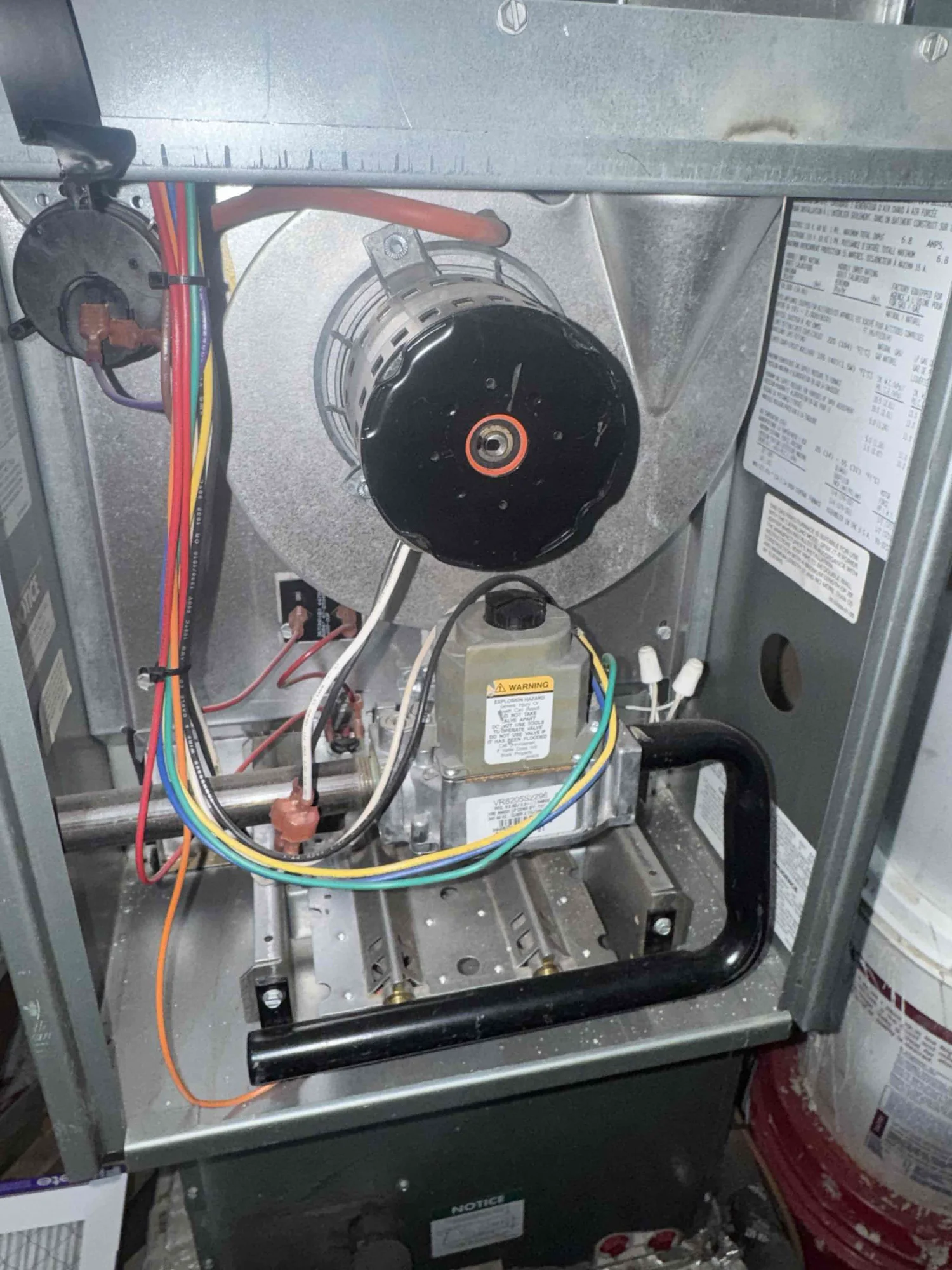
A furnace may leak water because of a clogged condensate drain, a failed condensate pump, damaged drainage connections, or problems with connected air conditioning equipment. High-efficiency furnaces normally produce condensation during heating, but water pooling outside the drainage system is not normal and should be investigated. By knowing how to identify the likely cause, you can figure out when the issue is easily fixed and when you should reach out for professional heating, ventilation, and air conditioning (HVAC) repairs.
At Central Oregon Heating, Cooling, Plumbing & Electrical, we can help your family stay warm this winter. If you’re experiencing water leaks or other heating problems, our furnace repair and maintenance services can help identify the cause and determine the appropriate solution. We offer professional evaluations and prompt repairs to homeowners in Bend, Redmond, and the surrounding Central Oregon communities.
Why Is My Furnace Leaking Water?
Diagnosing the leak involves understanding the furnace type and connected cooling equipment. For standard furnaces, the water leak may be due to blocked or poorly installed vent pipes.
In a high-efficiency furnace, leaks can occur due to the condensate drainage system. For example, leaks can result from failed condensate pumps, clogged or disconnected condensate drain lines, and damaged drain connections.
Alternatively, these leaks may come from non-HVAC systems. Water leaks can occur in your plumbing system or due to humidifier problems.
Is It Normal for a Furnace to Produce Water?
A high-efficiency furnace is designed to produce moisture. The secondary heat exchanger removes more of the heat produced, resulting in better energy efficiency. This heat removal cools the air, causing the moisture to condense. This condensate is drained through the condensate drainage system.
Water pooling around your furnace is not normal and should be investigated. Regular inspections can help identify developing drainage problems, making it important to understand the cost of ignoring HVAC maintenance.
Common Causes of Furnace Water Leaks
So, why is my furnace leaking water? By understanding the cause of the leak, you can better understand the appropriate next steps.
1. Clogged Condensate Drain Line
When the furnace’s condensate drain is clogged by debris or blockages, water backs up and overflows. With many furnace designs, this triggers a safety shutdown.
2. Faulty Condensate Pump
Condensate pumps are necessary to move condensate against gravity. The pump motor powers the pump, while the discharge line directs liquid away from your home. If the furnace condensate pump is not working, some systems use a float switch to trigger a shutdown. When any of these systems fail, it can result in water accumulation.
3. High-Efficiency Furnace Condensation Problems
A high-efficiency furnace extracts additional heat due to the secondary heat exchanger. This cools the combustion exhaust gases, causing water vapor to condense into liquid. A furnace condensation leak can occur if there is disconnected tubing or damaged drainage components.
4. Furnace Venting Problems
In conventional furnaces, exhaust rises from a metal flue. This allows moisture to leave before it condenses. Meanwhile, water condenses in the vent pipes of high-efficiency furnaces and is drained away. If your venting system has an improper slope, damaged drainage, or disconnected vent components, it can result in a leak.
5. Air Conditioner Drainage Problems
A leak near your furnace may not be caused by the furnace itself. AC evaporator coils produce condensate, which is normally drained away through a condensate drain. If the drain is clogged or the drain pan is overflowing, you may see water appear during cooling operation.
6. Other Water Sources Near the Furnace
Sometimes, leaks are due to an entirely different cause. Condensation on nearby ductwork, water entering from surrounding building areas, and leaky plumbing connections can all result in the accumulation of moisture.
Furnace Leaking Water: Common Symptoms and Possible Causes
While the following symptoms can help identify causes of a furnace leaking water, they do not confirm a diagnosis. To find out why water is accumulating in your home, you should reach out to a professional HVAC technician for help.
| Problem | Cause | Symptom | Water Location |
|---|---|---|---|
| Condensate Pump Failure | Broken pump motor or no power | Water doesn’t pump away, or the reservoir has standing water | Around the condensate pump, reservoir, or furnace base |
| Condensate Drain Line Issues | Algae or debris in the drain line, a damaged drain line, or a clogged condensate trap | Gurgling noises, safety shutdowns, or a water-filled drain pan | Water below the cabinet or around the base of the furnace |
| Furnace Vent Pipe | Improper slope, drainage issues, or disconnected joints | Water dripping from vent connections or collecting near the exhaust pipe | Near the top of the furnace or the exhaust pipe |
| Air Conditioning Problems | Evaporator coil freezing due to a clogged air filter, dirty coils, or restricted airflow. Alternatively, a clogged drain line or cracked condensate drain pans can cause this issue. | Ice on the coils, wet air filters, lack of cold air, or extended cycles | Inside or underneath the air handler for evaporator coil-related moisture. With cracked drain pans, water may form under the condensate pan. |
| Cracked Heat Exchanger or Inducer | Age-related wear, corrosion, or thermal stress | Abnormal flame color, soot buildup, unusual noises, or unusual odors | Combustion condensate can escape, pooling around the furnace base, under the heat exchanger, or inside the furnace cabinet. |
| Condensation on Ductwork | Humid air contacts a poorly insulated duct surface | Moisture forms on ducts | Near the supply ducts and connections |
| Nearby Plumbing Leaks | Leaky drain connections, water supply lines, or plumbing fixtures | Water accumulates whether the furnace is on or off | Around pipes or plumbing fixtures |
Why Is My Furnace Leaking Water in Winter?
If you notice your furnace leaking water when heat is on in winter, it may be due to a few common issues. In most cases, wintertime leaks are related to the condensate drainage system.
- Condensation from a high-efficiency furnace
- Faulty condensate pump
- Clogged condensate drain lines
- Frozen condensate lines in exposed areas
- Blocked or poorly draining vent systems
Why Is My Furnace Leaking Water When the AC Is On?
During the summertime or warm fall and spring weather, you may notice leaks during your AC’s cooling cycles. It may appear like the furnace cabinet is leaking, but the cooling system is actually responsible. Typically, this kind of leak is due to condensation from the evaporator coil, an overflowing drain pan, a clogged condensate drain, or faulty drain connections. If your furnace drain is leaking, you’ll need to schedule professional repairs.
What Should You Do if Your Furnace Is Leaking Water?
To troubleshoot the leak, use the following steps. For your safety, never operate equipment when water is near electrical components. You should also never repeatedly reset a furnace that shuts down repeatedly.
- Identify if your system is heating or cooling.
- Turn off your HVAC system if there is an active leak.
- Inspect for visible water around accessible drain connections. Do not disassemble any equipment.
- Look for overflowing water around the condensate pump.
- As long as it is safe to do so, keep the surrounding area as dry as possible.
- Document when and where the leak is taking place.
- Schedule an inspection if the leak continues.
Important Safety Note: Never open combustion compartments, bypass safety switches, handle internal electrical components, or disconnect the vent pipe. Do not touch components if water is near electrical wiring or equipment. If you notice a gas odor, immediately leave the area and call 911 or your gas utility.
How Do HVAC Technicians Diagnose and Fix Furnace Water Leaks?
When our team arrives for furnace water leak repair, we inspect the system to identify the source of the leak and recommend appropriate repairs.
Condensate Drain Inspection and Repair
A technician will check your drain connection, identify blockages, and clear drainage restrictions.
Condensate Pump Testing and Replacement
We’ll inspect the operation of your pump, float switch, and discharge tubing. As needed, we can replace faulty pumps.
Furnace Venting and Condensation Inspection
Our technician will check your vent condition, drainage, and condensate collection system. Then, we can determine if any of the components are damaged or improperly installed.
AC Drainage and Moisture Source Evaluation
We will check your evaporator coil for drainage issues. Afterward, our team will inspect the condensate pan, drain line, and nearby condensation. We’ll carefully rule out any non-HVAC water sources.
When to Call an HVAC Professional
Bend and Redmond homeowners should reach out for professional help if they notice any of the following symptoms.
- Water pooling repeatedly beneath the furnace
- Non-operational condensate pump
- Blocked condensate drains
- Unexpected furnace shutdowns
- Water near visible electrical components
- Ongoing leak following basic checks
- Signs of water damage or corrosion
- Moisture near vent connections
- Unusual odors or combustion-related concerns
Our furnace services include professional evaluations to help homeowners understand their heating system’s condition and available repair options.
Furnace Water Leak Repair vs. Replacement: What Makes Sense?
Whether to repair the furnace, replace a component, or replace the entire furnace depends on the age of the system, the cost of repairs or replacements, the condition of the system, and the frequency of repairs. For example, basic, inexpensive repairs like condensate drain cleaning generally make sense. Repairing damaged drain connections or correcting the venting and installation are also relatively straightforward.
In other cases, the system or the individual component may need to be replaced. With condensate pump issues, the pump is often replaced. Many furnace water leaks can be resolved by clearing condensate drains, replacing faulty pumps, or repairing damaged connections. However, extensive corrosion, repeated failures, or damage to major furnace components may justify evaluating replacement. A technician should consider the system’s condition, repair costs, and available parts before making a recommendation.
If extensive damage or recurring problems make repairs impractical, a technician can help determine whether furnace installation and replacement is worth considering.
How to Prevent Furnace Water Leaks
In addition to scheduling furnace maintenance in Bend, OR, there are several steps you can take to prevent future leaks from happening.
- Have your condensate drains inspected and cleaned.
- Avoid obstructions in accessible drainage areas.
- Verify that the condensate pump is operating.
- Deal with small leaks before they have a chance to escalate.
- Maintain your indoor humidity at an appropriate level.
- Get your furnace venting inspected by a professional.
- Pay attention to any signs of recurring moisture around your HVAC equipment.
- Schedule a seasonal heating tune-up before winter to have your furnace and condensate drainage components inspected.
Furnace Water Leaks in Bend & Redmond Homes
Homeowners in Bend and Redmond rely on their heating systems during Central Oregon’s cold winters. High-efficiency furnaces produce condensate during heating, making proper drainage important throughout the season. Frozen or blocked condensate lines, faulty pumps, and damaged connections can lead to water accumulation around the equipment.
Wintertime heating usage can also lead to the production of more condensate in high-efficiency furnaces. Local homes also experience condensation in basements, crawlspaces, and utility rooms. To avoid water and equipment damage, it’s essential to address furnace leaks in a timely way. Through timely seasonal inspections, you can identify drainage problems early.
Why Homeowners in Bend & Redmond Choose Central Oregon Heating, Cooling, Plumbing & Electrical
Residents in Bend, Redmond, and surrounding Deschutes County communities turn to Central Oregon because of our extensive experience and thorough heating system diagnostics. After evaluating your furnace, we’ll provide a clear explanation of our repair recommendations.
Frequently Asked Questions About Furnace Water Leaks
Why is my furnace leaking water?
You may notice a furnace leaking water if there is a clogged condensate line or drain, a damaged condensate pump, or a cracked heat exchanger. Blocked vent pipes and faulty AC equipment can also cause water leaks.
Is it normal for a high-efficiency furnace to leak water?
No. High-efficiency furnaces normally produce condensate as part of the heating process, but that water should drain through the designated condensate system. Water pooling around the furnace may indicate a clogged drain, damaged tubing, or a faulty condensate pump that requires inspection.
Why is my furnace leaking water in winter?
You may experience a furnace leaking water in winter due to a poorly sloped flue pipe, condensate drainage issue, or cracked secondary heat exchanger. These issues typically become more noticeable during periods of peak use, such as during wintertime.
Why is water leaking from the bottom of my furnace?
When a furnace is leaking water from the bottom, it is often related to the condensate system. For example, it can occur due to a blocked condensate drain line or a faulty condensate pump.
Can a clogged condensate drain cause a furnace to leak?
Yes, it can. High-efficiency furnaces rely on a secondary heat exchanger, which produces condensate. Condensate drain lines are used to take this liquid away from the furnace, so a clogged drain can result in a leak.
Why is my furnace leaking water when the AC is running?
Water near your furnace during cooling may come from the air conditioner’s evaporator coil drainage system. A clogged condensate line, overflowing drain pan, or damaged drain connection can allow water to accumulate around the furnace cabinet. Professional inspection can identify the source and determine the appropriate repair.
Can a faulty condensate pump cause water leaks?
Yes, the condensate pump helps condensate move against gravity to leave your furnace. If the pump fails, condensate can accumulate in the reservoir and eventually overflow, causing a water leak.
Should I turn off my furnace if it’s leaking water?
Yes. Water leaking from a furnace represents an electrical hazard. If it is due to the heat exchanger, it may also pose a carbon monoxide (CO) risk. You should immediately evacuate the area if you hear the CO alarm go off or notice a gas-like odor.
Can a furnace water leak damage the heating system?
Yes, it can cause rust and electrical damage. Ongoing moisture can also lead to mold and mildew growth.
How much does it cost to fix a furnace water leak?
It varies based on the source of the leak. While fixing a clogged condensate drain is a repair that may be less extensive than replacing major furnace components, replacing a secondary heat exchanger will cost more. Before we perform furnace repairs in Redmond, OR, we always provide an upfront, transparent estimate so that you know exactly what to expect.
Schedule Furnace Water Leak Inspection and Repair Today
Struggling with a furnace leaking water? Get the source of your water leak identified before it causes additional equipment or property damage. If your furnace is leaking water, contact Central Oregon Heating, Cooling, Plumbing & Electrical to schedule professional furnace diagnostics and repair services in Bend, Redmond, and surrounding Central Oregon communities.
Service Request
"*" indicates required fields