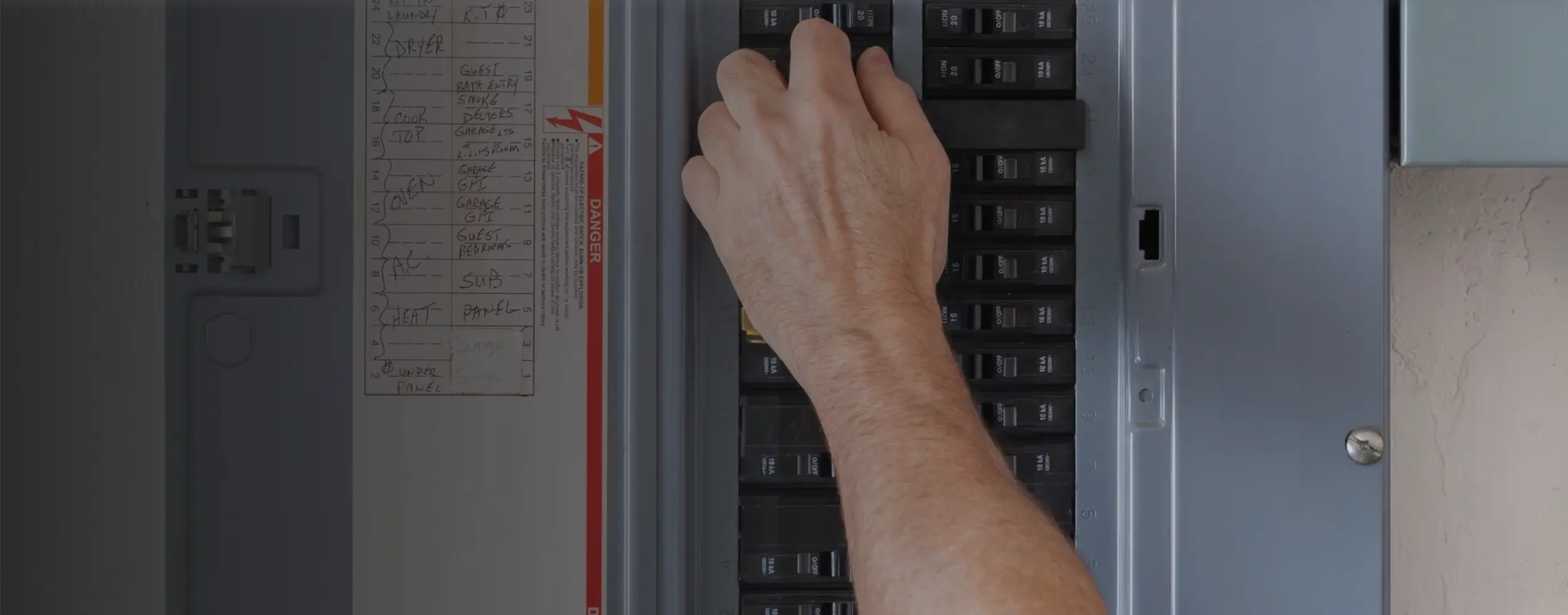
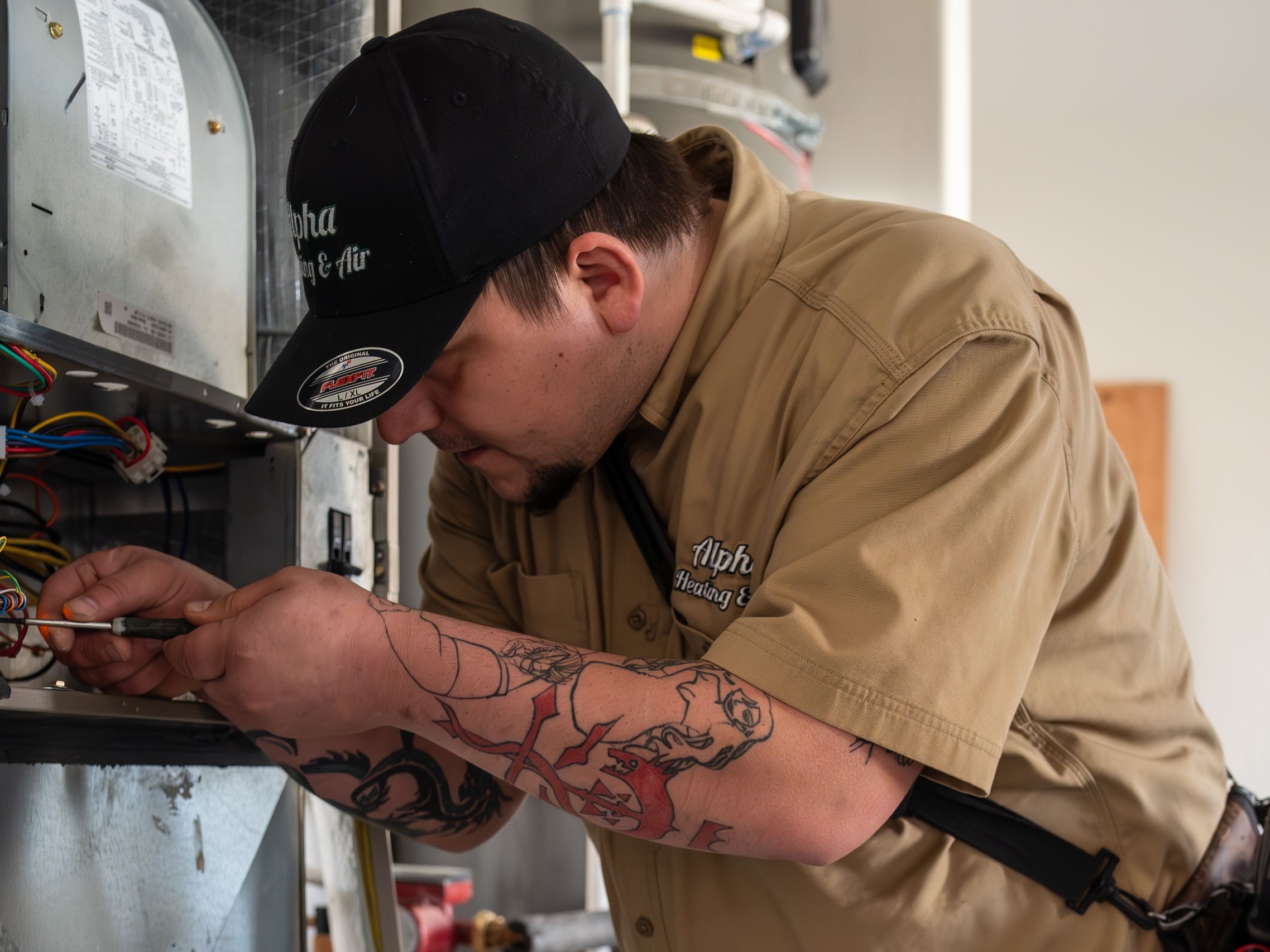
Electrician rewiring a whole house in Bend, Oregon.

Is Home Rewiring Worth the Cost? Benefits & Signs You Need It

With whole-home rewiring, you can protect the safety of your home and occupants. While this solution isn’t right for everyone, it can be a good option for homes that have outdated or faulty wiring. At Central Oregon Heating, Cooling, Plumbing & Electrical, we can evaluate your existing electrical needs and help you determine if rewiring is necessary.

Why Rewiring Matters

Even with the best maintenance and high-quality installations, electrical systems can eventually start to wear down. Additionally, some homes have outdated wiring that wasn’t designed for today’s electrical needs. If your home’s wiring is under capacity, you’ll experience more frequent breaker tripping and overheating. Undercapacity wiring can cause melted wiring, a higher incidence of electrical arcing, and fires, so it needs to be dealt with promptly.

Signs Your Home Needs Rewiring

As a homeowner, it can be hard to tell when to rewire a house. Electrical systems operate in the background when they’re working properly, so it may not be obvious when they need to be updated. The following symptoms are signs that you need electrical rewiring or repairs.

Frequent Breaker Trips or Blown Fuses

Breaker panels and fuse boxes are designed to protect your home from sudden spikes in electricity. However, recurring tripped breakers and blown fuses are a sign that there is an underlying problem with your electrical system. A professional electrician can help you diagnose the cause and determine if rewiring is the solution you need.

Flickering or Dimming Lights

When you turn on a large appliance, your lights shouldn’t dim or flicker. Any dimming or flickering is an indication that your system is pulling more electricity than it’s made to handle. To avoid a fire or electrocution, it’s essential to update your electrical wiring and panels.

Burning Smell or Scorched Outlets

If you smell something burning, it is likely a sign that your electrical wiring is overheated. Similarly, scorched outlets or outlets that are warm to the touch may indicate that your electrical system is malfunctioning or past its capacity level.

Aluminum Wiring in Older Homes

Aluminum wiring poses a substantial risk of injury for homeowners. A home that has aluminum wiring is 55 times more likely to have one or more outlets reach fire hazard connections. Basically, aluminum expands and contracts more than copper does under load temperature changes. Over time, these wires can become loose or exposed. When this happens, the wires can corrode and overheat.

If you have aluminum wiring, you may notice electric sparks or a hot outlet. You may also notice charred materials. Because of the major fire risk involved, it’s essential to rewire homes that have aluminum wiring.

Home Is 40+ Years Old

If your home is already 40 years old, it may be time to consider whole-home rewiring. Even the best electrical systems can eventually develop issues. Additionally, older homes were made for the appliances of yesteryear. They simply don’t have the capacity for today’s smartphones, gaming systems, and high-tech appliances.

Benefits of Rewiring Your Home

As a homeowner, there are a few important benefits to getting an electrical wiring replacement.

  • Improved Safety and Fire Prevention: Faulty, old, or under-capacity wiring poses a significant fire risk for your family. Rewiring your home ensures that your electrical systems don’t overheat or cause sparks.
  • Support for Modern Appliances: EV chargers and modern appliances need more electricity, so it’s essential to create a wiring system that matches this demand. Power surges and overheating can also damage your appliances, so upgraded wiring can prevent or delay appliance replacements.
  • Increased Home Value: If your wiring is falling apart, it can impact your home’s value. Prospective buyers want to feel safe in their new home.
  • Better Peace of Mind: By preventing fire hazards, you and your loved ones can enjoy better peace of mind.

How Much Does Home Rewiring Cost?

In the United States, the average cost of rewiring ranges between $603 and $2,592. However, it can easily cost up to $6,100 to fully rewire an older home. There are a few factors that can impact how much your project ends up costing.

  • Panel Upgrades: If there are additional appliances and you need an increased capacity, you’ll likely need a panel upgrade. This can increase the overall cost of your project.
  • Permitting: Your electrician will need to apply for a permit and pay permit fees. This expense can vary between different municipalities.
  • Home Size: If you need to rewire a huge mansion, it will end up costing more than rewiring a small cabin.
  • Age of Home: An older home is more likely to need full rewiring to replace aluminum wires or to meet today’s electrical demand.

While rewiring a home is a major investment, it is significantly cheaper than rebuilding your home after an electrical fire. Even if a fire never occurs, the damage to your appliances and electric devices can add up over time. As a result, rewiring is typically the cheapest, safest option for Redmond and Bend homeowners.

Is Rewiring Worth the Investment?

Is rewiring a house worth it? It all depends on the situation. You have to carefully look at the potential safety benefits and the increase in your home’s long-term value. If you have an older home, undercapacity electrical systems, or aluminum wiring, the added safety and cost savings will make rewiring a worthwhile investment.

Additionally, you should also consider the insurance implications. Many insurers offer discounts for improving your home’s safety. It can also directly affect the premium you pay each month and the extent of your coverage. For example, insurers may limit coverage for electrical-related disasters if you have old knob-and-tube wiring.

Why Hire a Licensed Electrician

If you are considering a wiring update, it’s essential to reach out to a professional electrician for rewiring in Bend, OR. Rewiring is complex and potentially dangerous, so it should be left to the experts.

  • Code Compliance: Important electrical upgrades must be permitted before the work can be done. The city or county will also need to inspect the completed work, so it must be fully compliant.
  • Long-Term Safety: DIY repairs increase the possibility of safety issues and pose a danger to your loved ones. 
  • Peace of Mind: For all these reasons, getting professional repairs can help you and your family enjoy better peace of mind.

Professional Rewiring in Bend & Redmond, OR

At Central Oregon Heating, Cooling, Plumbing & Electrical, we are trusted experts at rewiring older homes in Redmond and Bend. We know the common electrical problems faced by residents and the best methods for helping. We do everything from same-day services to take the stress out of updating your home’s electrical systems.

Schedule your whole-home rewiring today!

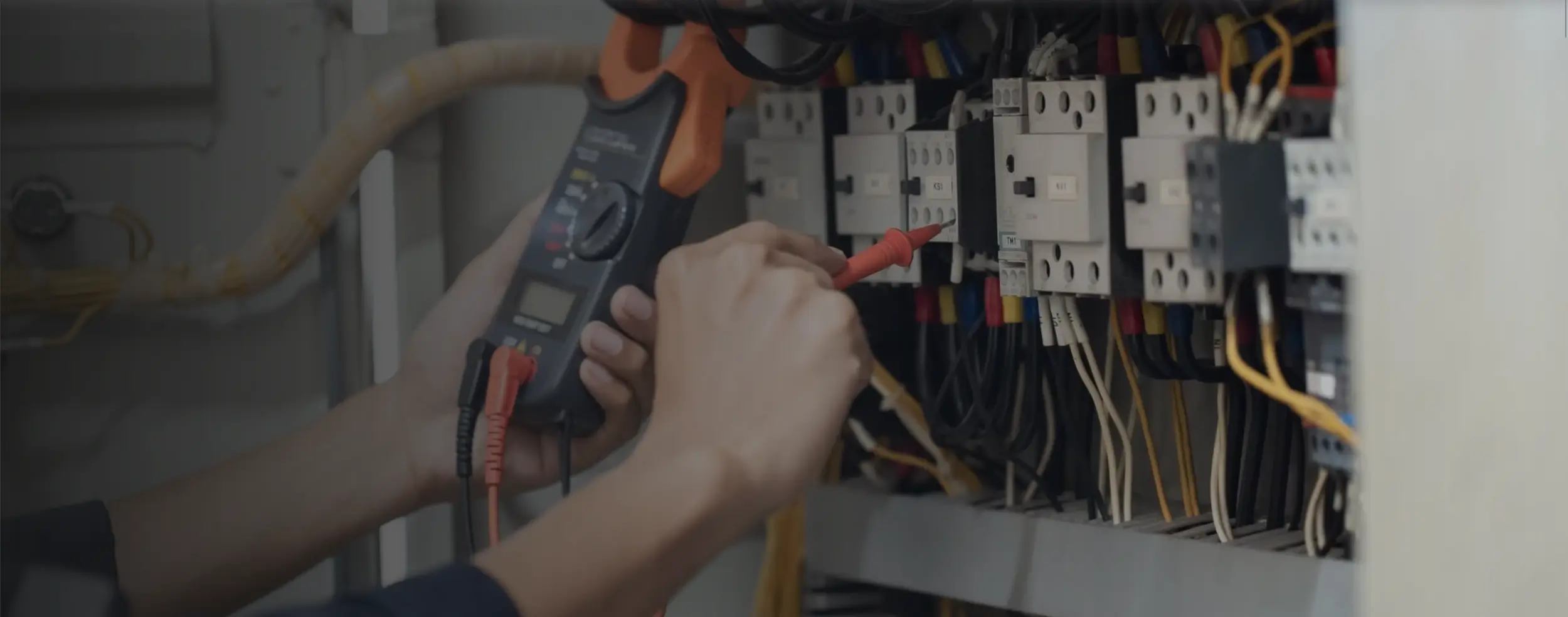
Electrician testing a newly installed surge protector in a Central Oregon home.

Surge Protection for Your Home: Whole-House vs Point-of-Use

Today’s homes have state-of-the-art technology and smart devices that require electricity to run. Unexpected power surges can damage these devices and lead to significant repair and replacement costs. By investing in a whole-house surge protector, you can help protect appliances, electronics, and electrical equipment from damaging transient overvoltage.

How Does Whole-House Surge Protection Compare to Point-of-Use Surge Protection?

A whole-house surge protector is set up at or near the electrical service or panel. In comparison, a point-of-use surge protector is designed to protect specific plugged-in electronics. While whole-house surge protection is more comprehensive, the best option is to create a layered approach using point-of-use and whole-house methods.

Key Takeaways

  • Whole-house surge protection provides broad protection at or near the home’s electrical service or panel, while point-of-use devices provide additional protection for specific connected electronics.
  • Surge protection can reduce the risk of costly damage to sensitive electronics, appliances, HVAC systems, and other connected electrical equipment.
  • A layered approach is typically the best method. It relies on a blend of whole-house and point-of-use systems.
  • Type 1 and Type 2 surge protection devices (SPDs) are whole-house protectors. Type 3 SPDs are point-of-use devices.
  • Because surge protectors can wear out after repeated overvoltage events, it’s important to check the status or indicator light to verify that the unit is still working properly.

Why Surge Protection Matters

Power surges can happen for a variety of reasons. Anytime there is a major storm or a problem with the grid, power levels can spike. Large appliances cycling on can also cause brief voltage fluctuations, while other surge sources include nearby lightning, utility switching, grid events, and electrical faults. 

When these power surges occur, they can impact the safety of your family. Transient overvoltage can damage sensitive electronic components in appliances, HVAC equipment, computers, entertainment systems, and other connected devices. A significant surge may cause immediate equipment failure, while repeated smaller events can contribute to component degradation over time. Besides increasing the risk of fires, this can also lead to future wiring repairs and rewiring.

Lightning strikes, utility or grid issues, and electrical events within the home can all lead to power surges. In Central Oregon, utility switching and power restoration associated with outages can also produce electrical disturbances. Because there are many potential sources involved, adopting a layered approach to home surge protection is one of the best ways to protect your home’s electrical systems.

What Is Point-of-Use Surge Protection?

While a whole-house surge protector is intended to protect your entire home, point-of-use surge protection targets one specific area. These devices are designed to limit transient overvoltage reaching connected equipment by diverting surge current or otherwise limiting the voltage, depending on the device design.

Often, you’ll hear terms like surge protective device (SPD) used when talking about surge protection. An SPD is designed to protect your connected equipment by redirecting or limiting transient overvoltage.

Examples

You can get a variety of different point-of-use surge protection for your home. Power strips and outlet-based protectors are the most popular options. You can also get plug-in adapters that can be used for a single item, such as a smartphone or tablet.

It’s important to note that basic power strips aren’t automatically surge protectors. You must verify that the device is specifically rated for surge protection before using it.

Pros

Older homes in Bend’s historic neighborhoods may have electrical panels and wiring that should be evaluated when homeowners are considering whole-house surge protection. By adopting home surge protection, homeowners can enjoy a number of important benefits.

  • Affordable: Point-of-use surge protection is much cheaper than whole-house systems because they only need to be installed in specific areas.
  • Easy to Install: Whether you use a plug-in adapter, outlet-based protector, or power strip, these units are fast and easy to set up. Unlike a whole-home system, you don’t need to hire an electrician to plug in a power strip.
  • Device-Specific Protection: If you have a computer, television, gaming system, or other compatible plug-in electronic device that you want to protect from surges, point-of-use protection can provide an additional layer of protection.

Cons

When it comes to surge protection for a home, it’s also important to consider some of the downsides associated with point-of-use systems. The biggest drawback is that they only provide limited coverage. They protect plugged-in devices, but other devices can still be damaged by unexpected power surges.

What Is Whole-House Surge Protection?

A whole-house SPD provides broad protection at or near the home’s electrical service or panel. These units are extremely effective at stopping power surges, although they tend to come with a higher upfront cost.

How It Works: Installed at the Electrical Panel

With an electrical panel surge protector, our electricians will install the surge protector into your electrical panel. If everything is working properly, the surge protector just waits and monitors the electrical flow. When a surge occurs, the SPD limits the transient overvoltage by diverting or limiting surge current. Once the electrical surge dissipates, the surge protector stops conducting electricity, and the electrical panel resumes its normal functioning.

Pros

By investing in whole-house protection, you can enjoy a few key benefits.

  • Whole-House Coverage: One of the most significant benefits of a whole-house system is that it is set up to cover all of the devices and electronics linked to your circuit breaker panel. However, because a whole-house surge protector can’t stop every power fluctuation, having point-of-use and layered protection is essential.
  • Appliance and HVAC Protection: Many of your appliances and HVAC equipment are expensive to replace. By preventing damage, you can save money in the long run.
  • EV Chargers: Whole-house surge protection can help protect expensive permanently connected electrical equipment, including compatible EV charging equipment, from transient overvoltage.

Cons 

While there are some advantages to whole-home systems, there are downsides to consider as well. Unlike a power strip, these systems need to be installed by a professional. They also cost more upfront, even though they often save money over time.

Whole-House vs. Point-of-Use: Which Is Right for You?

If you’re uncertain about which system works best for your family’s needs, we can help. Our electricians can evaluate your existing setup and discuss the best options for your needs. In most cases, the best option is to use whole-home and point-of-use protection. These systems complement each other, so installing whole-house surge protection together with appropriate point-of-use equipment can provide more comprehensive, layered protection. Then, point-of-use systems can be used to provide added protection for your sensitive electronics.

For a better understanding of which system is right for your needs, consider the pros and cons of whole-house surge protection vs. point-of-use surge protection.


Whole-House Surge Protection

Point-of-Use Surge Protection

Installation Location

Depending on the type, it will be installed at or near the home’s electrical panel or electrical service.

It is installed where the individual appliance or electronics connect to power.

Coverage

It is designed to protect the entire home’s electrical equipment from transient overvoltage.

This device is used to protect specific devices.

Typical Applications

It is typically used to protect electrical systems, HVAC equipment, major appliances, and permanently connected equipment.

Often, this option is used to protect computers, gaming systems, televisions, and other sensitive electronics.

Professional Installation

Because the SPD connects on or near the electrical panel, it generally needs to be installed by a qualified electrician.

Plug-in models can often be installed by the homeowner, but hardwired ones should be installed by a professional electrician.

Limitations

It doesn’t guarantee protection against every surge and does not make a home immune to damage from a direct lightning strike.

It does not provide whole-home coverage, so only connected devices are covered.

Best Use

This is a great option for providing broad, whole-house coverage for a home’s electrical systems and equipment.

This provides extra protection for valuable or sensitive electronics. It is an effective component in layered surge protection.

The Difference Between Type 1, 2, and 3 Surge Protectors

As part of your layered surge protection, you can incorporate Type 1, Type 2, and Type 3 SPDs. 


  • Type 1: A Type 1 SPD is a permanently connected device that can be installed on the line/service side of the service equipment overcurrent device or in other configurations permitted for Type 1 applications. It can provide whole-house protection against transient overvoltage, including surges associated with utility events and lightning.
  • Type 2: Typically, a Type 2 surge protector is installed on the load side and connected to a dedicated breaker or on service equipment. This setup provides broad surge protection for electrical equipment downstream of the SPD. It is also considered a type of whole-house surge protector.
  • Type 3: A Type 3 surge protector is considered point-of-use surge protection. It is intended to be a final layer of protection for sensitive or valuable electronics and appliances.

Cost of Installing Surge Protection

The average cost for whole-house surge protection can vary based on the SPD type, electrical panel configuration, equipment selection, installation requirements, and any additional electrical work. However, the upfront cost of these systems is often balanced out by your long-term savings. If one or more of your appliances are damaged in a power surge, the repair costs quickly add up to more than the cost of surge protector installation in Bend, OR.

Why Hire a Professional Electrician

If you’re interested in surge or lightning protection for your home, it’s essential to work with a professional electrician. By partnering with Central Oregon Heating, Cooling, Plumbing & Electrical’s licensed electricians, you can enjoy a few key benefits.

  • Safe Installation: When you use an experienced electrician, you can enjoy better peace of mind.
  • Permitting and Code Compliance: Setting up surge protection may require a permit. Our team can ensure your system is in full compliance with local building and electrical codes in your city.
  • Local Expertise: We understand what Bend and Redmond homes need to achieve the highest level of protection.

Frequently Asked Questions

Is whole-house surge protection worth it?

A whole-house surge protector installation is generally worth it because it protects expensive appliances and electronics. If just your refrigerator is damaged, a replacement can easily cost much more than the average cost for a surge protector installation.

Do I still need surge protector strips with whole-house surge protection?

Yes. As long as your strips are designed and rated for surge protection, you should continue using them as an extra layer of protection.

How long does a whole-house surge protector last?

It really depends on the system and the usage. In many cases, these systems can last for 5 to 10 years. High-quality units can last up to 20 years. 

How do I know if my surge protector is still working?

Your surge protector is still working if its indicator light is on. If it is dim, blinking, or off, the protection has likely worn out. However, each surge protector is designed differently, so you should check with the manufacturer to find out which lightning indicator means it is working properly. SPDs can wear out following significant or repeated events, which is why it’s important to check the indicator lights and surge protector status regularly.

Does a whole-house surge protector protect against lightning?

A whole-house surge protector won’t make your home immune to lightning strikes. It can help against the transient overvoltage caused by indirect lightning strikes nearby but is not effective against direct strikes. For better protection, you should consider a layered approach and lightning protection.

Where is a whole-house surge protector installed?

It is installed inside or adjacent to your electrical service or panel. The exact location depends on the SPD type, electrical system, equipment, and installation configuration. A qualified electrician can determine the appropriate location for the specific application.

What should homeowners look for in an SPD?

When choosing an SPD, consider whether the device type is appropriate for its intended application, its manufacturer specifications, electrical-system compatibility, installation requirements, and protection-status indicators. For whole-home protection, a qualified electrician can evaluate the home’s electrical service and panel configuration and recommend equipment designed for the specific installation.

Surge Protection Services in Bend & Redmond, OR

Layered surge protection is one of the best ways to protect your home’s appliances, devices, and electrical systems from overvoltage. Our experienced electricians can evaluate your home and discuss which whole-house and point-of-use surge protection options make sense for your needs.

Central Oregon Heating, Cooling, Plumbing & Electrical has served local homeowners in Bend, Madras, and Redmond since 1993. Over the decades, we have built a reputation for being the area’s most trusted installer. We do everything possible, from money-back guarantees to providing upfront pricing and 100% satisfaction on every project. From same-day services to emergency repairs, we can help with all of your electrical issues.

Schedule your whole-home surge protector installation in Bend and Redmond today!

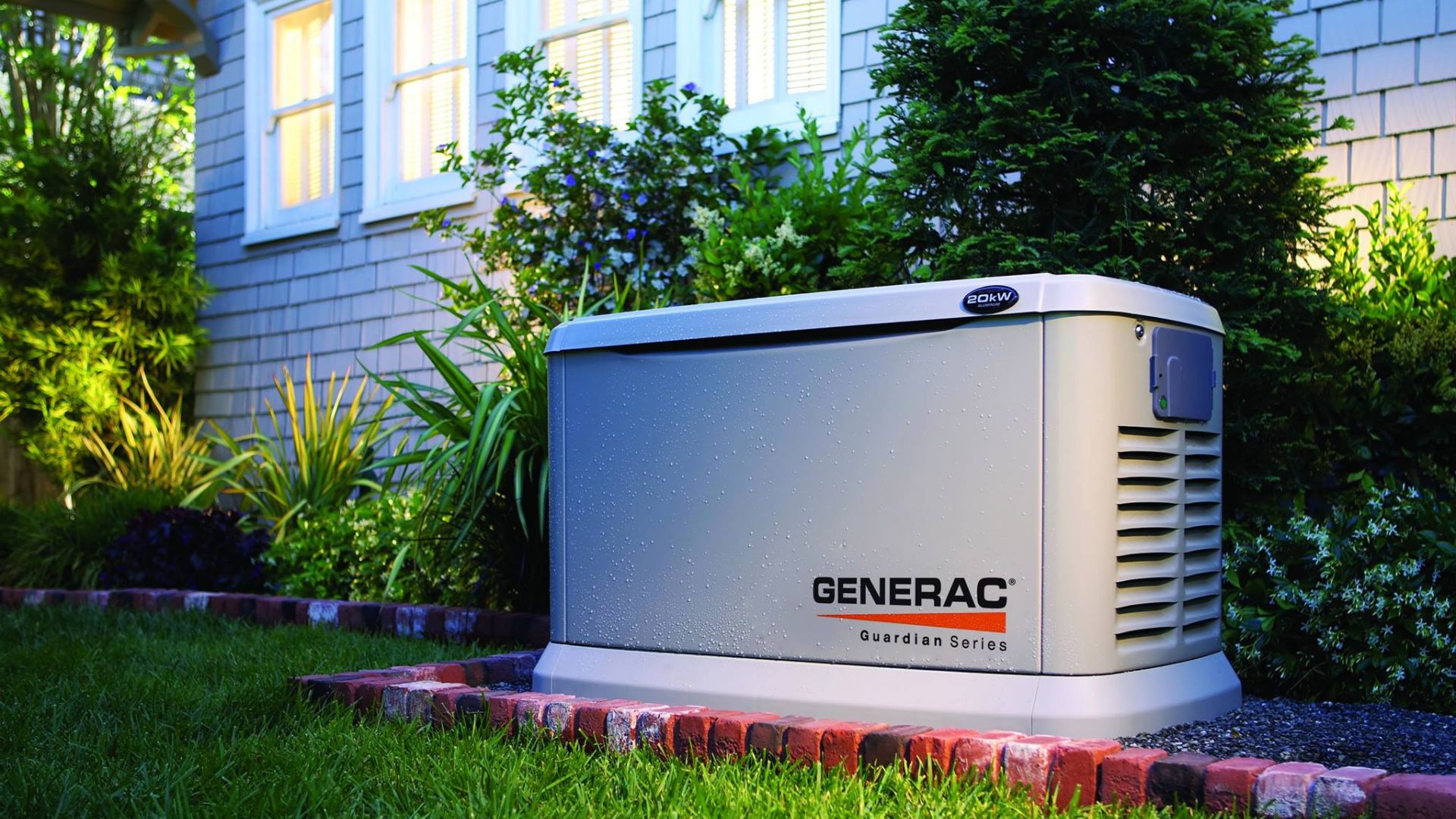
Image of a Generac whole home standby generator

Generator Safety Tips for Central Oregon Storms

Winter storms in Central Oregon can leave homes without power for hours or days. By investing in backup power systems, you can keep your appliances, HVAC systems, and mobile devices running in all kinds of weather.

While a whole-home generator offers a number of important benefits, there are also risks involved if they are used improperly. For the best experience, make sure to use the following generator safety tips.

Why Generator Safety Matters During Storms

Central Oregon is known for its high winds, winter storms, and rural outages. When stormy weather arrives, it’s important to use the best practices for storm safety for generators. Improper use of generators can lead to fire hazards and electrical dangers. Because generators produce carbon monoxide, there is also a danger of carbon monoxide poisoning. 

In addition, backfeeding the grid is a major risk. This happens when a generator isn’t set up properly, and the electricity flows backward into the grid. In addition to being illegal, this can also be dangerous and potentially lethal.

Tip #1: Never Use Generators Indoors or in Enclosed Spaces

When it comes to standby generator precautions, there are a few things you can do to keep your family safe. You should always operate your generator outside. Make sure it is far from your windows, doors, and vents. 

The carbon monoxide produced by the generator can be deadly, and you can’t smell it. Even if you are somewhere that is partially open, like a garage, you should not use your generator.

Tip #2: Keep Generators Dry and Elevated

When teaching your family how to safely use a generator, make sure to emphasize the importance of elevation. A properly elevated generator won’t get stuck in a puddle, which is a potential electrocution risk. For the same reason, you should never operate the generator in rain or snow if you don’t have a cover or canopy installed.

Tip #3: Use the Right Extension Cords and Connections

When using extension cords, invest in heavy-duty, outdoor-rated cords. To avoid safety issues, you should always check them for signs of damage before each use. 

As part of your generator safety tips, you should remember to never plug the generator directly into your home outlets. The only exception to this tip is if you have a transfer switch installed.

Tip #4: Prevent Backfeeding With a Transfer Switch

Backfeeding into power lines is illegal and can potentially cause the electrocution of power line workers. To prevent this from happening, you should ask one of our licensed electricians to install and integrate a transfer switch into your generator system.

Tip #5: Refuel Safely

When it comes to generator use during storms, you need to exercise caution when refueling your generator. You should always turn off the generator and make sure it is completely cool before you refuel it. Fuel must be stored in the proper containers in an area that is away from any heat sources or your family’s living areas.

Tip #6: Perform Regular Generator Maintenance

As a part of your backup generator tips and checklist, you should remember to perform routine maintenance tasks each month. Even if you don’t need the generator, it should be run at least once a month to make sure it remains functional. 

In general, the oil should be changed after the first 20 to 25 hours of usage. After that, it should be replaced every 50 to 100 hours of use. If you don’t use your generator at all, remember to change the oil at least once per year. 

Similarly, air filters should be changed every 100 to 200 hours or so. Spark plugs should be replaced once per year. However, it’s a good idea to check the oil, air filter, and spark plug each month to make sure they are still in good condition.

Before wintertime begins and the first storm arrives, give us a call. Our electricians will professionally service your generator so that it is functioning in peak condition.

Tip #7: Know Your Generator’s Limits

Another one of the most important backup generator tips is to know your generator’s limits. Never run the generator over its stated capacity. To prevent this from happening, you should also carefully calculate your wattage requirements before buying the generator. If you overload your generator, it can cause overheating and tripping circuits.

Tip #8: Be Storm-Ready in Central Oregon

Winter outages in Deschutes County and rural Central Oregon are common, so your generator storm prep needs to be wrapped up before the snow falls. Use the following portable generator safety tips to get your home ready.

  • Make sure your generator is in a known, easy-to-access location.
  • Stock up on fuel.
  • Check your carbon monoxide detectors to make sure they’re in working order.
  • Ensure your emergency contact list is available. Don’t forget to add our phone number to it.
  • Keep your flashlights handy, so you can easily see and use your generator.

When To Call a Professional Electrician

While there are some problems you can troubleshoot on your own, complex issues should be left to a professional. Our experienced electricians can help with all of your electrical repair, installation, and maintenance services. If you’re dealing with any of the following circumstances, you should reach out for professional electrical help instead of trying to deal with these issues on your own. 

  • Always get professional assistance with installing a standby or whole-home generator. 
  • Never connect a generator to your home circuits on your own.
  • Call for help if your generator’s output is varying significantly. 
  • Schedule a repair appointment right away if you notice unusual noises.

At Central Oregon Heating, Cooling, Plumbing & Electrical, we offer expert generator services for homeowners in Madras, Redmond, Bend, and the surrounding areas. Schedule a consultation today!

Get Your Generator Ready Before the Next Storm 

When used correctly, generators are powerful tools that can keep your home online during major storms. Through the best generator safety tips, you can ensure your family is ready for anything.

Protect your home and family before the next Central Oregon storm. Schedule a generator checkup with Central Oregon Heating, Cooling, Plumbing, & Electrical today!

Why Does My Circuit Breaker Keep Tripping? Common Causes & Fixes

A circuit breaker that keeps tripping is more than a minor annoyance. Repeated trips can indicate an overloaded circuit, faulty appliance, damaged wiring, ground fault, short circuit, worn breaker, or another electrical problem. Because some causes can create shock or fire hazards, recurring breaker trips should not be ignored.

By understanding common causes and basic troubleshooting tips, you can resolve minor issues. If DIY fixes don’t work, it’s essential to reach out for professional assistance. Our team can diagnose and repair the problem, so you can avoid damage to your appliances and electrical systems. By partnering with Central Oregon Heating, Cooling, Plumbing & Electrical, you can learn about the causes of breaker trips and how you can effectively stop them.

Key Takeaways

  • If you notice flickering lights, buzzing noises, burning odors, or warm outlets, your electrical system is likely experiencing problems that can cause tripped breakers.
  • Tripped breakers often occur because of overloaded circuits, ground faults, short circuits, faulty appliances, incorrect breaker sizes, motor inrush currents, moisture intrusion, or outdated electrical panels.
  • As a homeowner, you can try unplugging your devices and resetting the breaker. If it trips again right away, you need to call for professional help.
  • You should seek professional help for recurring tripped breakers, outdated electrical panels, sparks, and burning odors. Additionally, have an electrician evaluate your current load capacity before you install a new appliance or renovate your home.
  • To prevent future issues, you should spread the electrical load across different circuits, upgrade outdated circuits and panels, and schedule regular electrical inspections.

How a Circuit Breaker Works

Circuit breakers protect wiring from dangerous overcurrent conditions, including overloads and short circuits. When the breaker detects too much current on the circuit, it trips. This breaks the connection along the circuit, preventing the circuit from receiving power. By doing so, the circuit breaker protects your wiring and appliances from overheating and fires.

A tripped breaker is different from a power outage. In an outage, power to your entire home is temporarily stopped. A breaker is a safety mechanism that affects a single circuit. If a breaker repeatedly trips or fails to reset, professional circuit breaker repair can help identify and correct the underlying electrical problem.

Why Do Circuit Breakers Trip?

Circuit breakers monitor the flow of electricity to prevent short circuits, electrical overloads, and other dangers. They interrupt the circuit when current exceeds safe limits. Because of this, circuit breakers play a key role in preventing fires and equipment damage.

Common Causes of Breaker Trips

Why does my breaker keep tripping? While breaker trips usually involve overcurrent or fault conditions, the underlying trigger can vary significantly. To learn more about the causes of breaker trips, read on. 

Overloaded Circuit

One of the most common reasons why a circuit breaker keeps tripping is circuit overload. Basically, there are too many devices plugged into one circuit. If you have a 15-amp circuit, it doesn’t take long for too many devices to overwhelm its capacity.

Common Symptoms

  • Tripped breaker
  • Dimming lights
  • Burning odors
  • Buzzing sounds
  • Warm outlets

Recommended Solution

In the short run, you should remedy this problem by distributing appliances across different circuits. If this is a frequent issue, you may want to consider a panel upgrade or rewiring your home so that your home’s electrical system has a larger electrical capacity.

Short Circuit 

A short circuit occurs when a hot wire comes into contact with a neutral or ground wire. This causes the current to surge, which can trip the breaker. 

Common Symptoms

  • Melted or burned insulation
  • Burning odors
  • Flickering or dimming lights
  • Cracking or popping noises
  • Frequently tripped breakers
  • Sparks
  • Malfunctioning appliances

Recommended Solution

Short circuits can stem from a range of problems, such as faulty wiring, malfunctioning appliances, or loose connections. To remedy this issue, you need to schedule a professional electrical inspection.

Ground Fault 

Ground faults occur when electricity takes a different path, such as through a person or water. This problem is more common when frayed wires and water are present.

Common Symptoms 

  • Flickering lights 
  • Tripped GFCI breakers
  • Burning odors
  • Clicking and buzzing noises coming from the outlets

Recommended Solution

Because ground faults are more likely where water is present, kitchens and bathrooms typically require GFCI-protected outlets or circuits. When a GFCI trips, it helps protect people from electric shock, severe burns, and electrical damage.

To detect the source of the ground fault, unplug every device from the circuit. Then, try the devices one at a time until you figure out which one was causing the problem. If the problem is the wiring, you’ll need to schedule a professional electrical inspection.

Faulty Appliances 

Another common reason a circuit breaker keeps tripping is a faulty appliance. A malfunctioning appliance may draw more current than expected, overload the circuit, or develop an internal short circuit or ground fault. If the breaker consistently trips when one particular appliance starts or runs, the appliance may be contributing to the problem.

Common Symptoms

  • Instant tripping when the unit turns on
  • Burning odors
  • Scorch marks around the plugs and outlets
  • Warm plug, wall plates, or power cords
  • Tripped GFCI breaker

Recommended Solutions

In this case, the best course of action is to get a professional electrical inspection to make sure the appliance hasn’t caused any lasting damage. Additionally, you should have the appliance repaired or replaced.

Loose or Damaged Wiring

Over time, wiring can become damaged or loose. Older homes that have aluminum wiring are especially prone to this issue because of how the aluminum expands and contracts over time.

Common Symptoms

  • Warm outlet covers and switch plates
  • Burning odors
  • Buzzing and crackling noises
  • Scorch marks around outlets and switches
  • Flickering lights

Recommended Solutions

In this situation, the best thing you can do is shut off the main breaker and call for repairs. You should not attempt to access or repair wiring on your own. Instead, note the symptoms that are occurring, such as which outlets feel warm or when flickering lights occur.

Aging Circuit Breaker

Eventually, circuit breakers can start to age. Components can become worn and more likely to malfunction. Circuit breakers often last 30 to 40 years, but they can fail earlier if damaged, overloaded, or frequently tripped.

Common Symptoms

  • Inability to reset the breaker
  • Melting or burning odors
  • Buzzing noises
  • Warm panel covers and breaker switches
  • Frequent, unexplained tripping

Recommended Solutions

The best way to solve this issue is by scheduling a replacement. Our team of electricians can evaluate your current capacity needs and help you choose the right breaker replacement or panel upgrade.

Outdated Electrical Panel

Many older, 100-amp electrical panels were designed for smaller loads. Now that homes have gaming systems, multiple televisions, smart home appliances, and other gadgets, they require a higher capacity.

Common Symptoms

  • Burning smells
  • Frequent tripping 
  • Scorch marks
  • Flickering lights
  • Crackling or buzzing noises
  • Warm panel surfaces

Recommended Solutions

Our electricians can evaluate your system to determine if it’s possible to rebalance the electrical load or replace individual breakers. If these solutions aren’t possible, it may be time to upgrade to a 200-amp panel.

Moisture Intrusion

When moisture gets into your panel and electrical systems, it creates an alternative path for the electricity to travel. This results in a short circuit or ground fault.

Common Symptoms

  • Moisture near your panel
  • Tripped breakers occur during rainstorms, lawn watering, or high-humidity days
  • Breakers trip again immediately after being reset
  • GFCI buttons pop and can’t be reset

Recommended Solutions

The first step is removing any water sources. For outdoor panels, you should replace old gaskets and use a weatherproof cover. You should also fix any roof or plumbing leaks.

Never touch wet circuits when you’re trying to turn the breaker off. Instead, call our team for help. We can also assist with inspecting underground lines for cracked conduits, replacing corroded breakers, and repairing other electrical components.

Incorrect Breaker Size

If the breaker is the wrong size, it may not be properly matched to the circuit wiring or expected load.

Common Symptoms

  • Breaker trips immediately when you turn an appliance on
  • Flickering lights
  • Burning odors
  • Tripping after 15+ minutes of running multiple devices due to gradual thermal overload
  • Warm breaker switches

Recommended Solutions

The breaker should match the wire gauge. One of our licensed electricians can remove an improperly sized breaker and replace it with the appropriate size. We can also upgrade your electrical service to a 200-amp panel. 

For minor issues, you may be able to resolve the problem by splitting heavy loads. Large appliances, like dryers and HVAC appliances, should generally be on a dedicated circuit.

Motor Inrush Current (If Applicable)

This can occur if a motor draws a massive surge of electricity. For example, this can occur with HVAC equipment, well pumps, or table saws.

Common Symptoms

  • Tripped breakers as soon as the device powers on
  • The circuit works the rest of the time
  • Dimming lights
  • Circuit and electrical components don’t feel warm because it isn’t an overload trip

Recommended Solutions

A soft starter can be installed so that the motor can slowly ramp instead of causing a massive spike. Alternatively, an electrician can determine whether the circuit should be redesigned or upgraded to safely handle the load. A properly rated breaker or dedicated circuit may be recommended after professional testing.

Frequent Causes and Solutions for Tripped Breakers

CauseRisk LevelDIY FixProfessional Help
Overloaded CircuitMediumUnplug and redistribute loads across circuits.If the breaker keeps tripping, a professional will need to diagnose the problem.
Short CircuitHighUnplug everything and turn off the circuit.Call an electrician to inspect the wiring, outlets, switches, or appliances involved.
Ground FaultHighUnplug devices and do your best to keep the area dry. Reset the GFCI breaker once.If the GFCI breaker keeps tripping, is exposed to water, or won’t reset, call in the professionals to isolate the problem, detect hidden ground faults, and replace faulty components.
Faulty ApplianceMedium to HighUnplug the appliance and see if the breaker resets fine. If it does, the appliance likely needs to be repaired or replaced.You may need to call a professional for HVAC and appliance repairs, especially if the damaged appliance is cost-prohibitive to replace.
Loose or Damaged WiringHighTurn off the affected circuit if you notice humming noises or burning odors.A licensed electrician can repair or replace faulty outlets, wiring, connections, and switches.
Aging Circuit BreakerMedium to HighIf the breaker keeps tripping, feels hot, or won’t remain on, turn it off and call for help.After diagnosing the problem, the electrician can replace the breaker.
Outdated Electrical PanelHighNote scorch marks, buzzing noises, burning odors, and other signs that the panel is no longer working. Then, call for repairs.During a professional inspection, the electrician can determine if you need circuit repairs or panel upgrades.
Moisture IntrusionHighDo not touch any wet electrical components. If it is safe to do so, shut off the water source.The electrician can dry and repair damaged components.
Incorrect Breaker SizeHighDon’t simply switch the breaker to a larger one because it may not be the right size for the unit. Instead, shut off the breaker and call for help.An electrician can determine the correct breaker size. They can replace wiring and upgrade the panel as needed.
Motor Inrush CurrentMediumTurn off or unplug any other loads on the circuit. If the breaker keeps tripping, call for repairs.After testing startup current, the motor, your breaker, and other electrical components, the electrician can decide if a dedicated circuit is needed.

Frequent Warning Signs Before a Breaker Trips

While the symptoms can vary based on the underlying cause, there are a few common warning signs that can appear before a breaker trips.

  • Flickering lights
  • Frequent dimming
  • Sparks
  • Buzzing noises
  • Warm outlets and panels
  • Burning odors

What You Can Do Before Calling an Electrician

Whenever you are uncertain about the problem, call one of our licensed electricians for help. There are also a few key steps you can take before reaching out for professional circuit breaker repairs.

  • Turn Off Connected Appliances: First, unplug every device that is connected to the affected branch circuit. 
  • Reset the Breaker: Once everything has been successfully unplugged, go to the breaker panel to reset the breaker. If it immediately trips, you should stop troubleshooting and call for repairs.
  • Plug Devices Back in One at a Time: After the breaker has been reset successfully, plug each device back in one by one to see if any of them trip the breaker. You should also note any signs that the appliance might be damaged, such as burning odors, performance issues, or visible signs of damage. 
  • Check for Overloaded Circuits: Redistribute how many appliances are on the affected circuit. Some larger appliances, such as HVAC systems and washer/dryer units, are often placed on dedicated circuits because of how much energy they draw.
  • Inspect Outlets for Visible Damage: Check each outlet for signs of scorch marks, burning odors, or signs of warmth. However, you should not touch damaged or wet components.
  • Test GFCI Outlets: On a GFCI outlet, there is a test button that simulates a ground-fault condition. Try pressing this button. If the GFCI outlet trips, then it is working correctly. 
  • Stop if the Breaker Trips Immediately: Don’t reset your circuit breaker when there is a burning smell present. If the breaker immediately trips after you reset it, stop resetting it because there is likely an underlying problem that needs to be resolved. If you don’t know why a tripped breaker occurred, you should always seek professional help. 

How To Safely Reset Your Breaker

After your breaker trips, you should first note any signs of burning, scorch marks, or overheating. If none of these symptoms are present, you can use the following steps to safely reset the breaker.

  1. Turn the breaker fully off.
  2. Wait 30 seconds.
  3. Switch the breaker on again.
  4. Gradually plug in or turn on one appliance at a time.
  5. If the breaker immediately trips again, shut it off and call for help.

When NOT To Reset the Breaker 

There are certain instances where it is unsafe to reset the breaker. 

  • You noticed smoke.
  • Sparks are coming from the outlet or breaker.
  • You see signs of water damage or corrosion.
  • There are visible burn marks.
  • You smell a burning odor.
  • The breaker won’t stay on.

How To Diagnose a Faulty Appliance

Sometimes, breakers keep tripping because of a problem with an individual appliance. By using the following steps, you can figure out which appliance is at fault.

  1. Unplug every device on the breaker.
  2. Reset the breaker.
  3. Connect one appliance at a time. Wait to see if the breaker trips. 
  4. Repeat with each appliance.
  5. If one appliance trips the breaker, unplug it. To avoid future trips, you’ll need to repair or replace it.

When To Consider an Electrical Panel Upgrade

Even with the best electrical maintenance and consistent inspections, panels eventually need to be replaced. You may need a replacement panel in the following situations.

  • The breaker frequently trips.
  • You’re experiencing problems, and the panel is already 30 years old or older.
  • You are planning home renovations and need to update your panel size.
  • The panel needs to be updated to support new, high-power appliances.
  • You are going to install an EV charger or HVAC upgrade.

How To Prevent the Breaker From Tripping in the Future

To avoid tripped breakers in the future, use the following steps.

  • Avoid Overloading Circuits: To prevent electrical overloads, spread the load across different outlets. Unless the branch circuit was deliberately designed to handle multiple appliances, you should make sure that appliances that have high electricity needs are on different outlets.
  • Use Dedicated Circuits for Large Appliances: Large appliances often use significantly more power when they first start up, making an individual circuit necessary.
  • Replace Damaged Wiring: If wiring becomes loose or damaged, it can lead to resistance and overheating. Besides damaging the components, this can also be a fire hazard.
  • Test GFCI Outlets: GFCI outlets can only protect against ground faults if they are working properly.
  • Upgrade Outdated Electrical Systems When Necessary: If maintenance and repairs aren’t enough, it may be time to upgrade your system. This is especially true if your system is old or outdated.
  • Get Regular Inspections: One of the most important things you can do to prevent overloaded circuits and tripped breakers is to schedule regular maintenance inspections. During our routine maintenance, we’ll check for faulty wiring, tighten loose connections, and test the performance of your electrical systems. We can also discuss how surge protection can protect your home’s electrical systems.

When To Call a Professional Electrician

Your electrical systems are essential for the safety of your home. If you are experiencing the following problems, it’s time to call one of our experienced electricians for professional help.

  • Breaker Trips Repeatedly: If you’ve already unplugged all of the devices, you shouldn’t be experiencing any more breaker trips.
  • Burning Smells or Smoke: A burning odor or smoke is a sign that something is overheating and represents a major fire risk.
  • Sparks or Scorch Marks: Similarly, sparks and scorch marks indicate a major electrical issue and should be dealt with immediately by a professional.
  • Multiple Breakers Tripping: When more than one breaker trips, there is likely a shared cause. Because this can happen because of multiple underlying causes, it’s essential to schedule professional diagnostics.
  • Breaker Won’t Reset: This often occurs because of an overloaded circuit or faulty appliance. If basic troubleshooting doesn’t help, you should reach out for repairs.
  • Signs of Faulty Wiring: Damaged wiring can lead to fires and electric shock. Burning odors, discoloration, hot outlets, and frequently tripped breakers are common signs of poor wiring.
  • Outdated Electrical Panel: Electrical panels often last 25 to 40 years. Besides developing issues over time, older panels are also unable to match today’s electrical needs. By getting a panel upgrade, you can ensure your home’s electrical systems are ready for your appliances, smartphones, and gaming systems.
  • New Appliances and Renovations: If you get new appliances or remodel your home, you may need to upgrade your electrical system so that it can match the higher demand.

Frequently Asked Questions 

Can I keep resetting a breaker?

No, repeatedly tripped breakers indicate an underlying electrical problem. Continuing to reset the breaker can damage your electrical systems and result in overheating.

How do I know if the breaker is faulty?

Note how frequently the breaker trips and if there are any signs of damage. An electrician can perform voltage and continuity checks.

Can a faulty appliance trip a breaker?

Absolutely. Faulty appliances can draw an excessive amount of power and trip the breaker. They can also trip breakers through ground faults or internal short circuits.

How often should a breaker be replaced?

Breakers often last for 30 to 40 years. However, you should consider a replacement if your breaker is past the 15-year mark and is starting to have issues.

When should I upgrade my electrical panel?

You should generally replace your electrical panel once it is 30 to 40 years old. Earlier updates may be necessary if you install an EV charger, renovate your home, get a new appliance, or increase your electricity needs in some other way. Frequently tripped breakers, burning odors, and buzzing noises are also signs that the panel needs to be replaced early.

Can rain or moisture cause breaker trips?

Yes, moisture intrusion is a common cause of short circuits and ground faults. You can shut off the source of the water if it is safe to do so. Then, call an electrician for repairs.

Is a tripping breaker dangerous?

It can be. Breakers trip as a safety mechanism to interrupt current flow through the circuit. While the breaker itself is safe, the underlying cause of the tripped breaker can pose a danger. For example, loose wiring can lead to overheating and fires.

Schedule Professional Repairs in Bend & Redmond

Tripped breakers are often due to overloaded circuits, short circuits, ground faults, faulty appliances, and aging breakers. You can troubleshoot by unplugging everything from the circuit, resetting the breaker, and then testing each appliance individually. If the breaker keeps tripping and basic troubleshooting doesn’t solve the issue, Central Oregon Heating, Cooling, Plumbing & Electrical can help.

Schedule a professional inspection to diagnose and repair your electrical issues.

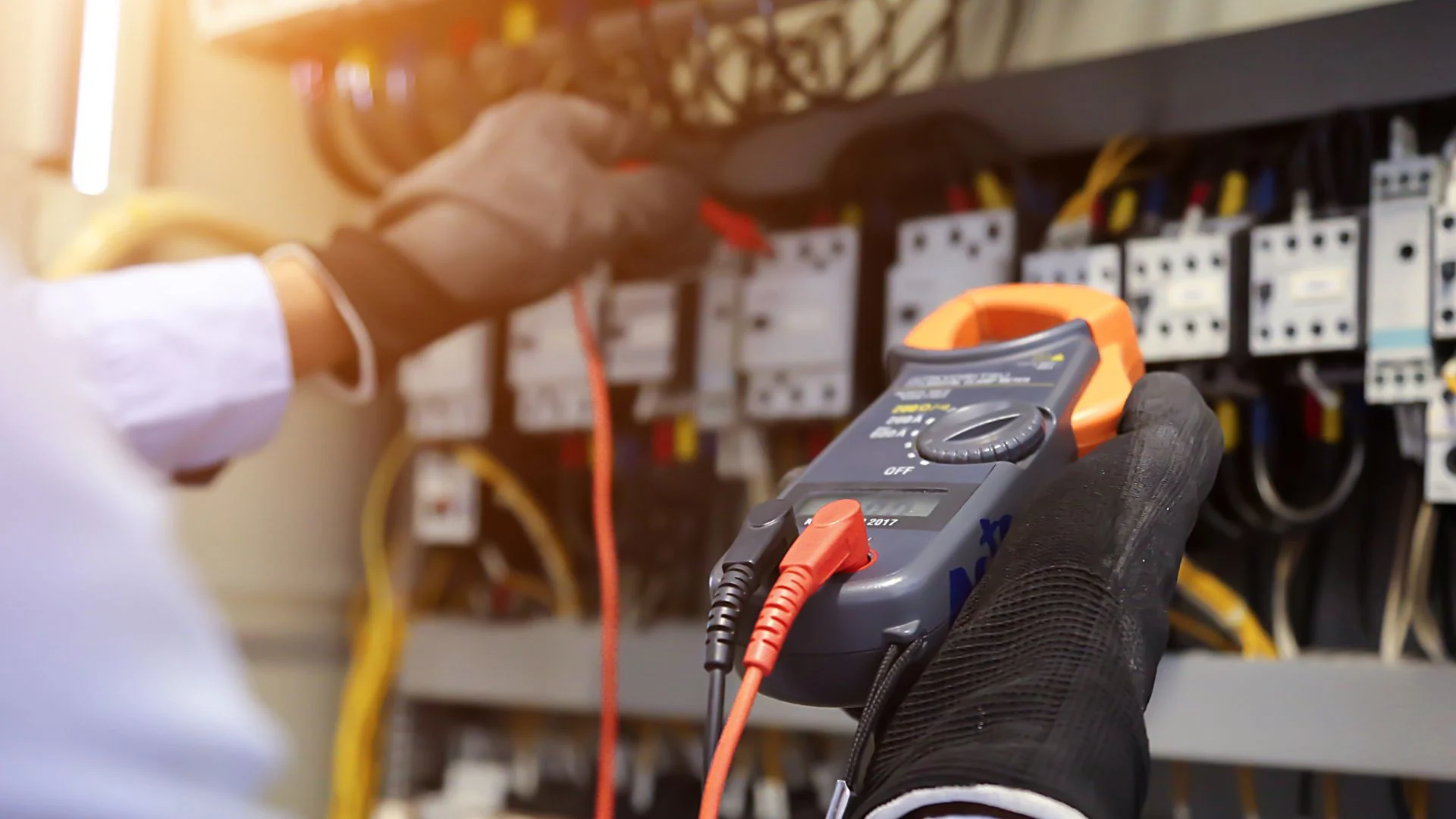
Electrician testing a newly upgraded electrical panel in Bend home.

How To Know When It’s Time To Upgrade Your Electrical Panel

Most of the time, electrical panels go unnoticed. However, this unobtrusive electrical device plays a major role in your home’s safety. If it isn’t working right, the safety of your loved ones could be at risk.

At Central Oregon Heating, Cooling, Plumbing & Electrical, we can help Bend and Redmond homeowners figure out the best electrical panel upgrade for their home’s size and electrical needs. Learn more by giving us a call today.

Why Your Electrical Panel Matters

Your electrical panel is like the beating heart of your home’s electrical systems. Power enters your home through the electrical panel and is distributed to different appliances and outlets. 

A power surge can fry your appliances and lead to a fire. The electrical panel protects your home by stopping consistent overcurrent and short circuits from causing problems. When power levels fluctuate, it trips the breaker and cuts off power to that zone. 

If your electrical panel isn’t working properly, it can lead to damaged appliances and faulty wiring. Worse still, malfunctioning panels increase the likelihood of fires and electrocutions. Because of this, it’s essential to schedule electrical panel replacement and repair services as soon as you notice a problem.

Signs You Need To Upgrade Your Electrical Panel

There are a few common indicators that you need to upgrade your electrical panel. If you experience flickering lights or burning smells, give our experienced electricians a call right away.

Frequent Breaker Trips

It’s normal to have a breaker trip every once in a while. If your breakers trip all the time, it may mean that there is an underlying electrical problem that needs to be repaired.

Flickering or Dimming Lights

Another one of the most common signs you need a new electrical panel is flickering or dimming lights. This symptom means that there is something causing your home’s power to fluctuate, so you need to diagnose the issue.

Burning Smell or Warm Panel

Your panel should never feel warm to the touch. If you notice warmth or a burning smell, your electrical components may be malfunctioning and causing the panel to overheat. This is a major electrocution and fire risk, so call for emergency services.

Use of Fuses Instead of Breakers

If you have a fuse box, it’s time to get an electrical panel upgrade. Fuses aren’t inherently dangerous, but there are major safety issues related to the way they are used. Rather than having a break switch on and off, fuse boxes rely on a fuse actually blowing. Sometimes, people replace the fuse with a penny because they don’t have a replacement fuse. However, a penny can’t just blow like a fuse when there’s too much power. Instead, it creates a permanent short circuit. As a result, fuse boxes can increase the risk of overheating, melting, and fires.

In more recent decades, builders have started opting for breaker panels instead of fuse boxes. If you still have one of these older systems, it’s time to schedule an upgrade.

Panel Is 20–30+ Years Old

As electrical panels start to age, they are more likely to develop faulty components. For your family’s safety, it’s a good idea to upgrade a breaker panel that is already 20 to 30 years old. Before we perform the upgrade, we can also check to make sure your home’s electrical wiring and outlets are still functioning properly.

Adding New Appliances or EV Charger

Your breaker panel is designed to support a certain electrical load. If you install an EV charger or get new appliances, you’ll need to get a new electrical panel that has a higher capacity.

Benefits of Upgrading Your Panel

If you are experiencing electrical issues, one of our skilled electricians can evaluate your home and help you determine when to replace electrical panels and other systems. Once the replacement is complete, you can enjoy a few important benefits.

  • Increased Safety: By updating your electrical panel, you can protect your family from fires, electrocutions, and other electrical hazards.
  • Better Energy Efficiency and Reliability: Newer panels have a higher level of energy efficiency. Switching to a new panel also means fewer breakdowns and more reliable, consistent energy. 
  • Improved Home Value: Safer, more energy-efficient electrical systems can increase your home value.
  • Enhanced Capacity: Older electrical panels simply weren’t designed for all of today’s modern appliances, EV chargers, smartphones, and gaming systems. In one survey, 29% of homes had 100-amp panels. While this may work for smaller homes with minimal electrical needs, you may need a larger capacity if you have home additions or new devices. By upgrading your panel, you can ensure your system can handle all of your family’s electrical needs.

Why Hire a Professional Electrician

If you need an electrician for panel upgrades in Bend, OR, our team can help. People turn to our team for electrical upgrades for a few important reasons. 

  • Peace-of-Mind Licensing: You should never try to perform electrical work on your own. Because we have experienced, licensed electricians, you can enjoy having code-compliant, high-quality results.
  • Easy Permits: Thanks to our local experience, we understand what type of permits are required. We handle the paperwork, so you don’t have to worry about whether your work is up to code or not.
  • Improved Safety: Your electrical systems can cause a fire if they aren’t properly repaired and installed. By partnering with our team, you can ensure your family is protected and avoid the safety risks associated with DIY repairs.
  • Local Expertise: Since 1993, our experienced team has provided the top-rated home services in Redmond, Bend, and the surrounding areas. Over the years, we’ve become a trusted part of the community.

Ready for an Upgrade?

It can be difficult to figure out when you need an electrical panel upgrade. If you are dealing with unusual electrical issues or can’t remember the last time the panel was replaced, our team can help. We’ll inspect your electrical systems for undersized wiring capacity, corrosion, inadequate grounding, and wear. 

Then, we’ll walk you through our recommendations and how the repairs will work. If you need an electrical panel upgrade, we’ll give you a transparent, upfront quote before performing the replacement. From a money-back guarantee to same-day services, we do everything possible to ensure homeowners have an easy experience.

Schedule your electrical panel inspection today!

Your Home’s Electrical Panel: Understanding Circuit Breakers and When to Consider an Upgrade

When it comes to electrical systems, your home electrical panel plays a key role in protecting your home. If a circuit is overloaded, the breaker trips. This protects your family and home from overloaded circuits, shorts, and other safety issues. 

Unfortunately, many homes in Central Oregon don’t have the electrical panel capacity they need. If you have an outdated or undersized panel, it’s important to get an update. Additionally, you may need a panel upgrade if new appliances or renovations significantly increase your home’s electrical demand.

For more information about electrical panel safety, reach out to Central Oregon Heating, Cooling, Plumbing & Electrical today.

When Does an Electrical Panel Need To Be Upgraded?

You may need an electrical panel upgrade if the panel has suffered from physical damage, your home’s electrical demand has increased, the panel has insufficient capacity, or the unit is outdated or faulty. 

When determining the size of your new panel, we’ll look at your available breaker space, current load, and load management. Our team will also consider your future load, so you get a panel that matches your home’s ongoing needs.

What Is an Electrical Panel and What Does It Do?

The electrical panel is like the central command center of your home’s electrical system. Also known as a service panel or breaker box, the electrical panel is responsible for distributing power throughout your home. It contains circuits that connect to different appliances or areas. 

Electrical panels are uniquely designed with circuit breakers. These circuit breakers are a safety feature that prevents overloaded circuits, fires, damage to your appliances, and other electrical hazards. When there is excessive current in a specific circuit, the breaker trips. This interrupts the flow of current through the affected circuit and creates an added level of protection.

Often, you’ll hear people talk about the safety of a fuse box vs. a breaker panel. Unlike the breaker design, fuse boxes had actual fuses that connected the fuse box to the rest of the home. When an overload or short circuit occurred, the fuse would actually blow and have to be replaced. 

Older homes may still have fuse-based electrical systems. A fuse box does not automatically mean the system is unsafe or requires immediate replacement, but its condition, available capacity, wiring, modifications, and ability to meet current electrical demands should be evaluated by a qualified electrician.

The real safety problem was due to user error. When a fuse blew, many people would replace it with pennies or other non-fuse items. While this allowed electricity to flow again, it completely negated the safety benefits of using a fuse box. If too much power flowed through the circuit, the penny would not blow or trip, increasing the likelihood of a fire.

Because of this, modern homes are designed with a circuit breaker panel instead of a fuse box. If you still have a fuse box, it’s a good idea to reach out to our team to discuss getting an upgrade.

What Are Major Components in Your Electrical Panel?

In order to function, each component in the electrical panel must be functioning at its best.

  • Main Breaker: The main breaker can disconnect power to the home’s electrical panel and provides overcurrent protection for the service conductors based on the system’s design and rating.
  • Individual Breakers: Each individual breaker is connected to specific appliances and circuits. They trip to protect the circuit from becoming overloaded.
  • Bus Bars: These are heavy, copper or aluminum strips within the panel that are designed to carry electricity from the main breaker to the individual breakers.
  • Grounding and Bonding: Grounding and bonding provide important paths for fault current and help reduce shock and other electrical hazards.

How Circuit Breakers Work

Each year, there are around 51,000 home electrical fires. These fires lead to around $1.3 billion in property damage, 1,400 injuries, and 500 deaths every year. 

Your breaker panel is your home’s frontline defense against overheating and electrical fires. Each breaker is set up to connect to a specific area or appliance. When everything is functioning normally, the breaker forms a connection through which the electricity can flow. Standard circuit breakers primarily protect wiring and circuits from excessive current caused by overloads or short circuits. When current exceeds the breaker’s designed limits, it opens the circuit. Breakers are not a substitute for surge protection, which is designed to limit transient overvoltage.

Breakers can trip for a few common reasons. Because there are multiple reasons why a breaker might trip, this symptom occurring doesn’t automatically mean that you need a breaker panel upgrade.

Overloaded Circuit

An overloaded circuit can occur if there are more appliances and devices plugged into a circuit than the circuit is designed to handle. When this happens, the excess current makes the wiring overheat. Eventually, this can lead to a fire.

Even if you don’t have too many devices plugged into a circuit, it can still become overloaded. High-wattage devices, like microwaves and hair dryers, pull a lot of energy. If two high-wattage devices are used at the same time, it can overload the circuit.

Short Circuit

Short circuits happen when a hot wire touches a neutral wire. Often, this happens when the wires become loose. Short circuits can cause sparks and are an electrical hazard, so they should be dealt with promptly.

Ground Fault

With a ground fault, a hot wire touches a grounded object, such as a metal appliance. When this occurs, the electrical current can flow out of your electrical system. Besides posing a fire hazard, it can also shock anyone who comes in contact with the electrical current.

As a homeowner, you should reach out as soon as you notice any issues with ground faults, short circuits, or overloaded circuits. Any time your breaker trips frequently, it indicates that there is an underlying problem that needs to be repaired right away.

Signs Your Electrical Panel May Need an Upgrade

There are a few common signs of a failing electrical panel that you should watch out for. While some symptoms indicate a safety issue or problem, others are signs the electrical panel needs an upgrade or a larger capacity.

Signs of Safety Issues and Other Problems

These symptoms indicate that the electrical system should be inspected promptly. They do not necessarily mean the entire panel must be replaced.

  • The electrical panel is warm to the touch.
  • You notice a burning odor.
  • Strange sounds are coming from the panel.
  • Your lights keep flickering or dimming.
  • Sparks occur when you plug in appliances.

Capacity and Upgrade Triggers

Meanwhile, your electrical panel capacity or panel design may need to be upgraded in the following situations.

  • Your home still uses a fuse box.
  • You are adding high-demand systems, such as an HVAC system, new hot tub, or other appliances.
  • You are installing a home addition.
  • Your electrical panel is already 25 to 30 years old, and either lacks the capacity you need or has performance issues.
  • You are installing a solar system.
  • Your home needs a panel upgrade for an EV charger.

An electrical panel replacement may be necessary if an older panel is damaged, has known safety concerns, or no longer meets the home’s electrical needs. As panels age, condition, components, capacity, previous modifications, and equipment type become increasingly important inspection factors.

Additionally, they may not comply with modern code requirements. To make sure your family and home are safe, give Central Oregon a call today to assess your circuit panel and electrical systems.

Why Are Electrical Panel Upgrades Important?

By learning when to upgrade an electrical panel, you can protect your family and your belongings from fires and electrical hazards. With a panel upgrade, you can make sure your home’s electrical system is able to manage today’s energy demands. This is especially important if you have an older panel, are installing new appliances, or want to add on to your home.

Electrical panels are a key safety system. They allow you to use energy as efficiently and securely as possible. Through the electrical panel, you can avoid overloads and fire risks. Because of these safety features, a panel upgrade may be required to meet modern insurance requirements.

Additionally, improved electrical safety may increase your home value and help with future upgrade plans. Solar panels, heat pumps, and electric vehicles may require a higher electrical capacity. Whether these additions require a new panel depends on your existing electrical capacity, available breaker space, equipment requirements, and other loads.

What’s Involved in an Electrical Panel Upgrade?

When our team comes out to assess your home for an electrical panel upgrade, we’ll go through the following steps. 

  • Electrical Load Calculation: First, we’ll calculate the ideal electrical capacity for your home. We will also talk to you about any appliance upgrades or additions you will be making, so you’re ready for your future needs as well.
  • Main Service Panel and Breaker Replacement: Then, we will remove your old panel and replace it with a new one.
  • Utility Coordination: For panel, meter, and service upgrades, we’ll coordinate with your local utility provider to ensure a safe, streamlined process.
  • Grounding and Bonding: Our team will carry out grounding and bonding to protect your system.
  • Local Permits: Throughout the process, we’ll work with your city and county permitting department to make sure you’re up to code. We have more than 30 years of experience working in Central Oregon, so we understand the permitting requirements involved in performing local electrical work.
  • Inspection and Testing: Our team will thoroughly test and inspect your upgraded system to verify that it is functioning at its best.
  • Circuit Labeling: If new circuits are added, we’ll ensure they’re labeled in accordance with the NEC and local building codes.

In most cases, we can complete the entire upgrade in just four to six hours. While this timeline can vary based on the complexity of your electrical system and any existing issues, it rarely takes us longer than a day to complete the work.

Electrical panel upgrades aren’t DIY projects. The electrical panel is an important safety device for your home and is responsible for handling a significant amount of electricity. If it isn’t installed properly, it can put the health and safety of your loved ones at risk. Because of this, electrical panel replacements should only be handled by licensed, experienced electricians. 

COH’s certified electricians specialize in safe, code-compliant panel upgrades. Call today to learn more.

When Do You Need an Electrical Panel Upgrade vs. Electrical Service Upgrades?

An electrical panel upgrade typically involves replacing or modifying the distribution panel and breakers. An electrical service upgrade increases or changes the home’s electrical-service capacity and may involve the panel, meter equipment, service conductors, utility coordination, and related components.

You may want to upgrade your electrical service if you’re installing an EV charger, hot tub, or solar panels and require the added capacity. Additionally, you may need a panel upgrade for heat pump, air conditioner, or furnace installations.

It’s also important to note that having a full electrical panel with no available breaker spaces doesn’t automatically mean your service must be upgraded. 

A full panel does not automatically mean the home’s electrical service must be upgraded. Depending on the existing equipment and load calculation, an electrician may be able to use approved breaker configurations, install a subpanel, add load-management equipment, or recommend another solution without increasing the service capacity.

Should You Repair or Replace Your Electrical Panel?

As a general rule, you can repair the panel if the problem is isolated, there is no physical damage, and the issue was a single event. Similarly, repairs make sense if the problem is something basic, like a loose connection. 

A full replacement may be needed if you have outdated equipment, experience frequent tripping, or notice physical damage. Panel replacements are also important if you need to upgrade the panel’s capacity.

Is a Panel Upgrade Necessary?

When evaluating electrical panels in Central Oregon homes, our electricians look beyond the panel’s age. We inspect the panel and main breaker, connections, branch circuits, grounding and bonding, available breaker space, and overall electrical load before recommending repairs, a panel replacement, or a service upgrade. For a better understanding of when upgrades are necessary, check out the following basic guide.

EV Chargers

Installing a Level 2 EV charger does not automatically require a panel or service upgrade. An electrician should perform a load calculation and evaluate service capacity, available breaker space, charger requirements, and other household loads. In some homes, load-management equipment can help accommodate EV charging without increasing service capacity.

Heat Pumps

Heat pumps may necessitate a panel upgrade if you are replacing a gas, propane, or oil furnace with a heat pump. Cold-climate heat pumps that are energy efficient and not designed with backup heat strips may not require a new panel, especially if you are replacing an older heat pump.

Solar Panel Systems

You may need to set up a new panel for a solar panel system if your inverter exceeds the amount of power that can be safely fed into your panel. However, your installer may sometimes be able to perform a line-side tap to avoid this issue.

Generators

Generators may require new panels if the existing panel doesn’t have space for a transfer switch or can’t be safely isolated from the grid. Whole-home generators are more likely to require an updated panel than partial-home generators. You may be able to use your current setup if you opt for a manual transfer switch. 

Hot Tubs

A hot tub adds a significant electrical load, but it does not automatically require a panel or service upgrade. The electrician should evaluate the equipment’s electrical requirements, available service capacity, panel space, and existing household load.

Renovations

Home additions may require a panel replacement if they involve multiple high-draw appliances, larger or additional HVAC equipment, or a large square footage increase. However, an addition that has few electrical connections, lighting, or appliances may not necessitate a new panel.

What Homeowners Can Safely Check

As a homeowner, you can safely troubleshoot using the following tips. If these do not fix the problem, you’ll need to reach out for professional help.

  • Check the outside of the panel for signs of rust, scorch marks, or heat.
  • Verify that breakers are correctly labeled and haven’t been tripped.
  • Note buzzing noises, burning smells, flickering lights, or other problems that are occurring within your home.
  • For your safety, never remove the panel cover or attempt electrical repairs on your own.

When To Call a Professional

Unfortunately, electrical malfunctions can occur without causing any obvious signs. As soon as you notice signs of a problem, it’s essential to reach out right away. Even minor problems can quickly become dangerous if they aren’t dealt with. 

You should reach out to Central Oregon immediately if you notice any of the following physical warning signs that something is wrong with your panel.

  • Burning Odors: These smells can occur if wire insulation is burning or there is any arcing.
  • Scorch Marks Near the Panel or Outlets: Melted plastic, scorch marks, and similar symptoms indicate that there was overheating.
  • A Warm or Hot Panel: You may notice this symptom if the main panel is failing or there is an electrical overload.
  • Buzzing or Humming: These noises may occur due to electricity jumping across loose or damaged wire connections.
  • Rust and Water Damage: These symptoms indicate that moisture is present, which can damage connections and potentially cause an electrical shock.

At Central Oregon, we can handle all of your emergency electrical repairs. We can also conduct a full inspection to make sure your circuit breaker panel is up to date and operating safely. 

Book an electrical panel assessment today to learn more.

Frequently Asked Questions

Over time, we’ve heard a few common questions about electrical panel upgrades. 

Do I need to upgrade if everything seems to be working fine?

While there is generally no requirement to upgrade your electrical panel, there are many circumstances where it is a good idea. For example, you should upgrade your panel if you’re increasing your home’s electrical needs with a new appliance or renovations. 

Similarly, you should strongly consider replacing an outdated electrical panel. Certain legacy panel and breaker designs, including some Federal Pacific Electric (FPE) and Zinsco equipment, warrant professional evaluation because of documented concerns associated with particular equipment and installations. The panel’s specific model, condition, modifications, breaker performance, and overall electrical system should be assessed before recommending replacement.

 and should be evaluated by a qualified electrician. It may also be necessary to replace older panels that are damaged or lack the appropriate electrical capacity.

How much does an electrical panel upgrade cost?

The exact cost of your panel will depend on the scope of the project. For example, it can vary based on whether you need the meter box replaced or the panel relocated. The condition of your existing system, the panel and service size, meter replacements, additional equipment requirements, permitting, location, wiring updates, grounding, and other factors can impact the final price. To find out the price range you can expect, schedule a free estimate with our Bend electricians today.

How long does it take to upgrade a panel?

Electrical panel upgrade timelines vary based on the scope of work, existing equipment, utility coordination, permitting and inspection requirements, and whether the electrical service is also being modified. Our team can provide a project-specific timeline after evaluating the home.

When it comes to electrical work, it pays to work with a local team. Each area has different code and permitting requirements, so you need to find an electrician who understands local needs and can avoid permitting delays. 

How do I know if I need a 100-amp or 200-amp service?

There is no single service size that is right for every home. A 100-amp service may be sufficient for some homes, while others may need 200 amps or more depending on their electrical demands. Rather than relying on home size alone, an electrician should perform an electrical load calculation that considers lighting, appliances, HVAC equipment, EV charging, and other current and planned electrical loads. This helps determine the appropriate service capacity for your Bend or Redmond home without recommending an unnecessary upgrade.

How long do electrical panels last?

It depends on the brand, maintenance history, and usage patterns. Many panels last 25 to 40 years, but they can last significantly more or less than this estimate based on wear and other factors.

Do I need a panel replacement if I get a new EV charger?

Not always. It depends on the size of your current panel. You may also be able to use a smart load management device to manage high-draw appliances with your existing panel.

Do I need an electrical panel upgrade for a heat pump?

Not always. Whether a heat pump requires an electrical panel upgrade depends on the equipment’s electrical requirements, your existing service capacity, available breaker space, current household load, and whether auxiliary electric heat is included. An electrician can perform an electrical load calculation to determine whether your existing panel can support the new heat pump or an upgrade is necessary.

Does a full electrical panel mean I need a service upgrade?

Not necessarily. Running out of breaker spaces is different from running out of electrical capacity. Depending on the panel, existing load, and planned equipment, an electrician may be able to install a subpanel, use an approved panel configuration, or add load-management equipment. A load calculation helps determine whether additional service capacity is actually required.

Learn More About Electrical Panel Upgrades

To ensure the safe distribution of power in your home, you may need an electrical panel upgrade. With safe electrical systems, you can ensure the safety of your home and have better peace of mind. An upgrade can also help you prepare for future renovations, new appliances, or a larger family. 

When evaluating electrical panels in Central Oregon homes, our electricians look beyond the panel’s age. We inspect the panel and main breaker, connections, branch circuits, grounding and bonding, available breaker space, and overall electrical load before recommending repairs, a panel replacement, or a service upgrade.

If you need a higher electrical capacity, we can help. At Central Oregon Heating, Cooling, Plumbing and Electrical, we can help with all of your panel inspections, upgrades, and rewiring needs. We’ve served Redmond and Bend homeowners with top-rated services since 1993. From a cost-effective membership plan to circuit breaker repairs, we offer the high-quality results residents are looking for.

Whether you’re dealing with an older home or are planning a new addition, Central Oregon can make sure your electrical panel is ready for the future. 

Reach out today for a professional assessment in the Redmond, Bend, and Madras area.


Electrician in Central Oregon fixing an electrical failure in winter.

How to Prevent Winter Electrical Problems in Bend & Redmond

In Bend and Redmond, wintertime weather brings freezing nights and heavy snow. As a result, many homeowners use higher levels of electricity. With this surge in demand, there is a resulting increase in electrical safety risks. Additionally, space heaters, frozen outdoor wiring, holiday lights, and furnaces all contribute to potential electrical hazards. 

Common winter electrical problems include frequently tripped breakers, flickering or dimming lights, tripping GFCI outlets, power surges, overloaded circuits, space heater hazards, and problems with outdoor wiring or older electrical panels. Higher winter electricity use, snow, and moisture can expose weaknesses that may not be noticeable during milder weather.

At Central Oregon Heating, Cooling, Plumbing & Electrical, we can help with all of your winter electrical problems. Whether you are struggling with a circuit breaker tripping in winter or need power surge repair in Bend or Redmond, OR, our team of licensed electricians can help you spot potential problems, prevent hazards, and get timely electrical repair services.

Why Are Electrical Problems More Common in Winter? 

As the weather starts to turn colder, a range of factors converge to make winter electrical problems more likely. Because of how these systems are set up inside walls and ceilings, it can be difficult to notice the signs that your home is having electrical malfunctions. To ensure your family’s safety, it’s important to call an electrician in your area for an electrical inspection done at least once every two to five years. 

During winter, the following situations increase the likelihood of electrical problems.

  • Cold Weather: During the wintertime, you use your heating systems more to keep your home warm. Because people often spend more time indoors at this time of year, they’re more likely to use their electrical appliances more often. Thanks to this increased usage, electrical malfunctions are more likely.
  • Power Outages: Unfortunately, winter often brings storms in Central Oregon. These storms can bring along a couple of inches to more than a foot of snow. The wind and snow can cause power surges and outages, increasing the likelihood of other electrical issues.
  • Older Homes: There are a number of older homes located in Bend and Redmond. These homes often have older wiring and old panels that are more likely to malfunction. Additionally, old homes weren’t designed for all of the electrical appliances we have today, so the wiring and panels might not be capable of handling modern energy needs. 
  • Sub-Zero Temperatures: Central Oregon is known for having sub-zero temperatures in the winter. When this happens, many homeowners rely heavily on supplemental heating, increasing the likelihood of electrical hazards.

7 Common Winter Electrical Problems

Whether you’re worried about frozen wiring, outdoor lighting, space heater electrical issues, or flickering lights in winter, you can call an emergency electrician in Bend, OR, for help. Our team can troubleshoot the symptoms and help your family stay safe this winter. Electrical malfunctions can lead to fires, electrocutions, and damaged appliances, so give us a call if you notice any of the following winter electrical problems.

Frequent Circuit Breaker Trips

If you’re dealing with a circuit breaker tripping in winter, it’s a good idea to get it checked out. This situation can occur when you have overloaded circuits in cold weather. For example, you may have space heaters plugged in with your normal appliances. 

Unfortunately, this is a fairly common problem in the Bend and Redmond area. Many homes need extra heating devices to stay warm, so multiple appliances end up plugged into the same outlet. 

To prevent your circuit breaker from tripping in winter, you should try to distribute the load among different outlets. You can also set up dedicated circuits for your appliances that pull a lot of energy, such as your space heaters, refrigerators, and large appliances. 

If you have an older home, we can talk to you about getting an electrical panel upgrade in Redmond, OR. Many older homes don’t have the right panels for today’s high electrical demands, necessitating an upgrade.

Flickering or Dimming Lights 

If you experience flickering lights in the winter, the good news is that you’re not stuck in an old horror movie. However, your home is likely experiencing failed wiring or overloaded circuits in the cold weather.

During winter, you end up using more energy because of your home’s heating needs. This overloads the wiring systems and circuits if they weren’t made to match this capacity. 

While flickering lights might not feel like a major problem, they represent a significant safety hazard. Persistent flickering or dimming can have several causes, including loose electrical connections, overloaded circuits, failing components, or voltage fluctuations. If lights regularly flicker when heating equipment or major appliances start, or the issue affects several areas of the home, an electrician should determine the cause.

Over time, this strain can damage your appliances and electronics because of the inconsistent voltage. Eventually, it can also trigger an electrical fire. 

Unfortunately, this isn’t a DIY electrical repair. The only way to find and repair the source of the electrical problem is by calling an emergency electrician in Bend, OR. 

Power Surges & Storm-Related Issues 

After a spike in electricity, you may need to schedule power surge repair in Bend, OR. Lightning and snowstorms can cause power surges to happen. This type of surge can end up damaging your electrical systems, home electronics, and HVAC equipment. Besides leading to more expensive repairs, this type of damage can also heighten the risk of safety issues for your loved ones. 

At Central Oregon Heating, Cooling, Plumbing & Electrical, we can protect your home by installing a surge protection system. Once the unit is installed, it can absorb and dissipate excess power safely during unexpected power surges. Besides preventing fires and protecting your home’s appliances, high-quality surge protection can also help you achieve better peace of mind. 

When we install a surge protection system, we set up the unit at the electrical panel. This allows it to safeguard your home’s electrical systems at the distribution source before the electricity is sent out to all of your appliances. 

Whole-home surge protection is typically installed at the electrical panel, where it helps limit damaging transient voltage before it reaches sensitive appliances and electronics throughout the home.

Dead Outlets or Malfunctioning Switches 

Another one of the most common winter electrical problems is dead outlets. GFCI outlet problems in winter can happen if moisture gets into the outlet. This is more likely to occur with outdoor outlets. After this occurs, the moisture triggers a ground fault and a tripped outlet. 

An outlet may stop working for a few key reasons. A faulty GFCI outlet, loose wiring, tripped circuit breakers, and worn-out outlets can cause a dead outlet. If you have a dead outlet, you may notice some of the following issues.

  • A complete lack of power from the outlet
  • Flickering lights on the same electrical circuit from a faulty connection
  • Burning odors
  • Scorching or discoloration at the outlet
  • A loose-fitting plug from a worn-out outlet

Any signs of water damage, moisture, or overloaded circuits should be dealt with right away. For example, buzzing and sparking noises indicate overloaded components, loose wiring, and electrical malfunctions. These issues can lead to an electrical fire, so they must be taken seriously. 

Older homes are more likely to have aluminum wiring and wiring that doesn’t match the existing electrical demand, increasing the likelihood of a fire. If you notice a dead outlet, it’s time to schedule repairs and a professional home electrical inspection in Bend, OR.

GFCI Outlet Problems in Winter

When the temperatures start dropping, the odds of frozen wiring in outdoor areas increase. Moisture intrusion can happen on warmer days, leading to frozen outdoor outlets and wiring once temperatures drop below zero. 

Because of these issues, GFCI tripping is more common during damp and cold weather. The moisture creates a ground fault, which causes the outlet to trip. If this problem continues, you should call one of our electricians for help. We can either repair the existing GFCI outlet or replace it with a GFCI outlet that is more resistant to outdoor weather conditions.

Space Heater Hazards

Heating equipment is one of the leading causes of household fires in the United States. About one-third of home heating equipment fires, as well as the majority of deaths and injuries, are due to space heaters. 

In the winter, Oregon residents often bust out their space heaters to take the chill off. While this supplemental heat source can warm up your home, it can also be dangerous. When homeowners use extension cords and the wrong outlets, the normal risk of space heaters is increased even more. 

If you’re struggling to stay warm this winter, consider some of the following safer alternatives to using space heaters.

  • Update the insulation in your home.
  • Get a professional consultation to determine if your furnace or heat pump capacity is adequate. 
  • Set up a heat-circulating fan so that warm air reaches the entirety of your home.
  • Use rugs and thick curtains to add an extra layer of insulation.

Space heater electrical issues are incredibly common and can quickly become dangerous. To keep your family safe, remember to never use extension cords with your space heater and only use power outlets that are designed for the space heater’s electrical capacity. 

Old Electrical Panels & Wiring Failures 

If you have an outdated electrical panel, it may be time to schedule your next electrical repair and replacement. Many older homes were designed with panels that are inadequate for the electrical demands of modern families.

Because of this, it’s a good idea to schedule a professional electrical consultation. Our licensed electricians can review your home’s existing energy capacity and the electrical load you need to supply. Then, we can recommend the best electrical upgrades for your system.

Outdoor Wiring, Snow & Extension Cord Hazards

If you experience frozen outdoor wiring, you should reach out to an emergency electrician in Bend, OR. Any time you have frozen wiring, heated hoses, or extension cords in the snow, it poses a potential electrical safety risk. Because of how these systems are exposed to the snow, they can develop cracked insulation and short circuits. 

To avoid common winter electrical problems and keep your family safe, remember to use the following outdoor safety tips.

  • Keep your outdoor lighting fixtures well-maintained.
  • Install weatherproof outlet covers to keep snow and moisture out of your power outlets.
  • Ensure your family’s safety by installing GFCI outlets.
  • Inspect and repair damaged wiring.
  • Extension cords should not be used as a substitute for permanent wiring. Use only cords rated for the equipment and environment, and replace damaged cords immediately.
  • When using an extension cord outdoors, make sure it is rated for outdoor usage.
  • Elevate cables and electrical connections so that they aren’t sitting in the snow.
  • Never overload your extension cords or power outlets.
  • When equipment is not in use, it needs to be disconnected. Make sure the plug and electrical components aren’t left on the ground or in the snow.

Electrical Warning Signs You Shouldn’t Ignore 

As a homeowner in Bend and Redmond, there are a few common signs that your home may be having winter electrical problems. Because electrical malfunctions can be dangerous, it’s essential to reach out for electrical repairs as soon as you notice the following signs. 

  • Burning Smells: The smell of something burning may mean that wiring or electrical components are melting. Insulation in the wall may also be melting if it is next to an overheated wire. You may have overloaded circuits, loose wiring, or a malfunctioning outlet. Turn off the circuit or unplug the appliance and call one of our electricians right away for help.
  • Sparking Outlets: If you notice a yellow spark when you use an outlet, it means you may have moisture damage, a worn outlet, or loose wiring. Again, you should stop using the outlet completely until you have had a chance to schedule a home electrical inspection in Bend, OR.
  • Breakers That Won’t Reset: When a breaker won’t reset, it’s because there is an underlying issue. Circuit breakers are like a fail-safe for your system. A circuit breaker is designed to interrupt the circuit when electrical current exceeds safe limits, such as during an overload or short circuit. A breaker that repeatedly trips or refuses to reset can indicate an underlying problem that should be diagnosed before the circuit is used again.
  • Frequent circuit breaker tripping in winter indicates a faulty breaker, short circuit, or ongoing electricity overload, necessitating professional electrical repair services.
  • Buzzing Sounds in Your Walls or Panels: Another common indication of a problem is when you have a buzzing noise in your walls or panels. Often, this happens because you have loose connections that are vibrating as they pull power. It can also occur due to overloaded circuits and faulty circuit breakers. No matter what the cause, this is another issue that has to be addressed by a professional.
  • Heat Buildup in Your Outlets or Switches: If your switch or outlet feels warm to the touch, it is because heat is building up in it. This problem can occur because of damaged outlets, overloaded circuits, or faulty appliances. If an outlet or switch feels unusually warm, stop using it and reduce the connected load. Persistent heat, discoloration, burning odors, buzzing, or other signs of overheating should be evaluated by an electrician.
  • For more challenging repairs, reach out to one of our experienced electricians for professional support. 

How to Prevent Winter Electrical Problems

Whether you need an outlet replaced or power surge repair in Bend, OR, the right response can save you time and money. To ensure your family’s safety, it is also important to maintain your electrical systems. The following preventative maintenance activities can help you avoid costly, dangerous electrical repairs down the road.

  • Schedule Pre-Winter Electrical Inspections: While you technically only need to have an electrical inspection every two to five years, more frequent inspections are ideal. When you get your HVAC system checked out each fall, it’s a good idea to schedule an electrical inspection at the same time. That way, you can get any problems diagnosed and repaired before your electrical demand surges in winter.
  • Install Surge Protectors: You can’t control what the weather does, and Central Oregon is known for having winter storms. To avoid sudden surges from lightning or snowstorms, install a surge protector in your home. Over time, the surge protector can help you save money by preventing damage to your electrical appliances and electrical systems.
  • Avoid Overloading Circuits With High-Draw Equipment: HVAC systems and space heaters pull a lot of power, and they don’t simply run for a couple of minutes and switch off. You need to use dedicated circuits for these systems to avoid unintentionally overloading the circuit.
  • Replace Damaged Cords & Avoid Extension Cord Overloads: Extension cords present a major fire risk and electrical safety hazard. You should never use damaged cords. Even when the cord is working perfectly, it should never be overloaded or used for more than a couple of days at a time. If you need the extension cord as a permanent solution, it’s better and safer to just update your home’s wiring system instead.
  • Upgrade Your Electrical Panel for Modern Usage: The majority of American homes didn’t have electricity until the 1920s and 1930s. Even then, the amount of electricity used was minimal compared to what it is today. If your home is more than a couple of decades old, it needs an updated electrical panel. Previous generations didn’t have as many HVAC systems, gaming systems, televisions, and smart home devices pulling energy. To ensure your safety, you need electrical panels that match your current usage patterns.
  • Learn About Safe Holiday Lighting Setups: To light your home safely, you should always use UL-approved lighting. Your outlets should never have more than three strands of lighting per connection. Before setting up your holiday lights, make sure all of the extension cords and lighting are in good condition. You should never use nails to secure lighting. Instead, use approved clips. Because lighting should always be turned off when you’re away or asleep, you may want to set up a timer.

When To Call a Professional Electrician

When you need an electrical repair, it’s a good idea to reach out for professional help. DIY electrical repairs can result in an electrical shock or fire hazard, so it is essential to exercise caution. You should always call one of our experienced electricians for help in the following situations.

  • Persistent Breaker Tripping: Anytime the breaker keeps tripping after you reset it, you should schedule a professional inspection and electrical repairs.
  • Burning Odors: Burning smells and melted wires are signs of major electrical problems. They also present a potential electrical hazard, which is why they require professional help.
  • Repeated Power Outages: If you continue to have power outages that appear to be connected to your home’s wiring system, reach out for help right away.

When an electrical problem appears, you need a licensed local electrician in Bend and Redmond. Our local electricians understand the local climate, so we can help you set up safe, long-lasting electrical systems.

Winter Electrical Services in Bend & Redmond

Over the years, Central Oregon Heating, Cooling, Plumbing & Electrical has built a reputation by providing the electrical service throughout Bend and Redmond. Whether you want a full inspection or need power surge repair in Bend, OR, we offer a wide range of services you need. Local Bend and Redmond residents turn to us for a few key reasons.

  • Repair and Upgrade Skills: Our team has years of experience in installing new electrical systems and repairing existing problems. After inspecting your system, we can quickly determine which option will be the most cost-effective method for your family.
  • Local Expertise: We’re based out of Central Oregon, so we understand what the area’s winters are like and the best way to care for your electrical systems.
  • Emergency Services: Your electrical systems are more likely to break down during cold spells because this is the time of year when you use them the most. If you need an emergency electrician in Bend, OR, we have the 24/7 availability you need.
  • Exceptional Safety Record: Our licensed electricians have a long track record of providing safe, reliable services, so you can count on us to deliver the results you need.

When disaster strikes, our team of experienced electricians is available to help at any time of the day or night. We offer all types of electrical repairs, replacements, and inspections. Whether you need an emergency repair or an electrical wiring replacement, we are only a phone call away.

Protect Your Home From Winter Electrical Problems

Winter weather can put added strain on your home’s electrical system, especially when heating equipment, space heaters, holiday lights, and other high-demand devices are running more often. Staying alert to frequent circuit breaker trips, flickering lights, GFCI outlet problems, power surges, warm outlets, damaged wiring, and outdated electrical panels can help you catch potential issues before they turn into larger safety concerns.

If you notice recurring electrical problems or want to make sure your home is ready for colder weather, Central Oregon Heating, Cooling, Plumbing & Electrical can help. Our licensed electricians provide electrical inspections, wiring repairs, panel upgrades, surge protection, outlet repairs, and emergency electrical services in Bend and Redmond.

Don’t wait for a minor electrical issue to become a serious hazard. Contact Central Oregon Heating, Cooling, Plumbing & Electrical today to schedule professional electrical service and keep your home safer throughout the winter.

Frequently Asked Questions About Winter Electrical Problems

Why does my circuit breaker keep tripping in winter?

Circuit breakers may trip more often in winter when heaters, appliances, and other high-draw devices increase the electrical load on a circuit. Repeated trips can also point to a short circuit, faulty equipment, or another electrical problem, so persistent tripping should be checked by an electrician.

Why do my lights flicker or dim during cold weather?

Flickering or dimming lights can be caused by loose electrical connections, overloaded circuits, failing components, or voltage fluctuations. If the problem happens repeatedly or affects several areas of the home, an electrician should inspect the electrical system.

Can winter weather cause GFCI outlets to trip?

Yes. Outdoor GFCI outlets may trip when moisture, snow, or damaged weatherproofing creates a ground fault. If a GFCI continues to trip after being reset, avoid repeatedly resetting it and have the outlet and connected equipment inspected.

Are space heaters safe to use in winter?

Space heaters can be used safely when they are operated correctly. Plug the heater directly into an appropriate wall outlet, avoid extension cords and power strips, keep it away from combustible materials, and stop using it if the plug, cord, or outlet becomes unusually hot or damaged.

Can snow and moisture damage outdoor electrical outlets?

Yes. Snow and moisture can enter damaged or poorly protected outdoor outlets and electrical connections, increasing the risk of ground faults, short circuits, corrosion, and equipment damage. Weather-resistant covers and properly installed GFCI protection help reduce these risks.

Does an older electrical panel need to be replaced before winter?

Not necessarily. Age alone does not determine whether an electrical panel needs replacement. An electrician should evaluate the panel’s condition, capacity, available breaker space, and ability to safely support the home’s current electrical demand.

What are the warning signs of a serious electrical problem?

Warning signs include persistent breaker trips, burning odors, buzzing sounds, warm or discolored outlets, sparking, repeated flickering lights, and breakers that will not reset. These symptoms can indicate overheating, damaged wiring, loose connections, or other electrical faults.

How can I prevent electrical problems during winter?

Reduce unnecessary electrical loads, avoid using extension cords as permanent wiring, inspect outdoor cords and outlets, use space heaters safely, consider whole-home surge protection, and have recurring electrical problems evaluated before winter demand increases.

When should I call an electrician for a winter electrical problem?

Call an electrician when breakers repeatedly trip, outlets or switches become hot or discolored, lights continually flicker, GFCIs keep tripping, you smell burning, or you notice buzzing or sparking. These symptoms can indicate problems that should not be handled as DIY repairs.

Licensed technician repairing an AC repair in a Central Oregon home.

Why Isn’t My AC Working? 10 Common Reasons & Easy Troubleshooting Solutions

Nothing’s worse than a broken AC during a heat wave. If your AC is not working, Central Oregon Heating, Cooling, Plumbing & Electrical can help. 

In most cases, a malfunctioning AC is caused by one of the following 10 issues. While some of these problems require professional help, some of them can be fixed by the homeowner. Read on to learn which AC troubleshooting tips can be used for your current issues.

Quick Troubleshooting Checklist 

Our heating, ventilation, and air conditioning (HVAC) technicians have experienced all types of AC issues over the years. Before reaching out for our top-rated AC services, you can use the following checklist to troubleshoot the problem. If the following tips don’t work, give our team a call for professional support.

Step-by-Step Checklist

  • Check power systems, such as your breakers and switches, to make sure they are flipped on and fully functional. 
  • Ensure the thermostat is set correctly. It should be turned on to the cooling mode and set to the correct temperature. 
  • Inspect your filter and vents. Clean or replace your filters if they are dirty. You should also clean and open the vents.
  • Look at the outdoor unit for obstructions. From time to time, you should clean the condenser coils.
  • Listen for unusual sounds that may indicate the source of the problem.

10 Common AC Problems & How To Troubleshoot Them 

Even with the best care, an air conditioning unit can eventually break down. When that happens, you can use the following 10 AC troubleshooting tips to fix the problem.

1. No Power / AC Won’t Turn On

When an AC doesn’t turn on, the underlying problem may be connected to a tripped breaker, switched-off disconnect, or blown fuse. Start troubleshooting by making sure the disconnect switch is in the on position. Then, check your breaker or fuse panel. As needed, you should reset tripped breakers and replace blown fuses.

For your safety and the safety of your home, don’t repeatedly reset tripped breakers or fix blown fuses. If these problems keep happening, it’s because of an ongoing electrical malfunction that should be professionally repaired.

2. Thermostat Issues

When you have an AC that won’t work, check out your thermostat. Often, the thermostat is set to the wrong mode. Try changing it to the “cool” mode. Adjust the target temperature to see if the AC switches on.

If these tips don’t work, try replacing the batteries in your thermostat. You may also need to have the thermostat recalibrated or replaced.

3. Dirty or Clogged Filters

Dirty, clogged filters can restrict airflow and overload your HVAC system. You should always make sure to replace your filters every one to three months. If you have pets or a lot of dust, you should clean or replace them more frequently.

4. Frozen Evaporator Coils

Frozen evaporator coils can occur if you have low refrigerant levels or poor airflow. When these issues happen, the evaporator coils end up freezing up. To deal with this problem, you first need to let all of the ice thaw completely. Then, try replacing your air filter. 

As long as the clean filter solves the problem, you can continue using your AC like normal. If it doesn’t, you need to call an HVAC technician for help.

5. Low Refrigerant or Refrigerant Leaks

If you’re struggling with an AC not working, the issue may be related to your refrigerant levels. When the refrigerant levels are low, your AC transfers less heat. Low refrigerant levels happen due to leaks, which are often caused by corroded lines or bad fittings. 

Anytime you’re dealing with refrigerant, it isn’t a DIY problem. You need to call a certified technician to locate and repair the leaks. Once this is done, the technician can recharge your AC.

6. Dirty Evaporator or Condenser Coils

Over time, debris and grime can get onto your evaporator and condenser coils. In turn, this can reduce the heat exchange efficiency of your system. To repair the problem, you should carefully clean your coils or schedule a professional HVAC cleaning appointment.

7. Blocked or Obstructed Condenser Unit

If plants, tarps, or debris are blocking airflow to your condenser unit, it can reduce your AC’s efficiency and performance. This problem is easily remedied by cleaning around your unit. Then, make sure it is powered off before you rinse it gently with a hose from the inside out.

8. Faulty Capacitor or Blower Motor

A worn-out capacitor will struggle to start your compressor. In a similar fashion, a blower motor failure can prevent air from flowing through your AC. For both of these issues, you can’t troubleshoot on your own. You need to schedule a professional AC repair appointment to get the worn parts replaced.

9. Strange Noises or Smells

If you hear a rattling noise, it may be due to loose parts that need to be tightened. While buzzing noises are electrical in nature, musty smells are typically due to mold and drainage issues. Mold remediation and cleaning the condensate drain line can remedy musty odors. For buzzing noises, you need a professional to handle the electrical repairs.

10. Leaking Water / Condensate Issues

If your AC is leaking water, it may be due to a clogged condensate drain line. Additionally, poorly insulated ducts can also cause condensation to happen. 

To fix this issue, start by cleaning the drain line with a vinegar flush. Then, make sure your ducts are insulated. If everything is draining properly and you still have a leak, schedule an HVAC inspection.

When To Stop DIY & Call Central Oregon Heating, Cooling, Plumbing & Electrical

While AC troubleshooting tips can help with simple problems, you should call a professional AC repair near you in the following circumstances. When it comes to safety and long-term AC replacement costs, scheduling an early intervention is key.

  • Refrigerant leaks
  • Electrical or capacitor issues
  • Compressor failure
  • Frozen coils that don’t thaw
  • Persistent strange noises, musty smells, or weird odors

FAQs 

Over the years, we’ve found that residents in Bend, Madras, and Redmond tend to have a few common questions on what to do when an AC unit is not working. 

My AC won’t turn on, should I reset the breaker?

If there is a sudden power surge or a tripped breaker, it can cut the power to your air conditioner. One way to check for this issue is by resetting the breaker right away. 

However, you need to call one of our HVAC technicians for AC repairs right away if it trips again. A frequently tripped breaker indicates an underlying electrical problem that needs to be resolved by a professional. ACs can trip the breaker if a clogged air filter or dirty coils cause the AC to overheat. Similarly, loose wiring, capacitor problems, and dirty condenser coils can also lead to a tripped breaker.

Most central air conditioners use a double-pole breaker in the electrical panel. In some cases, the indoor air handler may also have a separate breaker. If only one breaker trips, the AC may still run but only blow warm air. When resetting the breaker, you should remember to reset both breakers.

How often should I replace my air filter?

You should ideally replace your air filter every one to three months. When the air filter becomes clogged or dirty, the AC has to work harder to pull air through the filter. Because of this, you may experience higher energy bills than normal. Dirty filters can also result in costly repairs and the eventual breakdown of your air conditioning unit.

Some homes should consider replacing their air filters more frequently. Consider more frequent replacements if: 

  • There has been significant wildfire smoke in the area.
  • You have pets in your home.
  • Someone in your household smokes.
  • You have high dust levels.
  • The AC manufacturer specifically stated that the filter should be replaced more frequently.
  • You’re using your AC more frequently than normal.
  • Someone in your home suffers from allergies or asthma.

Why does my AC freeze up?

An AC that is not working and freezing up all the time stems from two main problems. The HVAC system’s airflow may be restricted, or your AC has low refrigerant. However, multiple problems can cause these situations. 

Refrigerant lines are part of a closed system, so you can only develop low refrigerant if there is a leak. With the help of our HVAC experts, you can get your refrigerant lines tested, repaired, and recharged.

Airflow issues can be due to a clogged air filter, dirty evaporator coils, a broken blower fan, blocked vents, or ductwork-related issues. Because of this, it’s a good idea to reach out for a professional diagnosis. 

When your AC freezes, you should first let it thaw completely. In severe cases, this can take up to a day. Then, clean or replace your air filter. If that doesn’t work, call a professional for affordable AC repair.

Can I clean the condenser coils myself?

If you’re experiencing decreased cooling performance, longer cycles, or more expensive energy bills, it may be time to clean your condenser coils. You can carry out this maintenance task on your own. If you need deep cleaning or fin straightening, you should always call a professional.

To clean your condenser coils, start by powering off the AC unit. Then, you can remove the outer cover and vacuum any debris out of the inside of the unit. You can use a mild detergent and a soft brush to clean off debris, but you should be cautious about damaging the fins. They are sharp, so exercise caution to avoid cutting yourself.

Then, you can use a low-pressure hose to rinse the unit from the inside out. Make sure all of the soap and debris are removed. Once you are done, you can reassemble the AC and turn it back on.

What does a hissing noise mean?

A hissing noise is an indication that you should reach out for a professional inspection and AC maintenance right away. This type of noise typically occurs because of high pressure or a refrigerant leak. You can also hear hissing if there is a leak in your ductwork.

When it comes to AC troubleshooting tips, none of these problems are things that you can handle on your own. Under federal law, there are strict requirements about who can recharge refrigerants because of the health, safety, and environmental concerns involved. Similarly, diagnosing pressure issues and duct leaks requires high-tech tools and professional expertise.  

What’s the first thing to check when an AC stops working? 

If an AC is not working, the first thing you should do is check your thermostat. Sometimes, a household member will turn the AC off and not mention it to anyone else. Besides checking the temperature, you should make sure your AC is set to the cooling mode. 

To troubleshoot other common problems, you should also check the breaker and air filter. You can reset the breaker if it was tripped. Similarly, you should clean or replace dirty air filters. 

If none of these steps work, you should call one of our HVAC technicians for help. Pay attention to all of the symptoms your AC is experiencing because this will give us a better idea about the problem.

How do you reset an AC unit?

While there are many differences between various air conditioning units, the manual process for resetting the AC is generally the same. To reset your unit, turn your thermostat to the off position. Then, you should switch the AC’s breaker to the off position as well. Many central air conditioners have two breakers, so remember to turn off all of the AC’s breakers.

Afterward, you should wait about five minutes. This gives the internal pressure time to equalize and lets the AC’s control board reset. After five minutes, you can switch the breakers on and turn on the AC. 

Get Professional AC Repairs Today

Need reliable AC repair fast? Contact Central Oregon Heating, Cooling, Plumbing & Electrical today for same-day service, expert diagnostics, and efficient repairs. Whether it’s low refrigerant, electrical issues, or routine maintenance, we’ve got your comfort covered. If basic AC troubleshooting tips won’t help, you need to bring in the HVAC experts.

Schedule online now for professional AC repair services or call us to restore your cool quickly!

Family enjoying a good indoor air quality in their Central Oregon home.

Why Indoor Air Quality Matters in Central Oregon

Through the year, outdoor air conditions in Bend and the surrounding area can fluctuate significantly. Dust, allergens, smoke, and a dry climate can impact your indoor air quality and your family’s respiratory health.

The summer’s wildfire season is already upon us. The Cram Fire in Central Oregon recently reached 95,000 acres in size and became the largest U.S. fire of 2025. 

For families, homeowners, and business owners, wildfire season is becoming yet another season to prepare for. Thankfully, the right air filtration system can help your heating, ventilation, and air conditioning (HVAC) system remove harmful contaminants from the air, helping your family breathe easier. 

Why Indoor Air Quality Is Important

No matter where you live, your indoor air quality shouldn’t be an afterthought. The typical American spends 90% of their time indoors. While inside your home feels comfortable and safe, the Environmental Protection Agency (EPA) has found that some pollutants are two to five times higher indoors.

While HVAC air quality solutions are designed to protect your indoor air and health, this is only true if they are properly maintained. Dirty filters and poor maintenance can allow fine particles to recirculate in the air, impacting your family’s air quality and respiratory health.

Common Central Oregon Air Quality Challenges

When it comes to protecting your home’s air, the first step is determining which contaminants you need to filter out of the air. Then, you can figure out the best air purifier installation or HVAC filter upgrade for your home.

  • Dust and Pollen: Dust and pollen aren’t just an inconvenience for allergy sufferers. They can also cause asthma attacks and worsen COPD symptoms.
  • Wildfire Smoke Particles: Being aware of wildfire smoke risks is important for Oregon homeowners. While double-blind studies aren’t possible, recent studies of people in smoke-prone areas have found that even a couple of days of exposure can worsen cardiovascular issues for several months afterward.
  • Dry Air: Because of Oregon’s dry summers, residents may experience respiratory irritation from the air. Additionally, low humidity can increase the concentration of pollutants.
  • Lack of Filtration: The right dust, pollen, and smoke filtration can improve your air quality, making HVAC filter upgrades especially important. 
  • Older Homes: Many Bend and Redmond neighborhoods have older homes that are more prone to air quality issues because of their unsealed ducts and lack of high-quality filtration.

How HVAC Systems Can Improve Indoor Air

With a little long-term IAQ planning and the right HVAC filter upgrade, you can enhance the air quality in your home. For example, MERV 13 filters offer a superior level of filtration. Besides reducing dust, debris, and airborne pollutants, these MERV 13 filters can lower the strain on your HVAC system. 

During your routine HVAC maintenance, one of our HVAC technicians can inspect your ducts for signs of tears or pinpoint holes. When there are holes in your ductwork, the air pressure pulls dirt and dust inside. In turn, this can impact your overall air quality. By investing in duct sealing in Bend, OR, you can avoid this source of air contamination.

Another method for boosting your air quality is with smart IAQ monitors. These devices are capable of detecting the air quality in your home. They will automatically trigger your HVAC system to modify the airflow. Smart IAQ monitors can also activate your air purifiers and humidifiers as needed. 

While your furnace, heat pump, or air conditioner comes with a filter, the air filter’s primary purpose is to keep contaminants out of the HVAC system. For ongoing air quality issues, it’s a good idea to invest in a separate air purifier as a supplemental system. You can add purifiers to specific rooms for targeted filtration or install them on your entire system to protect your whole home. 

How to Fix Poor Air Quality in Your House

As a homeowner, there are a few important HVAC air quality solutions that you can use. You can also schedule an indoor air quality assessment. 

Filter Changes

Remember to change your filter regularly. Most manufacturers require the filter to be changed or cleaned every 30 to 90 days. 

Inspections

Book Central Oregon HVAC services for routine tune-ups each spring and fall. Our HVAC technicians will ensure your HVAC system is clean and operating efficiently, ensuring the best air quality possible.

Exhaust Fans

Exhaust fans in your bathrooms and kitchen can help to reduce excess humidity. Kitchen exhaust fans are especially important because combustion byproducts from cooking can significantly impact your home’s indoor air quality.

Ductwork Sealing

When it comes to particulate matter and filtration, ductwork sealing can help reduce the amount of contaminants that get into your HVAC system.

Cleaning

Vacuuming your home can decrease the amount of pollen and pet dander on your floors, boosting your air quality.

By investing in air quality improvement in Bend, OR, you can improve your family’s respiratory health and comfort. Plus, air quality updates can help your HVAC system operate more efficiently and decrease your overall energy costs.

Our Approach to Indoor Air Quality Services

At Central Oregon Heating, Cooling, Plumbing & Electrical, we understand the climate in Central Oregon and the type of HVAC devices that work best. By partnering with our team, you can enjoy a few important benefits.

Professional Filter Upgrades

After evaluating your family’s comfort needs and your existing system, we can determine what type of air filtration system makes the most sense.

Air Purification Consultations

Whether you want to ask about whole-home purification systems or MERV 13 filters, our team can consult about your goals.

Non-Invasive Duct Evaluations

We don’t have to take your entire duct system apart to search for pinpoint holes and gaps. Our team will quickly evaluate your existing ductwork and let you know if there are any IAQ concerns.

Honest, Personalized Support

We’ve been a leading HVAC provider in Central Oregon for years, which is why we think long term. This means we provide you with the advice you need, with no pressure. Our only goal is to make sure your family has the air quality and comfort they need. 

Get a Professional IAQ Evaluation

Whether you’re concerned about pollution, wildfire smoke, or pollen, the right air purifier installation or air filtration system can help. Outdoor air quality can fluctuate throughout the year, directly impacting your family’s respiratory health and allergies. By scheduling a no-obligation inspection, you can find out more about the IAQ systems that work best in Central Oregon.

We’re proud to support Bend and Redmond families with honest, helpful HVAC solutions. As a trusted part of the local community, we solve common indoor air quality problems because your comfort and safety matter to us.

Air conditioning services

When Should You Replace An Air Conditioner? Signs You Need a New Unit & an Electrical Upgrade this Summer

When the weather warms up, you need a functioning air conditioner to keep your family cool all summer. Proper AC maintenance can help your system last as long as possible. However, even well-maintained air conditioners will eventually need a repair or replacement. 

If you are looking for an AC replacement, you need to partner with the best heating, ventilation, and air conditioning (HVAC) professionals possible. A skilled technician can handle the entire air conditioner installation process, so you don’t have to.

What Is the Life Expectancy of an AC Unit?

A typical AC unit lasts about 10 to 15 years before it needs to be replaced. The frequency of use, maintenance consistency, and climate conditions can all impact how long the AC ends up lasting.

Even if you don’t need a new AC installation yet, you may want to replace the air conditioner anyway. Older units often rely on outdated refrigerants like R-22, which is no longer available in the United States. While you can keep using a unit that relies on R-22, new imports of this refrigerant are banned. As a result, it’s a good idea to be proactive about getting a new unit.

How Often Should an AC Unit Be Replaced?

You should consider an AC replacement in Bend, OR if your unit is 10 to 15 years old. Units become less efficient and require more frequent repairs at this point, making them more costly to maintain.

You should also reach out to an AC installation contractor if you notice sudden spikes in your utility bill, frequent repair issues, or poor cooling performance. If your AC is already 10 to 15 years old, these are signs you need a new AC unit because your AC is getting close to the end of its lifespan.

Signs You Need a New AC Unit

When should you replace an air conditioner? If you experience frequent repairs, high energy bills, inconsistent cooling, odd noises, weird scents, or have an older AC, you may need to get an AC replacement.

  • Frequent Repairs: If your air conditioning unit requires frequent repairs, the AC replacement cost may ultimately be more affordable than continuing to repair it all the time.
  • Inconsistent Cooling: When performance levels start to drop, you should consider looking for an AC replacement near you.
  • Rising Energy Bills: If your utility bills skyrocket for no explicable reason, it may be due to performance issues, needing ac repair.
  • Unusual Noises or Odors: Weird noises and smells are a common sign that you may need to get a new AC system.
  • System Age Over 10 Years: Once an AC is 10 years old, repairs and performance issues become more common. As you reach the end of the life expectancy of an AC unit, it’s a good idea to begin planning for your next replacement.

Importance of Electrical Upgrades When Replacing Your AC

When you get a modern air conditioner installation, you should also consider panel upgrades. An electrical upgrade for ACs is important because older, outdated panels pose a safety risk and may not be able to handle the electrical needs of modern appliances.

Older panels may have outdated wiring and easily overloaded electrical circuits, which can potentially lead to fires, electrocutions, and damaged appliances. By finding an electrical panel upgrade in your area, you can ensure your system is as safe and energy-efficient as possible.

What Is Considered an Electrical Upgrade?

Besides panel upgrades, there are other types of electrical upgrades you may need when you get a new AC installation in Bend. In addition to locating a panel upgrade nearby, you may need to update your circuits or wiring as well.

Benefits of Upgrading Your AC Unit

By investing in a new air conditioning installation, you can enjoy a few important benefits.

  • Improve your home’s energy efficiency.
  • Avoid costly repairs.
  • Prevent unexpected breakdowns from happening.
  • Spend less on your monthly energy bills.
  • Access tax credits and rebates. 
  • Get a more energy-efficient unit.
  • Enjoy a better level of comfort and performance.
  • Increase your property’s appeal to potential home buyers.
  • Lessen your impact on the environment through safer refrigerants and a more efficient air conditioning system.
  • Boost your indoor air quality.

If a new AC isn’t in your budget, our team can help you find the financing options you need so that you don’t have to compromise on your family’s comfort.

Choosing the Right HVAC Professional in Central Oregon

For your AC to last as long as possible, it must be properly installed and maintained. Because of this, you need to locate the best contractor possible. When getting a new AC contractor, there are a few things you should look for. 

  • Experience: When getting an air conditioner replacement in Central Oregon, you need someone who has experience working with local residents in the region’s unique climate.
  • Customer Reviews: They say that the past is prologue, and this is especially true when it comes to HVAC contractors. Look for a company that has a history of positive customer reviews and testimonials.
  • Credentials: A good contractor has the appropriate licensing and certification. 
  • Free Estimates: When you work with a reputable company, they will always provide a free estimate. At Central Oregon Heating, Cooling, Plumbing & Electrical, we always give a free upfront estimate so that you know exactly what to expect.
  • Transparent Pricing: Good HVAC companies offer transparent pricing, so you’re never charged hidden fees.
  • Satisfaction Guarantee: An AC replacement is a major investment for your family. Because of this, you need the peace of mind that comes with a full satisfaction guarantee. 
  • Additional Services: Your air conditioning installation is just one part of your home’s HVAC, electrical, and plumbing systems. To ensure your home is protected, you need a company that provides all of the repair, maintenance, and installation services your home needs. For example, our membership plan includes two complimentary tune-ups per year.

Get Help With Your AC Replacement 

Whether you need panel upgrades, air purification options, or a full air conditioner installation, our team of professional HVAC technicians can help. We offer a wide variety of AC inspection, consultation, and replacement options. Once you’re set up with a new unit, we can recommend the best maintenance schedule, so your HVAC system lasts as long as possible. 

Schedule an initial consultation today to learn more about our services.