Why Does My Circuit Breaker Keep Tripping? Common Causes & Fixes
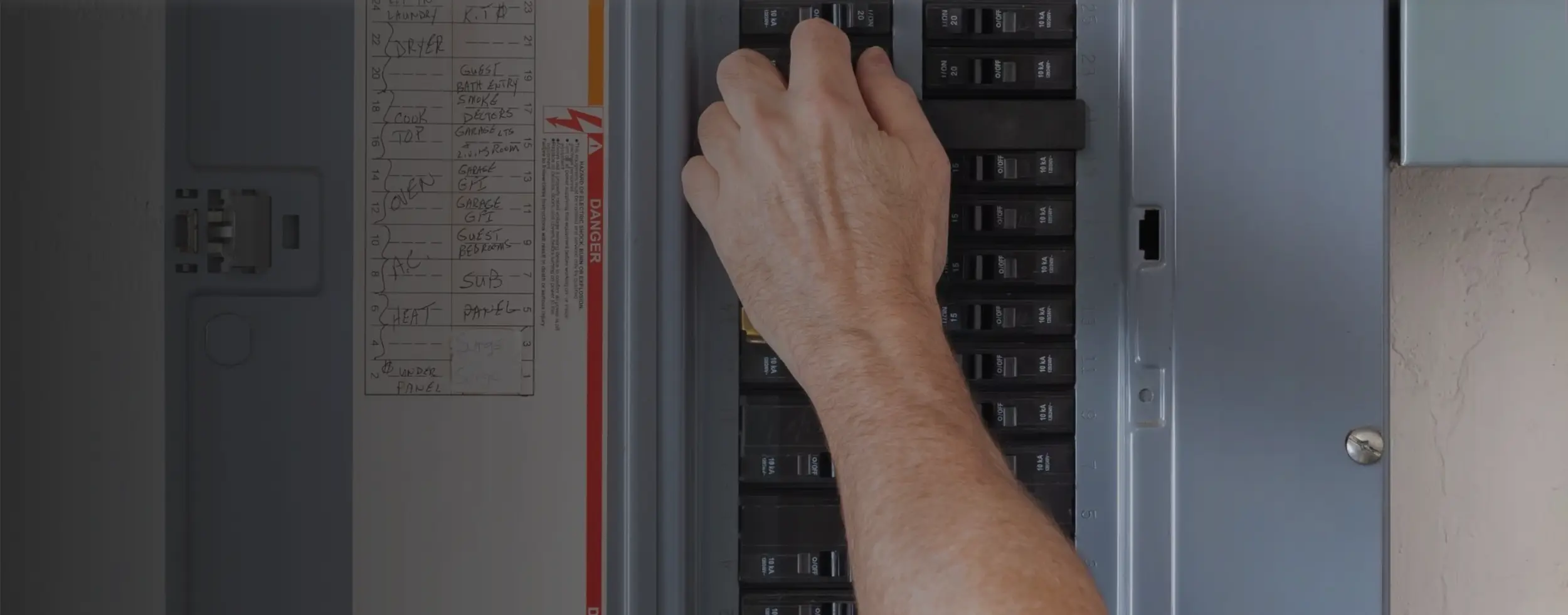
A circuit breaker that keeps tripping is more than a minor annoyance. Repeated trips can indicate an overloaded circuit, faulty appliance, damaged wiring, ground fault, short circuit, worn breaker, or another electrical problem. Because some causes can create shock or fire hazards, recurring breaker trips should not be ignored.
By understanding common causes and basic troubleshooting tips, you can resolve minor issues. If DIY fixes don’t work, it’s essential to reach out for professional assistance. Our team can diagnose and repair the problem, so you can avoid damage to your appliances and electrical systems. By partnering with Central Oregon Heating, Cooling, Plumbing & Electrical, you can learn about the causes of breaker trips and how you can effectively stop them.
Key Takeaways
- If you notice flickering lights, buzzing noises, burning odors, or warm outlets, your electrical system is likely experiencing problems that can cause tripped breakers.
- Tripped breakers often occur because of overloaded circuits, ground faults, short circuits, faulty appliances, incorrect breaker sizes, motor inrush currents, moisture intrusion, or outdated electrical panels.
- As a homeowner, you can try unplugging your devices and resetting the breaker. If it trips again right away, you need to call for professional help.
- You should seek professional help for recurring tripped breakers, outdated electrical panels, sparks, and burning odors. Additionally, have an electrician evaluate your current load capacity before you install a new appliance or renovate your home.
- To prevent future issues, you should spread the electrical load across different circuits, upgrade outdated circuits and panels, and schedule regular electrical inspections.
How a Circuit Breaker Works
Circuit breakers protect wiring from dangerous overcurrent conditions, including overloads and short circuits. When the breaker detects too much current on the circuit, it trips. This breaks the connection along the circuit, preventing the circuit from receiving power. By doing so, the circuit breaker protects your wiring and appliances from overheating and fires.
A tripped breaker is different from a power outage. In an outage, power to your entire home is temporarily stopped. A breaker is a safety mechanism that affects a single circuit. If a breaker repeatedly trips or fails to reset, professional circuit breaker repair can help identify and correct the underlying electrical problem.
Why Do Circuit Breakers Trip?
Circuit breakers monitor the flow of electricity to prevent short circuits, electrical overloads, and other dangers. They interrupt the circuit when current exceeds safe limits. Because of this, circuit breakers play a key role in preventing fires and equipment damage.
Common Causes of Breaker Trips
Why does my breaker keep tripping? While breaker trips usually involve overcurrent or fault conditions, the underlying trigger can vary significantly. To learn more about the causes of breaker trips, read on.
Overloaded Circuit
One of the most common reasons why a circuit breaker keeps tripping is circuit overload. Basically, there are too many devices plugged into one circuit. If you have a 15-amp circuit, it doesn’t take long for too many devices to overwhelm its capacity.
Common Symptoms
- Tripped breaker
- Dimming lights
- Burning odors
- Buzzing sounds
- Warm outlets
Recommended Solution
In the short run, you should remedy this problem by distributing appliances across different circuits. If this is a frequent issue, you may want to consider a panel upgrade or rewiring your home so that your home’s electrical system has a larger electrical capacity.
Short Circuit
A short circuit occurs when a hot wire comes into contact with a neutral or ground wire. This causes the current to surge, which can trip the breaker.
Common Symptoms
- Melted or burned insulation
- Burning odors
- Flickering or dimming lights
- Cracking or popping noises
- Frequently tripped breakers
- Sparks
- Malfunctioning appliances
Recommended Solution
Short circuits can stem from a range of problems, such as faulty wiring, malfunctioning appliances, or loose connections. To remedy this issue, you need to schedule a professional electrical inspection.
Ground Fault
Ground faults occur when electricity takes a different path, such as through a person or water. This problem is more common when frayed wires and water are present.
Common Symptoms
- Flickering lights
- Tripped GFCI breakers
- Burning odors
- Clicking and buzzing noises coming from the outlets
Recommended Solution
Because ground faults are more likely where water is present, kitchens and bathrooms typically require GFCI-protected outlets or circuits. When a GFCI trips, it helps protect people from electric shock, severe burns, and electrical damage.
To detect the source of the ground fault, unplug every device from the circuit. Then, try the devices one at a time until you figure out which one was causing the problem. If the problem is the wiring, you’ll need to schedule a professional electrical inspection.
Faulty Appliances
Another common reason a circuit breaker keeps tripping is a faulty appliance. A malfunctioning appliance may draw more current than expected, overload the circuit, or develop an internal short circuit or ground fault. If the breaker consistently trips when one particular appliance starts or runs, the appliance may be contributing to the problem.
Common Symptoms
- Instant tripping when the unit turns on
- Burning odors
- Scorch marks around the plugs and outlets
- Warm plug, wall plates, or power cords
- Tripped GFCI breaker
Recommended Solutions
In this case, the best course of action is to get a professional electrical inspection to make sure the appliance hasn’t caused any lasting damage. Additionally, you should have the appliance repaired or replaced.
Loose or Damaged Wiring
Over time, wiring can become damaged or loose. Older homes that have aluminum wiring are especially prone to this issue because of how the aluminum expands and contracts over time.
Common Symptoms
- Warm outlet covers and switch plates
- Burning odors
- Buzzing and crackling noises
- Scorch marks around outlets and switches
- Flickering lights
Recommended Solutions
In this situation, the best thing you can do is shut off the main breaker and call for repairs. You should not attempt to access or repair wiring on your own. Instead, note the symptoms that are occurring, such as which outlets feel warm or when flickering lights occur.
Aging Circuit Breaker
Eventually, circuit breakers can start to age. Components can become worn and more likely to malfunction. Circuit breakers often last 30 to 40 years, but they can fail earlier if damaged, overloaded, or frequently tripped.
Common Symptoms
- Inability to reset the breaker
- Melting or burning odors
- Buzzing noises
- Warm panel covers and breaker switches
- Frequent, unexplained tripping
Recommended Solutions
The best way to solve this issue is by scheduling a replacement. Our team of electricians can evaluate your current capacity needs and help you choose the right breaker replacement or panel upgrade.
Outdated Electrical Panel
Many older, 100-amp electrical panels were designed for smaller loads. Now that homes have gaming systems, multiple televisions, smart home appliances, and other gadgets, they require a higher capacity.
Common Symptoms
- Burning smells
- Frequent tripping
- Scorch marks
- Flickering lights
- Crackling or buzzing noises
- Warm panel surfaces
Recommended Solutions
Our electricians can evaluate your system to determine if it’s possible to rebalance the electrical load or replace individual breakers. If these solutions aren’t possible, it may be time to upgrade to a 200-amp panel.
Moisture Intrusion
When moisture gets into your panel and electrical systems, it creates an alternative path for the electricity to travel. This results in a short circuit or ground fault.
Common Symptoms
- Moisture near your panel
- Tripped breakers occur during rainstorms, lawn watering, or high-humidity days
- Breakers trip again immediately after being reset
- GFCI buttons pop and can’t be reset
Recommended Solutions
The first step is removing any water sources. For outdoor panels, you should replace old gaskets and use a weatherproof cover. You should also fix any roof or plumbing leaks.
Never touch wet circuits when you’re trying to turn the breaker off. Instead, call our team for help. We can also assist with inspecting underground lines for cracked conduits, replacing corroded breakers, and repairing other electrical components.
Incorrect Breaker Size
If the breaker is the wrong size, it may not be properly matched to the circuit wiring or expected load.
Common Symptoms
- Breaker trips immediately when you turn an appliance on
- Flickering lights
- Burning odors
- Tripping after 15+ minutes of running multiple devices due to gradual thermal overload
- Warm breaker switches
Recommended Solutions
The breaker should match the wire gauge. One of our licensed electricians can remove an improperly sized breaker and replace it with the appropriate size. We can also upgrade your electrical service to a 200-amp panel.
For minor issues, you may be able to resolve the problem by splitting heavy loads. Large appliances, like dryers and HVAC appliances, should generally be on a dedicated circuit.
Motor Inrush Current (If Applicable)
This can occur if a motor draws a massive surge of electricity. For example, this can occur with HVAC equipment, well pumps, or table saws.
Common Symptoms
- Tripped breakers as soon as the device powers on
- The circuit works the rest of the time
- Dimming lights
- Circuit and electrical components don’t feel warm because it isn’t an overload trip
Recommended Solutions
A soft starter can be installed so that the motor can slowly ramp instead of causing a massive spike. Alternatively, an electrician can determine whether the circuit should be redesigned or upgraded to safely handle the load. A properly rated breaker or dedicated circuit may be recommended after professional testing.
Frequent Causes and Solutions for Tripped Breakers
| Cause | Risk Level | DIY Fix | Professional Help |
| Overloaded Circuit | Medium | Unplug and redistribute loads across circuits. | If the breaker keeps tripping, a professional will need to diagnose the problem. |
| Short Circuit | High | Unplug everything and turn off the circuit. | Call an electrician to inspect the wiring, outlets, switches, or appliances involved. |
| Ground Fault | High | Unplug devices and do your best to keep the area dry. Reset the GFCI breaker once. | If the GFCI breaker keeps tripping, is exposed to water, or won’t reset, call in the professionals to isolate the problem, detect hidden ground faults, and replace faulty components. |
| Faulty Appliance | Medium to High | Unplug the appliance and see if the breaker resets fine. If it does, the appliance likely needs to be repaired or replaced. | You may need to call a professional for HVAC and appliance repairs, especially if the damaged appliance is cost-prohibitive to replace. |
| Loose or Damaged Wiring | High | Turn off the affected circuit if you notice humming noises or burning odors. | A licensed electrician can repair or replace faulty outlets, wiring, connections, and switches. |
| Aging Circuit Breaker | Medium to High | If the breaker keeps tripping, feels hot, or won’t remain on, turn it off and call for help. | After diagnosing the problem, the electrician can replace the breaker. |
| Outdated Electrical Panel | High | Note scorch marks, buzzing noises, burning odors, and other signs that the panel is no longer working. Then, call for repairs. | During a professional inspection, the electrician can determine if you need circuit repairs or panel upgrades. |
| Moisture Intrusion | High | Do not touch any wet electrical components. If it is safe to do so, shut off the water source. | The electrician can dry and repair damaged components. |
| Incorrect Breaker Size | High | Don’t simply switch the breaker to a larger one because it may not be the right size for the unit. Instead, shut off the breaker and call for help. | An electrician can determine the correct breaker size. They can replace wiring and upgrade the panel as needed. |
| Motor Inrush Current | Medium | Turn off or unplug any other loads on the circuit. If the breaker keeps tripping, call for repairs. | After testing startup current, the motor, your breaker, and other electrical components, the electrician can decide if a dedicated circuit is needed. |
Frequent Warning Signs Before a Breaker Trips
While the symptoms can vary based on the underlying cause, there are a few common warning signs that can appear before a breaker trips.
- Flickering lights
- Frequent dimming
- Sparks
- Buzzing noises
- Warm outlets and panels
- Burning odors
What You Can Do Before Calling an Electrician
Whenever you are uncertain about the problem, call one of our licensed electricians for help. There are also a few key steps you can take before reaching out for professional circuit breaker repairs.
- Turn Off Connected Appliances: First, unplug every device that is connected to the affected branch circuit.
- Reset the Breaker: Once everything has been successfully unplugged, go to the breaker panel to reset the breaker. If it immediately trips, you should stop troubleshooting and call for repairs.
- Plug Devices Back in One at a Time: After the breaker has been reset successfully, plug each device back in one by one to see if any of them trip the breaker. You should also note any signs that the appliance might be damaged, such as burning odors, performance issues, or visible signs of damage.
- Check for Overloaded Circuits: Redistribute how many appliances are on the affected circuit. Some larger appliances, such as HVAC systems and washer/dryer units, are often placed on dedicated circuits because of how much energy they draw.
- Inspect Outlets for Visible Damage: Check each outlet for signs of scorch marks, burning odors, or signs of warmth. However, you should not touch damaged or wet components.
- Test GFCI Outlets: On a GFCI outlet, there is a test button that simulates a ground-fault condition. Try pressing this button. If the GFCI outlet trips, then it is working correctly.
- Stop if the Breaker Trips Immediately: Don’t reset your circuit breaker when there is a burning smell present. If the breaker immediately trips after you reset it, stop resetting it because there is likely an underlying problem that needs to be resolved. If you don’t know why a tripped breaker occurred, you should always seek professional help.
How To Safely Reset Your Breaker
After your breaker trips, you should first note any signs of burning, scorch marks, or overheating. If none of these symptoms are present, you can use the following steps to safely reset the breaker.
- Turn the breaker fully off.
- Wait 30 seconds.
- Switch the breaker on again.
- Gradually plug in or turn on one appliance at a time.
- If the breaker immediately trips again, shut it off and call for help.
When NOT To Reset the Breaker
There are certain instances where it is unsafe to reset the breaker.
- You noticed smoke.
- Sparks are coming from the outlet or breaker.
- You see signs of water damage or corrosion.
- There are visible burn marks.
- You smell a burning odor.
- The breaker won’t stay on.
How To Diagnose a Faulty Appliance
Sometimes, breakers keep tripping because of a problem with an individual appliance. By using the following steps, you can figure out which appliance is at fault.
- Unplug every device on the breaker.
- Reset the breaker.
- Connect one appliance at a time. Wait to see if the breaker trips.
- Repeat with each appliance.
- If one appliance trips the breaker, unplug it. To avoid future trips, you’ll need to repair or replace it.
When To Consider an Electrical Panel Upgrade
Even with the best electrical maintenance and consistent inspections, panels eventually need to be replaced. You may need a replacement panel in the following situations.
- The breaker frequently trips.
- You’re experiencing problems, and the panel is already 30 years old or older.
- You are planning home renovations and need to update your panel size.
- The panel needs to be updated to support new, high-power appliances.
- You are going to install an EV charger or HVAC upgrade.
How To Prevent the Breaker From Tripping in the Future
To avoid tripped breakers in the future, use the following steps.
- Avoid Overloading Circuits: To prevent electrical overloads, spread the load across different outlets. Unless the branch circuit was deliberately designed to handle multiple appliances, you should make sure that appliances that have high electricity needs are on different outlets.
- Use Dedicated Circuits for Large Appliances: Large appliances often use significantly more power when they first start up, making an individual circuit necessary.
- Replace Damaged Wiring: If wiring becomes loose or damaged, it can lead to resistance and overheating. Besides damaging the components, this can also be a fire hazard.
- Test GFCI Outlets: GFCI outlets can only protect against ground faults if they are working properly.
- Upgrade Outdated Electrical Systems When Necessary: If maintenance and repairs aren’t enough, it may be time to upgrade your system. This is especially true if your system is old or outdated.
- Get Regular Inspections: One of the most important things you can do to prevent overloaded circuits and tripped breakers is to schedule regular maintenance inspections. During our routine maintenance, we’ll check for faulty wiring, tighten loose connections, and test the performance of your electrical systems. We can also discuss how surge protection can protect your home’s electrical systems.
When To Call a Professional Electrician
Your electrical systems are essential for the safety of your home. If you are experiencing the following problems, it’s time to call one of our experienced electricians for professional help.
- Breaker Trips Repeatedly: If you’ve already unplugged all of the devices, you shouldn’t be experiencing any more breaker trips.
- Burning Smells or Smoke: A burning odor or smoke is a sign that something is overheating and represents a major fire risk.
- Sparks or Scorch Marks: Similarly, sparks and scorch marks indicate a major electrical issue and should be dealt with immediately by a professional.
- Multiple Breakers Tripping: When more than one breaker trips, there is likely a shared cause. Because this can happen because of multiple underlying causes, it’s essential to schedule professional diagnostics.
- Breaker Won’t Reset: This often occurs because of an overloaded circuit or faulty appliance. If basic troubleshooting doesn’t help, you should reach out for repairs.
- Signs of Faulty Wiring: Damaged wiring can lead to fires and electric shock. Burning odors, discoloration, hot outlets, and frequently tripped breakers are common signs of poor wiring.
- Outdated Electrical Panel: Electrical panels often last 25 to 40 years. Besides developing issues over time, older panels are also unable to match today’s electrical needs. By getting a panel upgrade, you can ensure your home’s electrical systems are ready for your appliances, smartphones, and gaming systems.
- New Appliances and Renovations: If you get new appliances or remodel your home, you may need to upgrade your electrical system so that it can match the higher demand.
Frequently Asked Questions
Can I keep resetting a breaker?
No, repeatedly tripped breakers indicate an underlying electrical problem. Continuing to reset the breaker can damage your electrical systems and result in overheating.
How do I know if the breaker is faulty?
Note how frequently the breaker trips and if there are any signs of damage. An electrician can perform voltage and continuity checks.
Can a faulty appliance trip a breaker?
Absolutely. Faulty appliances can draw an excessive amount of power and trip the breaker. They can also trip breakers through ground faults or internal short circuits.
How often should a breaker be replaced?
Breakers often last for 30 to 40 years. However, you should consider a replacement if your breaker is past the 15-year mark and is starting to have issues.
When should I upgrade my electrical panel?
You should generally replace your electrical panel once it is 30 to 40 years old. Earlier updates may be necessary if you install an EV charger, renovate your home, get a new appliance, or increase your electricity needs in some other way. Frequently tripped breakers, burning odors, and buzzing noises are also signs that the panel needs to be replaced early.
Can rain or moisture cause breaker trips?
Yes, moisture intrusion is a common cause of short circuits and ground faults. You can shut off the source of the water if it is safe to do so. Then, call an electrician for repairs.
Is a tripping breaker dangerous?
It can be. Breakers trip as a safety mechanism to interrupt current flow through the circuit. While the breaker itself is safe, the underlying cause of the tripped breaker can pose a danger. For example, loose wiring can lead to overheating and fires.
Schedule Professional Repairs in Bend & Redmond
Tripped breakers are often due to overloaded circuits, short circuits, ground faults, faulty appliances, and aging breakers. You can troubleshoot by unplugging everything from the circuit, resetting the breaker, and then testing each appliance individually. If the breaker keeps tripping and basic troubleshooting doesn’t solve the issue, Central Oregon Heating, Cooling, Plumbing & Electrical can help.
Schedule a professional inspection to diagnose and repair your electrical issues.
Service Request
"*" indicates required fields