Seasonal Plumbing Maintenance Checklist: Preparing Your Home for Each Season in Bend & Redmond
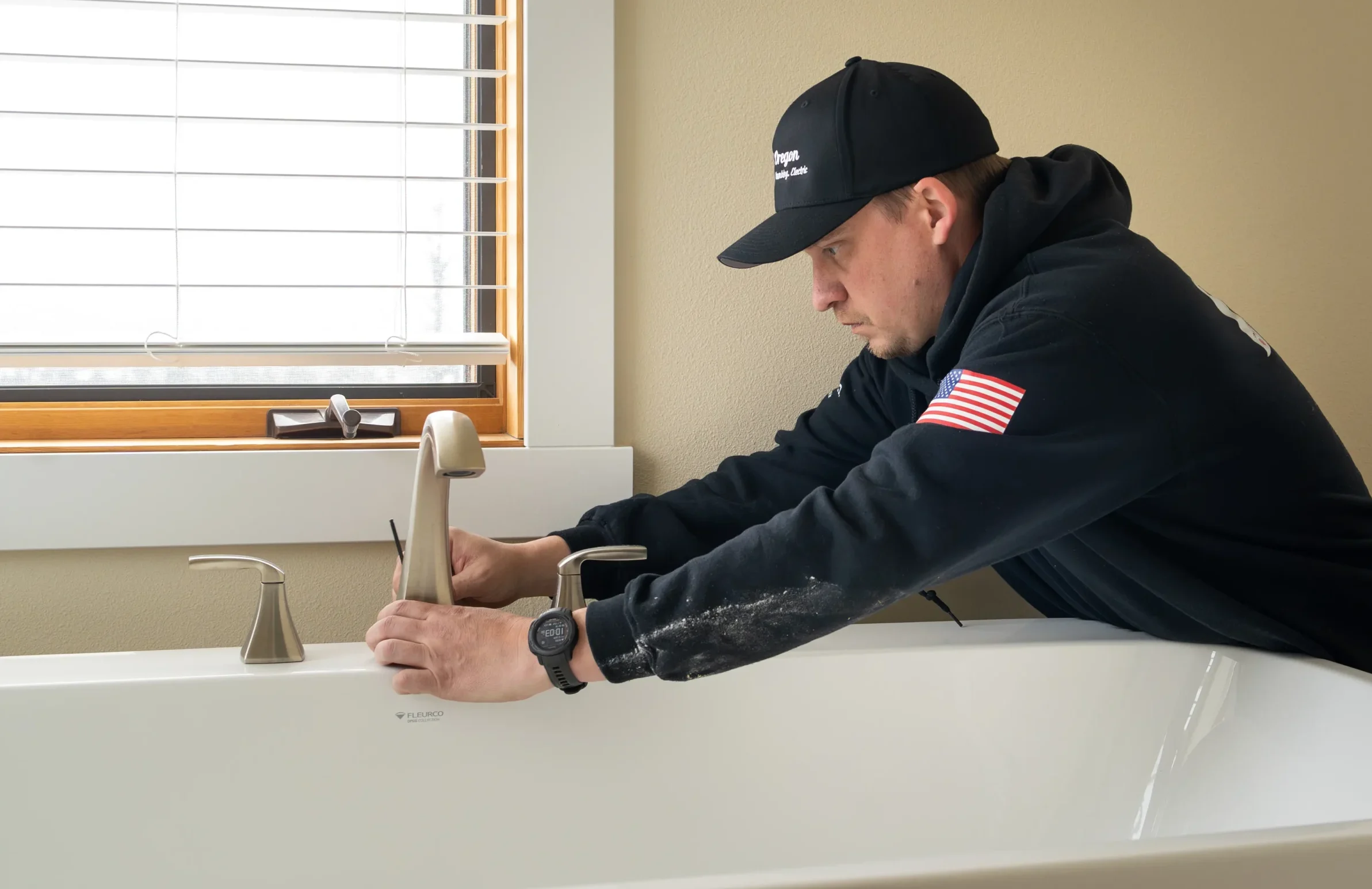
Seasonal plumbing maintenance helps Bend and Redmond homeowners identify leaks, protect pipes from freezing, maintain water heaters, and prepare outdoor plumbing for changing weather. A practical plumbing maintenance checklist can help catch small problems before they lead to water damage or larger plumbing repairs.
The most important tasks change throughout the year, from checking outdoor faucets and irrigation in spring and summer to preparing exposed pipes and hoses for freezing temperatures in fall and winter.
Key Plumbing Maintenance Priorities
- Spring: Check for winter damage, leaks, outdoor faucet problems, and appliance supply lines.
- Summer: Monitor irrigation, outdoor plumbing, water use, and hidden leaks.
- Fall: Disconnect hoses and prepare vulnerable plumbing for freezing weather.
- Winter: Protect exposed pipes, monitor vulnerable plumbing during freezes, and know where your main water shutoff is.
- Year-round: Watch for leaks, pressure changes, slow drains, and water-heater or supply-line problems.
Spring Plumbing Checklist
As warmer weather rolls around, the right plumbing maintenance services in Bend and Redmond can ensure your system is prepared for the spring. From checking for leaks to cleaning gutters, there are a few things you should do to maintain your plumbing system. To make sure you don’t forget your springtime maintenance needs, add a reminder to your calendar.
- Check for Leaks: First, check all of your pipes, faucets, and fixtures for potential leaks. Sometimes, leaks occur behind walls, floors, and ceilings, so you should pay attention to any signs of moisture. If you hear the sound of water running when no water is in use, you may leak.
- Inspect Your Sump Pump: To protect your foundation, you need a functioning sump pump. Before springtime rains arrive, test your sump pump to see if it’s working correctly.
- Test Water Pressure: Decreases in water pressure may indicate clogs and other problems, so check each fixture to see if it has adequate water pressure.
- Inspect for Corrosion: Metal pipes can corrode when water is present. Each spring, check your exposed pipes to see if they show signs of damage.
- Check Your Water Heater: Look for leaks, corrosion, unusual noises, or other signs of trouble around the water heater. Flushing requirements vary by water-heater type, water conditions, and manufacturer recommendations, so follow the maintenance guidance for your specific system rather than automatically flushing it every season.
- Look at Your Outdoor Faucets: Freezing weather can damage outdoor faucets and hoses, even if they’re designed for colder temperatures. Once the weather warms up, check outdoor water fixtures for damage.
- Inspect Appliance Supply Lines: Check visible washing machine, dishwasher, refrigerator, and other accessible water-supply connections for cracking, bulging, corrosion, moisture, or other signs of deterioration.
Summer Plumbing Checklist
Before summer heat waves arrive, it’s time to go through your plumbing inspection checklist. By tackling plumbing tasks during each season, you can make maintaining your plumbing system a little easier. Members of our Greenshield Membership Plan also receive annual inspections and flushes, making consistent maintenance a little easier.
To keep your plumbing system functioning at its best, make sure to carry out the following plumbing preventive maintenance.
- Look at Your Washing Machine Hose: Each summer, take a look at your washing machine hose. If it has holes or shows signs of wear, it’s time to replace it.
- Monitor Your Water Consumption: Many homeowners use more water in the summer because of watering plants and filling pools. If you notice unusual increases in your water bills, it may mean you have a leak that needs to be repaired.
- Check for Hidden Leaks: If you suspect a leak, turn off faucets and water-using appliances and check whether the water meter continues registering usage. Unexpected meter activity can indicate water use somewhere in the system and may warrant further investigation by a plumber.
- Clean Your Sprinklers: Check out your sprinkler system to make sure it’s functioning properly. You should clean out clogs and repair any leaks that you find.
- Check for Foundation Leaks: If you see any damp spots around your home’s foundation, you could be dealing with poor drainage, foundation cracks, or clogged gutters. These problems must be fixed to prevent additional damage from taking place.
- Prepare Plumbing Before Vacation: Before an extended trip, check faucets, toilets, appliance supply connections, and visible plumbing for leaks. Depending on your plumbing system and equipment, shutting off the home’s water supply may help limit damage from an unexpected leak, but make sure doing so won’t interfere with equipment that requires water. Use your water heater’s vacation setting only when recommended by the manufacturer. Smart leak detectors or automatic shutoff devices can provide another layer of protection while you’re away.
- Inspect Your Toilet: To see if your toilet has a leak, try adding about five drops of food dye to your toilet tank. Then, check the toilet bowl after waiting about 15 minutes. If the flapper is leaking, you will see the dye in the toilet bowl.
- Remove Drain Clogs: As part of your plumbing inspection checklist, see how fast water is draining in your home. If it isn’t draining quickly, you need to remove the clog and clean the drain out.
Fall Plumbing Checklist
Before the leaves start to fall from the trees, you should start preparing your fall plumbing maintenance checklist. From inspecting sewer lines to cleaning out the gutters, there are a few important plumbing maintenance services you need to have performed before fall storms arrive.
- Inspect Your Water Heater: Check for visible leaks, corrosion, unusual noises, or performance changes. Water heater flushing and maintenance schedules vary by equipment and manufacturer, so follow the recommendations for your specific system.
- Prepare Pipes for Colder Weather: Before the weather turns cold, inspect your pipes for signs of problems. Then, insulate them for colder weather.
- Inspect Your Sump Pump: Fall and winter weather can lead to flooding, so test your sump pump before the weather changes. You may also want to install a battery backup so that your sump pump is prepared for all types of weather conditions.
- Watch for Sewer-Line Problems: Slow drains, recurring backups, unusual drain behavior, or known problems with an older sewer line can warrant professional evaluation. A sewer camera inspection may be useful when there are recurring problems, suspected root intrusion, or other indications of a sewer-line issue rather than as a routine fall task for every home.
- Prepare Your Outdoor Faucets: To keep your outdoor faucets and fixtures from freezing, disconnect any hoses. Then, drain the outdoor faucets.
Winter Plumbing Checklist
Freezing conditions in Bend and Redmond can put vulnerable pipes, outdoor faucets, and other exposed plumbing at risk. Winter plumbing maintenance should focus on freeze protection and knowing how to respond quickly if a pipe leaks or bursts.
- Let Vulnerable Faucets Drip When Appropriate: During significant freezing conditions, allowing a small amount of water to flow can sometimes help protect particularly vulnerable pipes. This isn’t necessary for every faucet or throughout the entire winter and shouldn’t replace proper pipe insulation and freeze protection.
- Insulate Any Exposed Pipes: If there are any exposed pipes around your home, make sure they are insulated and protected against freezing temperatures.
- Store Hoses: Before freezing temperatures arrive, you should disconnect your hoses and store them in a protected location indoors.
- Look at the Water Main Shutoff Valve: Inspect your shutoff valve to make sure that it is working properly. If there is a leak or similar emergency, you’ll need to be able to access it quickly to turn off the water to the rest of your home.
- Open Sink Cabinets When Needed: During significant freezing conditions, opening cabinet doors can help warmer indoor air reach plumbing beneath sinks, particularly where pipes are located along exterior walls or other vulnerable areas.
- Protect Spigots: Disconnect hoses and drain outdoor faucets before freezing weather. If the faucet has a dedicated interior shutoff valve, close it according to the plumbing configuration and drain the remaining water from the line. Protect vulnerable outdoor fixtures as appropriate for the system.
Year-Round Checklist Tips
Some preventive plumbing maintenance doesn’t need to be tied to a specific season. Throughout the year, keep an eye on the following conditions and address changes when they appear.
- Monitor Water Pressure: Low water pressure is an early sign of a leak or clog, so pay attention if the pressure changes. Then, reach out to one of our team of experienced plumbers to get help diagnosing and repairing the problem.
- Inspect for Leaks: To avoid flooding and water-related damage, check for leaks throughout the year.
- Maintain Your Water Heater Properly: As part of your routine maintenance, you should get your water heater maintained once a year. If you’re a member of our Greenshield Membership Plan, you can automatically get your water heater and other plumbing systems inspected and maintained by a professional.
- Keep Your Drains Clean: To prevent clogs from happening, don’t pour fats, oil, or grease down your drains. Additionally, you should make sure young children don’t flush any toys or other non-flushable items down the toilet.
- Familiarize Yourself with Your Plumbing System: Each plumbing system has a unique layout, and you don’t want to wait for a disaster to find out how your system is set up. Before an emergency strikes, make sure to familiarize yourself with the location of your main shutoff valve and other key features.
What Can You Check Yourself vs. When Should You Call a Plumber?
Homeowners can safely handle basic visual checks such as looking for leaks, monitoring water pressure changes, checking accessible supply lines, disconnecting outdoor hoses, and knowing where the main water shutoff is located.
Call a professional plumber for recurring leaks, persistent low water pressure, sewer backups, suspected pipe damage, water-heater problems, recurring drain issues, or plumbing work that requires diagnosis, repair, or modification of the system.
What Can You Check Yourself vs. When Should You Call a Plumber?
Homeowners can safely handle basic visual checks such as looking for leaks, monitoring water pressure changes, checking accessible supply lines, disconnecting outdoor hoses, and knowing where the main water shutoff is located.
Call a professional plumber for recurring leaks, persistent low water pressure, sewer backups, suspected pipe damage, water-heater problems, recurring drain issues, or plumbing work that requires diagnosis, repair, or modification of the system.
Emergency Plumbing Tips
Even when you’re proactive about your seasonal and annual plumbing maintenance, problems can still occur. From leaky faucets to damaged sump pumps, there are many different parts that can break down over time. To make sure your home is ready for any type of disaster, learn more about some of the best emergency plumbing tips.
Know Where the Main Shutoff Valve Is Located
One of the most important things you can do to prepare for a plumbing emergency is to learn where your main shutoff valve is. If there is a leak somewhere in your system, you’ll need to turn this valve off. It stops water from flowing and prevents additional damage. Besides being useful in an emergency, you’ll also need to use the main shutoff valve when you’re on vacation so that you don’t have to worry about potential leaks.
Understand Sewer-Related Issues
If a sewer disaster occurs, you don’t want to have overflowing toilets for long. The best response is to call a professional plumber right away. While you are waiting for one of our plumbers to arrive, the most important thing is to stop using any water in your home. Don’t flush the toilet or use the sink because this will only cause your sewer lines to back up more.
Learn How To Handle Burst Pipes
Burst pipes can lead to extensive water damage, so you need to respond to burst pipes right away. Before you do anything else, shut off the water to your home at your main shutoff valve. Then, call one of our plumbers to help with repairs.
Have Contact Information Ready
When a disaster takes place, you don’t want to waste time trying to remember the name of your seasonal plumbing maintenance company. Instead, you should save our number on your phone. If you have an emergency contact list on your fridge, add our number to it. We provide 24/7 emergency plumbing services so you can get help as soon as you have a problem.
What to Do During a Plumbing Emergency
Know where your main water shutoff is before an emergency occurs. If a pipe bursts or a major water leak develops, shut off the water when it is safe to do so and contact a plumber.
For a sewer backup, stop using toilets, sinks, showers, and other fixtures that send water into the drainage system and contact a professional. Avoid attempting repairs when there is a risk of contaminated wastewater, significant water damage, or damaged plumbing.
Frequently Asked Questions
How often should I perform plumbing maintenance?
Check your plumbing throughout the year and perform season-specific tasks before conditions change. Professional maintenance frequency depends on your plumbing equipment, age, condition, and manufacturer recommendations.
How should I prepare my plumbing for winter in Bend or Redmond?
Disconnect hoses, protect vulnerable outdoor faucets, insulate exposed pipes, know your main shutoff location, and pay extra attention to plumbing in areas exposed to freezing temperatures.
Should I leave faucets dripping all winter?
No. Dripping may be appropriate for certain vulnerable pipes during significant freezing conditions, but it isn’t necessary for every faucet throughout winter.
How often should I flush my water heater?
Flushing requirements depend on the water-heater type, manufacturer guidance, water conditions, and system configuration. Follow the maintenance recommendations for your specific unit.
How can I check for a hidden plumbing leak?
Look for unexplained water use, moisture, or changes in your water bill. When appropriate, you can also turn off water-using fixtures and appliances and check the water meter for unexplained usage.
Which plumbing maintenance requires a professional?
Recurring leaks, sewer backups, persistent drainage problems, water-heater issues, suspected damaged pipes, and problems requiring plumbing repairs or system modifications should be evaluated by a qualified plumber.
Get Help Maintaining Your Plumbing System
Following a seasonal plumbing maintenance checklist can help Bend and Redmond homeowners prepare outdoor plumbing for changing weather, identify leaks early, and protect vulnerable pipes during Central Oregon freezes. While many visual checks and preventive tasks can be handled by homeowners, recurring or complex plumbing problems should be professionally evaluated.
Central Oregon Heating, Cooling, Plumbing & Electrical can help with plumbing inspections, maintenance, and repairs throughout Bend and Redmond. Contact our team to schedule plumbing service for your home. Learn more about our plumbing services by filling out our online form today.
Service Request
"*" indicates required fields