How a Heat Pump Works and Why It’s a Smart Choice for Oregon Winters and Summers
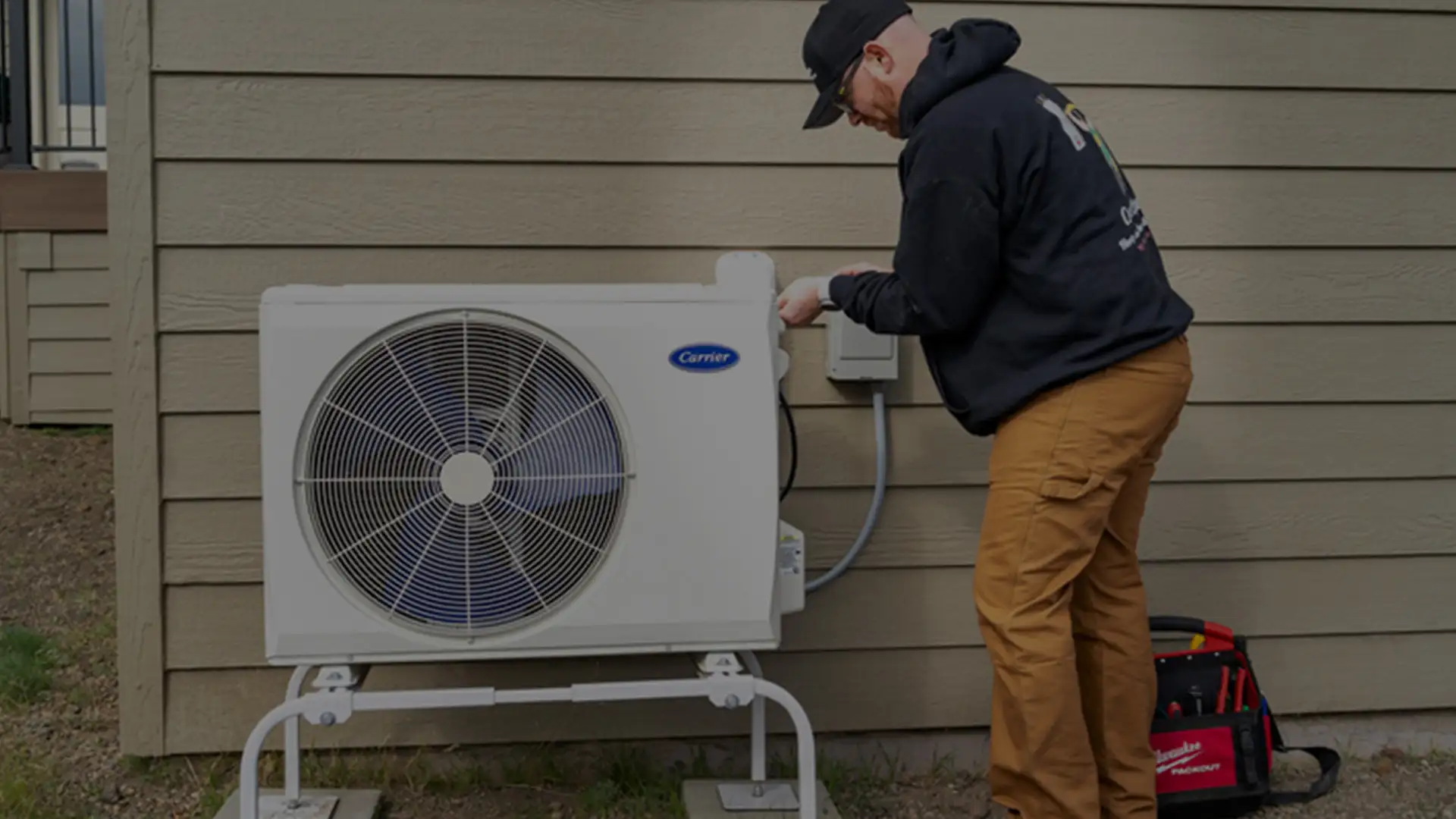
Tired of high energy bills? Upgrade to a heat pump for an all-in-one heating and cooling solution that can help lower your monthly energy consumption while keeping your home comfortable year-round.
In Oregon’s mild climate, a heat pump’s heating and cooling are especially effective. Even though Bend and Redmond have snowy, high-desert winters, our winters are still fairly mild compared to the Northeast. Because of this, heat pumps are able to deliver the heating capacity residents need. Additionally, having a heat pump system is especially important during our wildfire season because it allows your family to keep cool without opening the windows.
How does a heat pump work, and is it the right choice for your family? To see if you’re ready to make the switch, learn more about how a heat pump works, the benefits, and installation requirements.
What Is a Heat Pump?
A heat pump is a type of energy-efficient heating, ventilation, and air conditioning (HVAC) system that is designed to transfer heat with the help of refrigerant lines, an indoor air handler, and an outdoor unit. Because the system can reverse the direction of refrigerant flow, it can heat your home in the winter and cool it in the summer.
How a Heat Pump Works
Unlike a furnace, a heat pump doesn’t create heat. A heat pump works by moving heat from one area to another. It relies on refrigerant lines, like an air conditioner, to absorb and transfer heat. In essence, it’s like a two-way air conditioner, so you can use heat pumps for heating and cooling. The biggest difference between a heat pump vs. an AC or furnace is that it can transfer heat indoors in the winter and outdoors during the summer, ensuring a high level of year-round performance and comfort.
During cooling mode, the heat pump functions like an air conditioner to bring heat out of your home. In heating mode, the refrigerant absorbs heat from the outdoor air and brings it inside.
So, how does a heat pump work? Heat pumps use the following components to transfer heat into and out of your home.
- Compressor: The compressor is responsible for pressurizing refrigerant and pumping it through your system. It functions as the heart of the system.
- Indoor and Outdoor Coils: These coils absorb or release heat depending on whether the heat pump is operating in heating or cooling mode.
- Reversing Valve: This valve reverses the direction of refrigerant flow so the heat pump can switch between heating and cooling modes.
- Refrigerant: The refrigerant is transferred in copper lines between the indoor and outdoor units. It is responsible for absorbing heat in one location so that it can be released somewhere else.
Why Heat Pumps Are Perfect for Central Oregon
Oregon is known for having a fairly moderate climate. This makes it ideal for heat pumps. While modern, cold-climate heat pumps can operate in extremely frigid temperatures, they are more energy efficient in moderate climates. During Oregon’s cold winters and mild summers, your heat pump can help you stay comfortable.
There are occasions where you may need to use backup or auxiliary heating systems. If the outdoor temperature falls below your heat pump’s balance point, it may struggle to warm your home. Extremely cold temperatures, defrost cycles, and large temperature setbacks can cause the auxiliary heat to kick on.
Defrost cycles are part of your unit’s normal operation. Meanwhile, you can minimize temperature setbacks by incrementally adjusting your thermostat. For especially cold periods, such as during our cold high-desert winters, auxiliary heat will kick on to help your unit keep up.
When you get a heat pump service in Bend, you can choose to have zoned or ductless heat pumps. This type of heat pump technology, known as a ductless mini-split, is ideal for homes without existing ductwork. For maximum savings, you can also pair heat pumps and ductless mini-splits with solar power.
Key Benefits of Installing a Heat Pump
As a homeowner, there are a few heat pump benefits you can take advantage of. From energy-efficient home heating to quiet operation, the following are some of the most popular advantages of getting a heat pump installed.
- Energy Efficiency: Heat pumps in Central Oregon are incredibly energy efficient, so you can reduce the amount you spend on your energy bills throughout the year.
- Eco-Friendly: Because they use less energy, heat pumps may be able to lower your energy usage. If your utility provider relies on gas or coal for electricity production, better energy efficiency can also lessen your impact on the environment.
- Dual Functionality: With a heat pump, you only need to have one HVAC unit installed in your home.
- Quiet Operation and Comfort Control: For quiet comfort, heat pumps are one of the best HVAC options available.
- Rebates and Incentives: Investing in a heat pump can also help you save money. Depending on your home, utility provider, equipment, and available program funding, you may qualify for state or utility heat pump incentives.
Do You Need a Ducted or a Ductless Heat Pump?
Ducted heat pumps are the traditional heat pump system that relies on an indoor air handler, outdoor unit, and a network of ducts to bring air to each room. Ductless heat pumps, also known as ductless mini-splits, each have their own air handler. This air handler covers a single zone and connects to the outdoor unit. Unlike ducted heat pumps, ductless heat pumps do not rely on any ductwork.
These systems differ in their ductwork needs and coverage. If you want your entire house covered and already have existing ductwork, a ducted heat pump is likely the better choice. Alternatively, ductless heat pumps will likely be the best option if you only need conditioned air in a single zone, you have no existing ductwork, or you want individualized comfort in one area.
Common Heat Pump Misconceptions
When it comes to heat pump efficiency, installation, and benefits, there are a few common misconceptions that we often hear. We’ll address some of the most common ones below.
Myth: “They don’t work in cold weather.”
Thirty years ago, heat pumps may have struggled in extremely cold temperatures. Today, that’s simply no longer the case. Modern heat pumps are designed to work in extremely cold conditions, so they easily match the performance needs of Oregon homeowners.
Myth: “They’re expensive to install.”
While a heat pump installation in Oregon may cost a little more upfront, you may be able to save money in the long run through lower energy bills, although this depends on your usage. The state of Oregon, municipalities, and utility providers often provide rebates for installing heat pumps.
Myth: “They’re only for mild climates.”
Thanks to modern advances in technology, cold-climate heat pumps can continue operating effectively at very low temperatures. Even in cold weather, outdoor air contains heat that the system can absorb and transfer indoors.
However, a heat pump’s heating capacity and efficiency generally decline as outdoor temperatures fall, and performance varies by model and system design. A heat pump’s minimum operating temperature also does not necessarily mean it can meet a home’s full heating demand at that temperature. Proper sizing and system configuration determine whether supplemental heat is needed during Central Oregon’s coldest conditions.
Heat Pump vs. Furnace and AC: What’s the Difference?
There are a few key benefits and drawbacks to choosing each heating and cooling system. At Central Oregon Heating, Cooling, Plumbing & Electrical, we can walk you through which option makes sense for your family’s needs.
- Heat Pump: It can heat and cool your home. This unit is known for its energy efficiency. Cold-rated units can also operate in extremely cold temperatures.
- Furnace and ACs: This setup delivers more powerful heat in the winter. While the AC functions like a heat pump, furnaces can burn natural gas, oil, or propane to create heat. Your energy costs and efficiency will vary based on the fuel source and utility provider.
Heat Pump Maintenance: Best Practices and Top Tips
To maintain your heat pump in Oregon, routine maintenance is essential. The following tips can help you extend the lifespan of your unit, boost your family’s comfort, and optimize your energy efficiency.
- Replace Filters: Depending on the manufacturer, your filter should generally be changed every 30 to 90 days. It should be replaced more often during periods of intense usage.
- Maintain Clearance: Keep the outdoor unit clear of leaves, snow, vegetation, and other obstructions, and follow the manufacturer’s required clearance specifications.
- Note Problems: Monitor your system for any unusual noises, smells, or signs of a problem.
- Schedule Tune-ups: Through our professional tune-ups, you can detect problems before they escalate and optimize your heat pump for year-round comfort.
When To Consider a Heat Pump Upgrade
Are you looking for licensed heat pump contractors near you in Redmond or Bend? When it comes to an HVAC upgrade in Oregon, a heat pump is an excellent option in the following situations.
- Your existing HVAC system is 10 years old or older and is experiencing poor performance.
- There are uneven hot and cold spots in different parts of your home.
- You want to switch from electric or propane heat to something else.
- On the hottest and coldest days of the year, your current system doesn’t keep up.
- Your current unit requires frequent repairs.
- There are unusual noises or smells.
- Your home’s electricity bill has increased without any obvious reason.
- You want better energy efficiency and lower energy costs.
With heat pump heating and cooling, you can enjoy a long-lasting HVAC unit and a better level of energy efficiency. You can use the SEER2 rating to see how efficient your unit is at cooling your home, and the HSPF2 rating to see its heating efficiency. With both ratings, a higher figure means a higher energy efficiency. Whether you’re considering electric heat vs. a heat pump or just need an upgrade, our team of experienced HVAC technicians can help you determine the best option for your family’s needs.
Why Choose Central Oregon Heating, Cooling, Plumbing & Electrical
At Central Oregon Heating, Cooling, Plumbing & Electrical, we’ve served Central Oregon since 1993, giving our team firsthand experience with the heating and cooling needs of homes in Bend, Redmond, and surrounding communities.
When recommending a heat pump, our technicians look beyond equipment efficiency ratings. We consider existing ductwork, electrical capacity, insulation, home layout, and heating demands during Central Oregon’s colder winter conditions. These factors help us determine the appropriate system size and configuration for each home.
- Certified Technicians: It has taken 30 years to build our reputation in the industry. Because of this, we don’t just hire anyone. We carefully vet each of our certified heat pump installers and repair technicians, so you can be confident about the quality of our services.
- Local Expertise: We are a local company, so we understand Oregon’s unique climate. As a result, we can deliver exceptional results with every repair and installation project.
- 24/7 Services: At Central Oregon Heating, Cooling, Plumbing & Electrical, we understand that HVAC equipment doesn’t break down on a convenient 9-to-5 schedule. That’s why we offer 24/7 emergency services. When a heating system breaks down at midnight, we’re here to help.
- Convenient Financing: Most people don’t have a line item in their budget for unexpected HVAC repairs and installations. To make budgeting for a new heat pump as easy as possible, we offer multiple financing options.
- Free Estimates: Our goal is to make sure homeowners understand each part of the installation process. As a part of that mission, we provide a free estimate that covers all of the services that will be performed.
What To Consider When Getting a Heat Pump Installation
Once you’ve decided whether a heat pump vs. a furnace and AC is right for you, the next step is determining the right installation options. When considering a heat pump installation in Oregon, always talk to your HVAC technician about the following factors.
- Proper Sizing: Our team will perform a Manual J load calculation to determine the correct unit size based on your home’s occupancy, size, windows, insulation level, and other factors.
- Ductwork: If you get a ducted heat pump, you’ll need to install ducts if you don’t already have existing ductwork in good condition. We’ll also review your current ductwork for signs of leaks or damage.
- Electrical Capacity: Some older Bend and Redmond homes may not have sufficient electrical service or panel capacity for a new heat pump, particularly when auxiliary electric heat is included. Depending on your existing electrical system and the equipment being installed, an upgrade may be necessary.
- Equipment Compatibility: Our team will verify that the equipment we install is compatible with existing equipment and your system’s configuration.
FAQs
How much does a heat pump cost?
Your overall cost can vary between different brands and systems. The upgrades you get, installation complexity, the capacity you need, ductwork requirements, your home’s layout, and applicable rebates will also affect the total price.
Will a heat pump keep me warm during Central Oregon’s winter conditions?
Modern cold-rated heat pumps function well during our winters. Many modern heat pumps, particularly variable-speed models, are designed to run for longer periods at lower output, so it helps to avoid large thermostat setbacks. When temperatures drop below the system’s configured changeover point, the furnace takes over to provide heat. This is normal during extremely cold temperatures or when your unit is running its defrost mode.
Do I need a backup heating system?
Not necessarily. It depends on how well your heat pump keeps up on the coldest days of the year. If you do install a backup system, small electric resistance heat strips tend to work well.
What’s a dual-fuel system?
A dual-fuel system uses a gas furnace and a heat pump. It relies on the heat pump during moderate and mild weather, ensuring a high level of energy efficiency. On the coldest days of the year, the furnace kicks on to deliver a powerful source of heat.
How often should I schedule heat pump tune-ups?
You should have one heat pump tune-up in the spring to prepare your unit for summer. Then, we recommend scheduling another tune-up in the fall so that your home is ready for winter.
How long does a heat pump installation take?
Our HVAC technicians will discuss how long we expect the installation to take beforehand. While the timeline can vary based on the complexity, ductwork requirements, and other factors, simple installations only take eight hours or less. Complex ducted systems or multi-zone systems may take up to three days.
Are there incentives for installing a heat pump in Oregon?
The state of Oregon and your local utility provider may provide rebates and other incentives that lower the cost of getting a heat pump. Currently, Oregon’s Home Electrification and Appliance Rebates Program (HEAR) program is on hold. Once it begins, residents can get a rebate of up to $14,000 per project if they qualify.
Schedule Your Heat Pump Installation in Oregon
Once you know how a heat pump works and the many heat pump benefits, the next step is deciding if this HVAC unit is right for your home. In Central Oregon, these units are especially effective as a year-round heating and cooling solution.
Our team can evaluate your existing setup to determine the best system for your needs. We can walk you through the installation process, discuss a heat pump’s efficiency benefits, and review available rebates.
Schedule your heat pump consultation by giving us a call today!
Service Request
"*" indicates required fields