Author: zeeshan@advantage-services.com

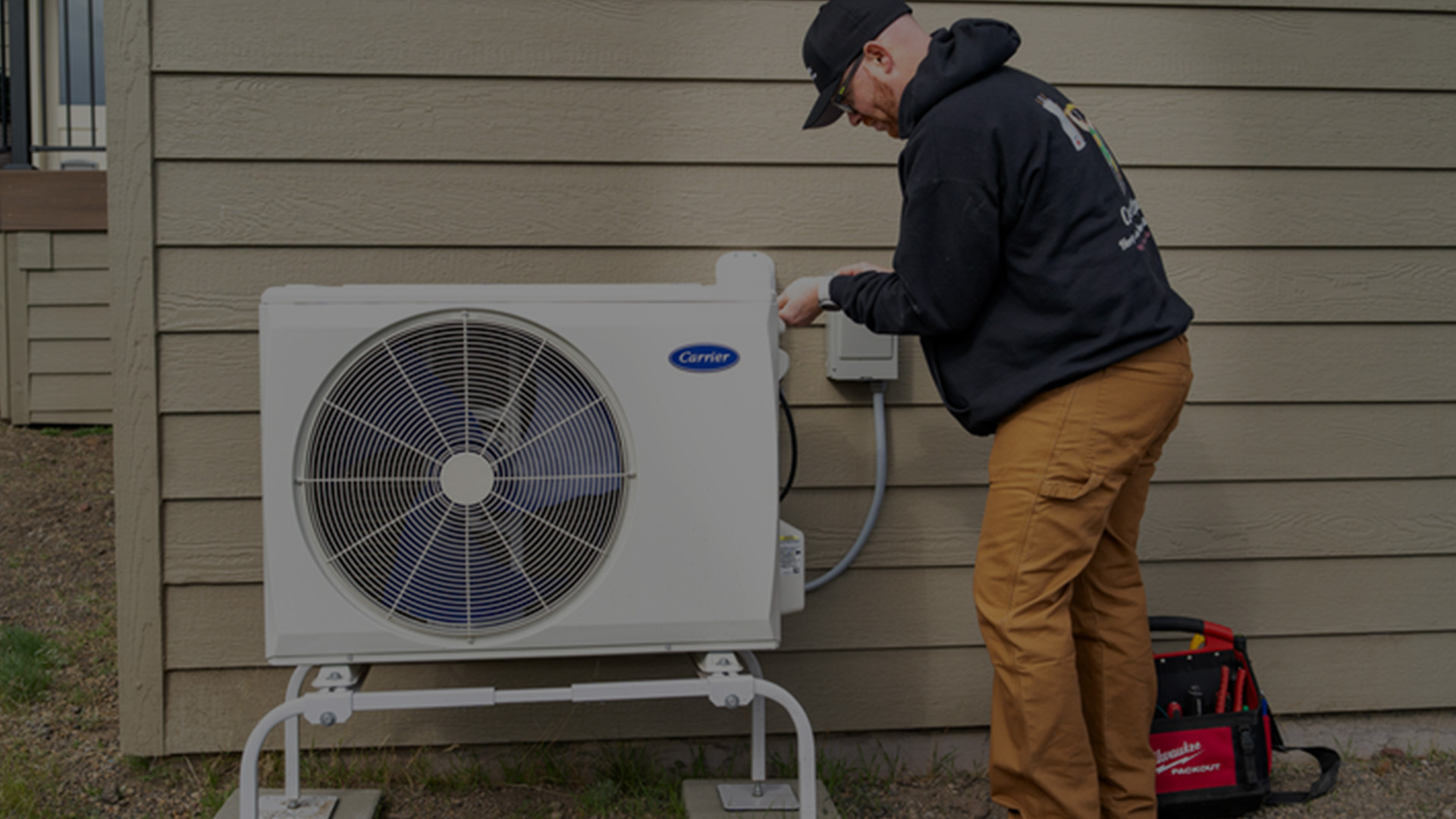
Image of a Central Oregon Heating technician servicing a thermostat in a Bend customer's home

Smart Thermostat Settings for Central Oregon: Best Temps for Winter Nights, Workdays, and Summer Peaks

Central Oregon is known for its major temperature swings, with cold winter nights and hot summer afternoons being the norm. As a local homeowner, you can optimize your energy consumption by installing a smart thermostat. However, this type of tool is only effective if it’s set up properly for your schedule and system type.

To help you stay comfortable all year long, we’ll look at some of the most popular starting temperatures for winter nights, workdays, and summertime peaks. While we’ll cover some of the most common mistakes in heating, ventilation, and air conditioning (HVAC), all of our recommendations are just starting points. Ultimately, the best settings for your home are determined by your family’s safety needs and personal comfort preferences.

Quick “Cheat Sheet” Temperatures

The most effective temperature is going to vary throughout the year. We’ll look at some of the recommended temperatures during the winter and summer for different times of day.

However, it’s important to note that sleeping temperatures can vary based on your health needs, comfort preferences, and the presence of children in the house. Additionally, some people simply like sleeping in a cooler environment.

Winter Starting Points

  • Home and Awake: 68°F to 70°F
  • Sleeping: 62°F to 66°F
  • Away: 60°F to 64°F

Summer Starting Points

  • Home and Awake: 75°F to 78°F
  • Sleeping: 72°F to 75°F
  • Away: 80°F to 82°F

Special Note: If you have a heat pump, scroll down to the heat pump section before you set your HVAC system for wintertime.

Why Smart Thermostat Settings Matter More in Central Oregon

Thanks to our location in Central Oregon, we experience big daily swings in the weather. This means your HVAC system has to recover quickly in the morning and be ready to combat peak heat during the afternoon. By setting the right schedule, you can reduce the risks of overcorrecting and cranking the heat too far in one direction. Smart thermostats are particularly helpful for people who have predictable routines or who use the away setting frequently.

Winter Thermostat Settings for Central Oregon Homes

Once winter arrives, it’s time to update your thermostat settings to maximize comfort and energy efficiency.

Best Winter Settings for Workdays

While each home is different, here’s an example of a good temperature schedule in Central Oregon.

  • Wake (6 a.m. to 8 a.m.): 68°F to 70°F
  • Away (8 a.m. to 4 p.m.): 60°F to 64°F
  • Home (4 p.m. to 10 p.m.): 68°F to 70°F
  • Sleep (10 p.m. to 6 a.m.): 62°F to 66°F

Best Winter Settings for Nights: Comfort Plus Savings

To help you reach the sweet spot between wintertime comfort and affordable energy bills, start by reducing your nighttime temperature so that it is 3°F to 6°F lower. Then, adjust as needed. If you wake up feeling cold, you can increase the temperature by 1°F each night until it feels just right.

Keep in mind that airflow problems can impact how cold each room feels. If your bedroom is much colder than the rest of the house, one of our HVAC technicians can troubleshoot and fix the airflow issues involved.

Weekend Winter Settings

On weekends, you should update the settings based on whether you are home or not. If you spend the day at home, set it so that you are comfortable throughout the day. You can still set the temperature back slightly at night, even if you don’t use the away setting during the day.

Summer Thermostat Settings for Central Oregon Peak Summer Heat

Once summertime arrives, it’s time to update your HVAC system again.

Best Summer Settings for Workdays

Each family has a different daily schedule. You can adjust this sample schedule based on when you are at work, at home, and asleep.

  • Wake (6 a.m. to 8 a.m.): 74°F to 76°F
  • Away (8 a.m. to 4 p.m.): 80°F to 82°F
  • Home (4 p.m. to 10 p.m.): 76°F to 78°F
  • Sleep (10 p.m. to 6 a.m.): 72°F to 75°F

Summer Peak Tips That Actually Work

To stay comfortable without breaking the bank, use the following summer cooling tips.

  • Close the Blinds: During the hottest part of the day, close the blinds on the sunniest side of your house.
  • Pre-Cool Your Home: If your home tends to heat up quickly or you have west-facing windows, pre-cool your home slightly.
  • Use Ceiling Fans: By using ceiling fans, you can stay comfortable at a higher thermostat setting.

Heat Pump vs Furnace: The Settings Should Not Be the Same

Thanks to how energy efficient heat pumps are, more homes in Central Oregon are switching over. Because these units do not operate in the same way as furnaces, the way you set your temperature will also need to vary.

If You Heat With a Gas Furnace or Propane Furnace

Because gas and propane furnaces offer a high level of heat, recovery is easier. This means you can be more aggressive about night away temperatures because your furnace won’t have a difficult time recovering.

If You Heat With a Heat Pump

Heat pumps often use auxiliary heat to recover from major temperature differences, so you don’t want a large winter setback. Instead, keep the setback to just 1°F to 3°F. Then, your thermostat can handle a gradual recovery.

If You Have Dual Fuel

Dual fuel systems are designed to maximize the best of both worlds, offering a heat pump for efficiency and a gas backup. To ensure the best comfort and efficiency, it helps to have a pro set up your thermostat settings and lockout temperature.

Smart Thermostat Features Worth Using (And the Ones That Trip People Up)

To get the most out of your smart thermostat installation, try out the following features.

Scheduling

Scheduling is an effective tool for homes that have set routines. For the best results, stick to a basic schedule that sets different temperatures for time spent away, at home, and asleep.

Smart Recovery

Ideally, the system should start operating early enough that it can hit the target temperature by the time you are awake. Smart recovery helps you maximize comfort, but make sure it doesn’t rely on auxiliary heat all the time.

Geofencing and Auto-away

If your schedule changes constantly, let your smart thermostat sense when you are away and when you’re about to return home. Geofencing is especially effective if everyone has set up the app properly.

Temperature Swing or Cycle Rate Settings (Advanced)

This feature is a good option if your house is short-cycling or overshooting, but it needs to be fine-tuned by a professional.

Common Thermostat Mistakes That Raise Bills (And Wear Out Equipment)

Avoid these common mistakes to prevent unexpectedly high energy bills.

  • Setting an excessive winter setback on a heat pump and then cranking the heat up in the morning.
  • Constantly using manual override instead of adjusting the schedule.
  • Overusing energy by keeping the fan in “On” mode all day.
  • Setting your thermostat based on how one hot room or cold room feels instead of fixing your airflow.
  • Letting sunlight, a TV, or a light get too close to the thermostat can influence its reading.

How to Fine-Tune Your Settings in 15 Minutes

To optimize your thermostat, pick a comfort baseline for each season. Spend three days testing a modest setback for sleep and away settings. Adjust by 1°F until you reach the right temperature level for aux heat usage, comfort, and system run time. If one area isn’t comfortable, focus on fixing its airflow instead of changing the temperature settings for your whole home.

When Thermostat “Issues” Are Really HVAC Issues

The following signs indicate that a thermostat problem is actually due to an HVAC issue.

  • The system can’t reach the set temperature.
  • Individual rooms are abnormally hot or cold.
  • You notice poor airflow or unusual noises.
  • The unit experiences short cycling.
  • Despite running constantly, the heat pump is always behind.
  • Although no changes were made, your energy consumption has jumped significantly since last year.

When to Call a Pro in Central Oregon

If you notice the following problems, it’s time to reach out to an HVAC professional for help.

  • Your smart thermostat isn’t compatible with the HVAC system.
  • Your heat pump often relies on auxiliary heat.
  • The wiring is confusing.
  • You may have duct leaks or airflow problems.
  • Your system needs maintenance.
  • You need help picking a schedule that balances comfort and cost.
  • You need someone to install a smart thermostat upgrade.

FAQs

Over the years, we’ve heard a few common questions about how to set smart thermostats.

What temperature should I set my thermostat to at night in winter?

The best temperature for sleeping tends to be between 60°F and 67°F, with many people preferring around 65°F.

What temperature should I set it to while I’m at work?

When you’re away at work, you can save energy by raising the thermostat setting in the summer and lowering it in the winter. During the winter, drop the thermostat to 60°F to 64°F when you’re at work. In the summer, raise the temperature to 80°F to 82°F when you’re away. By changing your home’s temperature by 7°F to 10°F for just eight hours a day, you can save up to 10% per year on your heating and cooling costs.

Is it better to keep the same temperature all day?

In most cases, it’s a good idea to have the temperature vary during the day. Your comfort needs change based on whether you are at home, at work, or asleep. Additionally, reheating or recooling your home tends to cost less than maintaining the same temperature. However, if you have a radiant heater and a heat pump, it’s a good idea to invest in a smart thermostat.

Why does my heat pump say “Aux Heat” when I change the temperature?

There are a few reasons why your heat pump may say “Aux Heat.” If you set the temperature significantly higher or it’s especially cold out, the auxiliary heat may kick on to make up the difference.

With heat pumps, auxiliary heat is also used when the defrost mode is on. Heat pumps reverse direction when they defrost the outdoor coils, so auxiliary heat is necessary to keep your home warm while the heat pump completes its defrost cycle.

What is the best AC setting during Central Oregon summer peaks?

During summertime peaks, most homeowners will feel comfortable with a temperature range between 75°F and 78°F. When you’re away, you can maximize your energy efficiency by raising the temperature to between 80°F and 82°F.

While temperatures are lower at night, it can still feel quite warm. To help your family sleep comfortably at night, try adjusting the thermostat setting to between 72°F and 75°F.

Should I use Auto, Heat, Cool, or Emergency Heat?

It depends on the outdoor temperature and your comfort needs. Heat is used during cooler parts of the year. The cooling mode is for summertime. Meanwhile, the auto mode is an effective option for most of the year because it can efficiently manage heating and cooling to maintain your indoor temperature.

Finally, emergency heat is only intended for extreme situations. If the temperature is exceptionally cold or your heat pump can’t keep up, you may need to turn on the emergency heat mode.

Do smart thermostats really save money?

Absolutely. Smart thermostats are an efficient way to optimize your energy efficiency while maintaining your comfort. They are able to learn your habits, automate the temperature schedule, and provide convenient geofencing features. On average, investing in a smart thermostat can lower heating and cooling costs by an average of 8% per year.

Optimize Your Smart Thermostat for Central Oregon’s Climate

While there are general guidelines for maximizing your energy efficiency, the best smart thermostat settings will depend on your routine, comfort preferences, and the type of HVAC system you have.

In winter, focus on maintaining a steady level of comfort during the day and setting the temperature slightly back at night. This day-and-night difference should be slightly smaller if you have a heat pump so that your heat pump can easily keep up.

When summer arrives, plan your temperature settings around peak heat. Set a realistic away setting so that you can save money without overtaxing your system when you return.

If your system is struggling or switches to auxiliary heat a lot, we can help. From inconsistent temperatures to common maintenance problems, our HVAC technicians can inspect your unit and help you determine the best option.

Schedule your next inspection or smart thermostat installation today.

Whole-Home Humidifiers for Dry Central Oregon Winters

What do scratchy throats, nosebleeds, static shocks, and dry skin all have in common? If you live in Central Oregon, these are likely all common wintertime experiences. Central Oregon’s winters are quite dry, and indoor heating systems can worsen the dryness.

To help you resolve your home’s dry air, we’ll examine what healthy indoor humidity looks like and discuss the type of humidifier options that will work best for your home.

Why Winter Air Feels So Dry Indoors

When the air is cold, it holds less moisture. Once this outdoor air is heated inside your home, the relative humidity drops even more. This is especially true if you use forced-air heating, which can worsen the dry sensation.

It’s important to note that dryness is more than just a comfort issue. It can impact your home’s appliances and wood. Additionally, dry air can affect how warm your air feels at various temperature levels.

What’s the Right Indoor Humidity Level in Winter?

To get a better understanding of indoor dryness, let’s dive into the best practices for determining the right humidity level.

The Comfort Sweet Spot for Most Homes: 30% to 40% RH

For most homes, the Environmental Protection Agency (EPA) reports that between 30% and 50% is the best relative humidity (RH) level. In our area, homeowners will generally experience the best level of comfort between 30% to 40%. During the wintertime, we recommend setting your RH at 35%.

Adjust Based on Outdoor Temperature and Window Condensation

While 35% is a comfortable humidity level, you also have to worry about condensation forming during very cold temperatures. If you notice any fogging or frosty windows, you should drop the humidity level.

Don’t Guess, Measure

You shouldn’t just guess about how high your home’s humidity is. Instead, install a basic hygrometer on the main floor and near your bedrooms. Humidity can vary between different rooms, especially when you live in a multi-level home.

Signs Your Home Is Too Dry

If you experience any of the following symptoms, your home has dry air.

  • Frequent static shocks
  • Dry, itchy skin that becomes worse indoors
  • Cracked lips
  • Dry nasal passages or an itchy throat when you wake up
  • Houseplants that dry out quickly
  • Shrinking or cracking wood floors, trim, or furniture
  • More dust in the air
  • Portable humidifiers that have to be refilled daily

Signs Your Humidity Is Too High

Sometimes, homes deal with the opposite problem. Your indoor humidity level is likely too high if you notice any of the following symptoms.

  • Window condensation that recurs frequently
  • Musty odors in your corners and closets
  • Damp air, even when your heat is on
  • Visible water spots on your ceilings and walls, particularly in the bathrooms and near windows

Portable vs. Whole-Home Humidifier: What’s the Real Difference?

To solve your humidity issues, set up a whole-home or portable humidifier in your home.

Portable Humidifiers: Pros and Cons

With a portable humidifier, you can enjoy having a low upfront cost. Its small size makes it effective for just one room, and it is easy to set up.

However, you’ll have to constantly refill the unit. Besides the added cleaning requirements, these units also provide inconsistent coverage. They can lead to excessive humidity in a single room while the remainder of your home is still dry.

Whole-Home Humidifiers: Why Homeowners Upgrade

A whole-home humidifier is an effective method for improving your home’s relative humidity. It treats all of the air that runs through your heating, ventilation, and air conditioning (HVAC) system, ensuring a higher level of comfort. It operates in conjunction with a humidistat, so it automatically adjusts your indoor humidity.

Compared to portable units, a whole-home humidifier requires less daily maintenance. You don’t have to fill up the unit yourself, and most of the maintenance work can be done at the same time as the rest of your routine HVAC maintenance. Plus, the added humidity is excellent for improving your home’s dry air and protecting your wood furnishings.

Types of Whole-Home Humidifiers: Which One Fits Your Home?

Whether you want a central humidifier or a bypass humidifier, there are a few different options you can install.

Bypass Humidifiers

A bypass humidifier uses airflow from your HVAC system to add moisture to the air. For the average home in Central Oregon, these humidifiers are a great option. They are known for being extremely reliable and easy to use.

Fan-Powered Humidifiers

With a fan-powered humidifier, there is a fan that can push air through the humidifier. Depending on the setup, a fan-powered humidifier can provide a higher output level than bypass humidifiers.

Steam Humidifiers

Steam humidifiers are known for providing fast, precise humidity control. These units are often the best option for a tight or large home. If you want extra control, a steam humidifier is an effective solution.

However, this type of unit requires more electrical capacity. Because of this, more planning needs to be done before you can set it up.

Decision Helper Box: “What’s Best for You?”

  • Looking for something simple and effective? Opt for a bypass or fan-powered humidifier.
  • Interested in maximizing your output and gaining strict control? Choose a steam humidifier.
  • Unsure about the best option? Get a professional evaluation of your humidity measurements, home size, and comfort goals.

What Installation Usually Involves

At Central Oregon, we carefully walk you through the entire installation process so that you know exactly what to expect. A typical installation requires a location on or near the HVAC system, such as your furnace or air handler. It must have a water supply connection. Depending on the model, it may also need a drain.

As a part of your installation, we will set up a humidistat or smart control. Once all of the installation work is done, the technician will test the humidifier to make sure it’s producing the appropriate humidity level without causing excess condensation.

Because of all the factors involved, the cost and complexity of each installation can vary. Your existing HVAC configuration can also impact the overall price. To help you know what to expect, our technician will walk you through the steps involved and provide a no-obligation quote.

Maintenance: What You’ll Need to Do to Keep It Clean and Working Well

Once your humidifier is installed in your home, the next step is making sure it functions efficiently. The following maintenance tasks can help your humidifier last as long as possible.

Regular Homeowner Upkeep

As outdoor temperatures change, check your humidifier to make sure the settings are appropriate. You will also need to replace the water panel or pad as needed. Throughout the year, you should clean around the unit to make sure it is easy to access.

Professional Maintenance (Recommended)

While you can perform some maintenance tasks on your own, other tasks should be left to the experts. During the seasonal inspection and cleaning, our technician will make sure the unit is draining properly and functioning safely. We’ll also test the humidity output and control settings to ensure optimal performance.

Common Questions We Hear From Central Oregon Homeowners

Over the years, we’ve found local homeowners ask a few common questions about humidifiers.

What humidity should my house be in winter?

In Central Oregon, a relative humidity of 30% to 40% tends to feel comfortable and is low enough to prevent condensation. Ideally, try to keep your humidity level around 35%.

Is 40% humidity too high in winter?

No, 40% is generally a comfortable level for most people. If you notice signs of fogging or condensation on your windows, you should decrease your home’s relative humidity.

Why do my windows fog up when I run a humidifier?

If your humidity level is too high, your windows will fog up. The moist, warm air hits the glass and condenses into fog. To fix this problem, lower your indoor humidity.

Can a whole-home humidifier help me feel warmer at a lower thermostat setting?

Absolutely. Moist air is better at holding heat, so you’ll be able to feel warmer at a cooler temperature.

Do whole-home humidifiers work with heat pumps?

Yes, we can install whole-home humidifiers in homes that have existing heat pumps. There are specific humidifiers that work best with heat pump systems, so call for a professional consultation about the best options for your needs.

How do I know if I need a steam humidifier vs. a bypass unit?

Steam humidifiers are ideal if you have a large home or want a high level of control. Meanwhile, bypass units are good for smaller homes and limited budgets.

How often does a whole-home humidifier need maintenance?

Whole-home humidifiers require professional maintenance at least once per year. However, there are also routine maintenance tasks that homeowners should be performing on an ongoing basis.

Will a humidifier make my home moldy?

As long as your humidifier is set to the appropriate humidity level, it will not make your home moldy. However, a faulty or badly maintained humidifier can cause mold growth. If you are concerned about signs of mold, schedule a professional HVAC inspection right away.

Combat Central Oregon’s Dry Winter Air

In Central Oregon, we have dry winters. To ensure comfort, protect your wood finishes, and reduce static issues, invest in a humidifier installation. In general, most homes will feel best at around 30% to 40%. During cold snaps, you may need to lower this level if you notice signs of condensation.

If you want help picking out the right humidifier this winter, our team can walk you through the best options for your home and comfort goals. Call today to schedule your professional humidifier evaluation.

Faucet dripping

Hard Water Problems: Signs You Need a Water Softener

When you reach for a glass, you notice that the glassware is strangely cloudy. Your laundry is unusually stiff, and your faucets never appear clean. At night, you slather on lotion to combat dry, itchy skin.

If you’re experiencing these symptoms, you likely have hard water. This water type doesn’t just make cleaning and skincare annoying. Over time, it can shorten the lifespan of your water heater and force it to work harder.

From popular water softeners to effective maintenance tips, we’ll cover some of the problems associated with hard water and what you can do to mitigate these issues.

What “Hard Water” Really Means (And Why It’s Such a Problem)

If you have hard water, it means that there are higher levels of minerals in the water. Calcium and magnesium are normal parts of the water supply, so they’re perfectly safe to drink.

The problem is when these minerals stick to the inside of your plumbing system, fixtures, and appliances. The buildup can gradually restrict the flow of water. In your water heater, it can impact heat transfer, increase wear on your unit, and lead to more frequent repairs. Additionally, hard water can cause other minor annoyances, such as problems rinsing and lathering soap and detergent.

Signs You Need a Water Softener

There are a few common signs you may need a water softener in your home.

White Spots on Dishes, Glass, and Faucets That Keep Coming Back

  • What You’ll Notice: You may notice chalky residue on your dishes after they dry.
  • What It Means: These mineral deposits get left behind after the water has evaporated.

Soap Scum That Clings to Tubs, Showers, and Sinks

  • What You’ll Notice: Your tub, shower, or sink may have a dull film that feels impossible to scrub away.
  • What It Means: This occurs if soap reacts with minerals in the hard water. Afterward, it sticks to the surfaces of your tub.

Dry, Itchy Skin or Hair That Feels Dull After Showering

  • What You’ll Notice: It may feel like using lotion doesn’t improve your skin’s dryness. Even your hair feels heavy and brittle.
  • What It Means: Unfortunately, minerals in hard water can make it difficult for soap to cleanly rinse your skin and hair.

Shampoo, Soap, and Detergent Do Not Lather Like They Used To

  • What You’ll Notice: You feel like you have to use more soap or shampoo to achieve the same level of cleanliness.
  • What It Means: Hard water is known to reduce the effectiveness of soap.

Stiff Towels, Scratchy Clothes, or Laundry That Fades Faster

  • What You’ll Notice: Sometimes, it may seem like the fabric is rough to the touch or doesn’t feel like it was freshly laundered.
  • What It Means: This may be related to minerals and excess detergent building up within the fabric.

Clogged Showerheads or Reduced Water Pressure at Fixtures

  • What You’ll Notice: When showering or running water, you may notice a lower flow rate or uneven spray. You may also have to clean the fixtures more frequently.
  • What It Means: Over time, scale buildup can restrict the aerators and fixture openings.

Frequent Plumbing Annoyances

  • What You’ll Notice: Plumbing issues, like leaks and repairs, may happen more often.
  • What It Means: Mineral buildup can stress components, which leads to more frequent plumbing repairs.

Bonus Sign: Your Water Heater Symptoms Keep Popping Up

  • What You’ll Notice: Pay attention to unusual noises, a sudden drop in your water heater’s efficiency, and inconsistent hot water.
  • What It Means: This occurs because scale builds up inside the water heater and affects its efficiency.

What Hard Water Is Doing to Your Water Heater

If you have hard water, there are a few key ways that it is impacting your home’s water heater.

Scale Buildup Acts Like Insulation Inside the Tank or Heat Exchanger

Over time, minerals can settle and harden. This is especially a problem when the water is heated up. As a result, the system can end up using more energy to perform the same task.

You Get Less Hot Water (And It Runs Out Faster)

As the scale buildup accumulates, it can take up added space inside your tank. This reduces the amount of usable water, so you may have to take shorter showers or wait longer for the water heater to heat more water.

Your Water Heater May Get Louder

The accumulation of sediment and scale can cause popping, crackling, and rumbling noises as heat passes through it.

Hard Water Can Shorten a Water Heater’s Lifespan

Thanks to all of these factors, the heating elements, burners, and internal components have to work harder to reach the same temperature. This added strain increases the likelihood of premature wear and unexpected failures.

Tank vs. Tankless: How the Damage Shows up Differently

Depending on which type of water heater you have, the damage can show up in different ways. With a tank water heater, the sediment and scale collect at the bottom of the tank. This increases the amount of noise, slows the tank’s recovery rate, and decreases its efficiency.

In comparison, tankless water heaters are significantly impacted by how scale clings to the inside of the passages and the heat exchanger. As a result, you may experience fluctuating temperatures, reduced flow, and more frequent maintenance requirements.

How to Confirm You Have Hard Water Without Guessing

If you are uncertain whether you may have hard water or not, look for the following clues.

  • Spots on your glassware
  • Scale buildup on your showerheads and faucets
  • Soap that doesn’t lather

There are also other ways to check for hard water. Basic test strips can tell you your water hardness. You can also check your municipality’s water quality report to find out. If you are on a well, you should just schedule a professional water test.

Ultimately, getting a test is essential if you want to treat your home’s hard water. Before you can set up a water softener, you need a professional test and inspection to determine the hardness level, household water use, and the accurate level of water softening required.

How a Water Softener Helps (And What It Won’t Fix)

Installing a home water softener can help in a few key ways, but it does have limitations.

What a Water Softener Fixes

With a water softener, you can achieve the following goals.

  • Improve your ability to rinse and lather soap
  • Decrease the amount of scale buildup in your appliances and fixtures
  • Improve the way your laundry feels
  • Reduce soap scum
  • Protect your water heater from heavy mineral buildup and resulting damage

What a Water Softener Does Not Fix by Itself

While a water softener has many benefits, it will not fix the following problems.

  • Sediment in your water
  • Chlorine odors or taste
  • Dirty water
  • Most water odors that come from the source water or plumbing

Water Softener Sizing and Installation Basics

Finding the appropriate water softener size depends on your household’s size, hardness level, and water use. This decision is also impacted by your peak flow needs, which is when multiple appliances are using water at once.

To install your new water treatment system, you’ll need to have a space near your main water line and a drain connection for the regeneration discharge. You’ll also need a power source for the control head. Wherever you place the water softener, the main goal is to make sure it is treating water before the water can reach the rest of your home.

What to Do If Hard Water Is Already Affecting Your Water Heater

If your water heater is already affected by your hard water, there are a few steps you can take to protect your unit.

Helpful Maintenance Steps

While you can use these DIY steps to protect your system, getting professional water heater repairs and maintenance is the best approach to preventing damage and improving the longevity of your unit.

Start by flushing the tank to remove any sediment buildup. Then, you can check key components to see if they are noticeably impacted by scale.

However, only a few of these components are readily visible, so the best option is to schedule a professional water heater inspection. If you have a tankless water heater, you should schedule a tankless descaling service to improve its performance.

When It Might Be Time to Replace Instead of Repair

You may need a water heater replacement if you notice the following issues.

  • Leaks around the tank or connections
  • Recurring repairs over a short time period
  • Rust-colored water from your hot water tap
  • Performance drops that don’t go away

When to Call a Pro

Always call for professional help in the following situations.

  • There are loud rumbling or popping noises.
  • The hot water seems to be running out much faster.
  • The tankless unit experiences temperature swings or flow issues.
  • There are signs of moisture, leaks, or corrosion around the unit.
  • You’ve experienced repeated clogs or low-pressure issues.
  • You need a water softener installed, and you want to have it done the right way.

FAQs

To help you figure out the best solution to your hard water, we’ve compiled some of the most frequently asked questions that we hear.

How can I tell if hard water is causing my problems or if it’s something else?

You can tell if hard water is the cause by checking for common signs, such as water spots on glasses, dry skin, and stiff clothing. Because hard water can clog pipes over time, you may notice reduced water pressure. You can also schedule a professional test or buy test strips.

Will a water softener help my water heater last longer?

Absolutely. Water softeners can prevent mineral scale buildup. Because this buildup can clog heating elements and pipes, using a water softener can prevent major sources of wear and damage.

Is hard water the reason my hot water runs out quickly?

Quite possibly. Hard water causes sediment to build up around the bottom of your tank. This forms an insulating layer that makes it harder for the heating element to heat the water and effectively reduces the amount of water that can be heated. To determine if this is the cause for sure, schedule a professional plumbing inspection and maintenance appointment.

Can hard water cause higher energy bills?

Absolutely. When you have hard water, it forms a layer of sediment in your water heater. This makes your water heater work harder to reach the same temperature, which can result in higher energy bills.

However, it’s important to note that there are many potential causes of high energy bills. Because of this, you should always talk to a plumbing expert before beginning any repairs.

Do I need a softener if I already have a tankless water heater?

Yes, you do. Tankless water heaters have smaller, more delicate heat exchangers, so the impact of hard water is often more severe. Over time, hard water can cause scale buildup, increased wear, and a lower system lifespan.

How often should a water softener be serviced?

You should schedule a professional service appointment once per year. If you have an older unit, you may need to get it checked every six months instead.

Between appointments, you should check on the salt levels each month. Once a season, check for leaks and mineral buildup.

Do I still need to flush my water heater if I install a softener?

Yes, you do. The main difference is in how often you have to flush your water heater. With hard water, you often need to flush your tank every 6 to 12 months. Once a water softener is installed, you can often delay your tank flushing to every one to two years.

Is softened water safe to drink?

Softened water is completely safe to drink. The only safety note is for population groups that can’t handle high sodium levels, such as infants who consume formula and patients on a low-sodium diet. Because water softeners replace calcium and magnesium with sodium, they can increase the amount of sodium in your diet.

Prevent Hard Water From Damaging Your Home

For homeowners, the first sign of hard water is often water spots and soap scum. However, these visible signs are only the tip of the iceberg. Inside your water heater, the hard water is causing significant damage.

To avoid expensive repairs, reach out to our experienced plumbers. We can confirm the hardness of your water, address any scale present, and recommend the best softener options for your plumbing system and appliances.

Schedule a water quality and water heater check today to avoid unexpected surprises this season.

7 Signs You Need Professional Heat Pump Maintenance

You’re feeling chilly, so you switch the thermostat to a warmer temperature. While you can hear the heat pump kick on, something doesn’t feel right.

Most HVAC failures don’t just happen unexpectedly. Instead, you’ll typically notice noises, smells, and performance issues before the heat pump actually stops working. By tackling these problems while they are small, you can prevent them from causing a no-heat or no-cool situation.

To help you troubleshoot your heat pump issues, we’ll go through the main warning signs, what you can do to check for problems, and when you need to call one of our professional heating, ventilation, and air conditioning (HVAC) technicians for help.

Why Heat Pump Maintenance Matters

In Central Oregon’s cold winters and dry, sunny summers, you don’t want to be left without a functioning heating and cooling system. Because of their versatile design, heat pumps are able to function all year long. Unfortunately, this year-round functionality also means they operate longer and wear down faster than HVAC systems that only run seasonally.

By investing in routine maintenance, you can enjoy the following benefits.

  • Better energy efficiency
  • Lower utility bills
  • Consistent comfort levels
  • Increased system longevity
  • Fewer emergency repairs

Through maintenance, you can do more than just keep your unit limping along. You can ensure it is running as smoothly as possible, ensuring your family’s year-round comfort.

The 7 Signs You Need Professional Heat Pump Maintenance

If you notice any of the following seven symptoms, it is time to schedule services from professional heat pump contractors near you.

Your System Is Running Nonstop or Short Cycling

While heat pumps may run for long periods of time in extreme weather, nonstop operation is a sign of concern if it barely changes your indoor temperature. Similarly, you should call for help if your unit repeatedly turns on and off.

This symptom can occur if there are airflow issues, dirty coils, or problems with your thermostat. In addition, you may encounter these problems if your system’s performance has dropped for some reason.

To troubleshoot these issues, start by checking your air filter and making sure your supply vents are open. If these tips don’t impact your unit’s short cycling or nonstop cycles, schedule an inspection.

Your Energy Bill Jumps Without a Clear Reason

When your energy bill skyrockets for no obvious reason, your HVAC equipment may be malfunctioning. Dirt buildup, worn components, and airflow issues can make your heat pump work harder to reach the same temperature level.

To troubleshoot, try clearing debris away from your outdoor unit. If you haven’t replaced the filter for a while, this is a good time to change it out. Afterward, you can monitor your energy bills and schedule repairs if your bills remain high for multiple cycles.

Weak Airflow or Uneven Temperatures From Room to Room

Unusual hot spots in different rooms and weak airflow may be due to multiple causes. Other than dirty air filters, this can happen because of blower problems, dirty coils, duct leaks, and poorly balanced dampers.

To remedy the weak airflow and uneven temperatures, check for blocked vents and move furniture away from the vents. Then, make sure your filter is accurately sized and installed properly. If these solutions don’t fix the problem, book an appointment with Central Oregon Heating, Cooling, Plumbing & Electrical.

Strange Noises You Didn’t Hear Before

Buzzing, grinding, clicking, rattling, humming, and squealing noises can be due to a range of malfunctions.

  • Loose parts
  • Airflow-related problems
  • Worn bearings
  • Electrical malfunctions

You can try to fix the problem by removing any ice chunks or sticks that are around the outdoor unit. If the noise continues or becomes louder, schedule repairs. Additionally, you should get help if you notice performance problems at the same time.

Odd Smells When the Heat Pump Turns On

Sometimes, you may notice a sharp electrical odor, damp smells, or musty scents when you switch on your unit. These can be due to electrical issues, moisture accumulation, bacteria growth, or a clogged condensate drain line.

You can try to resolve this problem by replacing the air filter. However, if the smell persists, returns daily, or smells like something is burning, you should call for help right away.

It’s also worth noting that a dusty smell is normal if you are just turning on your heat pump on the first day of the season. After you initially switch it on, the smell should fade and not return.

Ice Buildup on the Outdoor Unit or Frequent Defrost Problems

If your heat pump requires professional maintenance and repairs, you may notice thick ice on the outdoor unit or frost that persists despite repeated attempts to remove it. During cold snaps, your heat pump may struggle to function at its best.

This may mean that something is wrong with your system’s defrost cycle, or there could be drainage problems. Additionally, poor airflow could cause this issue. At the very least, ice buildup and inadequate defrost cycles are a sign that your system needs an intensive inspection.

You can try to boost airflow by cleaning around your outdoor unit. However, you should never try to use tools to chip the ice off. If your unit is encased or the ice keeps returning, reach out for professional help right away. Similarly, you should immediately call for help if your heating performance level drops.

Water Pooling, Dripping, or Moisture Where It Shouldn’t Be

If there is water or moisture where it shouldn’t be, you may notice water stains, puddles, or damp odors. There may also be water dripping from your condensate drain line.

Excess moisture often occurs if the condensate drain line is clogged and water is backing up. Additionally, dirty coils may lead to moisture if they cause the coils to freeze. Any time there are drainage complications, it can cause water damage.

To troubleshoot, look for obvious blockages in your condensate drain line. However, you should not take any of your heat pump panels apart. If you can’t resolve the issue and there’s active leaking, water damage, or repeated pooling, schedule an HVAC appointment.

Quick DIY Checks That Are Safe (and Actually Helpful)

While some heat malfunctions should be left to the experts, you can perform certain repair and maintenance tasks on your own. If your heat pump isn’t functioning at its best, troubleshoot using the following steps.

  • Replace Air Filter: Air filters should generally be cleaned or replaced every 30 to 90 days. Make sure that your unit is using the right size.
  • Clear Debris: To give the outdoor unit breathing room, clear away any debris that has built up around the unit.
  • Open Vents: For proper airflow, your vents need to be open and unobstructed.
  • Adjust Thermostats: Make sure your thermostat mode, schedule, and temperature are set properly.
  • Reset Breakers: If your breaker trips once, you can reset it. However, you should never repeatedly reset the same breaker because it means that there is an underlying electrical problem that needs to be addressed.

When It’s Not “Maintenance” Anymore

Call for help immediately if you notice the following signs. These are indications that you need emergency repairs.

  • Fire Hazards: Burning smells, smoke, and visible sparks are a major fire risk.
  • Repeatedly Tripped Breaker: If your breaker keeps tripping when your heat pump starts up, it represents an electrical hazard.
  • Loud Noises: A loud grinding noise or metal-on-metal sound is a sign you should turn off your heat pump and call for help.
  • No Heat or No Cooling: If we’re experiencing freezing temperatures or sweltering heat waves, you should call immediately if you don’t have heating or cooling options available.
  • Serious Water Leaks: If you have water leaking out fast or water damage, immediately reach out to our team.

What Professional Heat Pump Maintenance Typically Includes

During our routine maintenance, we’ll perform the following tasks. Whenever possible, we prioritize repairing malfunctions over replacements.

  • Comprehensive inspection to maximize your safety and performance
  • Full cleaning for optimized airflow and efficiency
  • Electrical checks and tightening connections
  • Heating and cooling tests to ensure smooth operation
  • Refrigerant tests to verify refrigerant levels
  • Drain and moisture management checks

How Often Should You Schedule Heat Pump Maintenance?

In general, most heat pumps function well if they have at least one maintenance check per year. If you have allergies, pets, or an old system, you may need to schedule two inspections per year. We generally recommend timing your cooling inspection in the spring before the first heat wave arrives. Then, the second inspection can occur in the fall before the main heating season begins.

FAQs

To help with your heat pump maintenance, we’ve compiled a list of the most common heat pump maintenance questions that we hear.

Is it normal for my heat pump to run all the time?

Yes, it is often normal for heat pumps to run almost constantly in the extreme cold. Because they don’t heat the air to the same high temperature that furnaces do, they run for longer to achieve the same temperature level.

However, there are instances where this could indicate a problem. If your heat pump is genuinely running nonstop, it may be time to schedule a heat pump maintenance appointment. Similarly, call for help if your heat pump is running all the time and is still unable to maintain your indoor temperature.

Why is my heat pump blowing cool air in heating mode?

There are a few common reasons why your heat pump might blow cold air while it is in heat mode. If it is cold enough out, the heat pump may switch to defrost mode to melt ice that is on the outdoor unit. Alternatively, a clogged air filter, bad wiring, or a stuck reversing valve could be causing this issue.

You can troubleshoot by replacing the filter. Then, check the thermostat to see if it is set to the right mode and temperature. If these troubleshooting tips don’t work, you need to reach out for professional HVAC maintenance.

Can a dirty filter really cause bigger problems?

Absolutely. It can immediately lead to indoor air quality issues and poor energy efficiency. Over the long run, a dirty air filter increases wear on your unit and leads to more frequent breakdowns. For instance, it can cause faulty blower motors and frozen evaporator coils.

What causes ice buildup on a heat pump?

It depends on where the ice buildup occurs. If it is on your evaporator coils, it may be due to low refrigerant, dirty evaporator coils, or other issues that are causing your unit to transfer heat inefficiently. In extreme weather, outdoor units can experience ice buildup. This is especially common if the defrost cycle is malfunctioning and can’t melt the accumulated ice. Finally, airflow-related issues, like debris, blocked vents, and blower motor issues, can increase the likelihood that your unit freezes.

How do I know if it’s a thermostat issue or the heat pump itself?

Troubleshoot by checking to see if the thermostat is in the correct mode, changing the thermostat batteries, and changing the temperature. If these steps don’t work and you have other unusual HVAC symptoms, there is likely an issue with the heat pump.

Is professional maintenance different from a repair call?

Yes, it is. When we show up for a maintenance appointment, we clean and inspect the unit. We also lubricate moving parts and test the heat pump’s performance. During a heat pump repair call, we’re primarily focused on diagnosing and solving the reason you called. Additionally, heat pump maintenance is a preventative tool that is far more convenient and affordable than performing emergency repairs.

Will maintenance lower my energy bill?

Performing routine maintenance can improve your unit’s energy efficiency and reduce your energy bill. Because it decreases the strain on your system, maintenance can also lower your repair and replacement costs as well.

What should I do if my breaker trips when the heat pump turns on?

You should immediately turn off your heat pump and call an HVAC technician right away. Breakers trip to protect your home’s electrical wiring and appliances from damage, so you need a professional to determine the underlying cause.

Schedule Your Next Maintenance Appointment

Minor heat pump symptoms of a problem are early warnings. By being proactive about addressing these issues, you can prevent major repairs from becoming necessary.

As soon as you notice a minor problem, it’s time to schedule your next heat pump maintenance before temperatures swing again. Give us a call at 971-435-7303.

Clogged drain for cleaning by a plumber in Central Oregon

DIY Drain Maintenance: Preventing Clogs and When to Call for Professional Hydro Jetting

It’s in the middle of the night, but you can hear the shower gurgling. In the bathroom, the slow-draining sink remains full of water. Worse still, a mysterious smell is emanating from the bathroom’s floor drain.

As a homeowner, there are steps you can take to prevent and resolve these kinds of issues. Minor clogs can be dealt with through DIY techniques. For more serious clogs or problems that involve multiple fixtures, it’s important to skip DIY repairs and schedule professional hydro jetting right away.

Why Drains Clog in the First Place

Drain clogs can occur because of a few common issues. Fats, oils, and grease (FOG) items are known for solidifying in drains and sticking to the walls of the pipe. Food scraps, coffee grounds, and overloaded garbage disposals can contribute to clogs as well.

In other parts of the home, the cause of blocked drains can vary. Bathroom drains typically suffer from soap scum, hair, and product buildup. Meanwhile, laundry room drains often suffer from detergent residue and lint.

Some blockages happen in the sewer line or main line. If there’s recurring buildup or deep blockages in the sewer line, it can cause multiple fixtures to back up. Root intrusion is also a common issue if there are any trees growing nearby.

DIY Drain Maintenance Checklist: Prevention That Actually Works

As a homeowner, there are a few practical steps you can use to protect your drains and resolve tough clogs.

Daily Habits (Quick Wins)

To protect your pipes, use the following tips.

  • Get a sink strainer and a shower hair catcher to keep debris out of your drains.
  • Use a paper towel to remove grease, fats, and oils before putting dishes in the sink.
  • Always run water when using your garbage disposal.
  • Do not flush anything other than toilet paper.

Weekly Habits

Once a week, spend about 10 minutes doing the following tasks.

  • On heavy cooking days, do an extra hot water rinse to melt and wash away FOG items.
  • Clean out your pop-up stoppers, sink strainers, and hair catchers.

Monthly Habits: Maintain Your Systems

Each month, perform the following tasks to care for your plumbing systems.

  • Perform a gentle maintenance clean, but never use any harsh chemicals. If you have hard water, pouring vinegar down the drain can help break down some of the mineral buildup.
  • Look for slow drips or any dampness under your sinks. Fix minor leaks before they escalate.

Seasonal Reminders

Before peak hosting season or after heavy yard growth, it’s a good idea to get your plumbing systems checked. We also recommend scheduling a professional inspection if you have frequent issues with slow drains or older plumbing systems.

What to Try When a Drain Is Slow: Focus on Safe DIY Fixes First

To resolve a slow drain, start with some of the following simple fixes. If the problem doesn’t improve quickly, stop and call for help.

Step 1: Hot Water Flush

Hot water can be effective for minor soap- and grease-based clogs because it melts the grease. However, this isn’t effective if the drain is completely backed up and can sometimes push the clog deeper into the drain. To avoid burns, exercise caution when flushing the drain.

Step 2: Plunger (Yes, Even for Sinks!)

A plunger can effectively remove clogs from toilets, sinks, and other drains. For the best results, use the following steps.

  • Make a complete seal.
  • Use short, strong plunging motions.
  • Repeat as needed.

Step 3: Clean the Stopper or Drain Cover

If hair and debris are clogging the stopper, you can easily fix the problem by removing the stopper, rinsing it, and putting it back in place.

Step 4: Hand Snake for Tubs and Sinks

Hand snakes are an effective option if you’re dealing with hair clogs or buildup that is a little deeper in the line. Stop snaking the drain if you meet heavy resistance or if the clog is removed.

Step 5: Clean the P-trap

If you are comfortable with this plumbing task, you can clean the P-trap. Make sure to gather a bucket and towels so that water doesn’t leak into your home.

Then, place the bucket under the P-trap. After disconnecting the P-trap, remove any clog. Then, you can retighten it carefully in place.

If you are uncomfortable performing this maintenance task, reach out to one of our plumbers for professional help instead.

What Not to Do

To avoid damage and ensure the safety of your plumbing system, never do the following things.

  • Don’t mix different cleaning products together.
  • Don’t use harsh, store-bought drain cleaners.
  • Don’t continue trying other DIY repairs if the symptoms continue to get worse.
  • Don’t try to use high-pressure equipment or hydro jetting techniques on your own.

Signs It’s Time to Call a Pro

Before your minor blockage becomes a major problem, it’s a good idea to get professional help. If you notice the following issues, schedule a plumbing repair appointment right away.

  • A recurring clog keeps returning after you clean it.
  • Multiple drains are slow at once.
  • There are gurgling noises coming from your drains and toilets.
  • Water is backing up into a shower, floor drain, or tub when you’re using a different fixture.
  • A foul odor keeps returning.
  • You smell sewage, or your sewer line is backing up.

When a plumbing disaster occurs, calling early is typically much cheaper than waiting for the minor repair to escalate into pipe damage or a full backup.

What Hydro Jetting Is (and Why It’s Different From Snaking)

Hydro jetting is a powerful tool that helps to break up buildup. Unlike basic drain cleaning, it actually cleans off the pipe walls instead of breaking a hole in the clog. This is why hydro jetting is so incredibly effective at removing mineral buildup, root intrusion, grease buildup, and heavy sludge. If snaking is like making an opening in the drain, hydro jetting is like resetting the pipe to brand new.

When Hydro Jetting Is the Right Call

Hydro jetting is the right choice in a few situations.

  • Recurring clogs come back after snaking or plunging.
  • You have slow drains, odors, and gurgling.
  • Multiple fixtures are backing up, which indicates a main line issue.
  • You are tired of recurring clogs, so you want to use hydro jetting as a preventative solution.

For the best results, we recommend getting a camera inspection before hydro jetting. This allows us to confirm that hydro jetting is the safest and most effective option for your pipes.

What to Expect From a Professional Hydro Jetting Appointment

When the day of your hydro jetting appointment arrives, our licensed technicians will show up to evaluate the problem and likely cause. We’ll perform a visual inspection of the line, often with a camera. Before we begin, we’ll make sure to communicate upfront about the extent of the problem and our recommendations.

Then, one of our plumbers will protect the access points and work area before hydro jetting the pipe. We’ll carefully select the right nozzle and pressure. Once we are finished, we’ll confirm your water flow is restored and recommend the best way to prevent future issues.

In urgent situations, you can’t afford to wait. Our team offers fast response options, so you don’t have to deal with recurring clogs and backed-up pipes.

After Hydro Jetting: How to Keep Drains Clear Longer

To keep your drains clean, we recommend the following tips.

  • Never pour grease, fats, or oils down the drain.
  • Use strainers and hair catchers to keep your drains clean.
  • If you’re using the kitchen heavily, flush the drain with hot water.
  • Schedule routine plumbing maintenance if you’ve experienced problems in the past.

For a no-stress way to avoid clogs, reach out to our plumbing professionals for routine maintenance.

FAQs

Can I use store-bought drain cleaners?

No, the harsh chemicals can damage your pipes and seals. Worse still, they have a tendency to make the problem worse by pushing the clog deeper into the pipe.

Is hydro jetting safe for all pipes?

While hydro jetting works well with PVC and copper pipes, it can damage Orangeburg lines and clay pipes. This is one of the reasons why our plumbers always inspect lines with a camera before hydro jetting.

How do I know if it’s a main line problem?

If it’s a main line issue, you’ll likely have multiple fixtures that are gurgling or backed up. You may also notice sewer odors or lush spots in your backyard.

What causes recurring clogs?

Recurring clogs typically happen if mineral deposits, grease buildup, and other debris have built up over time. A drain snake breaks a hole in the clog, but the majority of the buildup remains. As a result, clogs are likely to recur.

Is hydro jetting better than snaking?

Hydro jetting cleans the pipes instead of just punching a hole through the clog, so it is a very effective method for resolving clogs. However, hydro jetting isn’t an option for every type of pipe material.

Learn How to Resolve Recurring Clogs

If you’re struggling with recurring clogs, small changes can help prevent them. When clogs do occur, safe DIY steps can help. For more serious problems, reach out to our professional plumbers for proper drain cleaning and hydro jetting.

Schedule your next service with our Bend and Redmond plumbers today.

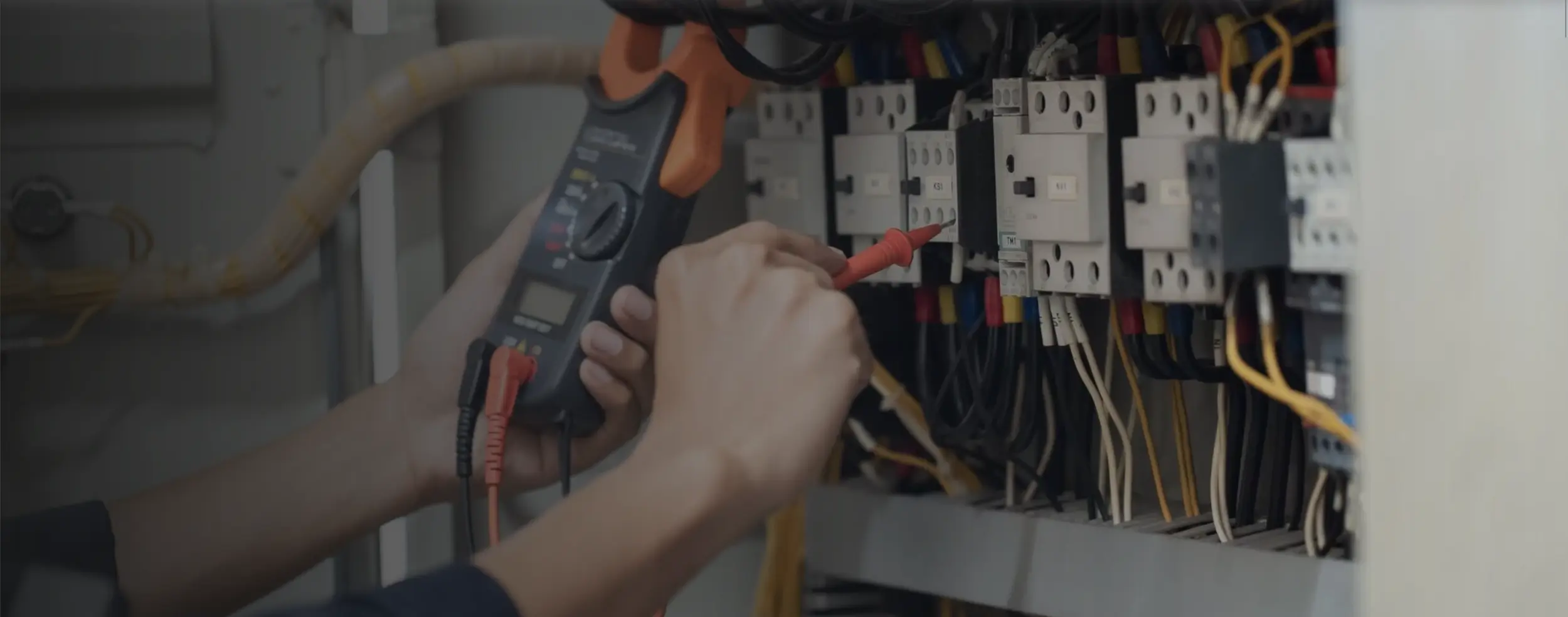
Electrician testing a newly upgraded electrical panel in Bend home.

Panel Health Check Before Heater Season

When temperatures start to fall in Central Oregon, you need the heat to kick on right away. Heat pumps, furnaces, and electric heaters all rely on consistent power in order to function. If your heater short-cycles, shuts off, trips breakers, or isn’t functioning optimally, it may be time to inspect the health of your panel.

To help you get started, we’ve compiled the most important red flags you should watch out for and essential DIY safety checks.

What “Panel Health” Means and Why It Matters for Heater Season

An electrical panel is where all of your home’s circuits are protected and controlled. Each one has a circuit breaker that flips if the circuit is overloaded.

In the winter, your panel’s health is especially important because heaters run longer and draw additional power. You may also be using holiday lights, humidifiers, space heaters, and other electrical devices. If the breaker is weak or there is a loose connection, it can lead to problems.

By making sure your system functions at its best, you can avoid unexpected heater failures and save money on your energy costs. Pre-season checks can help you prevent unexpected breakdowns and improve the efficiency of your electrical systems.

Quick Warning Signs Your Electrical Panel May Not Be Ready

If you notice any of the following warning signs, your electrical panel may need maintenance and repairs before the coldest months of winter arrive.

  • Your breaker trips whenever you switch the heater on.
  • The electrical panel is warm to the touch.
  • Your lights dim or flicker when HVAC equipment turns on.
  • Often, you use extension cords or power strips to run seasonal devices, like space heaters.
  • You hear a buzzing or crackling noise near the panel.
  • You noticed rust, water stains, or moisture around the panel.

Important Safety Note: Any buzzing noises, burning smells, repeated breaker trips, or heat are signs that something dangerous could be going on. Immediately stop what you are doing and call a professional for a full inspection.

DIY Panel Health Check

As a homeowner, there are a few DIY steps you can take to protect your panel’s health.

Step 1: Make Sure the Panel Area Is Safe and Accessible

First, clear storage items and clutter away from your panel to ensure easy access. The area should be kept dry and well-lit.

Step 2: Look, Listen, and Smell Only

Look for obvious indications of moisture or corrosion. Pay attention to any burning odors. You should also be alert for buzzing or humming noises.

Step 3: Check for Tripped Breakers and Reset the Right Way

If there is a tripped breaker, make sure it is flipped completely off. Then, you can turn it back on. Hopefully, it will function like normal. If it immediately trips again, it means that there is an underlying electrical problem that needs to be dealt with by a professional electrician.

Step 4: Label the Panel

In the future, you’ll appreciate having a fully labeled panel if there is an emergency in the middle of a cold night. If you know which circuits connect to your thermostat, air handler, heater, and heat pump, label them now.

Step 5: Do a “First Heat” Test Run Before You Need the Heat

Before you need to use the heat each day, conduct a 10- to 15-minute test run. Pay attention to any flickering, unusual noises, or tripped breakers.

Important Safety Note: For homes that have electric heaters, the same fuse blowing or breaker tripping is a sign to call for electrical repairs right away.

What Not to Do

If your electrical panel malfunctions, don’t panic. You don’t want to unintentionally turn a small issue into a major disaster.

When your panel isn’t working properly, remember the following tips.

  • Do not remove the panel cover.
  • Do not ignore frequently tripped breakers or blown fuses.
  • Do not “oversize” the breaker. This stops the breaker’s safety feature. Rather than trip, it will let electricity continue flowing and melt the wires.
  • Do not keep resetting the breaker if it continues to trip.

Remember: Breaker trips are a safety feature, not an annoyance. Tripped breakers happen to protect against electrical overloads and short circuits.

Common Heater-Season Electrical Problems and What They Can Mean

A few common issues can lead to panel malfunctions.

  • Breaker Trips After the Heater Starts: This can be due to loose connections, short circuits, a faulty motor, a strained system, or a failing capacitor.
  • Breaker Trips After the Heater Runs for a While: This can occur due to the motor pulling too much power or an overheating component. It can also happen if there is a wiring issue.
  • The Thermostat Is Working, but the System Won’t Start: You may experience this issue if there is a control issue, a faulty component, or a tripped breaker.

What a Professional Panel Health Check Includes

A professional health check involves a full inspection of the following components.

  • Connection points
  • Breaker condition
  • Breaker and circuit sizing
  • Grounding and bonding
  • Accurate load size
  • Adjustments for newly installed appliances

With a preseason tune-up, you can get electrical connections examined before they lead to a system failure.

When a Panel Repair or Upgrade Makes Sense Before Winter

If you’re adding a new heat pump, furnace, or electrical appliance, you should consider upgrading your electrical panel. You’ll also need an upgrade if you’re out of breaker spaces, experience frequent breaker trips, or need to install a standby generator.

Don’t Forget the Rest of Your Heater-Season Safety Checklist

As a homeowner in Bend and Redmond, you can support your whole-home comfort through a few safety and maintenance tips.

  • Change your HVAC filter every 30 to 90 days.
  • Test your thermostat regularly.
  • Check to see if your vents are open and unobstructed.
  • Test your carbon monoxide detector.

FAQs

Why does my breaker trip when the heater turns on?

There may be an overloaded circuit, a short circuit, loose wiring, or similar issues causing the tripped breaker.

Is it safe to keep resetting a tripped breaker?

No, it isn’t. Repeatedly tripped breakers are signs of an underlying electrical problem that must be addressed to ensure the safety of your home, family, and electrical systems.

Can my electrical panel affect furnace or heat pump performance?

Absolutely. Especially in older homes, an older panel may limit your heat pump or furnace’s ability to draw enough power to function safely and efficiently.

How early should I schedule a panel inspection before winter?

We recommend scheduling it in the late summer or early fall so that it is complete before wintertime begins.

Do I need a panel upgrade for a heat pump or electric heating?

If you are installing a newer or larger heating system, you may need to get a panel upgrade. One of our electricians can inspect your existing panel to determine if you’ll need a larger load capacity.

What are the signs of an electrical emergency?

Buzzing noises, burning smells, flickering lights, smoke, electrical shocks, and repeatedly tripped breakers are a sign that something major is wrong with your electrical systems.

Should I get a heater tune-up and panel check at the same time?

You don’t have to get them done at the same time, but it is often easier to do these appointments together. This appointment is also a good chance to talk to the technician about any concerns or future upgrades.

Schedule Your Next Panel Inspection

A panel health check is a simple way to ensure your home is warm and safe all winter. By doing your safe DIY checks now, you can ensure you’re ready before the first freezing stretch hits.

Schedule your next service in Bend and Redmond.

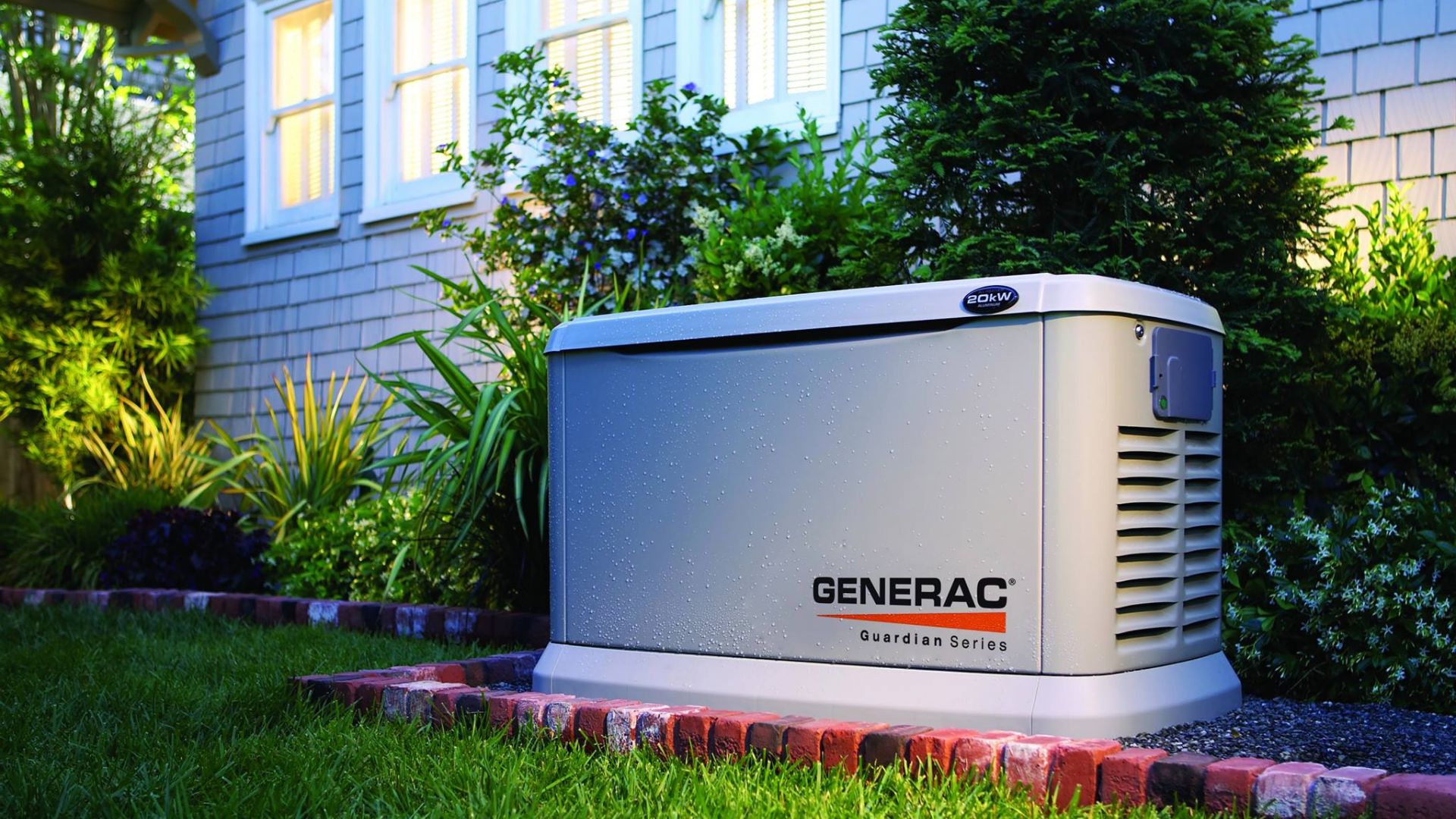
Image of a Generac whole home standby generator

Generator Safety Tips for Central Oregon Storms

Winter storms in Central Oregon can leave homes without power for hours or days. By investing in backup power systems, you can keep your appliances, HVAC systems, and mobile devices running in all kinds of weather.

While a whole-home generator offers a number of important benefits, there are also risks involved if they are used improperly. For the best experience, make sure to use the following generator safety tips.

Why Generator Safety Matters During Storms

Central Oregon is known for its high winds, winter storms, and rural outages. When stormy weather arrives, it’s important to use the best practices for storm safety for generators. Improper use of generators can lead to fire hazards and electrical dangers. Because generators produce carbon monoxide, there is also a danger of carbon monoxide poisoning. 

In addition, backfeeding the grid is a major risk. This happens when a generator isn’t set up properly, and the electricity flows backward into the grid. In addition to being illegal, this can also be dangerous and potentially lethal.

Tip #1: Never Use Generators Indoors or in Enclosed Spaces

When it comes to standby generator precautions, there are a few things you can do to keep your family safe. You should always operate your generator outside. Make sure it is far from your windows, doors, and vents

The carbon monoxide produced by the generator can be deadly, and you can’t smell it. Even if you are somewhere that is partially open, like a garage, you should not use your generator.

Tip #2: Keep Generators Dry and Elevated

When teaching your family how to safely use a generator, make sure to emphasize the importance of elevation. A properly elevated generator won’t get stuck in a puddle, which is a potential electrocution risk. For the same reason, you should never operate the generator in rain or snow if you don’t have a cover or canopy installed.

Tip #3: Use the Right Extension Cords and Connections

When using extension cords, invest in heavy-duty, outdoor-rated cords. To avoid safety issues, you should always check them for signs of damage before each use. 

As part of your generator safety tips, you should remember to never plug the generator directly into your home outlets. The only exception to this tip is if you have a transfer switch installed.

Tip #4: Prevent Backfeeding With a Transfer Switch

Backfeeding into power lines is illegal and can potentially cause the electrocution of power line workers. To prevent this from happening, you should ask one of our licensed electricians to install and integrate a transfer switch into your generator system.

Tip #5: Refuel Safely

When it comes to generator use during storms, you need to exercise caution when refueling your generator. You should always turn off the generator and make sure it is completely cool before you refuel it. Fuel must be stored in the proper containers in an area that is away from any heat sources or your family’s living areas.

Tip #6: Perform Regular Generator Maintenance

As a part of your backup generator tips and checklist, you should remember to perform routine maintenance tasks each month. Even if you don’t need the generator, it should be run at least once a month to make sure it remains functional. 

In general, the oil should be changed after the first 20 to 25 hours of usage. After that, it should be replaced every 50 to 100 hours of use. If you don’t use your generator at all, remember to change the oil at least once per year. 

Similarly, air filters should be changed every 100 to 200 hours or so. Spark plugs should be replaced once per year. However, it’s a good idea to check the oil, air filter, and spark plug each month to make sure they are still in good condition.

Before wintertime begins and the first storm arrives, give us a call. Our electricians will professionally service your generator so that it is functioning in peak condition.

Tip #7: Know Your Generator’s Limits

Another one of the most important backup generator tips is to know your generator’s limits. Never run the generator over its stated capacity. To prevent this from happening, you should also carefully calculate your wattage requirements before buying the generator. If you overload your generator, it can cause overheating and tripping circuits.

Tip #8: Be Storm-Ready in Central Oregon

Winter outages in Deschutes County and rural Central Oregon are common, so your generator storm prep needs to be wrapped up before the snow falls. Use the following portable generator safety tips to get your home ready.

  • Make sure your generator is in a known, easy-to-access location.
  • Stock up on fuel.
  • Check your carbon monoxide detectors to make sure they’re in working order.
  • Ensure your emergency contact list is available. Don’t forget to add our phone number to it.
  • Keep your flashlights handy, so you can easily see and use your generator.

When To Call a Professional Electrician

While there are some problems you can troubleshoot on your own, complex issues should be left to a professional. Our experienced electricians can help with all of your electrical repair, installation, and maintenance services. If you’re dealing with any of the following circumstances, you should reach out for professional electrical help instead of trying to deal with these issues on your own. 

  • Always get professional assistance with installing a standby or whole-home generator. 
  • Never connect a generator to your home circuits on your own.
  • Call for help if your generator’s output is varying significantly. 
  • Schedule a repair appointment right away if you notice unusual noises.

At Central Oregon Heating, Cooling, Plumbing & Electrical, we offer expert generator services for homeowners in Madras, Redmond, Bend, and the surrounding areas. Schedule a consultation today!

Get Your Generator Ready Before the Next Storm 

When used correctly, generators are powerful tools that can keep your home online during major storms. Through the best generator safety tips, you can ensure your family is ready for anything.

Protect your home and family before the next Central Oregon storm. Schedule a generator checkup with Central Oregon Heating, Cooling, Plumbing, & Electrical today!

Your Home’s Electrical Panel: Understanding Circuit Breakers and When to Consider an Upgrade

When it comes to electrical systems, your home electrical panel plays a key role in protecting your home. If a circuit is overloaded, the breaker trips. This protects your family and home from overloaded circuits, shorts, and other safety issues. 

Unfortunately, many homes in Central Oregon don’t have the electrical panel capacity they need. If you have an outdated or undersized panel, it’s important to get an update. Additionally, panel upgrades are essential if you plan on getting new appliances or renovating your home.

For more information about electrical panel safety, reach out to Central Oregon Heating, Cooling, Plumbing & Electrical today.

What Is an Electrical Panel and What Does It Do?

The electrical panel is like the central command center of your home’s electrical system. Also known as a service panel or breaker box, the electrical panel is responsible for distributing power throughout your home. It contains circuits that connect to different appliances or areas. 

Electrical panels are uniquely designed with circuit breakers. These circuit breakers are a safety feature that prevents overloaded circuits, fires, damage to your appliances, and other electrical hazards. When there is a surge of electricity in a specific circuit breaker, the breaker trips. This stops the electrical surge from flowing into your home and creates an added level of protection. 

Often, you’ll hear people talk about the safety of a fuse box vs a breaker panel. Unlike the breaker design, fuse boxes had actual fuses that connected the fuse box to the rest of the home. When power surged, the fuse would actually blow and have to be replaced. 

There isn’t anything inherently dangerous about using fuse boxes to prevent power surges. The real safety problem was due to user error. When a fuse blew, many people would replace it with pennies or other non-fuse items. While this allowed electricity to flow again, it completely negated the safety benefits of using a fuse box. If a power surge occurred, the penny would not blow or trip, increasing the likelihood of a fire.

Because of this, modern homes are designed with a circuit breaker panel instead of a fuse box. If you still have a fuse box, it’s a good idea to reach out to our team to discuss getting an upgrade.

How Circuit Breakers Work?

Each year, there are around 51,000 home electrical fires. These fires lead to around $1.3 billion in property damage, 1,400 injuries, and 500 deaths every year. 

Your breaker panel is your home’s frontline defense against overheating and electrical fires. Each breaker is set up to connect to a specific area or appliance. When everything is functioning normally, the breaker forms a connection through which the electricity can flow. If there is a fluctuation in electricity, it trips and breaks the connection. This stops the electrical surge from reaching the rest of your home, preventing electrical fires and overheated wiring.

Breakers can trip for a few common reasons. 

Overloaded Circuit

An overloaded circuit can occur if there are more appliances and devices plugged into a circuit than the circuit is designed to handle. When this happens, the excess current makes the wiring overheat. Eventually, this can lead to a fire.

Even if you don’t have too many devices plugged into a circuit, it can still become overloaded. High-wattage devices, like microwaves and hair dryers, pull a lot of energy. If two high-wattage devices are used at the same time, it can overload the circuit.

Short Circuit

Short circuits happen when a hot wire touches a neutral wire. Often, this happens when the wires become loose. Short circuits can cause sparks and are an electrical hazard, so they should be dealt with promptly.

Ground Fault

With a ground fault, a hot wire touches a grounded object, such as a metal appliance. When this occurs, the electrical current can flow out of your electrical system. Besides posing a fire hazard, it can also shock anyone who comes in contact with the electrical current.

As a homeowner, you should reach out as soon as you notice any issues with ground faults, short circuits, or overloaded circuits. Any time your breaker trips frequently, it indicates that there is an underlying problem that needs to be repaired right away.

Signs Your Electrical Panel May Need an Upgrade

There are a few common signs of a failing electrical panel that you should watch out for. If you notice any of the following symptoms, it’s time to invest in an electrical panel upgrade.

  • Your Home Still Uses a Fuse Box: Fuse boxes are more likely to have safety hazards because of user error. They were largely phased out around the 1960s and 1970s, so any existing fuse box is also unlikely to have the right electrical capacity for modern families.
  • Your Panel Is More Than 25 to 30 Years Old: Over time, older panels may start to malfunction. At the very least, they have an electrical capacity that wasn’t intended for today’s gaming consoles, high-tech appliances, and smart devices.
  • You Experience Frequent Breaker Trips: Breakers shouldn’t trip all the time. If they do, there’s an underlying problem that needs to be addressed.
  • Your Lights Flicker or Dim When Appliances Turn On: Flickering lights often indicate an overloaded circuit. This is especially common with older panels that don’t have the right electrical capacity.
  • There Is a Buzzing or Burning Smell From the Panel: A burning smell or buzzing noise may indicate a faulty circuit breaker, loose connections, wiring issues, or overloaded circuits.
  • You Are Adding High-Demand Systems: If you are adding an upgraded HVAC system, a new hot tub, or an EV charger, you may need to get an electrical panel upgrade to match your home’s new electricity demand.
  • A Home Renovation or Addition Is Planned: Whenever you increase the electrical needs of your home, you need to adjust your home’s electrical systems to match.

An electrical service panel replacement is essential if you have an aging panel or need a higher supply of energy. Aging panels pose a potential fire hazard. Additionally, they may not comply with modern code requirements. To make sure your family and home are safe, give Central Oregon a call today to assess your circuit panel and electrical systems.

Why Electrical Panel Upgrades Are Important?

By learning when to upgrade an electrical panel, you can protect your family and your belongings from fires and electrical hazards. With a panel upgrade, you can make sure your home’s electrical system is able to manage today’s energy demands. This is especially important if you have an older panel, are installing new appliances, or want to add on to your home.

Electrical panels are a key safety system. They allow you to use energy as efficiently and securely as possible. Through the electrical panel, you can avoid overloads and fire risks. Because of these safety features, a panel upgrade may be required to meet modern insurance requirements.

Additionally, improved electrical safety may increase your home value and help with future upgrade plans. Solar panels, heat pumps, and electric vehicles all require a higher electrical capacity. If you want to make any of these home upgrades, you’ll likely need to install a new panel.

What’s Involved in an Electrical Panel Upgrade?

When our team comes out to assess your home for an electrical panel upgrade, we’ll go through the following steps. 

  • Electrical Load Calculation: First, we’ll calculate the ideal electrical capacity for your home. We will also talk to you about any appliance upgrades or additions you will be making, so you’re ready for your future needs as well.
  • Main Service Panel and Breaker Replacement: Then, we will remove your old panel and replace it with a new one.
  • Local Permits: Throughout the process, we’ll work with your city and county permitting department to make sure you’re up to code. We have more than 30 years of experience working in Central Oregon, so we understand the permitting requirements involved in performing local electrical work.

In most cases, we can complete the entire upgrade in just four to six hours. While this timeline can vary based on the complexity of your electrical system and any existing issues, it rarely takes us longer than a day to complete the work.

Electrical panel upgrades aren’t DIY projects. The electrical panel is an important safety device for your home and is responsible for handling a significant amount of electricity. If it isn’t installed properly, it can put the health and safety of your loved ones at risk. Because of this, electrical panel replacements should only be handled by licensed, experienced electricians. 

COH’s certified electricians specialize in safe, code-compliant panel upgrades. Call today to learn more.

Common Questions Homeowners Ask

Over time, we’ve heard a few common questions about electrical panel upgrades. 

Do I need to upgrade if everything seems to be working fine?

While there is generally no requirement to upgrade your electrical panel, there are many circumstances where it is a good idea. For example, you should upgrade your panel if you’re increasing your home’s electrical needs with a new appliance or renovations. 

Similarly, you should strongly consider replacing an outdated electrical panel. Some older panels, like Zinsco or Federal Pacific Electric (FPE) panels, pose safety risks. While it might not be a legal requirement, electricians recommend replacing these older panels to protect your home. Additionally, all panels need to be replaced after 30 to 40 years to meet today’s modern electrical needs and avoid fire risks.

How much does an electrical panel upgrade cost?

While home electrical panel replacements can cost as much as $6,700, they typically cost between $1,300 and $3,000. This amount can vary based on whether you need the meter box replaced or the panel relocated. You’ll also pay more for a 300-amp or 400-amp service than you would pay for a 200-amp service. To find out the price range you can expect, schedule a free estimate with our Bend electricians today.

How long does it take to upgrade a panel?

The timeline can vary based on the complexity of the installation, other services required, and the number of technicians present. In general, it takes around four to six hours for Central Oregon’s electricians to complete this task. 

When it comes to electrical work, it pays to work with a local team. Each area has different code and permitting requirements, so you need to find an electrician who understands local needs and can avoid permitting delays. 

What size panel does a modern home need?

Many older panels need to be replaced because they simply weren’t designed to match the electrical demands of today’s homes. At a minimum, your home should have a 100-amp panel. However, 100-amp panels are only an option for extremely small homes. If you have many large appliances or a big home, a 400-amp service may be a better option. When our team comes out for a free estimate, we’ll evaluate your home to determine the best electrical service panel replacement for your needs.

When To Call a Professional

Unfortunately, electrical malfunctions can occur without causing any obvious signs. As soon as you notice signs of a problem, it’s essential to reach out right away. Even minor problems can quickly become dangerous if they aren’t dealt with. 

You should reach out to Central Oregon immediately if you notice any of the following issues.

  • Recurring tripped breakers
  • Burning odors
  • Scorch marks near the panel or outlets
  • A warm or hot panel
  • Flickering or dimming lights
  • Sparks 
  • Rust or water damage

At Central Oregon, we can handle all of your emergency electrical repairs. We can also conduct a full inspection to make sure your circuit breaker panel is up to date and operating safely. 

Book an electrical panel assessment today to learn more.

Learn More About Electrical Panel Upgrades

To ensure the safe distribution of power in your home, you may need an electrical panel upgrade. With safe electrical systems, you can ensure the safety of your home and have better peace of mind. An upgrade can also help you prepare for future renovations, new appliances, or a larger family. 

If you need a higher electrical capacity, we can help. At Central Oregon Heating, Cooling, Plumbing and Electrical, we can help with all of your panel inspections, upgrades, and rewiring needs. We’ve served Redmond and Bend homeowners with top-rated services since 1993. From a cost-effective membership plan to circuit breaker repairs, we offer the high-quality results residents are looking for.

Whether you’re dealing with an older home or are planning a new addition, Central Oregon can make sure your electrical panel is ready for the future. Reach out today for a professional assessment in the Redmond, Bend, and Madras area.