Panel Health Check Before Heater Season
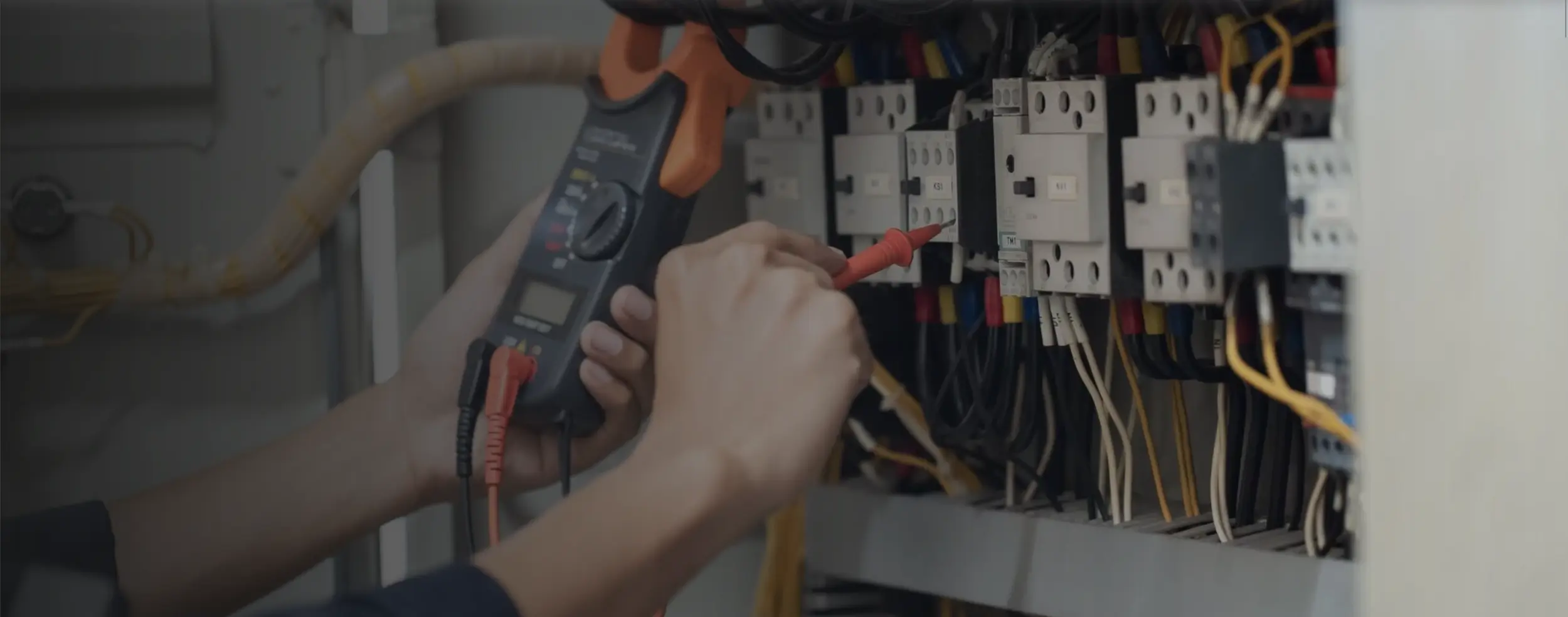
When temperatures start to fall in Central Oregon, you need the heat to kick on right away. Heat pumps, furnaces, and electric heaters all rely on consistent power in order to function. If your heater short-cycles, shuts off, trips breakers, or isn’t functioning optimally, it may be time to inspect the health of your panel.
To help you get started, we’ve compiled the most important red flags you should watch out for and essential DIY safety checks.
What “Panel Health” Means and Why It Matters for Heater Season
An electrical panel is where all of your home’s circuits are protected and controlled. Each one has a circuit breaker that flips if the circuit is overloaded.
In the winter, your panel’s health is especially important because heaters run longer and draw additional power. You may also be using holiday lights, humidifiers, space heaters, and other electrical devices. If the breaker is weak or there is a loose connection, it can lead to problems.
By making sure your system functions at its best, you can avoid unexpected heater failures and save money on your energy costs. Pre-season checks can help you prevent unexpected breakdowns and improve the efficiency of your electrical systems.
Quick Warning Signs Your Electrical Panel May Not Be Ready
If you notice any of the following warning signs, your electrical panel may need maintenance and repairs before the coldest months of winter arrive.
- Your breaker trips whenever you switch the heater on.
- The electrical panel is warm to the touch.
- Your lights dim or flicker when HVAC equipment turns on.
- Often, you use extension cords or power strips to run seasonal devices, like space heaters.
- You hear a buzzing or crackling noise near the panel.
- You noticed rust, water stains, or moisture around the panel.
Important Safety Note: Any buzzing noises, burning smells, repeated breaker trips, or heat are signs that something dangerous could be going on. Immediately stop what you are doing and call a professional for a full inspection.
DIY Panel Health Check
As a homeowner, there are a few DIY steps you can take to protect your panel’s health.
Step 1: Make Sure the Panel Area Is Safe and Accessible
First, clear storage items and clutter away from your panel to ensure easy access. The area should be kept dry and well-lit.
Step 2: Look, Listen, and Smell Only
Look for obvious indications of moisture or corrosion. Pay attention to any burning odors. You should also be alert for buzzing or humming noises.
Step 3: Check for Tripped Breakers and Reset the Right Way
If there is a tripped breaker, make sure it is flipped completely off. Then, you can turn it back on. Hopefully, it will function like normal. If it immediately trips again, it means that there is an underlying electrical problem that needs to be dealt with by a professional electrician.
Step 4: Label the Panel
In the future, you’ll appreciate having a fully labeled panel if there is an emergency in the middle of a cold night. If you know which circuits connect to your thermostat, air handler, heater, and heat pump, label them now.
Step 5: Do a “First Heat” Test Run Before You Need the Heat
Before you need to use the heat each day, conduct a 10- to 15-minute test run. Pay attention to any flickering, unusual noises, or tripped breakers.
Important Safety Note: For homes that have electric heaters, the same fuse blowing or breaker tripping is a sign to call for electrical repairs right away.
What Not to Do
If your electrical panel malfunctions, don’t panic. You don’t want to unintentionally turn a small issue into a major disaster.
When your panel isn’t working properly, remember the following tips.
- Do not remove the panel cover.
- Do not ignore frequently tripped breakers or blown fuses.
- Do not “oversize” the breaker. This stops the breaker’s safety feature. Rather than trip, it will let electricity continue flowing and melt the wires.
- Do not keep resetting the breaker if it continues to trip.
Remember: Breaker trips are a safety feature, not an annoyance. Tripped breakers happen to protect against electrical overloads and short circuits.
Common Heater-Season Electrical Problems and What They Can Mean
A few common issues can lead to panel malfunctions.
- Breaker Trips After the Heater Starts: This can be due to loose connections, short circuits, a faulty motor, a strained system, or a failing capacitor.
- Breaker Trips After the Heater Runs for a While: This can occur due to the motor pulling too much power or an overheating component. It can also happen if there is a wiring issue.
- The Thermostat Is Working, but the System Won’t Start: You may experience this issue if there is a control issue, a faulty component, or a tripped breaker.
What a Professional Panel Health Check Includes
A professional health check involves a full inspection of the following components.
- Connection points
- Breaker condition
- Breaker and circuit sizing
- Grounding and bonding
- Accurate load size
- Adjustments for newly installed appliances
With a preseason tune-up, you can get electrical connections examined before they lead to a system failure.
When a Panel Repair or Upgrade Makes Sense Before Winter
If you’re adding a new heat pump, furnace, or electrical appliance, you should consider upgrading your electrical panel. You’ll also need an upgrade if you’re out of breaker spaces, experience frequent breaker trips, or need to install a standby generator.
Don’t Forget the Rest of Your Heater-Season Safety Checklist
As a homeowner in Bend and Redmond, you can support your whole-home comfort through a few safety and maintenance tips.
- Change your HVAC filter every 30 to 90 days.
- Test your thermostat regularly.
- Check to see if your vents are open and unobstructed.
- Test your carbon monoxide detector.
FAQs
Why does my breaker trip when the heater turns on?
There may be an overloaded circuit, a short circuit, loose wiring, or similar issues causing the tripped breaker.
Is it safe to keep resetting a tripped breaker?
No, it isn’t. Repeatedly tripped breakers are signs of an underlying electrical problem that must be addressed to ensure the safety of your home, family, and electrical systems.
Can my electrical panel affect furnace or heat pump performance?
Absolutely. Especially in older homes, an older panel may limit your heat pump or furnace’s ability to draw enough power to function safely and efficiently.
How early should I schedule a panel inspection before winter?
We recommend scheduling it in the late summer or early fall so that it is complete before wintertime begins.
Do I need a panel upgrade for a heat pump or electric heating?
If you are installing a newer or larger heating system, you may need to get a panel upgrade. One of our electricians can inspect your existing panel to determine if you’ll need a larger load capacity.
What are the signs of an electrical emergency?
Buzzing noises, burning smells, flickering lights, smoke, electrical shocks, and repeatedly tripped breakers are a sign that something major is wrong with your electrical systems.
Should I get a heater tune-up and panel check at the same time?
You don’t have to get them done at the same time, but it is often easier to do these appointments together. This appointment is also a good chance to talk to the technician about any concerns or future upgrades.
Schedule Your Next Panel Inspection
A panel health check is a simple way to ensure your home is warm and safe all winter. By doing your safe DIY checks now, you can ensure you’re ready before the first freezing stretch hits.
Schedule your next service in Bend and Redmond.
Service Request
"*" indicates required fields
