
DIY Drain Maintenance: Preventing Clogs and When to Call for Professional Hydro Jetting
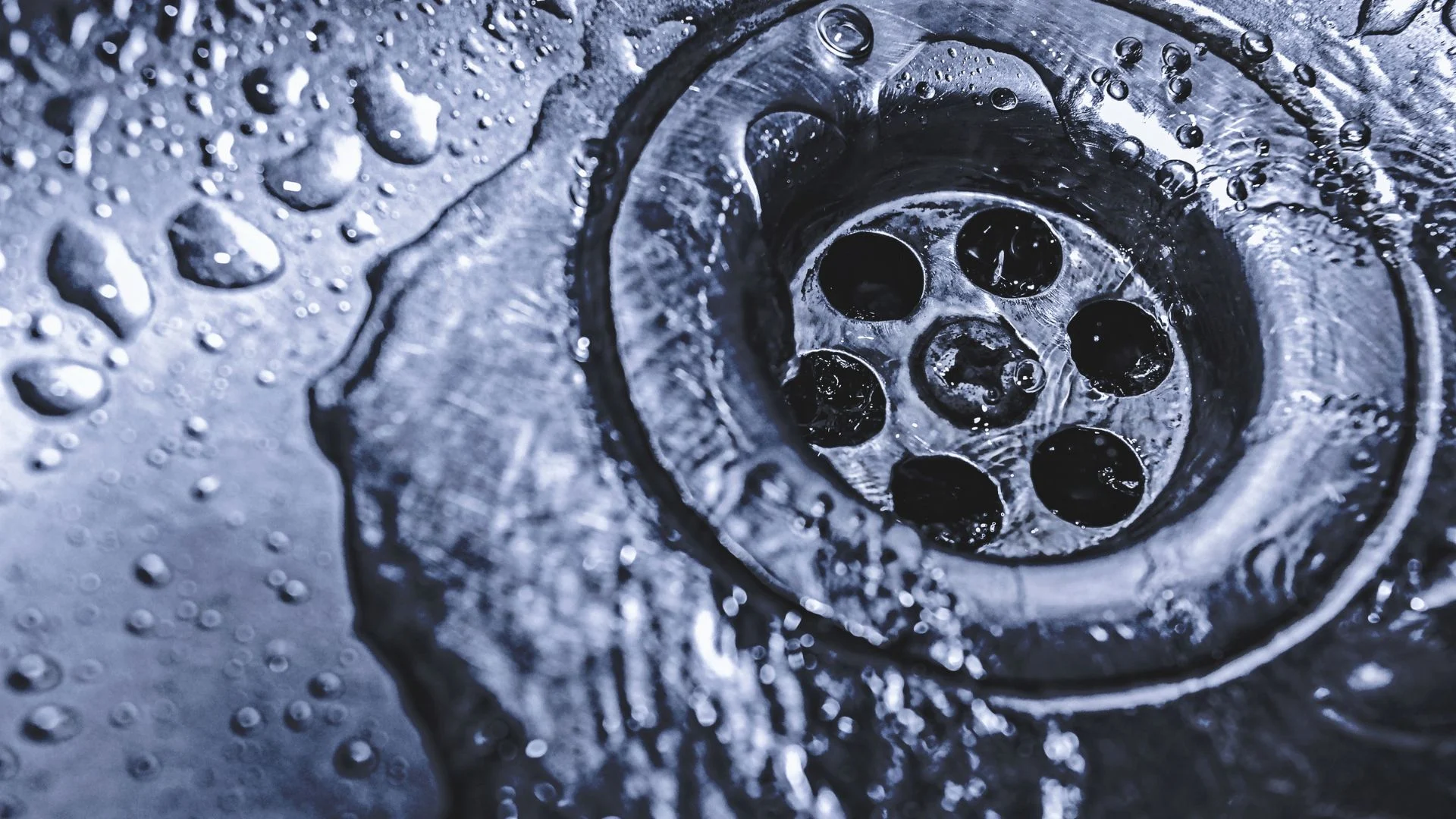
It’s in the middle of the night, but you can hear the shower gurgling. In the bathroom, the slow-draining sink remains full of water. Worse still, a mysterious smell is emanating from the bathroom’s floor drain.
As a homeowner, there are steps you can take to prevent and resolve these kinds of issues. Minor clogs can be dealt with through DIY techniques. For more serious clogs or problems that involve multiple fixtures, it’s important to skip DIY repairs and schedule professional hydro jetting right away.
Why Drains Clog in the First Place
Drain clogs can occur because of a few common issues. Fats, oils, and grease (FOG) items are known for solidifying in drains and sticking to the walls of the pipe. Food scraps, coffee grounds, and overloaded garbage disposals can contribute to clogs as well.
In other parts of the home, the cause of blocked drains can vary. Bathroom drains typically suffer from soap scum, hair, and product buildup. Meanwhile, laundry room drains often suffer from detergent residue and lint.
Some blockages happen in the sewer line or main line. If there’s recurring buildup or deep blockages in the sewer line, it can cause multiple fixtures to back up. Root intrusion is also a common issue if there are any trees growing nearby.
DIY Drain Maintenance Checklist: Prevention That Actually Works
As a homeowner, there are a few practical steps you can use to protect your drains and resolve tough clogs.
Daily Habits (Quick Wins)
To protect your pipes, use the following tips.
- Get a sink strainer and a shower hair catcher to keep debris out of your drains.
- Use a paper towel to remove grease, fats, and oils before putting dishes in the sink.
- Always run water when using your garbage disposal.
- Do not flush anything other than toilet paper.
Weekly Habits
Once a week, spend about 10 minutes doing the following tasks.
- On heavy cooking days, do an extra hot water rinse to melt and wash away FOG items.
- Clean out your pop-up stoppers, sink strainers, and hair catchers.
Monthly Habits: Maintain Your Systems
Each month, perform the following tasks to care for your plumbing systems.
- Perform a gentle maintenance clean, but never use any harsh chemicals. If you have hard water, pouring vinegar down the drain can help break down some of the mineral buildup.
- Look for slow drips or any dampness under your sinks. Fix minor leaks before they escalate.
Seasonal Reminders
Before peak hosting season or after heavy yard growth, it’s a good idea to get your plumbing systems checked. We also recommend scheduling a professional inspection if you have frequent issues with slow drains or older plumbing systems.
What to Try When a Drain Is Slow: Focus on Safe DIY Fixes First
To resolve a slow drain, start with some of the following simple fixes. If the problem doesn’t improve quickly, stop and call for help.
Step 1: Hot Water Flush
Hot water can be effective for minor soap- and grease-based clogs because it melts the grease. However, this isn’t effective if the drain is completely backed up and can sometimes push the clog deeper into the drain. To avoid burns, exercise caution when flushing the drain.
Step 2: Plunger (Yes, Even for Sinks!)
A plunger can effectively remove clogs from toilets, sinks, and other drains. For the best results, use the following steps.
- Make a complete seal.
- Use short, strong plunging motions.
- Repeat as needed.
Step 3: Clean the Stopper or Drain Cover
If hair and debris are clogging the stopper, you can easily fix the problem by removing the stopper, rinsing it, and putting it back in place.
Step 4: Hand Snake for Tubs and Sinks
Hand snakes are an effective option if you’re dealing with hair clogs or buildup that is a little deeper in the line. Stop snaking the drain if you meet heavy resistance or if the clog is removed.
Step 5: Clean the P-trap
If you are comfortable with this plumbing task, you can clean the P-trap. Make sure to gather a bucket and towels so that water doesn’t leak into your home.
Then, place the bucket under the P-trap. After disconnecting the P-trap, remove any clog. Then, you can retighten it carefully in place.
If you are uncomfortable performing this maintenance task, reach out to one of our plumbers for professional help instead.
What Not to Do
To avoid damage and ensure the safety of your plumbing system, never do the following things.
- Don’t mix different cleaning products together.
- Don’t use harsh, store-bought drain cleaners.
- Don’t continue trying other DIY repairs if the symptoms continue to get worse.
- Don’t try to use high-pressure equipment or hydro jetting techniques on your own.
Signs It’s Time to Call a Pro
Before your minor blockage becomes a major problem, it’s a good idea to get professional help. If you notice the following issues, schedule a plumbing repair appointment right away.
- A recurring clog keeps returning after you clean it.
- Multiple drains are slow at once.
- There are gurgling noises coming from your drains and toilets.
- Water is backing up into a shower, floor drain, or tub when you’re using a different fixture.
- A foul odor keeps returning.
- You smell sewage, or your sewer line is backing up.
When a plumbing disaster occurs, calling early is typically much cheaper than waiting for the minor repair to escalate into pipe damage or a full backup.
What Hydro Jetting Is (and Why It’s Different From Snaking)
Hydro jetting is a powerful tool that helps to break up buildup. Unlike basic drain cleaning, it actually cleans off the pipe walls instead of breaking a hole in the clog. This is why hydro jetting is so incredibly effective at removing mineral buildup, root intrusion, grease buildup, and heavy sludge. If snaking is like making an opening in the drain, hydro jetting is like resetting the pipe to brand new.
When Hydro Jetting Is the Right Call
Hydro jetting is the right choice in a few situations.
- Recurring clogs come back after snaking or plunging.
- You have slow drains, odors, and gurgling.
- Multiple fixtures are backing up, which indicates a main line issue.
- You are tired of recurring clogs, so you want to use hydro jetting as a preventative solution.
For the best results, we recommend getting a camera inspection before hydro jetting. This allows us to confirm that hydro jetting is the safest and most effective option for your pipes.
What to Expect From a Professional Hydro Jetting Appointment
When the day of your hydro jetting appointment arrives, our licensed technicians will show up to evaluate the problem and likely cause. We’ll perform a visual inspection of the line, often with a camera. Before we begin, we’ll make sure to communicate upfront about the extent of the problem and our recommendations.
Then, one of our plumbers will protect the access points and work area before hydro jetting the pipe. We’ll carefully select the right nozzle and pressure. Once we are finished, we’ll confirm your water flow is restored and recommend the best way to prevent future issues.
In urgent situations, you can’t afford to wait. Our team offers fast response options, so you don’t have to deal with recurring clogs and backed-up pipes.
After Hydro Jetting: How to Keep Drains Clear Longer
To keep your drains clean, we recommend the following tips.
- Never pour grease, fats, or oils down the drain.
- Use strainers and hair catchers to keep your drains clean.
- If you’re using the kitchen heavily, flush the drain with hot water.
- Schedule routine plumbing maintenance if you’ve experienced problems in the past.
For a no-stress way to avoid clogs, reach out to our plumbing professionals for routine maintenance.
FAQs
Can I use store-bought drain cleaners?
No, the harsh chemicals can damage your pipes and seals. Worse still, they have a tendency to make the problem worse by pushing the clog deeper into the pipe.
Is hydro jetting safe for all pipes?
While hydro jetting works well with PVC and copper pipes, it can damage Orangeburg lines and clay pipes. This is one of the reasons why our plumbers always inspect lines with a camera before hydro jetting.
How do I know if it’s a main line problem?
If it’s a main line issue, you’ll likely have multiple fixtures that are gurgling or backed up. You may also notice sewer odors or lush spots in your backyard.
What causes recurring clogs?
Recurring clogs typically happen if mineral deposits, grease buildup, and other debris have built up over time. A drain snake breaks a hole in the clog, but the majority of the buildup remains. As a result, clogs are likely to recur.
Is hydro jetting better than snaking?
Hydro jetting cleans the pipes instead of just punching a hole through the clog, so it is a very effective method for resolving clogs. However, hydro jetting isn’t an option for every type of pipe material.
Learn How to Resolve Recurring Clogs
If you’re struggling with recurring clogs, small changes can help prevent them. When clogs do occur, safe DIY steps can help. For more serious problems, reach out to our professional plumbers for proper drain cleaning and hydro jetting.
Schedule your next service with our Bend and Redmond plumbers today.
Service Request
"*" indicates required fields