Outlets Not Working? Common Causes and Fixes
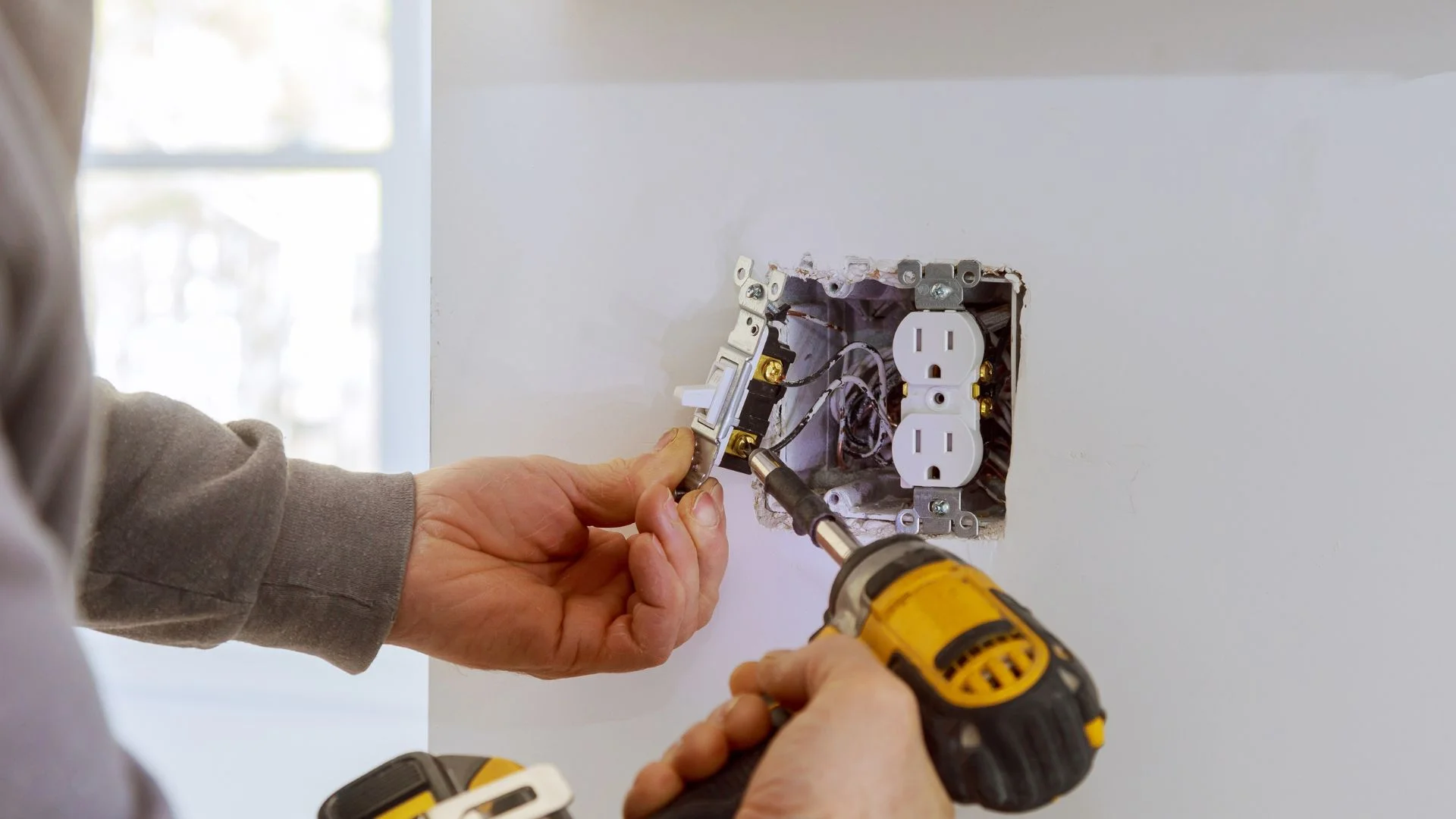
After plugging in your laptop, you realize that it never actually began charging. You test out a lamp and discover that the outlet’s not working.
While it might seem like a minor annoyance, an electrical outlet not working may indicate underlying electrical problems. To avoid safety risks and electrical hazards, it’s important to get your outlet repaired by a professional electrician.
So, why is my outlet not working? And, more importantly, what can be done about it? Read on to learn more about how to address this unique problem.
Why Electrical Outlets Stop Working
Electrical outlets connect your home’s appliances to the electrical system through a hot, neutral, and ground wire. The hot side carries electrical current into the outlet, while the neutral side allows it to return to the panel. Throughout the process, the ground wire serves as a safety feature so that excess electricity can be diverted.
If your outlet is not working, a few common issues can be in play. Excess wear, wiring problems, and overloaded outlets can often lead to non-functioning outlets. While some dead outlet fixes are fairly easy, others will require professional electrical help.
Signs You Have a Faulty Electrical Outlet
In most cases, it’s fairly easy to tell if your standard or GFCI outlet is not working because you won’t be able to use appliances at the outlet. Other symptoms can also occur that can help you determine why the outlet has stopped working. Remember to take note if any of the following symptoms occur.
- No power at all
- Burning odors
- Discoloration near or on the outlet
- Intermittent power
- Loose plugs
- Sparking
- Buzzing noises
Common Causes of Outlets Not Working
Why is my outlet not working? There are a few common reasons why you might have an electrical outlet not working. While some of the following causes can be handled on your own, others will require the support of a licensed electrician.
Tripped Circuit Breaker
If your outlet stopped working suddenly, it may be due to a tripped breaker. This is by far the most common reason.
To remedy this problem, check your breaker panel. Make sure the breaker switch is all the way off, then turn it on again. If a tripped breaker was the problem, this should fix it.
However, you shouldn’t reset the breaker repeatedly. If it keeps tripping, there is an underlying electrical issue that needs to be addressed.
Tripped GFCI Outlet
A ground-fault circuit interrupter (GFCI) is a specialized outlet that is designed to shut off power if a ground fault occurs. As soon as leakage or an imbalance happens, the GFCI outlet shuts off power to the entire circuit within milliseconds. In essence, this outlet compares the entering and exiting current levels. If the levels of current do not match, it automatically shuts off.
This is especially important in areas that are prone to moisture because water can conduct electricity away from the outlet. For example, GFCIs are typically found in kitchens, bathrooms, and garages. Once the GFCI is triggered, you can reset it by unplugging everything from the circuit and pressing the reset button. If this doesn’t work, check to see if the breaker has tripped.
Loose or Damaged Wiring
In older homes, loose and damaged wiring is fairly common. Unfortunately, this is not a DIY dead outlet fix. Faulty wiring can be dangerous for your home and your loved ones, so you should reach out for professional repairs right away.
Overloaded Circuit
If there are too many appliances on one circuit, it can cause the circuit to shut down. To avoid this issue, you need to reduce the number of appliances on the circuit. Then, reset the breaker if it has tripped.
Worn-Out Outlet
Over time, outlets can start to degrade. You may notice discoloration around the outlet or loose plugs. If this is the problem, you’ll need to reach out to our team for a professional electrical repair in Bend, OR.
Burned or Faulty Outlet
When an outlet becomes damaged, it can stop working properly. Because this is a major fire hazard, you should get it checked out by an electrician right away.
Quick Fixes You Can Try Safely
Before you start searching for an electrician in your area, there are a few DIY solutions you can try first. If these steps do not work, you’ll need to get professional repairs.
- Reset the breaker if it has tripped.
- Reset GFCI outlets.
- Test another outlet to see if the appliance works in a different location and to determine if the outlet or the circuit is the problem.
- Unplug devices from overloaded circuits.
Important Safety Note: Never open or repair electrical panels or wiring on your own. These tasks should be left to qualified electricians.
When To Call a Professional Electrician
If your attempts to fix the dead outlet do not work, it is time to call a professional. You should also reach out for help if you experience any of the following issues.
- The outlet still won’t work after you reset the outlet or breaker.
- You notice a burning odor.
- There are sparks coming from the outlet.
- Multiple outlets are not working.
- The breaker trips repeatedly.
Schedule electrical repairs in Bend or Redmond today.
Are Dead Outlets Dangerous?
Absolutely. If the dead outlet is due to wiring issues or overheating, it can be a fire hazard. The wire can overheat and melt the insulation, allowing the electricity to escape and start a fire. By getting this problem fixed as quickly as possible, you can prevent this issue from taking place.
Repair vs. Replacement: What To Expect
As a homeowner, it’s important to know when a simple repair is enough and when an entire outlet replacement is necessary.
- Cost: Replacing an outlet and repairing it tend to cost fairly similar amounts. Unless the repair is fairly straightforward and inexpensive, it may be better to spend slightly more and get a replacement instead.
- Age: Once outlets are 20 years old, they are more likely to malfunction. At this point, investing in a replacement is the wisest course of action.
- Safety: Any sparking, scorch marks, buzzing noises, or physical damage are signs you need a full replacement because these symptoms mean your family’s safety could be at risk.
To improve your family’s security or convenience, you may also want to upgrade your electrical outlet to a GFCI, AFCI, or USB outlet. As mentioned before, GFCIs are useful in moisture-prone rooms. AFCI outlets are effective at protecting against fires in your family’s living areas. Meanwhile, USB outlets let you enjoy the convenience of charging USB-A and USB-C ports without requiring an adaptor.
Preventing Outlet Problems in the Future
Once you’ve determined the right dead outlet fix, the next step is preventing this problem from recurring in the future. Through the following prevention techniques, you can ensure the safety of your home’s electrical outlets.
- Never overload your circuits.
- Upgrade older wiring, especially aluminum wiring.
- Schedule regular electrical inspections.
- Install surge protection in your home.
Ready to improve your family’s safety? Book an electrical inspection with Central Oregon Electrical today.
Why Choose Us for Electrical Repairs
Bend and Redmond residents turn to us for a few key reasons.
- Local Expertise: We understand the local area, so we know what type of solutions are necessary.
- Licensed Electricians: Thanks to our licensed electricians, your family can enjoy better peace of mind.
- Fast, Reliable Services: Our team is committed to providing high-quality services and long-lasting results.
- Experience With Older Homes: As homes age, they require specific types of upgrades and repairs. We understand the kind of electrical services Central Oregon homes need.
Contact our team for fast electrical services.
FAQs
Why did my outlet suddenly stop working?
An electrical outlet not working may be due to a tripped breaker or GFCI outlet. It can also occur because of loose or faulty wiring, overloaded circuits, and burned or worn-out outlets. If basic troubleshooting doesn’t help, it’s important to get this electrical problem checked out by a professional.
Can one bad outlet affect others?
Absolutely. If one outlet on a circuit stops working, the others on the circuit may shut off as well. With GFCI outlets, this is part of the outlet’s design. Additionally, older homes are often daisy-chained, which is why multiple outlets will stop working at once.
Is it safe to use an outlet that works intermittently?
No, it is not. If your outlet keeps having problems, there is an underlying issue that needs to be addressed. Continuing to use the outlet can lead to a fire, electric shock, and damage to your electrical system.
How much does it cost to fix an outlet?
Repair costs fluctuate based on regional labor rates, the complexity of the circuit, and any underlying wiring issues discovered during the process.
- Market Variance: Expenses are typically higher in metropolitan areas or regions with an elevated cost of living due to increased overhead and professional licensing fees.
- Scope of Work: Basic replacements are standard, but costs increase if the technician must troubleshoot faulty breakers, upgrade ungrounded wiring, or perform “fish-in” repairs through finished walls.
- Service Minimums: Many licensed electricians charge a flat diagnostic fee or a minimum service call rate regardless of the repair’s simplicity.
Final Thoughts
If your outlet’s not working, our team is here to help. While most outlet issues are fixable, they must be addressed right away because of the safety risks involved. Our electricians offer 24/7 emergency support, so you can get the help you need.
Call Central Oregon Electrical for expert electrical repairs today.
Service Request
"*" indicates required fields
