7 Signs You Need Professional Heat Pump Maintenance
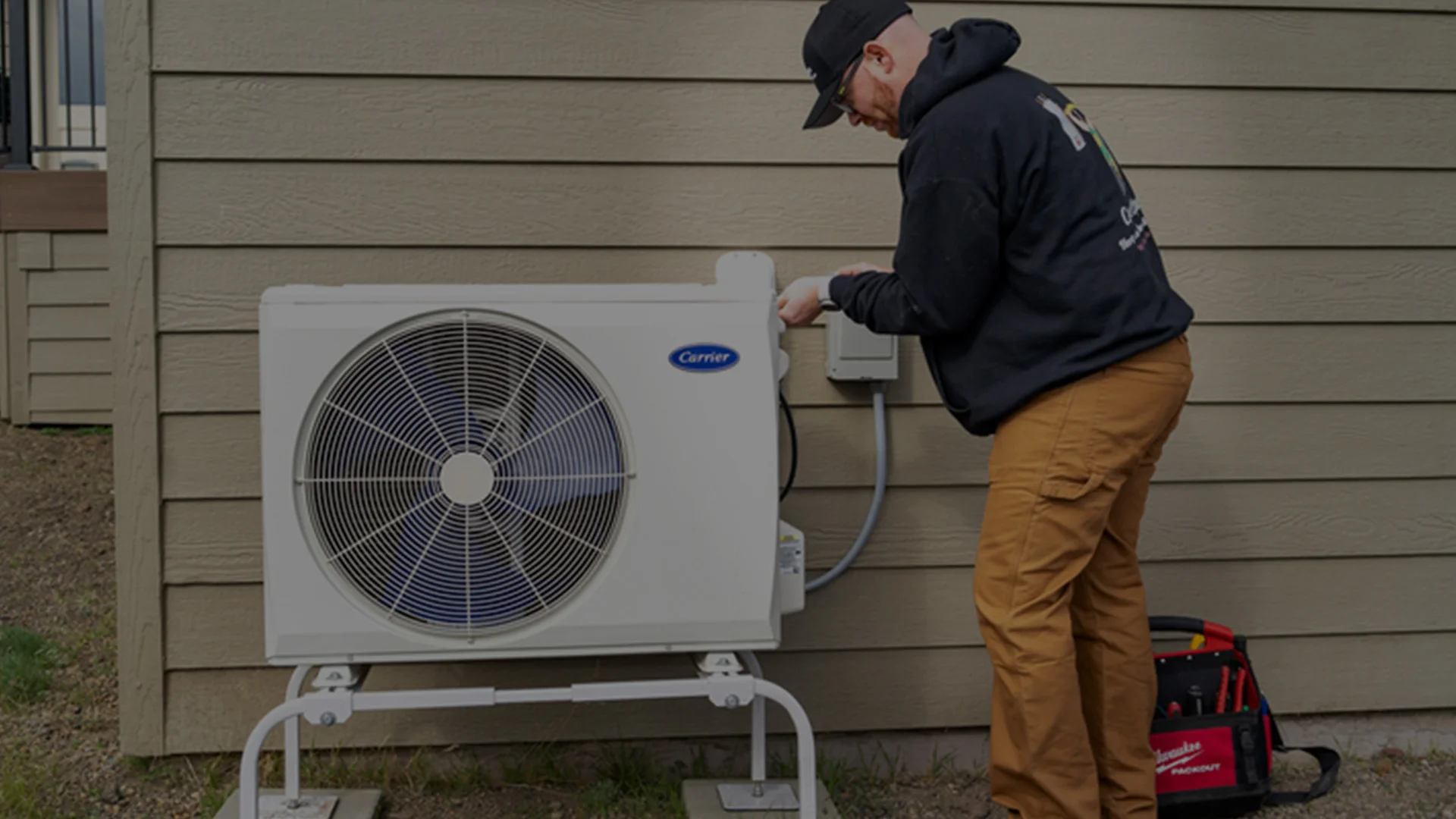
You’re feeling chilly, so you switch the thermostat to a warmer temperature. While you can hear the heat pump kick on, something doesn’t feel right.
Most HVAC failures don’t just happen unexpectedly. Instead, you’ll typically notice noises, smells, and performance issues before the heat pump actually stops working. By tackling these problems while they are small, you can prevent them from causing a no-heat or no-cool situation.
To help you troubleshoot your heat pump issues, we’ll go through the main warning signs, what you can do to check for problems, and when you need to call one of our professional heating, ventilation, and air conditioning (HVAC) technicians for help.
Why Heat Pump Maintenance Matters
In Central Oregon’s cold winters and dry, sunny summers, you don’t want to be left without a functioning heating and cooling system. Because of their versatile design, heat pumps are able to function all year long. Unfortunately, this year-round functionality also means they operate longer and wear down faster than HVAC systems that only run seasonally.
By investing in routine maintenance, you can enjoy the following benefits.
- Better energy efficiency
- Lower utility bills
- Consistent comfort levels
- Increased system longevity
- Fewer emergency repairs
Through maintenance, you can do more than just keep your unit limping along. You can ensure it is running as smoothly as possible, ensuring your family’s year-round comfort.
The 7 Signs You Need Professional Heat Pump Maintenance
If you notice any of the following seven symptoms, it is time to schedule services from professional heat pump contractors near you.
Your System Is Running Nonstop or Short Cycling
While heat pumps may run for long periods of time in extreme weather, nonstop operation is a sign of concern if it barely changes your indoor temperature. Similarly, you should call for help if your unit repeatedly turns on and off.
This symptom can occur if there are airflow issues, dirty coils, or problems with your thermostat. In addition, you may encounter these problems if your system’s performance has dropped for some reason.
To troubleshoot these issues, start by checking your air filter and making sure your supply vents are open. If these tips don’t impact your unit’s short cycling or nonstop cycles, schedule an inspection.
Your Energy Bill Jumps Without a Clear Reason
When your energy bill skyrockets for no obvious reason, your HVAC equipment may be malfunctioning. Dirt buildup, worn components, and airflow issues can make your heat pump work harder to reach the same temperature level.
To troubleshoot, try clearing debris away from your outdoor unit. If you haven’t replaced the filter for a while, this is a good time to change it out. Afterward, you can monitor your energy bills and schedule repairs if your bills remain high for multiple cycles.
Weak Airflow or Uneven Temperatures From Room to Room
Unusual hot spots in different rooms and weak airflow may be due to multiple causes. Other than dirty air filters, this can happen because of blower problems, dirty coils, duct leaks, and poorly balanced dampers.
To remedy the weak airflow and uneven temperatures, check for blocked vents and move furniture away from the vents. Then, make sure your filter is accurately sized and installed properly. If these solutions don’t fix the problem, book an appointment with Central Oregon Heating, Cooling, Plumbing & Electrical.
Strange Noises You Didn’t Hear Before
Buzzing, grinding, clicking, rattling, humming, and squealing noises can be due to a range of malfunctions.
- Loose parts
- Airflow-related problems
- Worn bearings
- Electrical malfunctions
You can try to fix the problem by removing any ice chunks or sticks that are around the outdoor unit. If the noise continues or becomes louder, schedule repairs. Additionally, you should get help if you notice performance problems at the same time.
Odd Smells When the Heat Pump Turns On
Sometimes, you may notice a sharp electrical odor, damp smells, or musty scents when you switch on your unit. These can be due to electrical issues, moisture accumulation, bacteria growth, or a clogged condensate drain line.
You can try to resolve this problem by replacing the air filter. However, if the smell persists, returns daily, or smells like something is burning, you should call for help right away.
It’s also worth noting that a dusty smell is normal if you are just turning on your heat pump on the first day of the season. After you initially switch it on, the smell should fade and not return.
Ice Buildup on the Outdoor Unit or Frequent Defrost Problems
If your heat pump requires professional maintenance and repairs, you may notice thick ice on the outdoor unit or frost that persists despite repeated attempts to remove it. During cold snaps, your heat pump may struggle to function at its best.
This may mean that something is wrong with your system’s defrost cycle, or there could be drainage problems. Additionally, poor airflow could cause this issue. At the very least, ice buildup and inadequate defrost cycles are a sign that your system needs an intensive inspection.
You can try to boost airflow by cleaning around your outdoor unit. However, you should never try to use tools to chip the ice off. If your unit is encased or the ice keeps returning, reach out for professional help right away. Similarly, you should immediately call for help if your heating performance level drops.
Water Pooling, Dripping, or Moisture Where It Shouldn’t Be
If there is water or moisture where it shouldn’t be, you may notice water stains, puddles, or damp odors. There may also be water dripping from your condensate drain line.
Excess moisture often occurs if the condensate drain line is clogged and water is backing up. Additionally, dirty coils may lead to moisture if they cause the coils to freeze. Any time there are drainage complications, it can cause water damage.
To troubleshoot, look for obvious blockages in your condensate drain line. However, you should not take any of your heat pump panels apart. If you can’t resolve the issue and there’s active leaking, water damage, or repeated pooling, schedule an HVAC appointment.
Quick DIY Checks That Are Safe (and Actually Helpful)
While some heat malfunctions should be left to the experts, you can perform certain repair and maintenance tasks on your own. If your heat pump isn’t functioning at its best, troubleshoot using the following steps.
- Replace Air Filter: Air filters should generally be cleaned or replaced every 30 to 90 days. Make sure that your unit is using the right size.
- Clear Debris: To give the outdoor unit breathing room, clear away any debris that has built up around the unit.
- Open Vents: For proper airflow, your vents need to be open and unobstructed.
- Adjust Thermostats: Make sure your thermostat mode, schedule, and temperature are set properly.
- Reset Breakers: If your breaker trips once, you can reset it. However, you should never repeatedly reset the same breaker because it means that there is an underlying electrical problem that needs to be addressed.
When It’s Not “Maintenance” Anymore
Call for help immediately if you notice the following signs. These are indications that you need emergency repairs.
- Fire Hazards: Burning smells, smoke, and visible sparks are a major fire risk.
- Repeatedly Tripped Breaker: If your breaker keeps tripping when your heat pump starts up, it represents an electrical hazard.
- Loud Noises: A loud grinding noise or metal-on-metal sound is a sign you should turn off your heat pump and call for help.
- No Heat or No Cooling: If we’re experiencing freezing temperatures or sweltering heat waves, you should call immediately if you don’t have heating or cooling options available.
- Serious Water Leaks: If you have water leaking out fast or water damage, immediately reach out to our team.
What Professional Heat Pump Maintenance Typically Includes
During our routine maintenance, we’ll perform the following tasks. Whenever possible, we prioritize repairing malfunctions over replacements.
- Comprehensive inspection to maximize your safety and performance
- Full cleaning for optimized airflow and efficiency
- Electrical checks and tightening connections
- Heating and cooling tests to ensure smooth operation
- Refrigerant tests to verify refrigerant levels
- Drain and moisture management checks
How Often Should You Schedule Heat Pump Maintenance?
In general, most heat pumps function well if they have at least one maintenance check per year. If you have allergies, pets, or an old system, you may need to schedule two inspections per year. We generally recommend timing your cooling inspection in the spring before the first heat wave arrives. Then, the second inspection can occur in the fall before the main heating season begins.
FAQs
To help with your heat pump maintenance, we’ve compiled a list of the most common heat pump maintenance questions that we hear.
Is it normal for my heat pump to run all the time?
Yes, it is often normal for heat pumps to run almost constantly in the extreme cold. Because they don’t heat the air to the same high temperature that furnaces do, they run for longer to achieve the same temperature level.
However, there are instances where this could indicate a problem. If your heat pump is genuinely running nonstop, it may be time to schedule a heat pump maintenance appointment. Similarly, call for help if your heat pump is running all the time and is still unable to maintain your indoor temperature.
Why is my heat pump blowing cool air in heating mode?
There are a few common reasons why your heat pump might blow cold air while it is in heat mode. If it is cold enough out, the heat pump may switch to defrost mode to melt ice that is on the outdoor unit. Alternatively, a clogged air filter, bad wiring, or a stuck reversing valve could be causing this issue.
You can troubleshoot by replacing the filter. Then, check the thermostat to see if it is set to the right mode and temperature. If these troubleshooting tips don’t work, you need to reach out for professional HVAC maintenance.
Can a dirty filter really cause bigger problems?
Absolutely. It can immediately lead to indoor air quality issues and poor energy efficiency. Over the long run, a dirty air filter increases wear on your unit and leads to more frequent breakdowns. For instance, it can cause faulty blower motors and frozen evaporator coils.
What causes ice buildup on a heat pump?
It depends on where the ice buildup occurs. If it is on your evaporator coils, it may be due to low refrigerant, dirty evaporator coils, or other issues that are causing your unit to transfer heat inefficiently. In extreme weather, outdoor units can experience ice buildup. This is especially common if the defrost cycle is malfunctioning and can’t melt the accumulated ice. Finally, airflow-related issues, like debris, blocked vents, and blower motor issues, can increase the likelihood that your unit freezes.
How do I know if it’s a thermostat issue or the heat pump itself?
Troubleshoot by checking to see if the thermostat is in the correct mode, changing the thermostat batteries, and changing the temperature. If these steps don’t work and you have other unusual HVAC symptoms, there is likely an issue with the heat pump.
Is professional maintenance different from a repair call?
Yes, it is. When we show up for a maintenance appointment, we clean and inspect the unit. We also lubricate moving parts and test the heat pump’s performance. During a heat pump repair call, we’re primarily focused on diagnosing and solving the reason you called. Additionally, heat pump maintenance is a preventative tool that is far more convenient and affordable than performing emergency repairs.
Will maintenance lower my energy bill?
Performing routine maintenance can improve your unit’s energy efficiency and reduce your energy bill. Because it decreases the strain on your system, maintenance can also lower your repair and replacement costs as well.
What should I do if my breaker trips when the heat pump turns on?
You should immediately turn off your heat pump and call an HVAC technician right away. Breakers trip to protect your home’s electrical wiring and appliances from damage, so you need a professional to determine the underlying cause.
Schedule Your Next Maintenance Appointment
Minor heat pump symptoms of a problem are early warnings. By being proactive about addressing these issues, you can prevent major repairs from becoming necessary.
As soon as you notice a minor problem, it’s time to schedule your next heat pump maintenance before temperatures swing again. Give us a call at 541-227-6258.
Service Request
"*" indicates required fields