Author: Jahangir Khan

Maintenance Matters: Protecting Your Home, Warranty, and Air Quality

Part 5 of our series “Maintenance Matters” focuses on the warranty and safety of your heating system. Want to read more about how your heating system can be ready this winter season? If so, check out our previous post – Maintenance Matters: The Peace of Mind of a Well-Maintained Heating System.

At the heart of your comfort this winter is your trusty heater, ready to keep you warm in the coldest months. But beyond providing warmth, your heating system plays a crucial role in your home’s safety, air quality, and long-term value. 

Let’s take a look at why seasonal maintenance is not just a good idea, but an essential practice for every homeowner.

Protecting Your Investment: The Warranty Factor

Your heating system came with a valuable promise from the manufacturer – a warranty. Now this warranty is your safety net, offering protection against defects and premature failure. But there’s a crucial detail that most homeowners overlook: regular maintenance is often required to keep that warranty valid.  

Now you’re probably asking yourself, “Why do manufacturers require maintenance to keep the warranty valid?”  

They aren’t being difficult, they just understand that a well-maintained heater is less likely to fail prematurely. By insisting on regular check-ups, they are actually looking out for you. Here’s why: 

  1. Preventing Avoidable Damage: Many heating issues start small but can escalate quickly if not addressed. Regular maintenance catches these issues early, preventing damage that could void your warranty.
  2. Ensuring Proper Operation: Your heater is designed to operate within specific parameters. Regular maintenance ensures it continues to function as intended, which is crucial for warranty compliance.
  3. Documenting Care: Those maintenance records serve as proof that you’ve held up your end of the warranty agreement. In the event you need to make a claim, these records can be invaluable.

Whatever you do, don’t let this happen to you: It’s the dead of winter, and your heating system suddenly fails. You call for service, confident that your warranty will cover the repair. But then comes the shocking news – your warranty is void due to lack of maintenance. Suddenly, you’re facing a hefty repair bill or even the cost of a full replacement.

This isn’t just a hypothetical situation. Many homeowners have found themselves in this exact predicament. The cost of regular maintenance pales in comparison to the potential expense of a voided warranty.

Maintaining Safety: Protecting What Matters Most

Your heating system doesn’t just provide comfort; it’s a potential safety hazard if it isn’t properly maintained. Regular maintenance is crucial for ensuring your heater operates safely, protecting your home and your loved ones from potential hazards. Neglected heaters can produce hidden dangers such as: 

  1. Carbon Monoxide Risks: Perhaps the most serious safety concern is the risk of carbon monoxide leaks. This odorless, colorless gas can be deadly. Regular maintenance includes checking for cracks in the heat exchanger and ensuring proper venting, significantly reducing this risk.
  2. Fire Hazards: Dust buildup, frayed wires, or malfunctioning components can all pose fire risks. A thorough cleaning and inspection during maintenance addresses these potential hazards.
  3. Electrical Safety: Your heater’s electrical connections and components need regular checking to ensure they’re secure and functioning properly, preventing electrical fires or shocks.
  4. Gas Leak Prevention: For gas heating systems, regular checks of gas lines and connections are crucial for preventing dangerous leaks.

When you schedule regular maintenance, you’re not just ticking a box on your home care checklist. You’re investing in your family’s safety. Knowing that a trained professional has thoroughly inspected and serviced your heating system brings peace of mind for everyone.

Improving Air Quality: Breathing Easier at Home

We often think of air pollution as an outdoor problem, but the quality of the air inside our homes is just as important – if not more so. Your heating system plays a significant role in your home’s air quality, and regular maintenance is key to ensuring it contributes positively to your indoor environment.

Poor indoor air quality isn’t just unpleasant – it can have real health implications. From aggravating allergies and asthma to causing headaches and fatigue, the air you breathe at home matters. Dirty heaters can circulate dust, debris, and even mold throughout the house.  

Keep the air clean inside your home and protect the health of your loved ones this winter by getting your heater inspected and cleaned.  

Investing in Comfort, Safety, and Peace of Mind

Imagine facing each winter with confidence, knowing your heater is not just ready to provide warmth, but is operating safely, efficiently, and in compliance with your warranty. Picture breathing easier, both literally and figuratively, as you enjoy the clean, comfortable air in your well-maintained home.

This peace of mind is priceless. It allows you to focus on enjoying the relaxing moments of winter – gathering with family, enjoying a hot cup of fresh coffee, and creating lasting memories with friends – without the worry of heating issues looming over you.

So as the cold weather approaches, take the important step by scheduling your seasonal heating maintenance today. It’s more than just a check-up – it’s a commitment to your home’s health, your family’s safety, and your peace of mind.  

Give us a call today to protect your greatest investments…

Heating

Maintenance Matters: The Peace of Mind of a Well-Maintained Heating System

Welcome back to part 4 of our series on “Maintenance Matters”, where we’re looking at how seasonal maintenance keeps your home safe and warm all winter long. Check out our previous post Maintenance Matters: How Regular Maintenance Boosts Performance.

Today, let’s explore how a well-cared-for heating system can bring you peace of mind and ensure your comfort, no matter what winter throws your way.

The Comfort Guarantee: No Surprises, Just Warmth

It’s easy to take your heater for granted. It works silently in the background all winter long to keep your home warm and welcoming. Let it have a sudden breakdown on a cold night, and each winter you’ll be reminded of the inconvenience, frustration, and cost of getting it repaired.   

Imagine never having to worry about your heater breaking down on a frigid night. You’d sleep easier right? Regular maintenance makes this dream a reality. Here’s how: 

  1. Proactive Care Prevents Problems – Your heating system works tirelessly to keep you warm. By giving it regular check-ups each fall, you’re able to catch potential issues before they become real problems. It’s like visiting the doctor for a wellness check – you’re taking care of your heater’s health before it gets “sick”.  
  2. Reliable Performance When You Need It Most – A well-maintained heater is a reliable heater. You can count on it to warm your home efficiently, even on the coldest days. A neglected heater has to work overtime to heat your home, and the increased strain leads to sudden breakdowns. After performing seasonal maintenance, there’s no more crossing fingers and hoping it works – you’ll have confidence in your system’s performance.   
  3. Consistent Comfort Throughout Your Home – Ever noticed certain parts of your home are colder than others? Regular maintenance ensures your heating system distributes warmth evenly, creating a consistently comfortable environment in every room.  

Calling a professional to perform seasonal maintenance on your heating system is the best option to ensure your home is warm this winter season. Don’t wait for the cold to hit, have your heater inspected before its warmth is needed. 

The Joy of Prompt, Worry-Free Repairs

Here’s the thing, even with the best care, occasional repairs might be needed. But here’s the good news – with regular maintenance, these repairs are typically: 

  • Quick: Issues are often caught early, making repairs simpler and faster.
  • Less Disruptive: Minor repairs can often be done during routine maintenance visits, minimizing inconvenience.
  • More Affordable: Addressing small problems prevents them from growing into costly major repairs.  

Keep repair costs and downtime to a minimum with preventive maintenance. With seasonal maintenance, repairs occur according to your schedule, not in sudden, inconvenient moments.  

The Peace of Mind Factor: Priceless Benefits of Regular Maintenance

While the goal is to keep you warm all winter long, seasonal maintenance has many other great benefits:  

  1. Safety First – A well-maintained heating system isn’t just efficient – it’s safe. Regular inspections ensure there are no gas leaks, carbon monoxide risks, or fire hazards. You can rest easy knowing your home and family are protected.
  2. Energy Efficiency that Makes You Smile – Watch your energy bills with satisfaction as your well-maintained heating system operates at peak performance. It’s not just good for your wallet – it’s great for the environment too!
  3. Extended Lifespan, Extended Value – Your heater is an investment, and regular maintenance helps protect that investment. By keeping it in top shape, you’re extending its lifespan and getting the most value out of your system.
  4. Breathe Easy with Better Air Quality – A clean, well-maintained heating system contributes to better indoor air quality. Say hello to fresher, cleaner air and goodbye to dust and allergens.

Looking Ahead: A Future of Warm Winters

As you look forward to the coming winter months, imagine the possibilities:

  • Hosting holiday gatherings in your comfortably warm home
  • Enjoying movie nights without piling on extra blankets
  • Waking up to consistent warmth, even on the coldest mornings
  • Feeling confident and prepared for whatever weather comes your way

All of this is possible with a well-maintained heating system. It’s not just about avoiding problems – it’s about creating a home environment that supports and enhances your lifestyle.

Your well-maintained heater is the heart of a happy, comfortable home. By prioritizing regular care, you’re not just preventing problems; you’re creating a space that supports your well-being and daily life. Face this winter with confidence, knowing your home will be a warm, welcoming haven no matter how cold it gets outside.  

That’s the power of regular heating maintenance – not just solving problems, but preventing them entirely and ensuring your comfort year after year.  

Ready to sleep easy knowing you’ll stay warm all winter long? Give us a call to schedule your maintenance today.

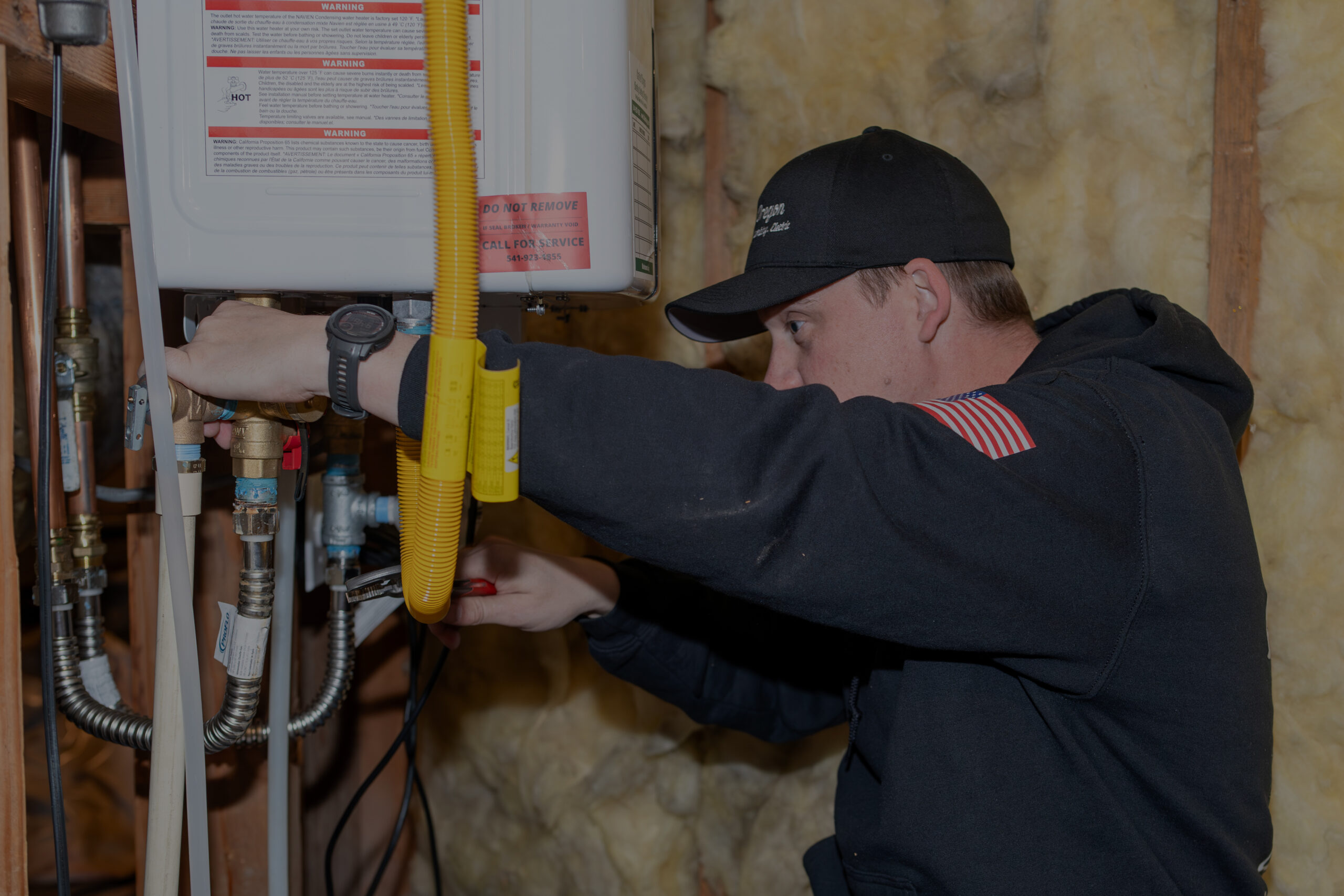
Technician servicing a tankless water heater.

Maintenance Matters: How Regular Heating Maintenance Boosts Performance and Cuts Costs

This is part 3 of our series Maintenance Matters, where we’re diving into how to keep your home comfortable while providing you peace of mind all winter long. If you missed the first couple of posts, check them out here: Maintenance Matters: A Breakdown Free Season and Maintenance Matters: Extending Your Heater’s Lifespan. Thanks for stopping in, now let’s talk about boosting performance and cutting energy costs.  

The Hidden Potential of Your Heating System

Your heater is the silent workhorse, working behind the scenes in your home to ensure you stay warm. But like any hardworking machine, it can lose its edge over time. Dust accumulates, parts wear down, and before you know it, your once-efficient heater is working overtime just to maintain the same level of comfort.   

This is where the magic of regular heating maintenance comes in. 

The Efficiency Boost: How Maintenance Makes a Difference

So, how exactly does maintenance improve your heater’s efficiency? Let’s break it down:

  1. Clean and Clear: A heater free of dust and debris breathes easier. During maintenance, technicians clean crucial components like the blower and heat exchanger. This allows for better airflow and heat transfer, meaning your heater doesn’t have to work as hard to warm your home. 
  2. Lubrication is Key: Moving parts in your heating system need proper lubrication to function smoothly. Well-lubricated parts reduce friction, which in turn reduces energy consumption. It’s like oiling the squeaky wheel – suddenly, everything moves more easily and efficiently. 
  3. Filter Refresh: One of the simplest yet most impactful maintenance tasks is replacing the air filter. A clean filter allows for better airflow, reducing the strain on your heater and improving its efficiency. It’s a small change that can make a big difference in your energy consumption.

The Cost-Saving Potential

Now, let’s talk about everyone’s favorite topic – saving money. A more efficiently running heating system translates into short and long-term cost savings. Here’s how:

  • Reduced Energy Consumption: An efficient heating system uses less energy to produce the same amount of heat. This means lower energy bills month after month. While the savings might seem small at first, they add up significantly over the heating season.
  • Consistent Performance: A well-maintained heater performs consistently, avoiding energy-wasting peaks and valleys in its operation. This steady performance keeps your home comfortable while using energy more efficiently.
  • Longer Lifespan: Efficient operation puts less strain on your heating system, potentially extending its lifespan. This means you can delay the significant cost of replacement, saving you money in the long run.
  • Fewer Repairs: Regular maintenance can catch small issues before they become big, expensive problems. By avoiding major repairs, you’re not just saving on repair costs but also preventing the energy inefficiency that comes with a malfunctioning system.

The savings aren’t just in money, but also in time, stress, and comfort. No one wants to walk into a cold home or have to change their plans to work around repair times. Keeping your heating system working efficiently is the best way to avoid breakdowns and keep your home comfortable all winter long.  

Taking Action: 5 Ways to Boost Efficiency

So what can you do to help your heater be at its best? Here are 5 ways to get your heater into shape today: 

  1. Schedule Annual Maintenance: If you still need to, contact us to schedule a maintenance check-up for your heater. Fall is an ideal time for this before the heating season kicks into full gear.
  2. Change Filters Regularly: Mark your calendar to check and replace your filter every 1-3 months, depending on your system and home environment. This simple task can significantly improve your heater’s efficiency.
  3. Pay Attention to Performance: Between professional check-ups, keep an ear out for unusual noises and an eye on your energy bills. If you notice any changes, don’t hesitate to call us to inspect for any problems.
  4. Consider a Programmable Thermostat: While not strictly maintenance, upgrading to a programmable or smart thermostat can complement your maintenance efforts, improving your system’s efficiency.
  5. Keep Vents Clear: Ensure your vents aren’t blocked by furniture or curtains. Good airflow is crucial for an efficient heating system.

A Comfortable, Cost-Effective Winter

As we continue on our journey through “Maintenance Matters”, let’s take a moment to envision the winter ahead. Picture a home that’s consistently warm and inviting, with energy bills that don’t make you wince. This isn’t just a dream – it’s the reality that regular heating maintenance can help create.  

With regular heating maintenance, you’re not just improving your heater’s efficiency; you’re investing in your home’s comfort, your financial well-being, and even the environment. Each maintenance check-up is a step towards a comfortable and more cost-effective home. 

Schedule your heating maintenance today. It’s more than a check-up – it’s your ticket to a winter filled with warmth, efficiency, and the satisfaction of knowing you’re making a smart choice for your home and your wallet.   

See you next time as we look at how you can maintain your peace of mind throughout the whole season!

Newly installed electric wall heater in Central Oregon,

Maintenance Matters: Your Ticket to a Breakdown-Free Season

As the leaves start to change colors, we all know that cooler weather is quickly approaching. Thoughts of sitting inside with a warm fire while enjoying time with family and friends come to mind.  

And at the heart of that experience? Your trusty heater, ready to keep you and your family warm all season long.  

But here’s the thing – Just like any hard-working hero, your heater needs a little TLC to run its best. That’s where seasonal heating maintenance comes in. Think of it as the recipe for a home filled with warmth, efficiency, and complete peace of mind.  

Why does heating maintenance matter so much? We’ll show you… 

The Importance of a Reliable Heating System

Picture this: It’s the dead of winter, the winds are howling, and the snow is starting to fall. But inside your home? Pure comfort. How? That, our friends, is the magic of a well-maintained heater.   

It’s about more than just keeping you warm – it’s about creating an inviting atmosphere that you can rely on. But here’s the key: Regular maintenance is the secret ingredient that keeps this scenario a reality, year after year.

Without it, you run the real risk of unexpected breakdowns, cold nights, and expensive repair costs. Who wants to deal with that during the most beautiful time of year?   

First, let’s dive into why heating systems fail in the first place.  

Why Heating Systems Break Down

Understanding why heaters fail is the first step in preventing breakdowns. Think of your heater as the unsung hero of your home. Day and night, it works tirelessly to keep you comfortable. But like any hardworking machine, it faces challenges:

  1. Dust and Debris Buildup: Over time, dust and debris can accumulate in your heater, clogging filters and reducing efficiency. It’s like trying to breathe through a stuffy nose – not impossible, but certainly not comfortable or efficient.
  2. Worn-Out Parts: Just as your car’s parts wear down over time, so do your heater’s components. Cracks begin, motors strain and ignition systems can falter.
  3. System Strain: When parts aren’t working efficiently, your heater has to work harder to produce the same amount of heat. This extra strain can lead to premature breakdowns.
  4. Neglect: Perhaps the biggest culprit in heating system breakdowns is simple neglect. When we forget about our heater until something goes wrong, we miss the opportunity to catch small issues before they become big problems.

The good news? Most of these issues are preventable with regular maintenance. It’s like giving your heater a chance to refresh, recharge, and prepare for the work ahead.

The Magic of Seasonal Tune-Ups

So, what exactly does seasonal heating maintenance entail? Think of it as a health check-up for your heating system. Let’s break it down:  

Early Detection of Issues – Imagine if you could spot a health problem before it became serious. That’s exactly what yearly heating inspections do. Our trained technicians can identify worn parts, loose connections, or poor operations before they lead to a full system breakdown, potentially saving thousands of dollars in repairs or replacement.  

Reducing System Strain – When all the components of your heating system are clean, lubricated, and functioning at their best, the entire system runs like a well-oiled machine. Less strain means less wear and tear, and a lower chance of unexpected failures.

How We Prevent Breakdowns 

Let’s take a look at some of the tasks we perform to prevent breakdowns:

Cleaning and Lubricating – Your heater’s moving parts need proper care to function smoothly. Cleaning and lubricating these components reduces friction and wear, preventing overheating and failure. It keeps your heater ready for action.

Inspecting Electrical Connections – Loose or corroded electrical connections can lead to system failure or even pose safety risks. Regular inspections ensure all connections are secure and functioning properly. It’s a simple check that can prevent major headaches down the road.

Checking the Heat Exchanger – The heat exchanger is the heart of your heating system, responsible for heating the air that circulates through your home. Cracks or leaks in this component can lead to system shutdowns or, more seriously, carbon monoxide leaks. Regular inspections can catch these issues early, ensuring your heater stays both efficient and safe.

Your Peace of Mind is Waiting…

Let’s take a moment to think about the cold weather that’s ahead. Imagine evenings by the fire, the warmth of your home welcoming you after a day in the cold, and the peace of mind that comes from knowing your heater is in top condition.

This isn’t just a dream – it’s a reality that’s within your reach. By embracing regular seasonal maintenance, you’re not just preventing breakdowns; you’re investing in your home’s comfort, efficiency, and safety. You’re choosing peace of mind over worry, proactive care over reactive repairs.

Remember, your heating system works hard to keep you comfortable. By giving it the care it deserves, you’re ensuring it can continue to be the silent guardian of your comfort for years to come.

So, as the leaves fall and the air grows crisp, take that important step. Call us at Central Oregon Heating to schedule your heating maintenance today. 

It’s more than just a check-up – it’s your ticket to a winter filled with warmth, efficiency, and worry-free comfort.

Air conditioning services

What is the best type of air conditioner to use?

If you live in Central Oregon, you need the right air conditioner installation to keep your home cool and comfortable during the summertime. Each structure is different, so it’s important to take the time to find an air conditioner that is right for your home. From central air conditioners to ductless mini-splits, there are several AC replacement options you can get.

The best type of air conditioner depends on your home and how you want to use it. Central AC is often a good fit for whole-home cooling when suitable ductwork is already in place, while ductless mini-splits work well for homes without ducts or where individual zoning is important. Heat pumps provide both heating and cooling, window units are practical for individual rooms, and portable ACs are generally better suited to temporary or supplemental cooling.

Key Takeaways

  • The best type of air conditioner depends on your home’s ductwork, layout, cooling needs, heating needs, and budget.
  • Central AC is often a good fit for whole-home cooling when suitable ductwork is already installed.
  • Ductless mini-splits work well for homes without ductwork or when individual room or zone control is a priority.
  • Heat pumps are worth considering if you want one system that provides both heating and cooling.
  • Window and portable ACs are generally better suited to individual rooms, supplemental cooling, or temporary needs.
  • Proper AC sizing requires a professional cooling-load calculation; square footage alone isn’t enough for selecting a whole-home system.
  • Compare SEER2, installation quality, noise, zoning, maintenance, warranty, and total ownership cost rather than choosing an AC based only on price or efficiency rating.

What Are the Basic Types of Air Conditioners? 

While there are a handful of major types of air conditioners, there are many subtypes to choose from. There are different brands, features, and add-ons available, so take your time to research which option works best for your family. At Central Oregon Cooling, we can walk you through the different types so that you can find a new AC installation for your home. 

Central Air Conditioners 

When most people think about air conditioning, they generally think about central air conditioners. These air conditioners consist of an indoor unit, an outdoor unit, and a network of ductwork. With the help of refrigerant, heat is transferred from inside your home to the outside air.

Central air conditioners are quite efficient, but they can be difficult to install in a home that doesn’t have existing ductwork. They also have a higher upfront cost than a basic window unit. However, they are excellent at keeping the interior of your home as cool and comfortable as possible. 

Pros of Central Air Conditioners 

  • Ensures consistent, even temperatures
  • Provides filtered air
  • Works well with smart thermostats
  • Operates quietly 
  • Offers an unobtrusive design

Cons of Central Air Conditioners 

  • Costs more for electricity if you wouldn’t normally be cooling every room of your house
  • Requires ductwork 
  • Offers limited control of different zones
  • Higher upfront installation costs

Ductless Mini-Splits

If you’re considering different AC types, you can also talk to one of our AC installation contractors about getting ductless mini-splits. This type of air conditioner is extremely popular in buildings that don’t have existing ductwork. Instead of outfitting an entire home, you can install ductless mini-splits in individual rooms. 

While these are a great choice if you want zoned control without needing any ductwork, central air conditioning may be a better choice if you have existing ductwork. Ductless systems require a wall penetration for the refrigerant lines, electrical wiring, and condensate drainage, but the exact installation requirements vary by equipment and home configuration.

Plus, ductless mini-splits don’t have to be installed right next to the outdoor unit. Allowable line-set lengths and the distance between indoor and outdoor equipment vary by manufacturer and system design. 

Pros of Ductless Mini-Splits

  • Provides flexibility 
  • Has a small size
  • Offers zonal control of individual rooms
  • Doesn’t have to be placed in every room
  • More energy efficient than window units
  • Provides ideal coverage for studios and small spaces

Cons of Ductless Mini-Splits

  • Visible in each room
  • Requires a place to drain the condensate water
  • Performance and installed cost depend on equipment selection, outdoor conditions, number of indoor units, home layout, and installation requirements.

Heat Pumps

A heat pump is another important option for Central Oregon homeowners because it can provide both cooling and heating. During summer, it works similarly to an air conditioner by transferring heat from inside the home to the outdoors. In cooler weather, the process reverses to provide heating.

Heat pumps are available in ducted and ductless configurations, making them suitable for different home layouts. They can be particularly worth considering when you’re replacing both cooling and heating equipment or want one system that handles year-round comfort. System selection should account for home heating and cooling loads, existing ductwork, electrical requirements, and cold-weather performance.

Portable Air Conditioners

A portable air conditioner is an individual unit that you can easily move from room to room. It does not have the same cooling capacity as central air conditioning units or ductless mini-splits. In most cases, a portable air conditioner will be able to cool a small- to normal-sized room. If you try to cool a larger area than that, it won’t work effectively.

However, the small size and portable nature are ideal if you live in an apartment. If you know that you’ll be moving to a different house in the future, it may be better to buy a portable unit that you can bring with you. 

Pros of Portable Air Conditioners 

  • Costs less upfront
  • Can be installed on your own
  • Rolls easily to different rooms 
  • Can be moved from one rental to another

Cons of Portable Air Conditioners

  • Uses energy less efficiently than other types of ACs
  • May need to have water drained frequently, depending on the settings and location
  • Can’t handle large spaces
  • May not be powerful enough to keep up with extremely hot days
  • Must be near a window to vent heat outdoors
  • Creates a lot more noise than ductless mini-splits or central air conditioners

Window Units 

As you consider your AC maintenance and installation needs, you may also want to look into getting window units. While these units are similar to portable ACs, there is a key difference. Instead of being placed on the floor of a room, window units are installed in the window itself.

Like portable ACs, window units create heat that has to be vented into the outside air. The location makes this venting process easier. However, your homeowners’ association or landlord may have specific rules about window units. Because they are installed in your window, they can’t be moved to a new home as easily as portable air conditioners. 

Pros of Window Units

  • Works well for small spaces
  • Costs less to install 
  • Can be transported if you move to a new apartment

Cons of Window Units

  • Cools ineffectively in large spaces
  • Produces a louder noise than central air conditioners 
  • Can’t be used in multiple rooms 
  • May not be allowed in certain apartment buildings or homeowners’ associations

How to Decide Which Type of AC Is Right for You?

When deciding which type of AC unit you should get, you should look at a number of factors. For example, you may want to look at how air conditioning repair costs change for different AC types. New AC installation costs and space requirements will also vary. 

If you’re not sure what you’re looking for in your next AC, you can always talk to an AC installation contractor at Central Oregon Cooling. We can help you understand the different types of ACs and the benefits of each model.

Consider the BTU Range

One of the most important factors when looking at an AC is the British Thermal Units (BTUs). Basically, this figure can tell you what the cooling capacity of your air conditioning system is. 

In general, the number of BTUs you need is 20 times the square footage of the area you want to cool. However, this figure can vary based on where you’re located, your home’s insulation, personal preferences, and other factors. 

Get the AC Sizing Right

Whole-home AC sizing shouldn’t be based on square footage alone. A professional cooling-load calculation considers factors such as home size and layout, insulation, air leakage, window size and orientation, sun exposure, local conditions, and other sources of heat gain.

An undersized air conditioner may struggle to maintain the desired temperature during higher cooling loads. An oversized system can cycle on and off too frequently, which may affect comfort, efficiency, humidity control, and equipment performance.

BTU-based room-sizing guidance can still be useful when comparing window or portable air conditioners, but whole-home central AC, heat pump, and ductless systems should be properly sized for the home’s actual cooling load.

Compare Efficiency and Comfort Features

For central ACs and heat pumps, compare the system’s SEER2 efficiency rating along with how the equipment operates. Higher-efficiency equipment can reduce energy use under the right conditions, but the highest SEER2 rating isn’t automatically the best value for every home.

Inverter and variable-speed systems can adjust output as cooling demand changes instead of operating only at full capacity. Depending on the equipment and installation, this can support more consistent temperatures, quieter operation, and improved efficiency.

Look at Your Cooling Needs 

Next, you should consider your personal cooling needs. Do you need around-the-clock air conditioning? Or, are you just looking for a little cooling on the hottest days of the year? 

You should also think about your family’s needs. Often, people feel comfortable at different temperature levels. If two of your family members prefer drastically different temperatures, you may want to consider getting ductless mini-splits.

Also consider the condition of existing ductwork, home layout, insulation, window performance and sun exposure, preferred noise levels, zoning needs, and whether you also need new heating equipment. These factors can change which AC type makes the most sense even for homes of similar size.

Review the Installation Requirements 

Before you get an air conditioner, you should check out the AC tune-up, maintenance, repair, and installation requirements for each unit you’re considering. When it comes to air conditioner installation costs, the price can vary significantly. 

Many homeowners can install portable ACs and window units in their homes. In comparison, ductless mini-splits and central air conditioners generally require a professional technician to do the installation work. 

If you already have ducts, central air conditioners are quick to install. The price and time commitment are much higher if you don’t have ductwork installed already. 

Check Out the Maintenance Needs 

Next, you should also consider the AC maintenance needs of different systems. Maintenance requirements vary by equipment type and manufacturer. Central ACs, heat pumps, ductless systems, window units, and portable ACs don’t all have identical maintenance needs. Follow the manufacturer’s filter and maintenance recommendations, and schedule professional HVAC maintenance at the intervals appropriate for your installed system.

Research the Cost 

Whether you’re looking at 24-hour AC repair or ductwork installation expenses, getting an air conditioner is an investment. AC lifespan varies based on equipment, installation quality, usage, climate, maintenance history, and operating conditions. Consider expected maintenance and repair needs alongside upfront cost when comparing systems.

While the upfront cost is a necessary consideration, you should look at the average cost of maintaining it, how frequently you’ll have to replace the unit, and the amount you’ll spend on electricity. Higher-efficiency equipment may reduce cooling energy use, but actual savings depend on the system being replaced, equipment efficiency, sizing, installation quality, usage, utility rates, and home conditions. Compare total ownership costs rather than efficiency ratings alone.

Additionally, you can always talk to your AC installation contractor about current promotions and financing options. There are many different ways to make the overall cost more reasonable so that you can afford a unit that meets your comfort needs, home size, and energy-efficiency goals. 

Analyze the Brand and Features

Finally, you should consider the features associated with each unit and the various brands. For example, some air conditioners come with smart thermostats that allow you to program your cooling preferences for each time of the day. You may also want dehumidifiers, humidifiers, or air purifiers incorporated into your system.

What to Compare Before Buying an AC

Before choosing an air conditioner, compare more than the equipment’s price or brand. Important factors include:

  • Professional cooling-load calculation and proper system sizing
  • Condition and design of existing ductwork
  • SEER2 and equipment operating characteristics
  • Installation quality and contractor experience
  • Noise levels
  • Zoning and control options
  • Warranty coverage
  • Maintenance requirements
  • Heating needs if considering a heat pump
  • Upfront cost and expected total ownership costs

An HVAC professional can evaluate these factors together rather than recommending equipment based only on square footage or brand.

Frequently Asked Questions

What is the best type of air conditioner for a home?

There isn’t one best AC for every home. Central AC can work well with suitable ductwork, ductless mini-splits provide flexible zoning without ducts, and heat pumps are worth considering when both heating and cooling are needed.

Is central air better than a ductless mini-split?

It depends on the home. Central AC is often practical when suitable ductwork already exists, while ductless systems can be advantageous for homes without ducts or spaces requiring individual temperature control.

What is the best AC for a house without ductwork?

Ductless mini-splits are one of the primary whole-home or multi-zone options for homes without existing ducts. Heat pumps are also available in ductless configurations.

How do I know what size AC I need?

Whole-home AC sizing should be based on a professional cooling-load calculation rather than square footage alone. Insulation, windows, air leakage, sun exposure, layout, and other factors affect cooling demand.

Is a heat pump better than an air conditioner?

A heat pump provides heating and cooling, while a conventional central AC provides cooling. Which is better depends on your existing heating system, home, climate needs, installation requirements, and budget.

What should I compare when buying a new AC?

Compare sizing, ductwork, efficiency, installation quality, noise, controls, warranty, maintenance requirements, heating needs, and total ownership cost.

Discover the Best Type of Air Conditioner for Your Home

Whether you simply want to cool a studio apartment or need central air conditioning for an entire ranch, there are different air conditioner installation options available for your needs. The best type of air conditioner for your Central Oregon home depends on its cooling load, ductwork, layout, comfort preferences, heating needs, efficiency goals, and budget. Replacing an older system with properly sized, efficiently installed equipment may improve comfort and efficiency, but results depend on the home and equipment being replaced.

Plus, new ACs are less likely to break down than older models, so investing in an AC replacement can lower the amount you have to spend on repairs.

If getting a new air conditioning installation feels daunting, we can help you explore all of the options available for your home. Central Oregon Heating, Cooling, Plumbing & Electrical can evaluate your Bend or Redmond home, compare central AC, ductless, and heat pump options, and recommend a properly sized system for your needs. Contact our team to schedule an AC installation or replacement consultation.

air conditioner is not blowing cold air but running

Why Is My AC Not Blowing Cold Air? 10 Common Causes & Fixes

On a hot day, nothing inspires panic like an AC that doesn’t blow cold air. Even with the best maintenance, there are times when you may need air conditioning repair services. With the right AC maintenance and repairs, you can prevent the underlying problem from becoming worse and enjoy a cooler, more comfortable home.

Overview:

The most common reasons why an AC doesn’t blow cold air are a dirty air filter, incorrect thermostat settings, a frozen evaporator coil, low refrigerant, a dirty condenser coil, a faulty capacitor, leaky or blocked ductwork, blocked return vents, or compressor issues. While some of these problems can be checked by homeowners, electrical and refrigerant repairs should only be dealt with by a professional.

Common Symptoms and Possible Causes

There are several different reasons why an AC might stop blowing cold air. By analyzing the symptoms involved, you can narrow down the potential cause of your problem.

SymptomCause
The AC runs but blows warm airThis often occurs due to low refrigerant or compressor problems.
Weak airflowPoor airflow is a sign of dirty air filters and blocked ducts.
Ice on refrigerant linesIf the refrigerant lines get iced up, you likely have a frozen evaporator coil.
Indoor water leaksA clogged condensate drain line can cause the drain pan to overflow.
Loud buzzing or humming noisesThese sounds can occur if there is an electrical or capacitor issue.
Uneven coolingAny duct leaks or airflow restrictions can result in uneven cooling.
Long runtimesIf the AC seems to run nonstop, you may be experiencing low refrigerant levels, an undersized system, or dirty coils.

10 Common Reasons Why Your AC Might Not Blow Cold Air 

If your home feels unusually warm, check the vents for cool air. When ACs stop blowing cold air, the following AC repair issues may be at fault. 

1. Low Refrigerant Levels 

When your refrigerant level is low, you may notice the following symptoms: 

  • A frozen AC
  • Ice around the lines and coils
  • Warm air coming from your vents
  • Hissing or bubbling noises

If you have low refrigerant levels, you need professional AC repair services in your area. The Environmental Protection Agency (EPA) requires technicians to get a Section 608 certification to recharge refrigerant. Because refrigerants impact the environment and human health, you don’t want to leave this problem untreated.

2. Clogged Drain Pipes

Air conditioners are designed to pull moisture from the air. Then, the excess water is supposed to drain out of your machine using the condensate drain pipe. If this drain gets clogged by dirt and debris, water will stop draining, causing the AC to shut down as a fail-safe measure.

Luckily, this is one of the easiest air conditioner maintenance tasks to perform. You can clean out the drain pipe on your own or call a 24-hour air conditioning repair company to remove the clogs for you.

3. Dirty Filters

Your AC may have more than one filter. You’ll most likely have one filter in your return vent and another in your air handler. If your filters become clogged, it limits airflow and stops your filter from working properly, causing the air conditioner to not blow cold air but run.

How often you need to change or clean the air filters depends on the manufacturer. While 30 days is a common frequency, some air filters don’t need to be changed for 60 or 90 days. 

It’s important to use clean air filters because dirty filters put added strain on your AC. Eventually, this strain can cause your AC to break down prematurely.

4. Power Issues 

If there are any power issues, it could prevent your AC from working correctly. For example, broken wires could prevent the air conditioner from getting enough electricity. 

When you’re dealing with electrical issues, it’s a good idea to shut off your AC until you can get emergency air conditioner repairs. Damaged wires and other electrical problems can be dangerous, so it’s important to leave these tasks to professional HVAC repair services.

5. Blocked Returns

Your air conditioner doesn’t just have vents to release cool air into your home. It also has vents that bring in air, which are known as returns. Normally, returns are placed in a central location in your house so that they can circulate air.

However, you’ll sometimes see multiple vents in a single room. One of these vents may be a return. If the return vent isn’t blowing cold air, it’s because it isn’t supposed to. Returns are designed to bring air in, not out. 

Sometimes, returns can get blocked by furniture, plants, or other items. When this happens, it prevents them from working properly. From time to time, check to see if your returns are blocked in any way. You should also clean the return and the filter inside it regularly.

6. Tripped Circuit Breaker

Don’t be hasty about scheduling a new air conditioner installation. The issue with your AC could be as simple as a tripped circuit breaker, which is easy to fix. 

Typically, air conditioners use an inside and outside breaker. If the outside breaker trips, the vents will still work but will blow warm air. In many cases, fixing a tripped circuit breaker is as easy as flipping a switch. 

However, it’s important to pay attention to how often your AC trips the breaker. If this is a frequent problem, there may be an underlying cause. Faulty compressors, dirty air filters, broken coil fans, and refrigerant leaks can all trip the breaker. In some cases, you may even need to get an air conditioner replacement.

7. Damaged or Clogged Ducts

As you troubleshoot your AC repair needs, check the vents in each room. If some of the vents are able to blow cold air, your air conditioning unit is likely working fine. Instead, you may be dealing with a duct-related issue. 

When your ducts become dirty or clogged, it prevents cold air from getting where it needs to go. Instead of reaching your rooms, the air could be spilling out into your attic or a different space. 

Sometimes, duct-related problems are caused by a lack of pressure. If there’s not enough pressure in the ducts, they won’t be able to move air to your rooms. Issues with your blower fan can also prevent air from reaching distant rooms.

Other than inspecting ducts for clogs, you can troubleshoot duct issues by checking vents to see if air is reaching every one of your rooms. To prevent air leaks and improve your AC efficiency, make sure your ducts are adequately sealed.

8. Dirty Compressor or Evaporator Coils

Your compressor and evaporator coils are integral parts of your AC. Occasionally, you may need to call for air conditioning repair services to fix the coils. Sometimes, the problem is as simple as removing excess dirt, dust, or debris from the coils.

Cleaning Your Compressor Coils

Unlike the evaporator coils, your compressor is located outside your house. The compressor coils are intended to help your AC cool the air. However, the outdoor location means compressor coils can easily become dirty or clogged with plant matter. 

Luckily, you can easily inspect your compressor coils by looking at them. You should never touch them without gloves on because the coil fins are quite sharp. 

If the compressor coils are dirty, you can clean them by turning off the AC’s power. Then, use the water hose to remove dirt, dust, and weeds. An HVAC technician can do a more thorough cleaning during your routine AC maintenance.

Fixing Dirty Evaporator Coils 

Anything that makes it past your air filter can end up clogging your evaporator coils. Before opening any panels to check on them, it’s important to turn off your AC at the breaker box. It’s generally better to leave evaporator coil inspections to the professionals because these coils are situated behind a service panel. 

There are often lines in front of the evaporator coils, and these lines must be dealt with carefully. The fins are especially sharp, so you should wear gloves when working around them. A vacuum cleaner with a soft brush attachment can be used to remove debris and dirt that are near the surface of the coils. For an even cleaner result, an HVAC technician can use a special spray cleaner and brush.

9. Broken Capacitor 

The capacitor is normally responsible for sending a surge of electricity into your air conditioner to start it. These metal cylinders are located under the service panel in your outdoor AC unit. You should never deal with a faulty capacitor on your own. It stores a large amount of electricity, so you’ll get a horrible shock if you touch it. The capacitor must always be discharged before it can be handled in any way.

If you notice any leaks, ruptures, or bulges, your capacitor may need to be replaced. You can normally tell if there is a broken capacitor because you’ll stop receiving cold air. Additionally, you might hear a humming noise or smell something burning. 

When the capacitor is broken, it’s important to call an HVAC company to replace the AC and provide repair services. A broken capacitor is capable of melting plastic and causing damage to other parts, so you need to get it fixed right away.

10. Thermostat Problems

Before you start looking for the best air conditioning installation in your area, it’s important to troubleshoot other issues, like thermostat problems. Your thermostat is responsible for turning your system on and off. If it isn’t working properly, it may stop signaling your AC to turn on when the indoor temperature rises. 

Depending on the thermostat type, you may be able to reset the thermostat or replace its batteries. Then, see if your AC starts blowing cold air again. If it doesn’t, you may need to get your thermostat replaced.

Checklist for Troubleshooting Poor Cooling Performance

Before you call for professional help, there are a few steps you can take to troubleshoot the problem on your own. 

  1. Verify Thermostat Settings: First, check the thermostat settings. If the mode is incorrect or the temperature setpoint is too high, the AC won’t turn on to cool your home.
  2. Replace or Inspect the Air Filter: A dirty or clogged filter can block airflow into your HVAC system. Ideally, the filter should be changed every 30 to 90 days, depending on usage and the HVAC system’s requirements.
  3. Check the Circuit Breaker: If the breaker for the outdoor panel trips, the outdoor unit will stop working and warm air will blow from the vents. Try resetting the breaker once to fix the issue. If it immediately trips again, there’s an underlying problem that must be addressed by a professional.
  4. Make Sure All Vents and Return Registers Are Open: Blocked vents can restrict airflow and lead to uneven temperatures in your home. Open your vents and registers. Then, make sure furniture and other items aren’t obstructing the airflow. 
  5. Inspect the Outdoor Condenser for Dirt or Debris: Check the outdoor unit for debris. After shutting off the unit at the breaker or disconnect box, you can clean it using a gentle stream of water from your hose.
  6. Look for Ice on Refrigerant Lines or Coils: Iced-up lines and coils can happen if the refrigerant levels are low or the evaporator coil is dirty. If there is ice present, you’ll need to schedule professional HVAC services.
  7. Listen for Unusual Sounds: Odd noises can indicate the source of the problem, so note any unusual sounds to tell the HVAC technician.

What Not To Do

While homeowners can perform basic maintenance and troubleshooting on their own, the following tasks should be left to the professionals. 

  • Don’t Add Refrigerant Yourself: Refrigerant is hazardous to your health and the environment, so only an EPA-certified technician should add refrigerant to a stationary air-conditioning system.
  • Don’t Open Electrical Panels or Attempt Any Electrical Repairs: Malfunctioning electrical systems can lead to electric shocks, fires, and damage to your home if they aren’t fixed correctly.
  • Don’t Run an AC That Has Frozen Coils: Continuing to run an AC with frozen coils can worsen the ice buildup. The added strain can lead to a burned-out blower motor and compressor failure.
  • Don’t Ignore Burning Odors or Unusual Noises: Burning odors can occur because of electrical problems, which can lead to a fire and melted components. Certain noises, such as loud screeching sounds and grinding sounds, can indicate serious motor, bearing, compressor, or other mechanical problems. As soon as you notice burning smells or odd noises, immediately shut off the unit and reach out for professional help.

Why Your AC Runs but Doesn’t Cool

Often, homeowners confuse airflow in their home with cooling. Your blower motor and fan can still circulate air when the outdoor condenser unit is off or not working right. For example, a faulty capacitor or a malfunctioning compressor can lead to a decline in cooling performance. Similarly, low refrigerant levels can lead to warm air blowing through your home despite the fan operating normally.

Smart Thermostat Issues To Watch Out For 

Sometimes, cooling issues are the result of thermostat-related issues. The following are some common reasons why a smart thermostat might negatively impact your home’s cooling performance.

  • Incorrect Schedule: When your schedule is set incorrectly, your home may not cool at the time you want it to.
  • Eco Mode: Depending on the thermostat, eco mode may use an energy-saving setpoint or range and may reduce cooling when the home is unoccupied. However, both of these features mean your home may be warmer than expected. If eco mode is making your home uncomfortable, you may need to adjust your temperature range so the highest side of the range is lower.
  • Wi-Fi Connection Issues: When your smart thermostat won’t connect to Wi-Fi, it won’t receive temperature adjustments from your mobile device.
  • Low Batteries: Some thermostats use batteries instead of being hardwired into your home’s electrical system. If the batteries are low, the thermostat may not be able to trigger your AC to turn on.
  • Sensor Calibration Problems: Dirty, poorly calibrated, or poorly located sensors may produce an inaccurate temperature reading. As a result, your AC won’t be signaled to turn on. Sensor problems can also occur if the sensor is placed in direct sunlight, near your oven, or in a drafty location. These types of placements can cause it to read a temperature that is significantly different from the rest of the room.

Can Heat Pumps Have Cooling Issues?

Heat pumps rely on the same refrigerant-based technology as air conditioners, so they can absolutely encounter cooling problems. For the most part, heat pumps are susceptible to the same issues as air conditioners. If your heat pump isn’t blowing cold air, one of the following issues may be at fault.

  • Reversing Valve Issues: Because they rely on reversing valves to switch the direction of refrigerant flow between the heating and cooling seasons, you may also encounter problems with your reversing valve. If the valve is stuck in heating mode, you’ll notice warm air coming from your indoor vents.
  • Refrigerant Leaks: Like ACs, heat pumps can develop refrigerant leaks that can harm cooling performance. 
  • Defrost Cycle Confusion: During the defrost cycle, the heat pump temporarily reverses the refrigerant flow during extremely cold weather to heat and defrost the outdoor coils. During defrost, the air from the indoor vents may temporarily feel cooler. As long as the cycles aren’t excessively frequent or extended, the defrost cycle is likely a normal part of your unit’s operation in cold weather.
  • Compressor Problems: If a compressor becomes strained by low refrigerant, increased workloads, age, or other issues, it can break down. This can result in poor cooling output, breakers that trip frequently, grinding or screeching sounds, and short cycling.

Any issues with your refrigerant, reversing valve, or compressor should be dealt with by a trained professional. Additionally, you should always call for help if your heat pump stops working during periods of extreme cold or heat.

Common AC Sounds and What They Mean

By noting which sounds occur, you can figure out what is going on with your air conditioning system.

SoundMeaning
HissingThis often happens due to a refrigerant leak.
BuzzingYou may notice a buzzing sound if there is a problem with the capacitor or electrical wiring.
GrindingThis may occur due to a motor or bearing issue.
ClickingOften, clicking sounds happen when there is a problem with the thermostat or relay.
RattlingRattling sounds can occur if there are loose components or debris in your unit.

Preventive AC Maintenance Tips

Once you’ve successfully fixed your AC, it’s important to prevent the same cooling problem from happening again. The last thing you want is to require an emergency air conditioner repair on a sweltering hot day. With the following tips, you can keep your air conditioner blowing cool air. 

Seal Air Leaks

To get the most out of your AC, you need to seal any leaks in your ductwork. You should also inspect your home for potential leaks. Windows and doors are common spots where cold air can escape. When this happens, your AC has to work extra hard to keep the air cold. 

Insulate Properly 

You can reduce your electricity bill by improving the insulation in your home. Good insulation prevents cold air from leaving. Other than reducing your power bill, insulation can prevent repairs because your air conditioner won’t have to work as hard to keep your home cold.

Get Routine Maintenance 

Your air conditioner is supposed to get routine maintenance at least once a year. Ideally, this should happen before the summer. During this visit, an HVAC technician will inspect your AC for wear and tear. They’ll clean the AC’s parts, diagnose issues, and recharge the refrigerant. With proper maintenance, you can prevent future breakdowns. 

Change Your Air Filter

If your air conditioner’s not blowing cold air but is running, it may be time to change your air filter and perform routine maintenance. Your air filter should be changed every one to three months to protect your AC.

Clean Evaporator and Condenser Coils

You can protect your AC from wear by cleaning the evaporator and condenser coils. The condenser coils can be cleaned with a hose after the AC has been switched off. Be careful not to bend the delicate fins. While your outdoor coils can be cleaned on your own, the indoor coils should be left to the professionals.

Set a Thermostat Schedule

If you don’t have a smart thermostat, it may be time to invest in one. By creating a schedule for your smart thermostat, you can save energy and reduce the amount of wear on your AC.

Perform Seasonal Checks

To keep your AC functioning at its best, make sure to clean and test your cooling system in the spring before it is used all the time. In the summer, you should monitor its performance and continue completing your routine maintenance tasks. When winter rolls around, prepare your HVAC system for your wintertime heating requirements. As winter begins, make sure your AC’s outdoor unit is protected from the elements.

Homeowner Checklist for Seasonal HVAC Maintenance

  • Change the air filter every one to three months.
  • Clean the condenser coils. 
  • Remove debris from around your outdoor unit.
  • Clean the vents.
  • Monitor energy bills for signs of sudden jumps in energy consumption.
  • Schedule HVAC tune-ups for spring and fall.

When To Call a Professional Immediately

Because of the risks involved, you should immediately call for help if you notice any of the following symptoms.

  • A suspected refrigerant leak
  • Burning smells
  • Recurring ice buildup
  • A compressor that won’t start
  • Repeated breaker trips
  • Loud grinding or buzzing noises
  • Cooling problems that remain after basic troubleshooting

Central Oregon Heating, Cooling, Plumbing & Electrical has served Central Oregon homeowners since 1993 and holds a 4.9-star rating from more than 6,800 customer reviews. Our experienced HVAC technicians can safely diagnose and repair refrigerant leaks, compressor issues, wiring problems, and other complex AC issues.

FAQs 

Why is my AC running but not cooling the house?

If you have an AC that is not blowing cold air, a few issues may be going on. You could have a dirty filter, frozen evaporator coils, a faulty thermostat, low refrigerant levels, or blocked condenser coils. You can troubleshoot by resetting your thermostat, changing the air filter, and cleaning the condenser coils. However, if this problem keeps recurring, you should get professional help.

How often should I replace filters?

Ideally, air filters should be replaced every one to three months. You should check with your manufacturer’s directions to see if they have any specifications. Additionally, you should change the filter more frequently if you have a particularly dusty home or are using your AC more frequently.

Can I add refrigerant myself?

No, you can’t. The United States has specific laws about who can handle refrigerants. HVAC technicians are required to be federally certified, so this isn’t something that can be done by a homeowner.

Why does my AC freeze up?

Anything that decreases the airflow or reduces refrigerant levels can cause your AC to freeze. Before troubleshooting, you should let the evaporator coils thaw completely. Then, change your air filter and make sure all of the vents are open. If your AC continues to freeze, you may have a faulty blower motor, dirty evaporator coils, or a similar problem that requires professional AC repair services.

Why is my AC blowing warm air only in one room?

If you have an AC that is not cooling but blowing warm air in one room, it may be related to ductwork issues or closed vents. However, it could also be related to how your system is set up. If the thermostat sensors are in an especially cold area or the room is the farthest from the AC, it may not be getting as cold as the rest of the system. A complete HVAC inspection can help you figure out what’s going on.

How much does AC repair cost on average?

The cost of AC repairs in Oregon depends on the type of issue, the required repair, and the parts involved. While repair costs can vary widely, different components have their own repair or replacement expenses. For example, replacing a circuit board may involve a lower repair cost, while compressor replacement is typically one of the more expensive AC repairs due to the complexity of the component and labor involved. Contact our certified HVAC professionals in Bend to get honest, upfront pricing. 

What’s cheaper long term: repair or replace?

It depends on the type of problems you’re experiencing and the age of your system. If repair costs are less than half the cost of a replacement or the AC is less than 10 years old, it likely makes more sense to simply repair it.

Why does my AC leak water inside?

If your AC is leaking water on the inside, a few things could be going on. There are three essential reasons why this may happen. If low refrigerant levels or a dirty filter cause your evaporator coils to freeze, you may notice water leaking. Clogged condensate drain lines and damaged drain pans can also lead to leaking water.

Can poor insulation cause my AC to seem weak?

Poor home insulation forces your AC to work harder to reach and maintain the same temperature. While it doesn’t actually weaken your AC, it can eventually lead to increased wear and tear. To avoid more frequent repairs and high energy bills, it’s a good idea to improve your home’s insulation.

How do I know my AC is the wrong size for my home?

There are a few signs your AC’s capacity may be too high or too low.

  • Short cycling or unusually long cycles
  • High humidity 
  • Inexplicably high energy bills
  • Uneven cooling
  • Performance issues

Should I turn my AC off if it isn’t blowing cold air?

Yes, you should turn off your AC to prevent damage to your compressor if you see ice, smell burning, hear serious mechanical noises, or suspect a malfunction. Otherwise, first check the thermostat, filter, vents, and breaker. 

If this issue occurred because of a frozen evaporator coil, you’ll need to wait for your coil to thaw before running the AC again. Additionally, you can troubleshoot by seeing if the breaker has tripped. For repeatedly tripped breakers and recurring frozen coils, you should reach out for professional diagnostics.

Why is my AC cold at night but warm during the day?

This can occur if the daytime heat gain is more than your AC can keep up with. Often, this happens because of an undersized AC unit, a failing capacitor, low refrigerant, restricted airflow, or dirty condenser coils.

Can dirty condenser coils stop my AC from cooling?

The condenser coils are normally responsible for releasing heat into the outdoor air. Excessive dirt buildup acts like insulation and prevents heat from leaving your system. This can cause your unit to overheat and shut down, which will immediately impact your cooling performance.

Why is only one room not getting cold air?

Often, this occurs if there is a ductwork issue, a closed vent, or an unbalanced HVAC system. One room can be unusually warm if it has poor insulation, southern- or western-facing windows, or other issues causing heat gain.

How long should it take for an AC to cool a house?

It depends on the home’s starting temperature. You should feel cold air coming from your vents within minutes, but it will take much longer to cool your home on hot days. In general, ACs can lower the indoor temperature by 2 to 3 degrees per hour. 

Why does my AC keep running without reaching the thermostat setting?

This can occur if your AC is unable to absorb and release enough heat from your home. Clogged air filters, low refrigerant, leaky ducts, and dirty coils are just a few of the issues that could be responsible.

Can a power outage affect my AC’s cooling performance?

Absolutely. Power surges when the electricity turns on again can damage your capacitor and cause increased strain on your compressor. In addition, power outages can reset some of your thermostat settings and trip the breaker on your outdoor unit.

What should I check before calling for AC repair?

Before calling for AC repair, check for incorrect thermostat settings, dirty air filters, and tripped breakers. Then, verify that the vents and returns are open and unobstructed. Note any ice on your evaporator coil or unusual sounds because these can help with the diagnostic process. If basic troubleshooting doesn’t help, you should reach out for professional repairs.

Schedule HVAC Diagnostics Today

As a homeowner, you can troubleshoot by completing the basic checklist. If these steps don’t work, you’ll need to schedule professional repairs to prevent damage to your unit. Timely maintenance and repairs can quickly restore your home’s cooling performance and help you avoid more extensive repairs in the future.

Contact Central Oregon Heating, Cooling, Plumbing, & Electrical to schedule AC repair service and keep your family cool this summer.