How to Prevent Winter Electrical Problems in Bend & Redmond
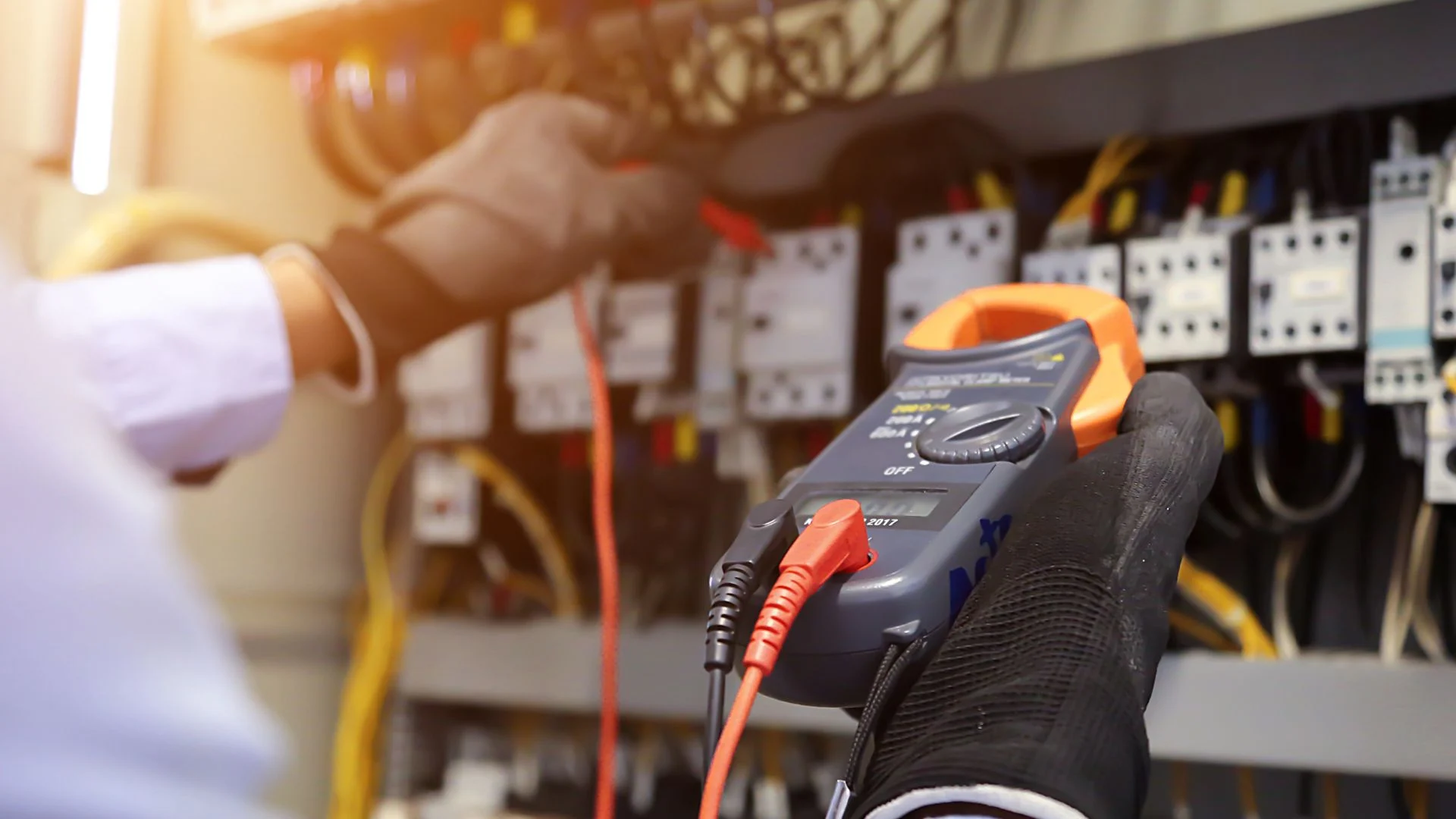
In Bend and Redmond, wintertime weather brings freezing nights and heavy snow. As a result, many homeowners use higher levels of electricity. With this surge in demand, there is a resulting increase in electrical safety risks. Additionally, space heaters, frozen outdoor wiring, holiday lights, and furnaces all contribute to potential electrical hazards.
Common winter electrical problems include frequently tripped breakers, flickering or dimming lights, tripping GFCI outlets, power surges, overloaded circuits, space heater hazards, and problems with outdoor wiring or older electrical panels. Higher winter electricity use, snow, and moisture can expose weaknesses that may not be noticeable during milder weather.
At Central Oregon Heating, Cooling, Plumbing & Electrical, we can help with all of your winter electrical problems. Whether you are struggling with a circuit breaker tripping in winter or need power surge repair in Bend or Redmond, OR, our team of licensed electricians can help you spot potential problems, prevent hazards, and get timely electrical repair services.
Why Are Electrical Problems More Common in Winter?
As the weather starts to turn colder, a range of factors converge to make winter electrical problems more likely. Because of how these systems are set up inside walls and ceilings, it can be difficult to notice the signs that your home is having electrical malfunctions. To ensure your family’s safety, it’s important to call an electrician in your area for an electrical inspection done at least once every two to five years.
During winter, the following situations increase the likelihood of electrical problems.
- Cold Weather: During the wintertime, you use your heating systems more to keep your home warm. Because people often spend more time indoors at this time of year, they’re more likely to use their electrical appliances more often. Thanks to this increased usage, electrical malfunctions are more likely.
- Power Outages: Unfortunately, winter often brings storms in Central Oregon. These storms can bring along a couple of inches to more than a foot of snow. The wind and snow can cause power surges and outages, increasing the likelihood of other electrical issues.
- Older Homes: There are a number of older homes located in Bend and Redmond. These homes often have older wiring and old panels that are more likely to malfunction. Additionally, old homes weren’t designed for all of the electrical appliances we have today, so the wiring and panels might not be capable of handling modern energy needs.
- Sub-Zero Temperatures: Central Oregon is known for having sub-zero temperatures in the winter. When this happens, many homeowners rely heavily on supplemental heating, increasing the likelihood of electrical hazards.
7 Common Winter Electrical Problems
Whether you’re worried about frozen wiring, outdoor lighting, space heater electrical issues, or flickering lights in winter, you can call an emergency electrician in Bend, OR, for help. Our team can troubleshoot the symptoms and help your family stay safe this winter. Electrical malfunctions can lead to fires, electrocutions, and damaged appliances, so give us a call if you notice any of the following winter electrical problems.
Frequent Circuit Breaker Trips
If you’re dealing with a circuit breaker tripping in winter, it’s a good idea to get it checked out. This situation can occur when you have overloaded circuits in cold weather. For example, you may have space heaters plugged in with your normal appliances.
Unfortunately, this is a fairly common problem in the Bend and Redmond area. Many homes need extra heating devices to stay warm, so multiple appliances end up plugged into the same outlet.
To prevent your circuit breaker from tripping in winter, you should try to distribute the load among different outlets. You can also set up dedicated circuits for your appliances that pull a lot of energy, such as your space heaters, refrigerators, and large appliances.
If you have an older home, we can talk to you about getting an electrical panel upgrade in Redmond, OR. Many older homes don’t have the right panels for today’s high electrical demands, necessitating an upgrade.
Flickering or Dimming Lights
If you experience flickering lights in the winter, the good news is that you’re not stuck in an old horror movie. However, your home is likely experiencing failed wiring or overloaded circuits in the cold weather.
During winter, you end up using more energy because of your home’s heating needs. This overloads the wiring systems and circuits if they weren’t made to match this capacity.
While flickering lights might not feel like a major problem, they represent a significant safety hazard. Persistent flickering or dimming can have several causes, including loose electrical connections, overloaded circuits, failing components, or voltage fluctuations. If lights regularly flicker when heating equipment or major appliances start, or the issue affects several areas of the home, an electrician should determine the cause.
Over time, this strain can damage your appliances and electronics because of the inconsistent voltage. Eventually, it can also trigger an electrical fire.
Unfortunately, this isn’t a DIY electrical repair. The only way to find and repair the source of the electrical problem is by calling an emergency electrician in Bend, OR.
Power Surges & Storm-Related Issues
After a spike in electricity, you may need to schedule power surge repair in Bend, OR. Lightning and snowstorms can cause power surges to happen. This type of surge can end up damaging your electrical systems, home electronics, and HVAC equipment. Besides leading to more expensive repairs, this type of damage can also heighten the risk of safety issues for your loved ones.
At Central Oregon Heating, Cooling, Plumbing & Electrical, we can protect your home by installing a surge protection system. Once the unit is installed, it can absorb and dissipate excess power safely during unexpected power surges. Besides preventing fires and protecting your home’s appliances, high-quality surge protection can also help you achieve better peace of mind.
When we install a surge protection system, we set up the unit at the electrical panel. This allows it to safeguard your home’s electrical systems at the distribution source before the electricity is sent out to all of your appliances.
Whole-home surge protection is typically installed at the electrical panel, where it helps limit damaging transient voltage before it reaches sensitive appliances and electronics throughout the home.
Dead Outlets or Malfunctioning Switches
Another one of the most common winter electrical problems is dead outlets. GFCI outlet problems in winter can happen if moisture gets into the outlet. This is more likely to occur with outdoor outlets. After this occurs, the moisture triggers a ground fault and a tripped outlet.
An outlet may stop working for a few key reasons. A faulty GFCI outlet, loose wiring, tripped circuit breakers, and worn-out outlets can cause a dead outlet. If you have a dead outlet, you may notice some of the following issues.
- A complete lack of power from the outlet
- Flickering lights on the same electrical circuit from a faulty connection
- Burning odors
- Scorching or discoloration at the outlet
- A loose-fitting plug from a worn-out outlet
Any signs of water damage, moisture, or overloaded circuits should be dealt with right away. For example, buzzing and sparking noises indicate overloaded components, loose wiring, and electrical malfunctions. These issues can lead to an electrical fire, so they must be taken seriously.
Older homes are more likely to have aluminum wiring and wiring that doesn’t match the existing electrical demand, increasing the likelihood of a fire. If you notice a dead outlet, it’s time to schedule repairs and a professional home electrical inspection in Bend, OR.
GFCI Outlet Problems in Winter
When the temperatures start dropping, the odds of frozen wiring in outdoor areas increase. Moisture intrusion can happen on warmer days, leading to frozen outdoor outlets and wiring once temperatures drop below zero.
Because of these issues, GFCI tripping is more common during damp and cold weather. The moisture creates a ground fault, which causes the outlet to trip. If this problem continues, you should call one of our electricians for help. We can either repair the existing GFCI outlet or replace it with a GFCI outlet that is more resistant to outdoor weather conditions.
Space Heater Hazards
Heating equipment is one of the leading causes of household fires in the United States. About one-third of home heating equipment fires, as well as the majority of deaths and injuries, are due to space heaters.
In the winter, Oregon residents often bust out their space heaters to take the chill off. While this supplemental heat source can warm up your home, it can also be dangerous. When homeowners use extension cords and the wrong outlets, the normal risk of space heaters is increased even more.
If you’re struggling to stay warm this winter, consider some of the following safer alternatives to using space heaters.
- Update the insulation in your home.
- Get a professional consultation to determine if your furnace or heat pump capacity is adequate.
- Set up a heat-circulating fan so that warm air reaches the entirety of your home.
- Use rugs and thick curtains to add an extra layer of insulation.
Space heater electrical issues are incredibly common and can quickly become dangerous. To keep your family safe, remember to never use extension cords with your space heater and only use power outlets that are designed for the space heater’s electrical capacity.
Old Electrical Panels & Wiring Failures
If you have an outdated electrical panel, it may be time to schedule your next electrical repair and replacement. Many older homes were designed with panels that are inadequate for the electrical demands of modern families.
Because of this, it’s a good idea to schedule a professional electrical consultation. Our licensed electricians can review your home’s existing energy capacity and the electrical load you need to supply. Then, we can recommend the best electrical upgrades for your system.
Outdoor Wiring, Snow & Extension Cord Hazards
If you experience frozen outdoor wiring, you should reach out to an emergency electrician in Bend, OR. Any time you have frozen wiring, heated hoses, or extension cords in the snow, it poses a potential electrical safety risk. Because of how these systems are exposed to the snow, they can develop cracked insulation and short circuits.
To avoid common winter electrical problems and keep your family safe, remember to use the following outdoor safety tips.
- Keep your outdoor lighting fixtures well-maintained.
- Install weatherproof outlet covers to keep snow and moisture out of your power outlets.
- Ensure your family’s safety by installing GFCI outlets.
- Inspect and repair damaged wiring.
- Extension cords should not be used as a substitute for permanent wiring. Use only cords rated for the equipment and environment, and replace damaged cords immediately.
- When using an extension cord outdoors, make sure it is rated for outdoor usage.
- Elevate cables and electrical connections so that they aren’t sitting in the snow.
- Never overload your extension cords or power outlets.
- When equipment is not in use, it needs to be disconnected. Make sure the plug and electrical components aren’t left on the ground or in the snow.
Electrical Warning Signs You Shouldn’t Ignore
As a homeowner in Bend and Redmond, there are a few common signs that your home may be having winter electrical problems. Because electrical malfunctions can be dangerous, it’s essential to reach out for electrical repairs as soon as you notice the following signs.
- Burning Smells: The smell of something burning may mean that wiring or electrical components are melting. Insulation in the wall may also be melting if it is next to an overheated wire. You may have overloaded circuits, loose wiring, or a malfunctioning outlet. Turn off the circuit or unplug the appliance and call one of our electricians right away for help.
- Sparking Outlets: If you notice a yellow spark when you use an outlet, it means you may have moisture damage, a worn outlet, or loose wiring. Again, you should stop using the outlet completely until you have had a chance to schedule a home electrical inspection in Bend, OR.
- Breakers That Won’t Reset: When a breaker won’t reset, it’s because there is an underlying issue. Circuit breakers are like a fail-safe for your system. A circuit breaker is designed to interrupt the circuit when electrical current exceeds safe limits, such as during an overload or short circuit. A breaker that repeatedly trips or refuses to reset can indicate an underlying problem that should be diagnosed before the circuit is used again.
- Frequent circuit breaker tripping in winter indicates a faulty breaker, short circuit, or ongoing electricity overload, necessitating professional electrical repair services.
- Buzzing Sounds in Your Walls or Panels: Another common indication of a problem is when you have a buzzing noise in your walls or panels. Often, this happens because you have loose connections that are vibrating as they pull power. It can also occur due to overloaded circuits and faulty circuit breakers. No matter what the cause, this is another issue that has to be addressed by a professional.
- Heat Buildup in Your Outlets or Switches: If your switch or outlet feels warm to the touch, it is because heat is building up in it. This problem can occur because of damaged outlets, overloaded circuits, or faulty appliances. If an outlet or switch feels unusually warm, stop using it and reduce the connected load. Persistent heat, discoloration, burning odors, buzzing, or other signs of overheating should be evaluated by an electrician.
- For more challenging repairs, reach out to one of our experienced electricians for professional support.
How to Prevent Winter Electrical Problems
Whether you need an outlet replaced or power surge repair in Bend, OR, the right response can save you time and money. To ensure your family’s safety, it is also important to maintain your electrical systems. The following preventative maintenance activities can help you avoid costly, dangerous electrical repairs down the road.
- Schedule Pre-Winter Electrical Inspections: While you technically only need to have an electrical inspection every two to five years, more frequent inspections are ideal. When you get your HVAC system checked out each fall, it’s a good idea to schedule an electrical inspection at the same time. That way, you can get any problems diagnosed and repaired before your electrical demand surges in winter.
- Install Surge Protectors: You can’t control what the weather does, and Central Oregon is known for having winter storms. To avoid sudden surges from lightning or snowstorms, install a surge protector in your home. Over time, the surge protector can help you save money by preventing damage to your electrical appliances and electrical systems.
- Avoid Overloading Circuits With High-Draw Equipment: HVAC systems and space heaters pull a lot of power, and they don’t simply run for a couple of minutes and switch off. You need to use dedicated circuits for these systems to avoid unintentionally overloading the circuit.
- Replace Damaged Cords & Avoid Extension Cord Overloads: Extension cords present a major fire risk and electrical safety hazard. You should never use damaged cords. Even when the cord is working perfectly, it should never be overloaded or used for more than a couple of days at a time. If you need the extension cord as a permanent solution, it’s better and safer to just update your home’s wiring system instead.
- Upgrade Your Electrical Panel for Modern Usage: The majority of American homes didn’t have electricity until the 1920s and 1930s. Even then, the amount of electricity used was minimal compared to what it is today. If your home is more than a couple of decades old, it needs an updated electrical panel. Previous generations didn’t have as many HVAC systems, gaming systems, televisions, and smart home devices pulling energy. To ensure your safety, you need electrical panels that match your current usage patterns.
- Learn About Safe Holiday Lighting Setups: To light your home safely, you should always use UL-approved lighting. Your outlets should never have more than three strands of lighting per connection. Before setting up your holiday lights, make sure all of the extension cords and lighting are in good condition. You should never use nails to secure lighting. Instead, use approved clips. Because lighting should always be turned off when you’re away or asleep, you may want to set up a timer.
When To Call a Professional Electrician
When you need an electrical repair, it’s a good idea to reach out for professional help. DIY electrical repairs can result in an electrical shock or fire hazard, so it is essential to exercise caution. You should always call one of our experienced electricians for help in the following situations.
- Persistent Breaker Tripping: Anytime the breaker keeps tripping after you reset it, you should schedule a professional inspection and electrical repairs.
- Burning Odors: Burning smells and melted wires are signs of major electrical problems. They also present a potential electrical hazard, which is why they require professional help.
- Repeated Power Outages: If you continue to have power outages that appear to be connected to your home’s wiring system, reach out for help right away.
When an electrical problem appears, you need a licensed local electrician in Bend and Redmond. Our local electricians understand the local climate, so we can help you set up safe, long-lasting electrical systems.
Winter Electrical Services in Bend & Redmond
Over the years, Central Oregon Heating, Cooling, Plumbing & Electrical has built a reputation by providing the electrical service throughout Bend and Redmond. Whether you want a full inspection or need power surge repair in Bend, OR, we offer a wide range of services you need. Local Bend and Redmond residents turn to us for a few key reasons.
- Repair and Upgrade Skills: Our team has years of experience in installing new electrical systems and repairing existing problems. After inspecting your system, we can quickly determine which option will be the most cost-effective method for your family.
- Local Expertise: We’re based out of Central Oregon, so we understand what the area’s winters are like and the best way to care for your electrical systems.
- Emergency Services: Your electrical systems are more likely to break down during cold spells because this is the time of year when you use them the most. If you need an emergency electrician in Bend, OR, we have the 24/7 availability you need.
- Exceptional Safety Record: Our licensed electricians have a long track record of providing safe, reliable services, so you can count on us to deliver the results you need.
When disaster strikes, our team of experienced electricians is available to help at any time of the day or night. We offer all types of electrical repairs, replacements, and inspections. Whether you need an emergency repair or an electrical wiring replacement, we are only a phone call away.
Protect Your Home From Winter Electrical Problems
Winter weather can put added strain on your home’s electrical system, especially when heating equipment, space heaters, holiday lights, and other high-demand devices are running more often. Staying alert to frequent circuit breaker trips, flickering lights, GFCI outlet problems, power surges, warm outlets, damaged wiring, and outdated electrical panels can help you catch potential issues before they turn into larger safety concerns.
If you notice recurring electrical problems or want to make sure your home is ready for colder weather, Central Oregon Heating, Cooling, Plumbing & Electrical can help. Our licensed electricians provide electrical inspections, wiring repairs, panel upgrades, surge protection, outlet repairs, and emergency electrical services in Bend and Redmond.
Don’t wait for a minor electrical issue to become a serious hazard. Contact Central Oregon Heating, Cooling, Plumbing & Electrical today to schedule professional electrical service and keep your home safer throughout the winter.
Frequently Asked Questions About Winter Electrical Problems
Why does my circuit breaker keep tripping in winter?
Circuit breakers may trip more often in winter when heaters, appliances, and other high-draw devices increase the electrical load on a circuit. Repeated trips can also point to a short circuit, faulty equipment, or another electrical problem, so persistent tripping should be checked by an electrician.
Why do my lights flicker or dim during cold weather?
Flickering or dimming lights can be caused by loose electrical connections, overloaded circuits, failing components, or voltage fluctuations. If the problem happens repeatedly or affects several areas of the home, an electrician should inspect the electrical system.
Can winter weather cause GFCI outlets to trip?
Yes. Outdoor GFCI outlets may trip when moisture, snow, or damaged weatherproofing creates a ground fault. If a GFCI continues to trip after being reset, avoid repeatedly resetting it and have the outlet and connected equipment inspected.
Are space heaters safe to use in winter?
Space heaters can be used safely when they are operated correctly. Plug the heater directly into an appropriate wall outlet, avoid extension cords and power strips, keep it away from combustible materials, and stop using it if the plug, cord, or outlet becomes unusually hot or damaged.
Can snow and moisture damage outdoor electrical outlets?
Yes. Snow and moisture can enter damaged or poorly protected outdoor outlets and electrical connections, increasing the risk of ground faults, short circuits, corrosion, and equipment damage. Weather-resistant covers and properly installed GFCI protection help reduce these risks.
Does an older electrical panel need to be replaced before winter?
Not necessarily. Age alone does not determine whether an electrical panel needs replacement. An electrician should evaluate the panel’s condition, capacity, available breaker space, and ability to safely support the home’s current electrical demand.
What are the warning signs of a serious electrical problem?
Warning signs include persistent breaker trips, burning odors, buzzing sounds, warm or discolored outlets, sparking, repeated flickering lights, and breakers that will not reset. These symptoms can indicate overheating, damaged wiring, loose connections, or other electrical faults.
How can I prevent electrical problems during winter?
Reduce unnecessary electrical loads, avoid using extension cords as permanent wiring, inspect outdoor cords and outlets, use space heaters safely, consider whole-home surge protection, and have recurring electrical problems evaluated before winter demand increases.
When should I call an electrician for a winter electrical problem?
Call an electrician when breakers repeatedly trip, outlets or switches become hot or discolored, lights continually flicker, GFCIs keep tripping, you smell burning, or you notice buzzing or sparking. These symptoms can indicate problems that should not be handled as DIY repairs.
Service Request
"*" indicates required fields