AC Pump Not Working? Causes and Fixes
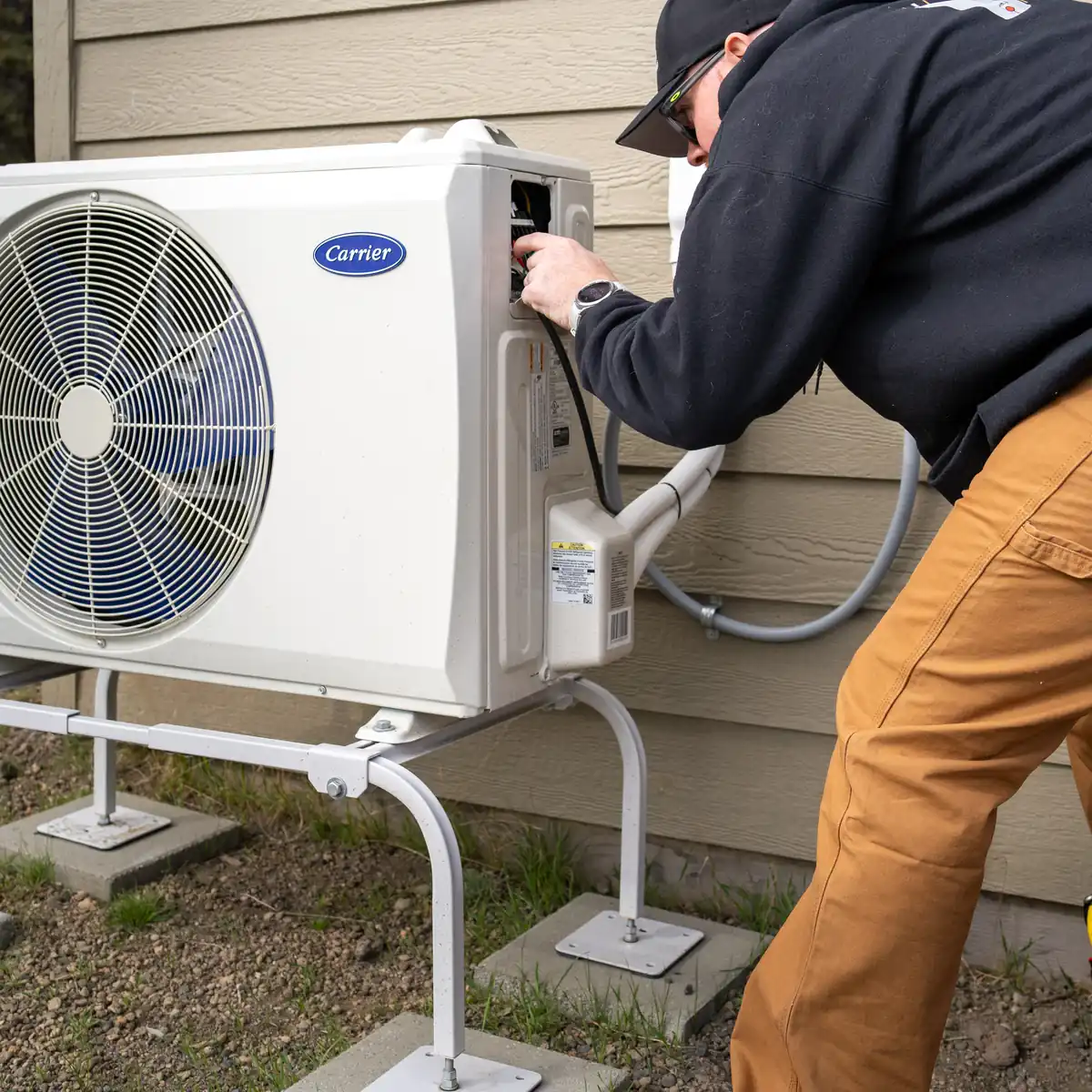
A soft humming noise and water pooling around your AC unit are signs that your AC pump is not working properly. Besides causing safety shutdowns, a malfunctioning AC pump can also lead to mold growth and water damage. By reaching out to Central Oregon Heating, Cooling, Plumbing & Electrical, you can quickly get the problem diagnosed and repaired. If your AC pump is not working properly, scheduling air conditioning services early can help prevent water damage and more costly repairs.
What Is an AC Pump?
When homeowners refer to an AC pump, they’re normally talking about the condensate pump. These pumps aren’t installed in every AC system. They are designed to pump condensate through the drain line so that it exits your home. This liquid is generated due to water condensing on the evaporator coil as a normal part of the cooling process.
In some homes, these pumps aren’t necessary because the slope of the drain line is enough that gravity allows condensate to flow through the drain line. If your AC unit is in the basement or a similar location, the pump is necessary to transfer water against the pull of gravity. If your cooling system isn’t draining properly, professional air conditioner repair can identify whether the condensate pump or another component is causing the issue.
Signs Your AC Pump May Not Be Working
As a homeowner, there are a few signs you should look out for that indicate your AC pump is not working.
- There is water leaking around the indoor unit.
- The drain pan has standing water.
- You smell a musty odor near the air handler.
- The AC shuts off unexpectedly.
- Your AC isn’t removing humidity effectively.
- You noticed a gurgling noise or an unusual humming sound.
- The pump runs nonstop.
Common Causes of AC Pump Failure
Before you can begin any AC condensate pump troubleshooting, you first need to figure out why the condensate pump is not working.
- Clogged Condensate Drain Line or Discharge Line: If the drain line or discharge line is clogged, the reservoir will fill up and trigger the safety switch to shut down the unit.
- Dirty or Blocked Condensate Pump: Sludge, mold, and debris can end up blocking the pump and preventing it from working.
- Float Switch Problems: A malfunctioning float switch won’t trigger the pump to turn on. This can occur if slime builds up and causes the switch to remain stuck.
- Pump Motor Failure: Worn-out bearings and normal wear can end up causing the pump motor to stop working.
- Electrical Power Issues: If the condensate pump is plugged into the wall and not hardwired in, it may have come unplugged. Similarly, loose wiring and tripped breakers can also cause this problem.
- Improper Installation: Drain lines need the proper slope and pitch to function well. If it is improperly installed, the pump will have to work harder, leading to premature breakdowns.
- Age and Normal Wear: Even with the best care, an AC pump will eventually need to be replaced. Routine AC maintenance can help identify drainage problems before they lead to water damage or unexpected system shutdowns.
How a Faulty AC Pump Can Affect Your Cooling System
The AC drain pump is an essential part of your cooling system. If it fails, you may develop mold and mildew growth. Overflowing reservoirs can cause water damage and increased indoor humidity. In turn, these issues can result in damage to your ceilings, flooring, and drywall.
AC pumps are generally equipped with safety switches that kick in when the water level gets too high. This safety switch triggers the entire AC to shut off immediately, so a faulty pump can lead to an uncomfortably warm home in the summer. Excess moisture from a failed condensate pump can contribute to mold growth and poor indoor air quality.
Safe Troubleshooting Steps Homeowners Can Try
While some heating, ventilation, and air conditioning (HVAC) repairs should be left to the experts, there are some troubleshooting steps you can take on your own.
- Check the Thermostat: First, verify that your thermostat is set to the appropriate temperature and mode.
- Inspect the Drain Pan: Check the drain pan to see if it is cracked or overflowing.
- Look for Visible Water Leaks: Note any puddling or moisture around the unit.
- Check the Circuit Breaker: See if the breaker has tripped. If it has, you can reset it once. For repeatedly tripped breakers, leave the breaker off and call for professional diagnostics.
- Verify the Condensate Pump Has Power: See if the pump is plugged in. For hardwired pumps, you can try pouring water in the reservoir to see if the float switch triggers the pump to start. If it doesn’t activate after adding water, you may be dealing with a faulty motor, a failed float switch, or an electrical malfunction.
- Inspect the Discharge Tubing: Verify that the discharge tubing is open and unblocked.
- Replace the HVAC Air Filter: Clogged air filters can reduce airflow and cause frozen coils. To keep your system working at its best, clean or replace the air filter every 30 to 90 days.
- Know When To Stop Troubleshooting: If these HVAC troubleshooting steps don’t work, it’s time to call our team for AC repairs in Bend, OR. Left untreated, minor repairs can escalate into complex problems if they aren’t diagnosed. For your safety, you should never try to fix any repairs that involve mechanical parts, refrigerants, or electrical components on your own. Prevent many drainage related problems with a regular HVAC maintenance plan that includes inspections and seasonal tune-ups.
When To Call an HVAC Professional
If you notice the following symptoms, it is time to schedule an AC repair in Redmond, OR.
- The condensate pump won’t turn on.
- The AC is leaking water and won’t stop.
- The pump motor is making loud sounds.
- The drain line keeps clogging.
- The float switch repeatedly shuts down your AC.
- You’ve tried basic troubleshooting, but nothing has helped.
Repair vs. Replace: What’s the Better Option?
Once you reach out to our experienced HVAC technicians, one of our team members will carefully evaluate your system to determine what the problem is. Then, we’ll help you determine whether a repair or replacement is the best choice.
Many condensate pump problems are related to a clogged drain or discharge line, stuck float switches, and algae buildup. In these cases, we can easily perform a condensate pump repair to fix the issue.
However, there are situations where a condensate pump replacement is necessary. If the pump is already approaching five years old, has required previous repairs, or has a faulty motor, a replacement may be the best option. If your condensate pump has failed repeatedly or your cooling system is nearing the end of its lifespan, it may be time to consider an AC replacement.
How To Prevent AC Pump Problems
In the future, you can prevent potential repairs by performing a few routine maintenance tasks.
Schedule Annual AC Maintenance
One of the most important things you can do to avoid AC repairs is schedule an annual tune-up each spring. During the tune-up, our team will inspect your unit, clean components, tighten loose connections, lubricate moving parts, and run performance tests. If there is an issue, we can detect it before it escalates into a major problem.
Flush the Condensate Drain Line Regularly
Clogged drain lines are a common reason why AC pumps stop working. By flushing the drain line regularly, you can prevent algae and mold buildup from blocking the line.
Replace Air Filters on Schedule
While the exact schedule will vary based on the manufacturer and your usage patterns, air filters should generally be replaced every 30 to 90 days.
Keep the Drain Pan Clean
Dirt and algae can build up in drain pans. Eventually, this can clog your drain lines and lead to safety shutdowns. To avoid water damage and inconvenient breakdowns, clean out the drain pan as part of your HVAC maintenance.
Inspect the Condensate Pump Before Cooling Season
Before the cooling season arrives, check to see if your condensate pump is working properly. You can wait for it to kick on normally or pour water into the reservoir to test the float switch.
Address Small Drainage Issues Early
Minor problems can quickly escalate. Drainage issues can strain the pump, lead to water damage in your home, and result in more costly repairs if you don’t deal with them right away.
Why Condensate Pump Problems Often Occur During Summer
During summertime, Central Oregon homes are more likely to experience an AC pump not working properly. Longer cooling cycles and increased moisture removal strain the pump. Dust and algae buildup are also common problems in the summer. If maintenance hasn’t been performed during the spring and early summer, the AC may struggle to keep up during intense heatwaves.
By scheduling spring tune-ups, you can remove algae and dust in your system. Routine tune-ups are the best way to fix minor issues and prevent HVAC failures from happening.
Why Homeowners in Bend & Redmond Trust Central Oregon Heating, Cooling, Plumbing & Electrical
Residents throughout the Bend and Redmond area turn to Central Oregon for a few key reasons.
- Experienced HVAC Repair Technicians: Our HVAC technicians have years of experience, so we understand what local homes need.
- Thorough Cooling System Diagnostics: We use the latest diagnostic tools and tests to detect hidden HVAC problems.
- Honest Recommendations: Our team isn’t here to sell you on a product. As your trusted advisor, we’re here to lend our expertise when a disaster strikes and provide reliable guidance.
- Fast Response Throughout Central Oregon: When your HVAC system stops working, you can turn to us for 24/7 emergency repairs.
- Preventative Maintenance Expertise: Through our routine maintenance, you can prevent future repairs from becoming necessary. Learn more about our experienced HVAC team and our commitment to homeowners throughout Central Oregon.
Frequently Asked Questions About AC Pumps
What does an AC pump do?
An AC condensate pump is designed to remove water produced by your HVAC system so that it doesn’t overflow and damage your home. Once water reaches a certain level, the float switch activates the pump’s motor. Then, the pump pushes water through the discharge tube and out the discharge point.
Why is my AC pump not working?
When an air conditioner pump is not working, it is often due to a stuck float switch, blocked check valve, or clogged drain line. The pump may also stop working properly if there is a tripped breaker, faulty motor, or unplugged power cord. While you can troubleshoot tripped breakers, unplugged cords, and clogged drain lines on your own, other issues should be addressed by a professional.
Can a clogged drain line stop my AC?
Absolutely. If the drain line is clogged, water will not be able to drain from your AC. This eventually triggers the safety float switch to shut down your entire unit to prevent water damage. By cleaning the drain line, you can fix the underlying problem.
How do I know if my condensate pump is bad?
Your AC condensate pump may be reaching the end of its lifespan if it does not switch on when the float rises. You can test it by pouring water in the reservoir and waiting to see if the pump activates. Additionally, you may notice a humming noise without any water movement, water pooling around the unit, and frequent AC shutdowns.
Can I replace a condensate pump myself?
No, this is a problem that should be left to the professionals. It involves disconnecting and reconnecting electrical wiring and water lines, so there is a risk of electrical shock and water damage if this replacement isn’t done properly.
How long does an AC condensate pump last?
On average, an AC condensate pump will last around 5 to 10 years. A high-quality brand can last over 10+ years if it is well cared for.
Why is water leaking from my indoor AC unit?
Water can leak from your indoor AC unit if you have a frozen coil, clogged condensate drain line, or damaged drain pan. You can troubleshoot by changing the air filter and clearing the drain line. If these maintenance tasks don’t solve the problem, you should shut off the AC to avoid additional water damage and call our team for professional repairs.
Schedule AC Repair Today
If your AC pump is not working, Central Oregon offers the diagnostic services and emergency cooling repairs you need to keep your home cool. From preventative maintenance to drain line cleaning, we can help you maintain your AC and avoid future issues. Ready to stop water damage and restore your comfort? Stop water damage before it becomes a costly repair. Schedule your AC inspection today.
Service Request
"*" indicates required fields