Best Mini Split Temperature Settings for Winter and Summer in Central Oregon
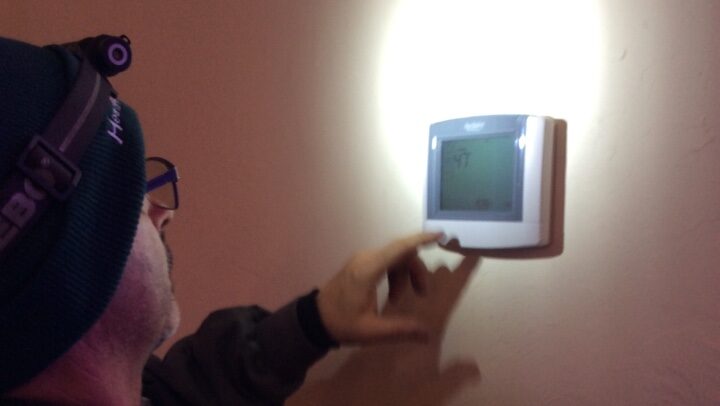
Whether you want to stay cool all summer or need an energy-efficient source of wintertime heat, ductless mini splits are an effective option for Central Oregon homes. These units are able to modulate their power output, so they can optimize your home’s comfort with less energy consumption.
To get the most out of these systems, you need the right mini split temperature settings. Unlike furnaces and central air conditioners, these units work best when they are set at a consistent level.
Learn more about your unit’s optimal temperature settings by reading on.
How Mini Split Systems Work
Mini splits are a type of heat pump. Like heat pumps, they rely on refrigerant lines to transfer heat from one area to another. In the winter, heat is absorbed outside and transferred into your home. Then, the mini split switches direction in the summer to move heat outdoors.
A mini split uses an inverter, which allows it to adjust the output level up or down. Instead of simply being off or on, it can modulate its output and operate at a low level. Because of this, it is more efficient to set consistent temperatures than it is to use drastic temperature swings.
Best Mini Split Temperature Settings for Winter
To learn how to use a mini split properly in Redmond, the first step is understanding how to use “heat” mode correctly. You should avoid extreme temperature swings because your mini split will struggle to heat your home back up. Instead, optimize your energy efficiency by maintaining a fairly stable temperature level.
As a general rule, you need to set your nighttime temperature about 3°F to 6°F colder than your daytime settings. If this feels too chilly, you can adjust by 1°F each night until you find the right level.
The following list includes the best temperatures for mini splits in winter in Bend. However, you can adjust to match your family’s personal comfort and energy-efficiency preferences.
- Home: 68°F to 70°F
- Away: 60°F to 64°F
- Sleep: 62°F to 66°F
Best Mini Split Temperature Settings for Summer
When deciding on the right Bend mini split settings for summer, it’s important to balance your cooling needs and energy costs. Thanks to our low humidity levels in the summer, mini splits can focus entirely on cooling the home instead of removing moisture from the air.
For the best balance of comfort and energy efficiency, it’s a good idea to set your fan settings so that your fan runs for 10 to 15 minutes every hour if this is an option on your thermostat. This allows air to circulate and helps you feel cool without having to spend money on additional cooling. If you are unable to have your fan on for a set amount each hour, you can turn it to “auto” mode instead. This mode turns the fan on automatically whenever your mini split is heating or cooling your home.
In Central Oregon, you’ll generally find that the best mini split temperature settings are:
- Home: 76°F to 78°F
- Away: 80°F to 82°F
- Sleep: 72°F to 75°F
How To Maximize Efficiency Year-Round
By taking advantage of a few Bend and Redmond ductless mini split efficiency tips, you can ensure year-round comfort for your loved ones.
- Avoid Constant Adjustments: Because of its inverter technology, a mini split will work best at a consistent temperature. Making constant adjustments to the thermostat causes your mini split to work harder and leads to higher energy bills.
- Use a Programmable or Smart Thermostat: When you’re asleep or away, the temperature should be different than when you’re at home. With a programmable or smart thermostat, you can use different settings for different times of the day. This allows you to optimize your family’s comfort and save on energy costs.
- Keep Your Air Filters Clean: A clogged air filter reduces airflow. Besides negatively impacting your family’s comfort, a dirty filter can result in higher energy costs and increased wear on your unit. While each manufacturer has different policies, you’ll generally need to change or clean your filter every 30 to 90 days. During periods of peak usage, this should be done more frequently.
- Ensure Proper Airflow and Placement: If your mini split is in the wrong location or a vent is closed, air won’t flow through your home as it should. Often, people will cool or heat their home extra to make up for the difference, leading to a decline in efficiency. By optimizing your airflow, you can achieve the best level of comfort and efficiency.
Common Mini Split Mistakes To Avoid
To maintain your family’s comfort, remember to avoid frequent mini split mistakes.
- Setting the Temperature Too High or Low: Mini splits are designed to run at a constant level. If you set an extreme temperature, your mini split will struggle to recover the temperature difference.
- Turning the System on and off Frequently: Similarly, you should avoid turning your mini split on and off too often. This makes it work harder to catch up, which leads to more energy consumption. You’ll save money by keeping your mini split on at a comfortable, consistent level.
- Ignoring Maintenance: The best way to avoid repairs, improve your energy efficiency, and maximize the lifespan of your HVAC system is by performing routine maintenance. As a homeowner, you should clean your air filters and the area around your outdoor unit. We also recommend scheduling a springtime cooling tune-up and fall heating tune-up with one of our HVAC technicians.
- Blocking Airflow: Closing vents or placing furniture in front of vents can block airflow. This forces your unit to work harder and results in higher energy costs.
How Climate in Central Oregon Affects Settings
When selecting the ideal thermostat settings for heat pumps in Bend, it’s important to consider our unique climate. Cold winters, warm summers, high elevation levels, and a dry climate mean that your thermostat settings need to adjust seasonally in order to achieve the best efficiency balance.
Cold Winters
In Central Oregon, our winters can be quite cold. Instead of having a major setback when you’re away or asleep, you should keep the setback moderate. Extreme temperature variations throughout the day can lead to wasted energy, and your mini split may struggle to return to the set temperature.
Warm Summers
During our warm summers, it is important to avoid extreme setbacks. If your mini split has difficulties cooling during peak heat, you can pre-cool it a few degrees colder before the hottest part of the day arrives. Closing your blinds and turning your ceiling fans on can also help you save money on energy while enjoying the same level of comfort.
A Dry Climate and High Elevation
With an elevation of over 3,600 feet above sea level, Bend is considered a high-desert climate. Efficiency drops at higher elevations, so homes need mini-splits with a higher capacity.
Mini splits are known for being effective in dry climates, making them ideal for Redmond and Bend. However, homeowners should remember to use “cool” mode instead of “dry” mode. If the air is already low in humidity, reducing the humidity further can lead to uncomfortably dry air.
When To Call a Professional
Most mini-splits don’t break down without some type of prior warning. Unusual sounds, weird smells, and reductions in performance are all signs that you need to perform maintenance or repairs on your unit. We recommend calling for help immediately if you notice the following issues.
The System Can’t Maintain Your Ideal Temperature
If your mini split can’t keep up on extremely hot or cold days, you should give us a call. We can evaluate your system to make sure it has the right capacity for your home. Additionally, we can inspect it to see if repairs are needed.
Your Energy Bills Have Jumped Inexplicably, Despite the Optimal Settings
After adjusting to energy-optimized settings, your energy bills should go down. If outdoor temperatures are consistent and your energy bills have still surged, something is wrong with your mini split.
Your Home Has Uneven Heating or Cooling Performance
Your mini split should be able to achieve consistent performance. If you have hot and cold spots in your home or inconsistent temperatures during the day, we need to check your HVAC system for airflow and performance issues.
Mini Split Services in Bend & Redmond, OR
Whether you need help with a new installation or routine maintenance, Central Oregon Heating, Cooling, Plumbing & Electrical is only a phone call away.
Mini Split Installation
Our team can evaluate your home’s heating and cooling load needs. Once we’ve determined the right unit size, we can schedule your installation. On the scheduled day, our team will arrive with a fully stocked truck and all of the equipment they need to get started.
Mini Split Repairs
Even with the best equipment and installation work, mini splits will eventually need repairs as they get older. When disaster strikes, our team offers 24/7 emergency services and comprehensive repairs.
Mini Split Maintenance
Routine maintenance is one of the most important things you can do to prevent future repairs and efficiency issues. At Central Oregon, we offer a convenient membership plan that includes complimentary tune-ups, discounts, and special promotions.
Ready to optimize your HVAC system? Schedule a mini split tune-up or consultation today.
FAQs
What temperature should I set my mini split to in winter?
It depends on whether you are at home, away, or asleep. For at-home settings, you’ll likely get a good balance of energy efficiency and comfort at a temperature range between 68°F and 70°F. When you’re sleeping or away from home, a temperature setting around 64°F is generally an effective option.
What is the most efficient temperature for cooling?
The most efficient mini-split temperature setting in the summer is between 75°F and 78°F when you are at home. When your family is away at work and school, you can bring the temperature up to 80°F.
Should I leave my mini split on all the time?
In the majority of cases, it’ll be more energy efficient and convenient to leave your mini split on all the time. Mini split systems are designed with inverter technology, which allows them to modulate the power output. Rather than just being off or on, they can drop to a lower power mode. This allows the unit to maintain your indoor temperature without using a lot of energy.
What is the 20° rule for HVAC systems?
As a general guideline, you should not cool your indoor temperature more than 20°F from the outdoor temperature. That means that your indoor temperature should be a minimum of 80°F if it is 100°F outside. Otherwise, it puts too much strain on your HVAC system and leads to significantly higher energy costs.
Is a mini split cheaper to install than a heat pump?
Yes and no. A single mini split is much cheaper to install than a heat pump. However, a single mini split is designed to cool just a single zone and not your entire home. If you need whole-home cooling, a heat pump will be much more affordable.
Maximize Your Home’s Year-Round Comfort
Whether you want to install a mini split or have questions about your mini split temperature settings, our team can help. As a locally based team, we have spent years working with Central Oregon homes. We understand the best HVAC options for our local climate and how to keep your unit in optimal condition.
Optimize your comfort and energy efficiency with a professional mini split tune-up. Contact us today!
Service Request
"*" indicates required fields