When to Replace Your Heat Pump in Central Oregon
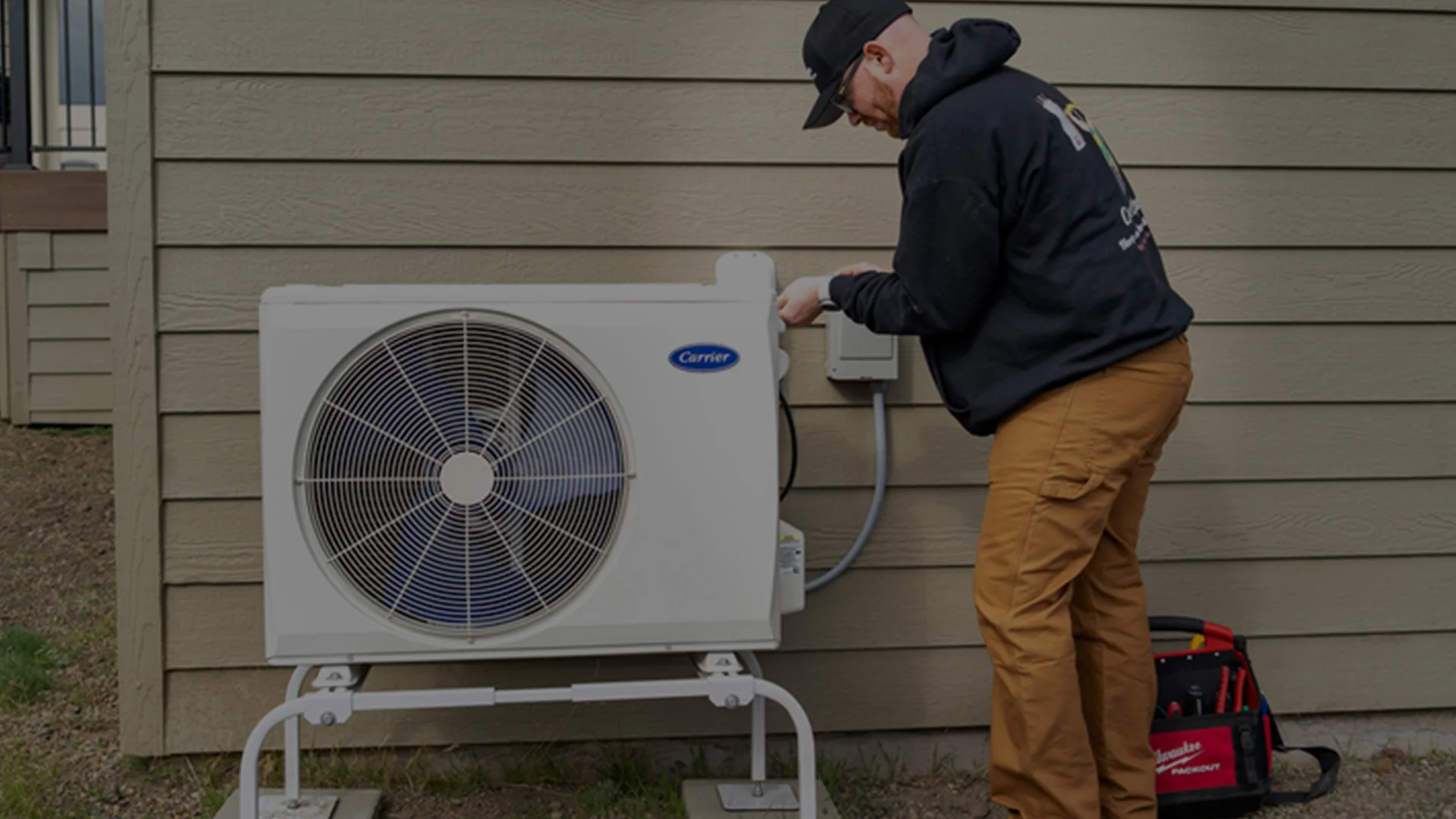
While a well-maintained heat pump can last for many years, even the best units can eventually break down. Even though an older unit is more likely to need a replacement, age is merely one factor to consider when deciding whether you need a heat pump repair vs. a replacement.
At Central Oregon Heating, Cooling, Plumbing & Electrical, our team can assess your heating, ventilation, and air conditioning (HVAC) system. Then, we can help you determine whether you need to repair or replace your heat pump in Bend, Oregon.
How Long Do Heat Pumps Typically Last?
So, how long do heat pumps last in normal circumstances? In most cases, a residential heat pump installation will last between 10 and 15 years, although this varies based on the maintenance history, installation quality, and proper sizing. A poorly maintained, badly installed, or undersized unit will have to work longer to reach the same temperature, resulting in more wear.
Heat pumps provide both heating and cooling, so they may operate throughout much of the year. System usage, maintenance, installation quality, and operating conditions all influence equipment wear and lifespan. For all of these reasons, age alone is merely one factor in determining a heat pump’s lifespan.
7 Signs It’s Time to Replace Your Heat Pump
For a better understanding of when to repair or replace a heat pump installation in Bend, Oregon, check out the following top signs your heat pump needs replacement.
1. Your Heat Pump Is 10–15 Years Old or Older
Older equipment is more likely to experience declines in energy efficiency and performance, so it’s worth considering a replacement. However, a well-maintained older heat pump may be worth repairing if it still runs well.
2. Your Heat Pump Requires Frequent Repairs
Frequent breakdowns and recurring component failures may make replacement worth considering, especially when repair costs increase or the system is approaching the end of its expected service life.
3. Your Energy Bills Keep Increasing
If you’ve eliminated energy use, weather, or utility rates as the cause, a rising energy bill may reflect declining HVAC efficiency.
4. Your Home Has Uneven Heating or Cooling
Hot and cold spots or problems maintaining the indoor temperature indicate a potential issue with your ductwork, insulation, airflow, thermostat, or heat pump.
5. Your Heat Pump Makes Unusual Noises
Grinding, rattling, or other noises indicate a mechanical or component issue, which must be properly diagnosed to determine if a repair, maintenance, or a replacement is needed.
6. Your Heat Pump Has a Major Component Failure
Major component failures, such as a faulty compressor or refrigerant-system failures, may necessitate a replacement. Repair complexity and parts availability can also impact whether repairs make sense.
7. Your Heat Pump No Longer Meets Your Home’s Comfort Needs
If you’ve renovated your home, installed a home addition, or made other changes, your heat pump’s capacity or configuration may be outdated for your home’s needs.
Heat Pump Repair vs. Replacement: Which Is Better?
To decide between repairs or a heat pump replacement in Bend, OR, you should consider the heat pump’s age and repair history. An older unit, declining equipment condition, and frequent repairs often make a new heat pump installation a better option. Similarly, declines in comfort, energy efficiency, or reliability affect the long-term value of your current unit.
The cost of the current repair is also a major factor in deciding whether to repair or replace. As the price of repairs goes up, replacing the heat pump becomes a more appealing choice. In comparison, low-cost repairs or maintenance are often worth performing.
As a homeowner, you should consider the remaining service life of the unit and not just the repair cost. If the heat pump will likely only last a couple of years, costly repairs may not be worth it. Meanwhile, a new unit can often stay in service for many years if it is properly maintained.
For a breakdown of the factors that go into a repair-vs.-replace decision, check out the table below.
| Factor | When a Repair May Make Sense | When Replacement May Make Sense |
|---|---|---|
| Heat Pump Age | The system is relatively new or in fairly good condition. | The system is older or unreliable. |
| Repair Frequency | Breakdowns seldom occur. | Repairs are increasingly frequent, with multiple major repairs in the last two years. |
| Repair Costs | The repairs are relatively inexpensive, especially when compared to the cost of a new unit. | The repairs are expensive, making a replacement unit a more appealing option. |
| Heating and Cooling Performance | Your heat pump maintains a comfortable temperature in your home. | Your heat pump struggles to keep up, or there are uneven temperatures in different rooms. |
| Equipment Condition | The equipment is in good condition overall, with a limited history of repairs. | Major components are failing, or the equipment is in poor overall condition. |
| Energy Efficiency | Your energy bills have remained consistent. | Your energy bills have increased, despite no corresponding change in usage. |
| Long-Term Reliability | The heat pump has remained reliable over the years. | Your heat pump is unreliable and frequently breaks down. |
If your system is relatively new and the problem is limited to a repairable component, professional heat pump repair and maintenance may help restore reliable heating and cooling without replacing the entire system.
How Central Oregon’s Climate Affects Heat Pump Replacement Decisions
Because of our cold winter temperatures and warm summers, we rely on heat pumps for heating and cooling. The year-round demand places extra wear on units. Local homeowners also have to consider snow clearance for outdoor units, the impact of seasonal dust and debris on maintenance, and backup or auxiliary heating options for cold weather. For Bend and Redmond homes, it’s important to evaluate a heat pump’s heating capacity and efficiency at colder outdoor temperatures. Cold-climate models may be suitable, but system selection should also consider the home’s heating load and any auxiliary heating requirements.
Because heating needs vary between homes, exploring your heating system options can help you understand how a heat pump compares with other solutions for Central Oregon’s colder temperatures.
What Should You Consider Before Installing a New Heat Pump?
Before installing a heat pump in Bend, OR, you should consider a few key factors.
Proper Heat Pump Sizing
Proper heat pump sizing requires a heating and cooling load calculation that considers square footage, window size and orientation, insulation, air leakage, local climate, and other building characteristics. An oversized heat pump may short-cycle, while an undersized system may struggle to maintain comfortable temperatures during peak heating or cooling conditions. Properly sized variable-speed systems may operate for extended periods without indicating a problem.
Heat Pump Efficiency Ratings
The seasonal energy efficiency ratio 2 (SEER2) represents a heat pump’s efficiency over the entire cooling season, while its heating seasonal performance factor 2 (HSPF2) shows its heating efficiency over the entire heating season. Both of these ratings matter because Bend and Redmond homes require efficient cooling and heating.
Ducted vs. Ductless Heat Pumps
Ducted heat pumps are often ideal if you already have ductwork in good condition and want to distribute conditioned air throughout your home. Ductless options work well for homes that need individualized zones or that do not have existing ductwork.
Existing Ductwork and Electrical Capacity
As you consider a new heat pump, you should also think about whether your existing ductwork supports the new system. You may also need electrical panel or circuit upgrades and installation modifications.
If your existing electrical system cannot support the new equipment, professional electrical services may be needed to evaluate circuit capacity and determine whether modifications are required.
What Happens During Heat Pump Replacement?
Our professional heat pump installation and replacement services include evaluating your existing system, selecting appropriate equipment, and completing the installation and performance testing. During a heat pump replacement, our team will perform the following tasks.
- Perform heat pump inspection and home assessment.
- Calculate heating and cooling load and equipment sizing.
- Evaluate existing equipment, ductwork, and electrical systems.
- Remove old equipment.
- Install indoor and outdoor components.
- Make refrigerant, electrical, and control connections.
- Test performance and operations.
- Walk you through thermostat settings and maintenance requirements.
How Much Does Heat Pump Replacement Cost in Central Oregon?
When you reach out for a heat pump service, our team will create a full estimate. Your heat pump estimate will vary based on your heat pump’s size, capacity, efficiency, cold-climate performance, ductwork needs, electrical modifications, permit and inspection requirements, equipment compatibility, and installation complexity. Eligible homeowners may be able to reduce installation costs through available rebates or incentives, depending on current program requirements and equipment eligibility.
Can Regular Heat Pump Service Help Delay Replacement?
By scheduling regular heat pump maintenance in Bend, OR, you can reduce the likelihood of future breakdowns. Regular heat pump service can help you avoid unnecessary wear on your components. It also allows us to catch minor issues before they escalate. During routine maintenance, our team will perform the following tasks.
- Replace or clean filters.
- Assess your electrical and mechanical systems.
- Inspect condensate drainage.
- Check your airflow and system operation.
- Inspect your indoor and outdoor coils.
- Check refrigerant system performance and evaluate refrigerant charge when indicated, following manufacturer specifications.
While regular heat pump service cannot prevent every breakdown or guarantee a longer lifespan, it can improve your unit’s reliability and performance.
When Should You Schedule a Professional Heat Pump Inspection?
By reaching out for a professional inspection, you can determine whether it makes sense to schedule a maintenance appointment, perform repairs, or replace the entire unit. We recommend scheduling a professional heat pump inspection in the following situations.
- Your heat pump is not heating your home appropriately during the winter.
- The heat pump is not cooling your home adequately in the summer.
- You have noticed unusual noises.
- The system appears to be operating differently than normal.
- Your energy bills have jumped for no explainable reason.
- You are uncertain if it is worth it to repair or replace older equipment.
- Your heat pump is experiencing major component problems.
- You are experiencing lower airflow or uneven temperatures.
Why Homeowners in Bend & Redmond Trust Central Oregon Heating, Cooling, Plumbing & Electrical
Local homeowners turn to Central Oregon Heating, Cooling, Plumbing & Electrical because of our experienced heat pump technicians, professional inspections, and thorough diagnostics. We can help with system sizing and equipment recommendations for all of your heat pump installations and replacements. Whether you’re looking for heat pump repairs or preventative maintenance, we offer the heating and cooling services you need throughout Bend, Redmond, and the surrounding Central Oregon communities.
Frequently Asked Questions About Heat Pump Replacement
How do I know when my heat pump needs replacing?
You can tell when to replace your heat pump by paying attention to comfort changes, rising energy bills, and the frequency of repairs.
Is it worth repairing a 10-year-old heat pump?
Age is only one factor. It may make sense to repair a heat pump that is properly maintained, delivers even comfort levels, and requires minimal repairs. If you’re facing high repair costs, more frequent repairs, declining comfort, or increasing energy bills, it may be time for a replacement.
Can a heat pump last 20 years?
It can, although many heat pumps experience a performance decline with age. The best way to know if your heat pump is still functioning at its best is by scheduling an inspection.
Should I replace my heat pump if it still works?
It depends on multiple factors. Unless your heat pump requires frequent or costly repairs, causes high energy bills, or performs poorly, you can likely continue to use it.
Will a new heat pump work during cold Bend winters?
Yes. Modern, cold-climate heat pumps work well during our Central Oregon winters. Our team can evaluate the appropriate heat pump size and type for your home.
Can I replace my heat pump without replacing the ductwork?
In some cases, yes. It depends on whether your ductwork is leaky or damaged. Additionally, the ducts must be appropriately sized for the heat pump. Our team can evaluate your ductwork before installing your new heat pump and help you determine if duct sealing, repairs, or a full replacement is necessary.
How long does heat pump replacement take?
It depends on the complexity of the project, including how accessible the installation location is and whether ductwork must also be replaced. Heat pump replacement timelines depend on the equipment, installation complexity, and any necessary ductwork or electrical modifications. A straightforward replacement may be completed within a day, while more extensive installations can take longer.
Is heat pump replacement more energy-efficient than repairing an older system?
Modern heat pumps tend to be more energy-efficient, especially if your older heat pump’s performance is starting to drop.
Schedule Heat Pump Installation & Replacement in Bend & Redmond
Not sure whether your heat pump needs repair or replacement? At Central Oregon Heating, Cooling, Plumbing & Electrical, we can evaluate your heat pump installation and determine if a repair or replacement is necessary. With our same-day service, upfront pricing, and flexible financing, we make planning your HVAC upgrades as easy as possible. Schedule a professional evaluation today.
Service Request
"*" indicates required fields