When To Replace Your AC in Central Oregon
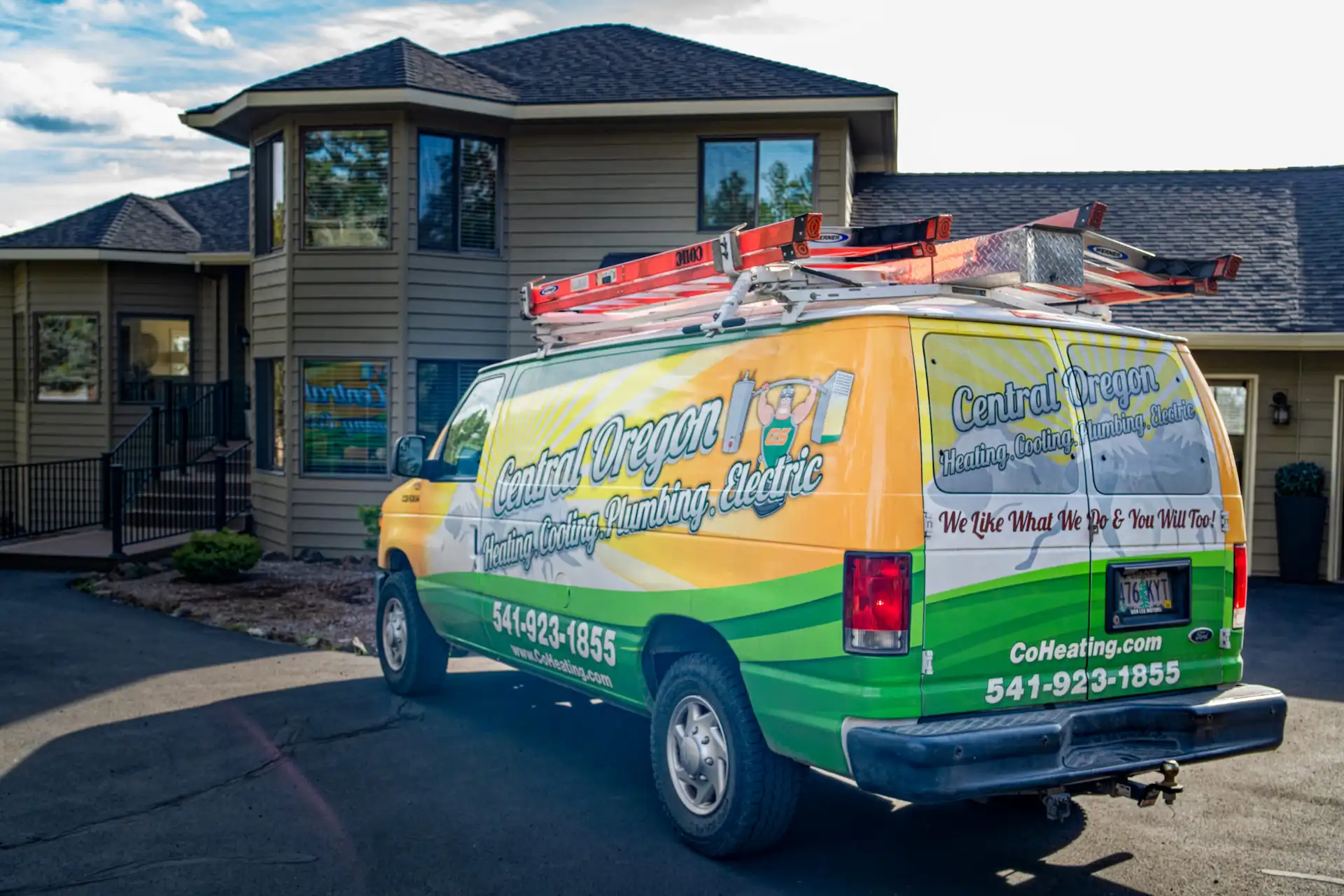
While routine maintenance can extend the lifespan of your AC, even the best air conditioning unit won’t last forever. As a homeowner, there are a few common symptoms that will let you know when to replace your AC. When in doubt, our heating, ventilation, and air conditioning (HVAC) technicians can evaluate your existing setup and let you know when you need an air conditioning replacement.
Read on to learn more about the common signs you need an AC replacement.
How Long Do Air Conditioners Last?
While consistent care, climate conditions, and usage patterns can impact the lifespan of your unit, most modern air conditioning systems last a similar amount of time.
The Average Lifespan of Modern AC Systems
So, how long do AC units last? On average, an air conditioner unit will last around 10 to 20 years before it must be replaced. Frequent filter replacements, routine maintenance, installation quality, usage patterns, proper sizing, and the climate can all shorten or extend the lifespan of your unit.
How Central Oregon’s Climate Affects AC Lifespan
Because of our local climate, air conditioners may experience added wear. Drastic temperature swings place an added strain on ACs, especially during our dry summers. Meanwhile, the high dust levels can clog filters.
Why Maintenance History Matters
Your maintenance history also influences when your next air conditioning replacement will be. Maintenance helps to catch minor problems before they escalate, reducing the amount of wear on your unit and preventing costly repairs.
10 Signs It May Be Time to Replace Your AC
If you notice the following signs you need a new air conditioner, it’s time to schedule an evaluation.
- Your AC Is More Than 10–15 Years Old: Aging AC system signs, like poor energy efficiency and weak performance, indicate that it’s time to get an upgrade.
- Your Energy Bills Keep Increasing: When units start to fail, their power consumption gradually increases.
- Your Home Has Uneven Cooling: Uneven temperatures and airflow problems impact your family’s comfort and energy bills. Often, these symptoms appear toward the end of an AC’s lifespan.
- Your AC Needs Frequent Repairs: Repair costs can eventually outweigh the cost of a replacement, making a replacement a better option.
- Your System Uses R-22 Refrigerant: R-22 refrigerant has been phased out, so repair costs for these units will continue going up over time.
- Your AC Runs Constantly During Summer: A system that runs constantly in the summer is struggling to maintain your indoor temperature and may be reaching the end of its lifespan.
- You Notice Unusual Noises or Odors: Grinding sounds, mold odors, rattling noises, and burning smells are signs that something is seriously wrong with your unit.
- Your Indoor Humidity Feels Too High: Failing systems struggle to regulate your humidity, resulting in clammy air indoors.
- Your AC Struggles During Heat Waves: Aging systems often struggle during peak demand.
- Your Repair Costs Are Adding Up: Eventually, the cumulative cost of repairs may be higher than the cost of a replacement, making an AC replacement the more affordable solution.
Repair vs. Replace: How To Make the Right Decision
When your AC breaks down, an HVAC technician can help you decide when to repair vs. replace your AC.
The “$5,000 Rule” Explained
After you get an estimate for repairs, multiply the repair cost by your unit’s age. If the result is higher than $5,000, it is often better to replace your AC.
When Repairs Still Make Sense
Even when the $5,000 rule says a replacement is better, there are times when repairs are the smarter choice. For example, a unit that is relatively young and has had minimal repairs before will likely have many years of use left if you repair it. Similarly, you may opt for AC repair service if you plan on moving in the near future.
When a Replacement Is the Smarter Investment
A replacement is generally a better investment if your AC is over the age of 10 or breaks down frequently. If your performance has dropped or your energy bills have jumped inexplicably, your unit is likely reaching the end of its natural lifespan. At this stage, a new unit is the better choice for energy efficiency, reliability, and long-term savings.
How To Compare Short-Term vs. Long-Term Costs
So, should I replace my AC unit? It depends on the short-term and long-term costs associated with a repair or replacement. A replacement generally has a higher upfront cost, but it provides lower energy bills and lower repair costs in the long run.
What Does AC Replacement Cost in Central Oregon?
To decide if you need a replacement, it helps to understand the different costs involved.
Average Installation Cost Ranges
You can typically expect a new air conditioner replacement to cost between $6,000 and $20,000.
Factors That Affect Replacement Cost
The cost of your next AC can vary based on your home size, capacity requirements, and equipment type. If you need ductwork installed, repaired, or replaced, the price will be higher. Additionally, higher efficiency ratings may cost more upfront, although they will save you money in the long run.
Ductwork, Sizing, and Efficiency Upgrades
Your AC sizing is based on the load capacity your home needs. An oversized AC will short-cycle because it reaches the appropriate temperature too quickly and shuts off. Over time, this causes added wear on your compressor and startup components. Similarly, undersized ACs become prematurely worn down because they stay on for extended periods.
An average home loses 20% to 30% of its conditioned air to leaks and gaps in the ductwork. To avoid energy loss, it’s essential to get a professional duct evaluation before you install a new unit.
Financing and Rebate Opportunities
Most homes don’t budget specifically for getting a new AC installation in Bend, OR. To make your replacement a little more affordable, we offer convenient financing plans. An energy-efficient AC replacement may also qualify for federal and local rebates.
Benefits of Replacing Your AC System
By getting a new air conditioner in Central Oregon, you can enjoy a few important advantages.
- Lower Monthly Energy Bills: Modern systems are more energy efficient, so you can spend less on your monthly energy bills.
- Better Indoor Comfort: Getting an air conditioning replacement can help you improve airflow in your home, boosting your AC performance and cooling consistency.
- Improved Indoor Air Quality: Your HVAC system plays a key role in filtering contaminants from the air, so an upgrade can enhance your air quality. Additionally, your AC removes humidity from the air as it cools your home.
- Quieter Operation: Modern systems can operate much more quietly than older systems, so you can enjoy having a more tranquil home.
- Smart Thermostat Compatibility: By upgrading to a smart thermostat, you can automate your temperature settings. These thermostats learn your preferences and can be programmed with different settings based on whether you are away, at home, or asleep. Plus, they are designed to optimize your energy consumption.
- More Reliable Cooling During Summer: Ultimately, the biggest reason to get an air conditioner replacement is for peace of mind when summertime heat waves arrive.
What Type of AC System Is Best for Central Oregon Homes?
There are a few different systems that you can install in your Central Oregon home.
Central Air Conditioning Systems
A central AC is ideal if you want a solution for your entire home. It works best if you already have existing ductwork and don’t require a new heating option as well.
Heat Pumps for Energy Efficiency
Heat pumps are increasingly popular because of their energy efficiency. They are also frequently eligible for federal and local rebates and energy-efficiency credits. Unlike air conditioners, heat pumps are able to heat and cool your home.
Ductless Mini-Splits
Ductless mini-splits use the same technology as heat pumps, but they don’t rely on ductwork. Like a heat pump, ductless mini-splits are incredibly energy efficient.
Choosing the Right Size System
The right system size is essential. Oversized systems reach the appropriate temperature too fast, leading to short cycling and excessive wear. By performing a load calculation, we can determine the right size for your home’s size, occupancy, window count, insulation levels, and similar factors.
When Is the Best Time to Replace an AC in Central Oregon?
For maximum convenience and flexibility, it’s better to replace your AC during the off-season.
- Why Spring and Fall Are Ideal: Because spring and fall are less busy, our certified HVAC technicians have better availability and scheduling flexibility.
- Avoiding Emergency Summer Replacements: More importantly, fall and spring replacements allow you to avoid peak-season repair stress and unnecessary delays.
- Off-Season Installation Benefits: During the off-season, homeowners can often access special promotions.
How Professional Installation Impacts AC Performance
Getting a professional installation is essential for getting an accurate load calculation and determining the right AC sizing. Through a duct evaluation, our team can optimize your airflow and home comfort. From protecting your manufacturer’s warranty to long-term reliability, a professional AC installation is essential.
Why Central Oregon Homeowners Trust Our Team
Redmond and Bend homeowners turn to our team for a few key reasons.
- Serving Bend, Redmond & Surrounding Communities: Our team understands the needs of Bend, Redmond, and the surrounding communities.
- Experienced Licensed HVAC Technicians: From industry certifications to noted professionalism, our HVAC technicians offer a high level of service and years of experience.
- Transparent Recommendations: We aren’t here to sell you on a product. Our team provides honest repair and replacement guidance.
- Financing and Maintenance Plans Available: Through our Greenshield Membership Plan and financing options, local homeowners can access more affordable services and gain long-term support.
Schedule Your AC Replacement Estimate Today
If you’re unsure about when to replace your AC, we can help. Our trusted HVAC technicians provide expert guidance, free estimates, and transparent services. From energy-efficient air conditioner replacements to convenient financing options, we go the extra mile to help you achieve your comfort goals.
Book your replacement appointment today.
Frequently Asked Questions About AC Replacement
How do I know if my AC should be repaired or replaced?
You should generally replace your unit if repairs are over half the cost of a new AC or the AC is already 10 years old. Our team will discuss your air conditioner replacement and repair options, so you can decide which path makes more sense.
Is it worth replacing a 15-year-old AC?
For most homes, it’s a good idea to get a replacement if an AC is already 15 years old. This is especially true if you are dealing with inexplicably high energy bills or frequent repairs. However, each situation is different, so it’s important to consult with an HVAC expert as you make your decision.
What is the best AC system for Bend and Redmond homes?
Variable-speed central ACs and energy-efficient heat pumps are the best cooling options for our local climate. Both of these designs offer excellent performance and energy efficiency for whole-home cooling. If you only need to cool a single room or zone, a ductless mini-split is a good alternative.
Can a new AC lower my electric bills?
In many cases, a new AC can reduce your electricity costs. ACs become less efficient as they age. Additionally, modern ACs are far more energy efficient than they were 20 or 30 years ago.
How long does AC installation take?
The average AC replacement in Central Oregon will take around four to eight hours to complete. While simple replacements often take under six hours, a complex project can last up to two days. It all depends on the location of the installation, ductwork installation needs, the system type, and how many additional upgrades are required.
Service Request
"*" indicates required fields