Blower Motor Not Working? Signs, Causes, and Troubleshooting
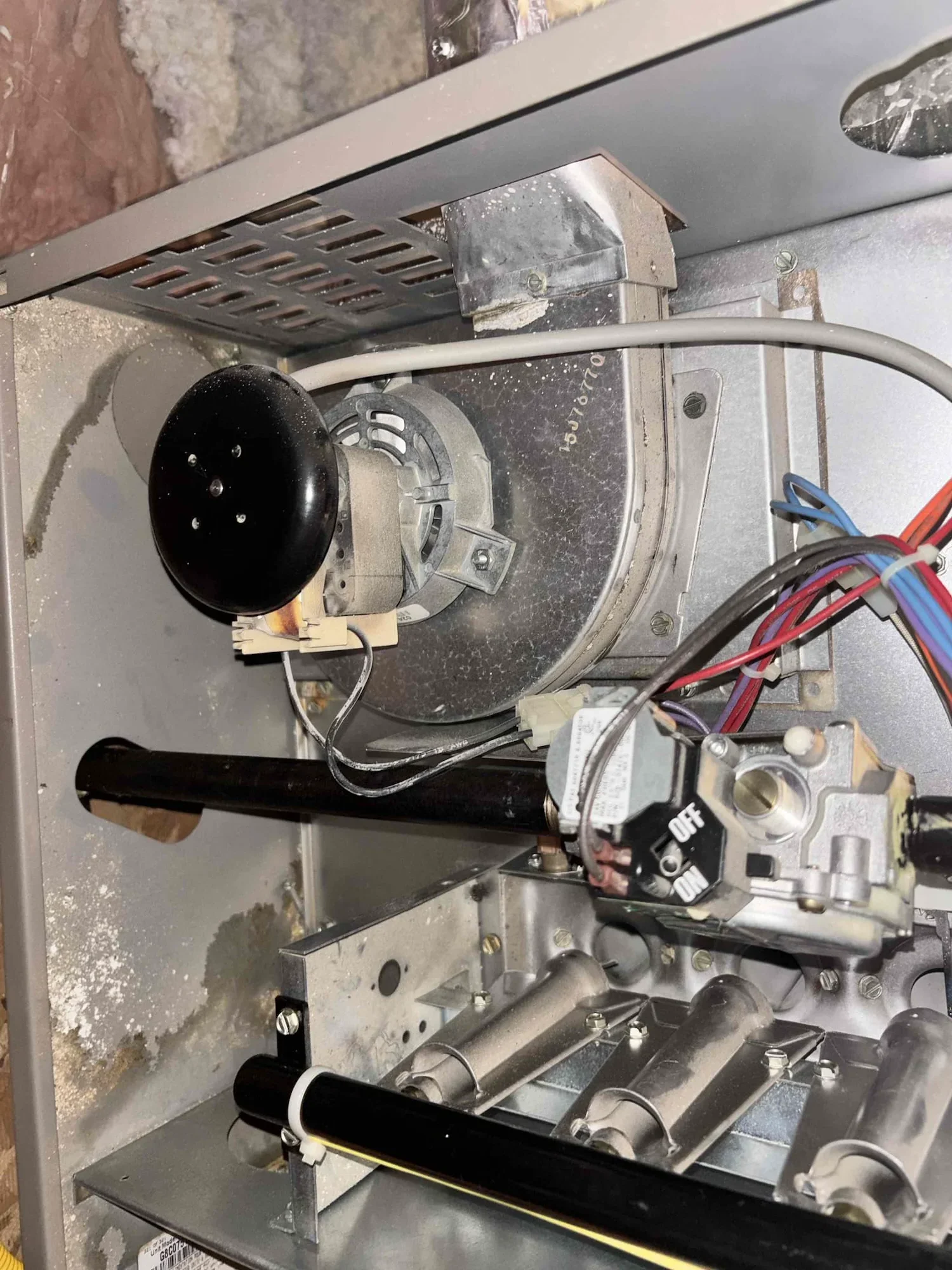
Through prompt heating, ventilation, and air conditioning (HVAC) troubleshooting, you can quickly determine the source of a problem and keep your family comfortable. When an HVAC blower motor is not working, you’ll often notice intermittent operation, poor airflow, and humming sounds.
Blower motor malfunctions can be due to a motor failure, malfunctioning controls, airflow restrictions, or electrical issues. While basic troubleshooting can be handled on your own, you’ll need to reach out to Central Oregon Heating, Cooling, Plumbing & Electrical for more complicated heating repair and diagnostic services.
What Does an HVAC Blower Motor Do?
A blower motor is responsible for moving air through a furnace or air handler, sending the air through your ductwork and into each room. The thermostat typically signals a demand for heating or cooling, and the system’s controls manage blower operation according to the equipment’s operating sequence.
Indoor blower motors are inside your furnace or air handler. They are designed to push air through your ductwork. In comparison, outdoor AC condenser fan motors draw outdoor air across the outdoor condenser coil to help with the release of heat. A problem with either motor can affect your heating and cooling system.
Many central forced-air systems use the same indoor blower for heating and cooling. With ductless mini-splits, the equipment configuration and indoor fans are set up differently.
7 Signs Your HVAC Blower Motor Is Not Working Properly
Here are seven warning signs that may indicate a blower motor problem.
1. Little or No Air Comes From the Vents
Electrical, control, or airflow problems can result in little or no air coming from the vents.
2. Blower Motor Hums but Does Not Spin
If the blower hums but does not spin, it may be due to a capacitor, motor, or electrical issue. With a permanent split capacitor (PSC), this issue may be due to a capacitor or mechanical failure. In PSC motors, humming without normal operation may indicate a failed capacitor or mechanical problem. ECM blower motors use a different electronic control design, so similar symptoms may result from motor, module, power supply, or control issues. Professional testing is needed to identify the cause.
3. Unusual Grinding, Squealing, or Rattling Noises
These sounds often indicate loose components, bearing or blower wheel issues, or mechanical wear.
4. Blower Starts and Stops Unexpectedly
Unexpected shutdowns and intermittent airflow can be connected to motor protection, thermostat issues, or control problems.
5. Weak or Inconsistent Airflow
If the blower motor runs, but no air is coming out, it may be due to issues with your filter, ductwork, blower wheel, or motor. Professional HVAC inspections are necessary because weak airflow doesn’t automatically mean there is a failed motor.
6. Burning or Electrical Odors
Burning odors, sparking, and smoke are an immediate danger, so shut off your equipment and call for repairs.
7. HVAC System Runs but Does Not Heat or Cool Properly
Inadequate airflow leads to poor performance and furnace high-limit shutdowns. It can cause overheating in the furnace and evaporator coil freezing during cooling. However, it’s important to note that other issues can also cause this problem.
What Causes an HVAC Blower Motor to Stop Working?
So, what causes a blower motor to fail? The following are the most common reasons for a furnace or air handler blower motor not working.
1. Failed or Worn Blower Motor
Testing can confirm a failed motor. This issue can happen due to wear, mechanical failure, overheating, or internal electrical issues.
2. Faulty Blower Motor Capacitor
Traditional PSC motors have capacitors that can fail, which prevents the motor from starting. You may notice a humming noise without normal operation. ECMs do not use external run capacitors, so they aren’t susceptible to this specific type of failure.
3. Thermostat or Fan Control Problems
The thermostat settings, thermostat signaling, fan control, or communication issues can lead to the blower motor not receiving the correct command.
4. HVAC Control Board Problems
Any failed relays or electrical components can cause a control board issue, which can mimic the symptoms of a blower motor failure.
5. Electrical Supply or Wiring Problems
Tripped breakers, failed electrical components, and damaged wiring can lead to the HVAC fan not blowing air.
6. Restricted Airflow or Dirty Blower Components
Airflow restrictions do not necessarily mean the blower motor has failed, but they can strain your system. These restrictions may be due to clogged air filters, blocked returns, dirty blower wheels, or ductwork issues.
HVAC Blower Motor Troubleshooting: Common Problems and What to Do
If your HVAC blower motor is not working, there are a few common problems that may be at fault.
| Symptom | Possible Cause | Safe Homeowner Check | When to Call a Technician |
|---|---|---|---|
| Blower motor fails to turn on | Thermostat, power supply, motor, or controls | Check the thermostat settings and breaker | If the blower won’t start after troubleshooting. |
| Blower motor humming but not spinning | Motor, capacitor, or electrical systems | Turn your system off. | Call right away. |
| Blower runs with poor airflow | Airflow restriction, duct issue, or blower wheel malfunction | Check the vents and filter. | If the airflow remains poor. |
| Blower runs continuously | Fan settings, controls, or system operating conditions | Verify that the fan is set to ‘AUTO’ mode. | If the blower continues running unexpectedly after checking the fan settings. |
| Blower starts and stops unexpectedly | Control, electrical, or motor protection | Inspect the thermostat settings and filter. | If cycling continues. |
| Grinding or squealing noises | Mechanical wear or damaged parts | Note what you hear. | Shut off the system and call for help if the noise continues. |
| Burning electrical odors | Overheating or electrical malfunctions | Shut the unit off. | Call for help right away. |
| Repeatedly tripped breakers | Electrical or equipment issues | Leave the breaker off. | Call for help before turning the unit on again. |
HVAC Blower Motor Not Working? Safe Troubleshooting Steps
If your furnace or AC blower motor is not working, you can troubleshoot by using the following steps.
1. Check the Thermostat Settings
Verify the unit is set to the correct mode, fan setting, and temperature. Change thermostat batteries as needed.
2. Inspect the Air Filter
To prevent airflow restrictions, check the filter and replace it as needed.
3. Check Supply and Return Air Vents
Remove any obstructions from around the supply and return vents.
4. Check for an Obvious Power Problem
Check the HVAC system’s power and breaker. If the breaker repeatedly trips or you notice electrical damage or burning odors, leave it off and call a professional.
5. Listen for Unusual Noises
Note unusual humming, grinding, squealing, or rattling noises.
Important Safety Note: Never touch internal wiring, remove panels, spin blower components, or test capacitors. Immediately stop troubleshooting and call for help if there is any sparking, burning odors, smoke, or repeatedly tripped breakers.
Furnace Blower Motor vs. AC Blower Motor: What’s the Difference?
Ducted HVAC systems typically rely on the same indoor blower for heating and cooling, although equipment configurations and blower motor sequences can vary by system. Inadequate airflow in heating mode can cause safety shutdowns and overheating. In cooling mode, poor airflow can cause poor performance and a frozen evaporator coil.
How Do HVAC Technicians Diagnose Blower Motor Problems?
While diagnostic methods vary based on the system, our team will generally start by reviewing your thermostat settings, inspecting for airflow issues, and testing motor controls. We’ll evaluate your electrical components, the blower wheel, and control board to determine if the motor or another component is responsible. Then, we’ll recommend the right HVAC repair or replacement.
HVAC Blower Motor Repair vs. Replacement: Which Is Better?
For a closer look at when an HVAC blower motor repair or replacement may be necessary, check out the following breakdown.
| Factor | When a Repair Makes Sense | When a Replacement May Make Sense |
|---|---|---|
| Diagnosed Problem | Capacitor, control, or electrical component failures; problems involving the capacitor, control board, electrical system, or external components | Internal issues and confirmed motor failures |
| Motor Condition | Functional motor | Non-functional motor, such as a seized or damaged motor |
| Repair History | Limited history of repairs | Extensive history of repairs |
| Replacement Part Compatibility and Availability | Easy access to compatible repair components | Replacement components are easier to find than repair parts |
| Repair Complexity | Simple repairs | Impractical or major repairs |
| Overall HVAC Equipment Condition | Reliable HVAC system | Aging system with a history of poor performance |
If the blower motor problem is part of a larger issue with an aging furnace, a technician can help determine whether repairs or furnace installation and replacement would be more appropriate.
How Much Does HVAC Blower Motor Repair or Replacement Cost?
The total cost depends on the motor type, equipment make and model, component availability, labor costs, equipment accessibility, blower wheel condition, warranty coverage, and additional repair needs. To get an accurate estimate, you must first have a technician evaluate your system to identify the failed component.
Replacing a failed blower motor may involve different parts and labor than repairing a capacitor, wiring connection, or control component. A technician should confirm the source of the problem before recommending the most appropriate repair.
Can Regular HVAC Maintenance Help Prevent Blower Motor Problems?
While routine tune-ups won’t prevent every issue, they can reduce the likelihood of future HVAC repairs in Bend, OR. As part of your maintenance, remember to regularly replace the filter and note unusual noises. During routine tune-ups, we’ll check your airflow, ductwork, electrical, and mechanical systems for issues.
Blower Motor Problems in Bend and Redmond Homes
Central Oregon’s cold winters and warm summers make reliable HVAC airflow important throughout the year. Regular filter checks and timely inspections can help homeowners in Bend and Redmond identify airflow problems before peak heating or cooling seasons. Seasonal dust and debris can also increase the frequency of filter replacements. Addressing blower motor and airflow problems early can help maintain reliable heating and cooling during periods of high demand.
When Should You Call a Professional for HVAC Blower Motor Repair?
If your blower motor fails to start or operates intermittently, professional diagnosis may be necessary. Call our team in the following situations.
- Blower won’t start or shuts down repeatedly
- Poor airflow
- Issue with the motor, capacitor, or control board
- Repeatedly tripped breakers
- Ongoing humming, grinding, or squealing noises
- Burning odors, smoke, or sparking
If these problems occur while your furnace is running, professional furnace repair can help identify motor, electrical, and control-related issues.
Why Homeowners in Bend & Redmond Trust Central Oregon Heating, Cooling, Plumbing & Electrical
Residents count on Central Oregon Heating, Cooling, Plumbing & Electrical for AC and furnace repairs in Bend, OR. Our team provides HVAC troubleshooting, system diagnostics, and repair recommendations for homeowners in Bend, Redmond, and surrounding Central Oregon communities. We offer HVAC troubleshooting, diagnostics, and repairs in Bend, Redmond, and the surrounding Central Oregon communities.
Frequently Asked Questions About HVAC Blower Motors
Why is my HVAC blower motor not working?
An HVAC blower motor may stop working because of motor failure, electrical faults, control board problems, or thermostat malfunctions.
What are the signs of a bad HVAC blower motor?
Your blower motor may be faulty if you notice a lack of airflow, unusual noises, or intermittent operation. However, these symptoms can be due to other causes, which is why professional HVAC blower motor troubleshooting is essential.
Why is my blower motor humming but not spinning?
When your blower motor is humming but not spinning, it may be due to a motor, capacitor, or control issue that prevents the motor from starting or operating normally. Capacitor arrangements vary based on the motor type. ECMs do not use external run capacitors, although their internal electronic components can still fail.
Can a bad capacitor stop an HVAC blower motor?
If you have a permanent split capacitor (PSC) blower motor, there is a capacitor that can fail. ECM units do not rely on the same design.
Why is my furnace running but the blower is not?
If the unit is running but the furnace blower is not working, it may be due to the blower motor, thermostat, control, or electrical system.
Can an HVAC blower motor be repaired, or does it need replacement?
It depends on the problem, the condition of the motor, and the component availability. While external components and minor issues may be repaired, failed windings and internal components often necessitate a replacement.
Is it safe to run my HVAC system with a bad blower motor?
No, it isn’t. Running your unit with a bad blower motor can increase strain on the equipment, leading to poor performance and a higher likelihood of repairs. Furnaces can overheat, and cooling systems can develop frozen coils. Certain blower motor failures can cause excessive electrical current or overheating, potentially damaging electrical components.
Schedule HVAC Blower Motor Repair in Bend & Redmond
Is your HVAC blower motor not working properly? Contact Central Oregon Heating, Cooling, Plumbing & Electrical to schedule professional troubleshooting and repair services in Bend, Redmond, and surrounding Central Oregon communities.
Service Request
"*" indicates required fields